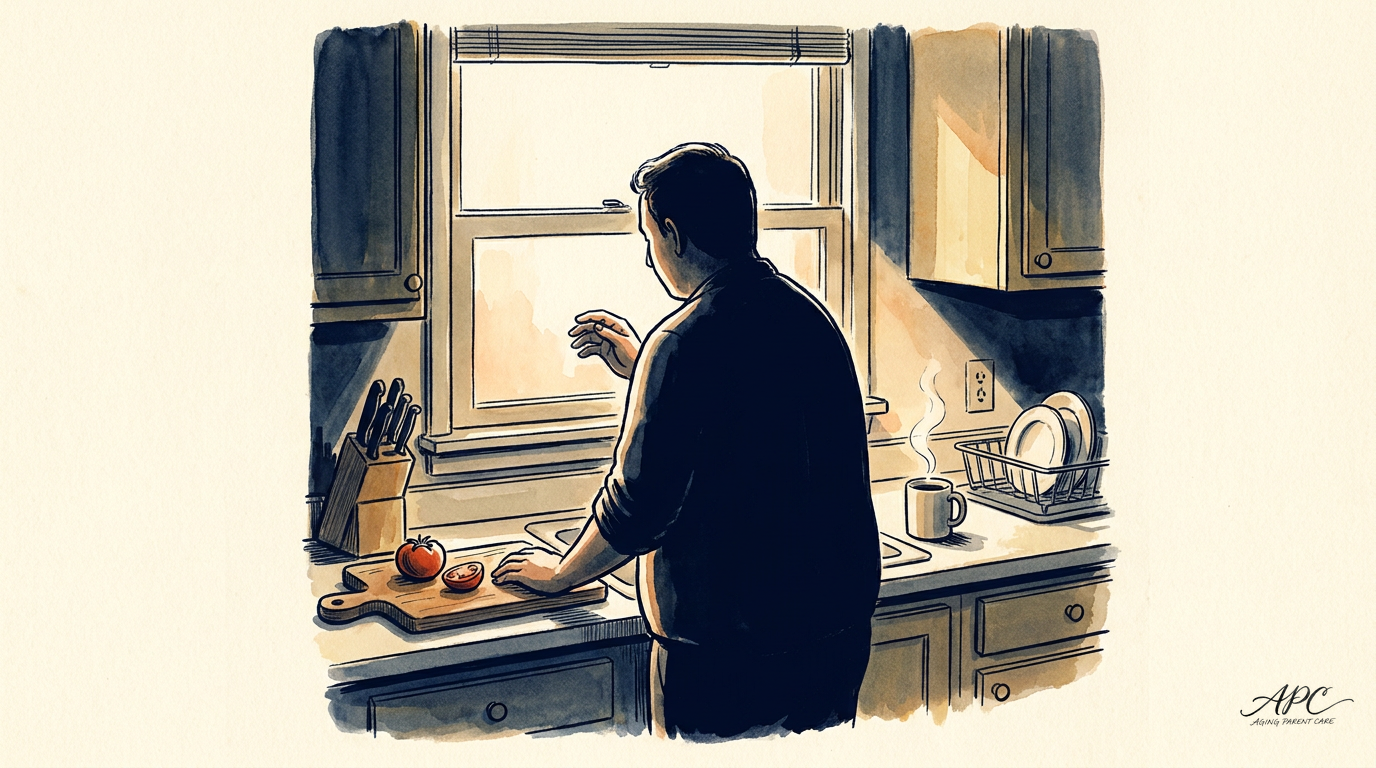
60 Million Americans Are Family Caregivers. Most of Them Started Without a Plan.
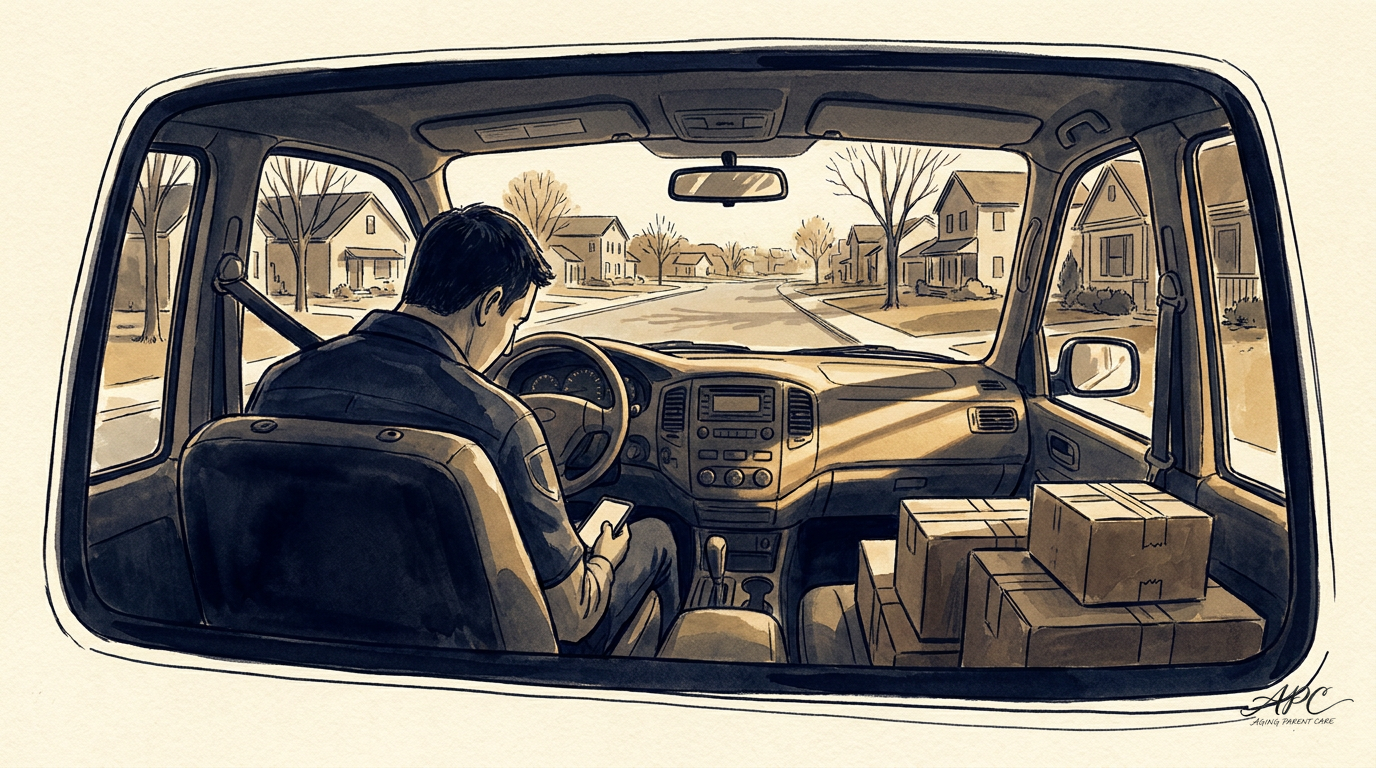
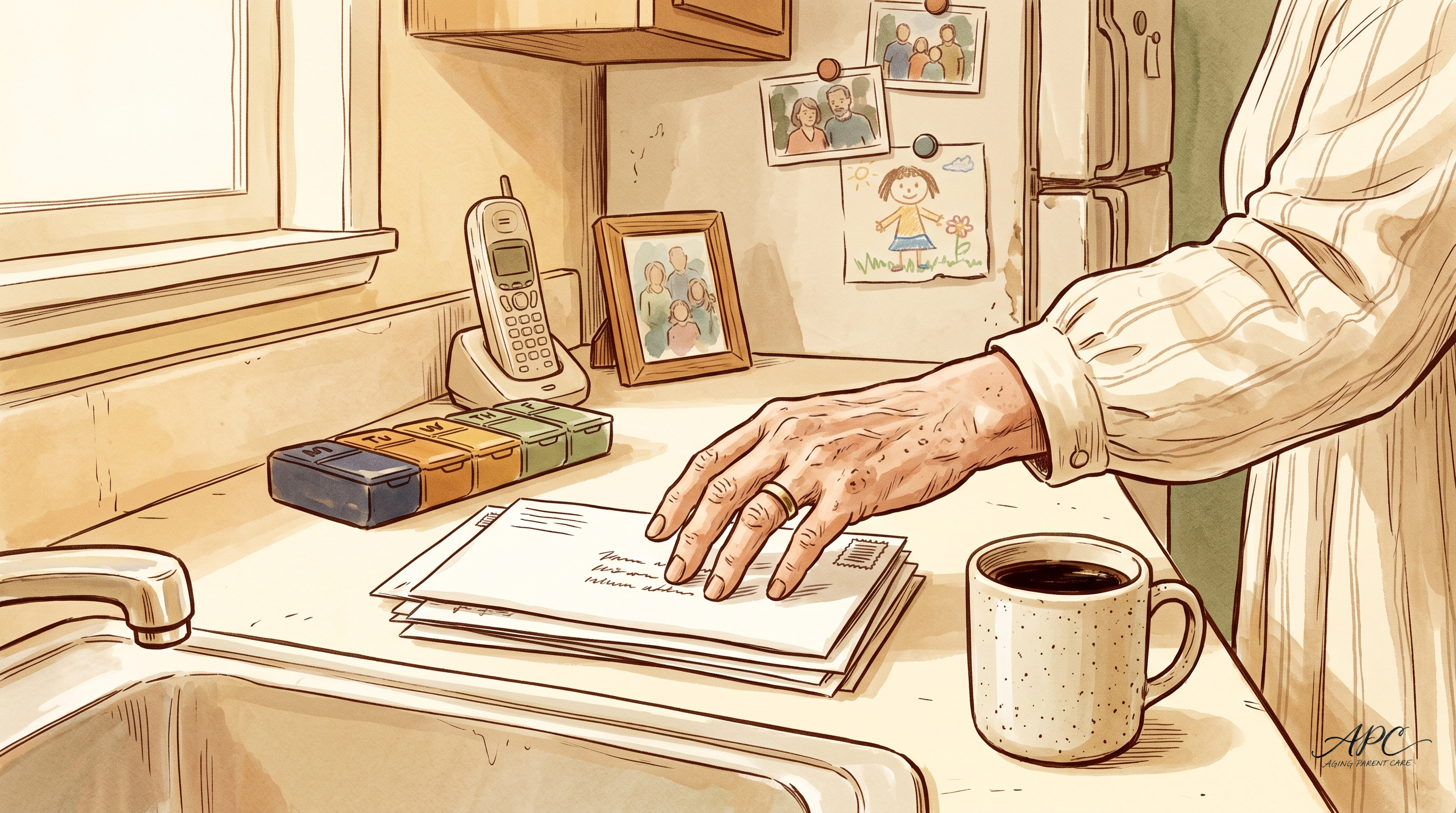
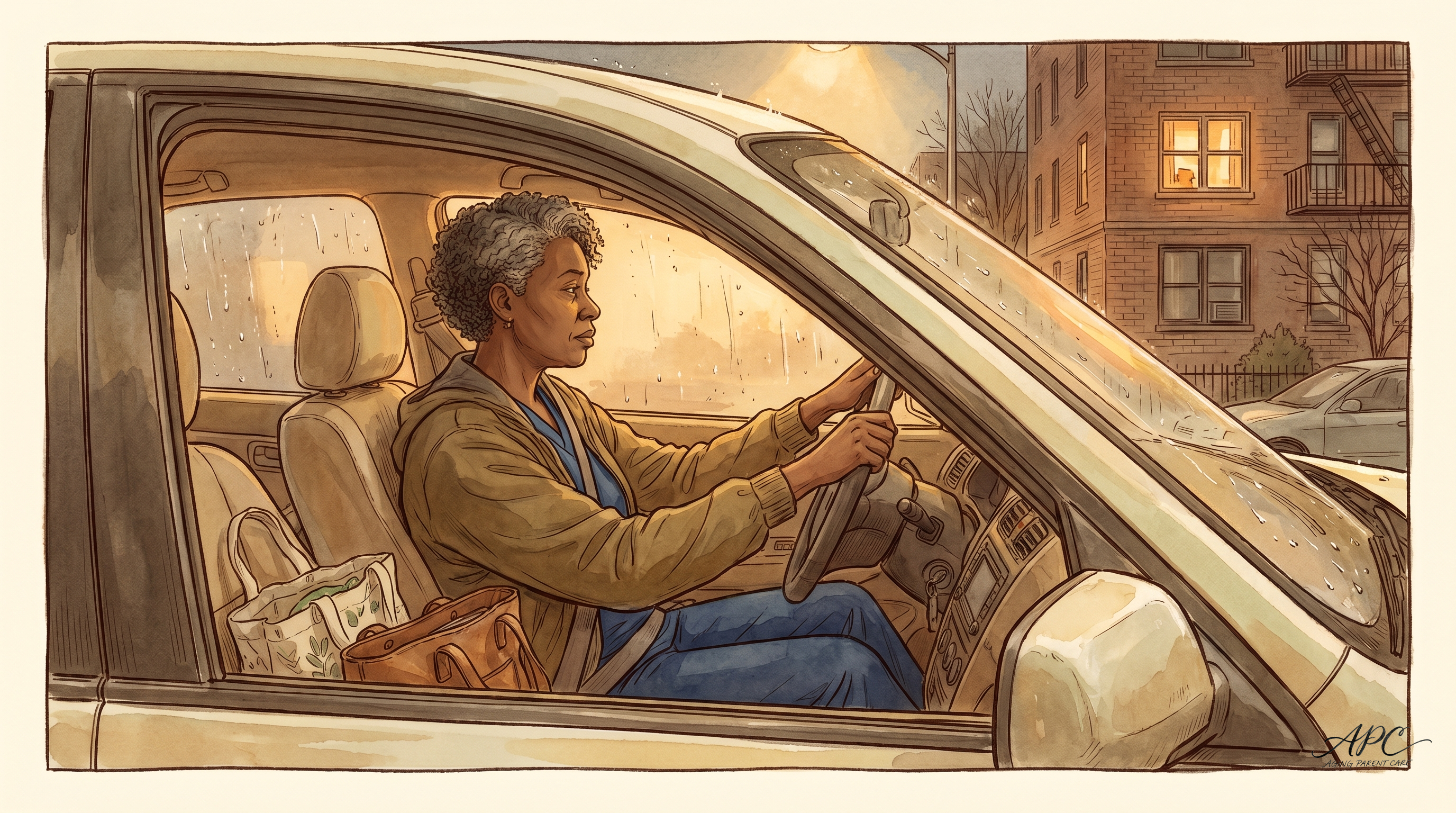
For eight months, Marcus Hahn drove to his mother's apartment every Sunday to fill her pill organizer, check her refrigerator, and pay whatever bills had piled up on her kitchen table. He's a UPS driver in Milwaukee. His mother is seventy-six and increasingly forgetful. He didn't think of what he was doing as caregiving. He thought of it as being a good son.
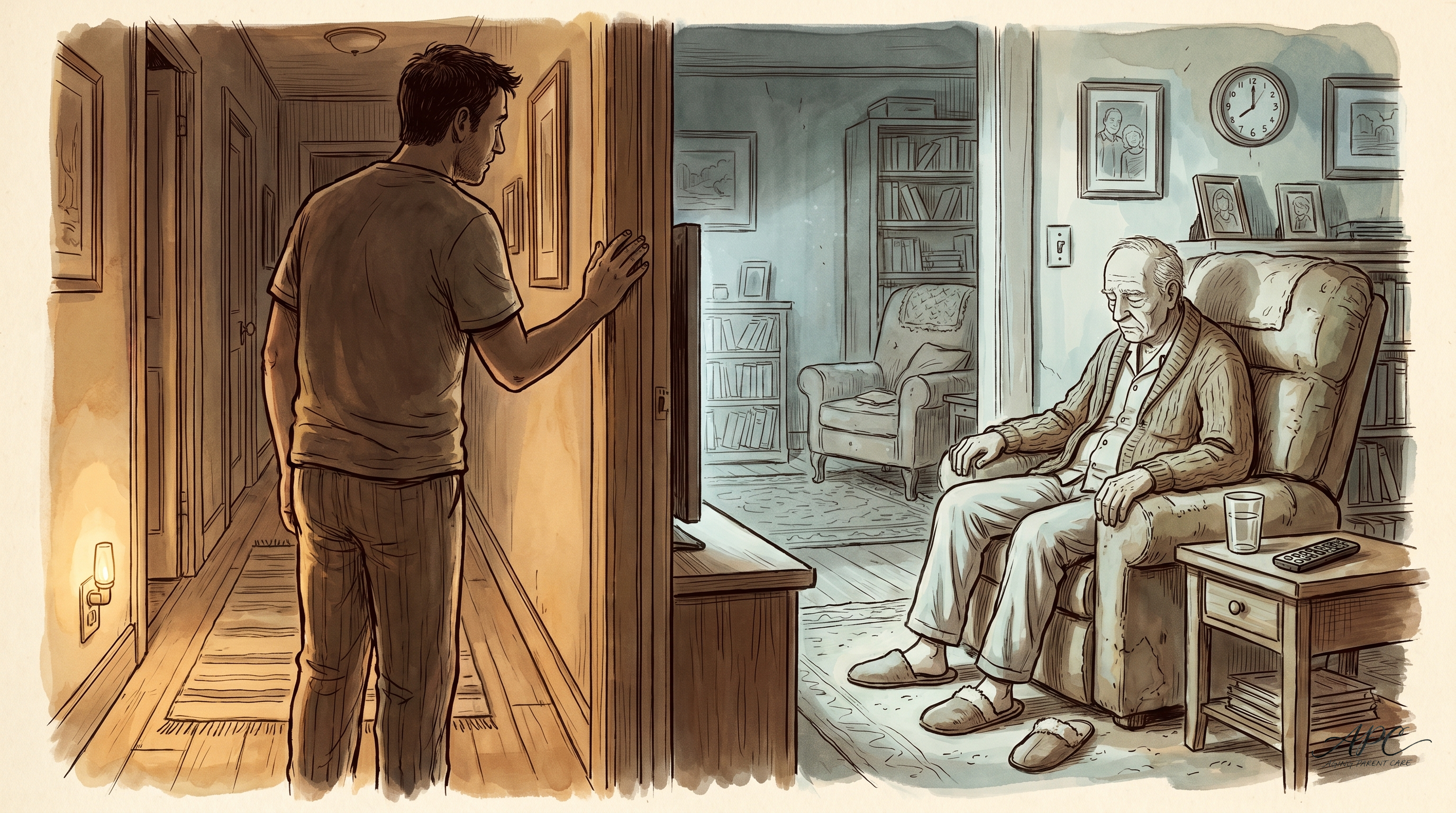
Then his mother fell in the bathroom on a Wednesday night and lay on the tile floor until he came by on Sunday. Four days.
That was the moment Marcus realized he'd been doing a job without knowing its name.
More than 60 million Americans provide unpaid care to a family member or friend. That number, from the National Alliance for Caregiving and AARP, has held roughly steady for several years and likely undercounts the true total. Many people who meet every definition of a caregiver don't identify as one. They're sons and daughters. Spouses. Siblings. Neighbors. They absorb the work gradually, one task at a time, until the weight of it is unmistakable.
Most of them started without a plan. That's not a character flaw. It's how the thing happens.
How Caregiving Begins
Almost nobody sits down and says, "Today I become a caregiver." The role builds in layers. You start driving your mother to one appointment. Then you're managing her prescriptions because the bottles are confusing and she mixed up her blood pressure medication with her thyroid pill. Then you notice the house isn't as clean as it used to be, and the food in the refrigerator has expired, and she hasn't opened her mail in two weeks.
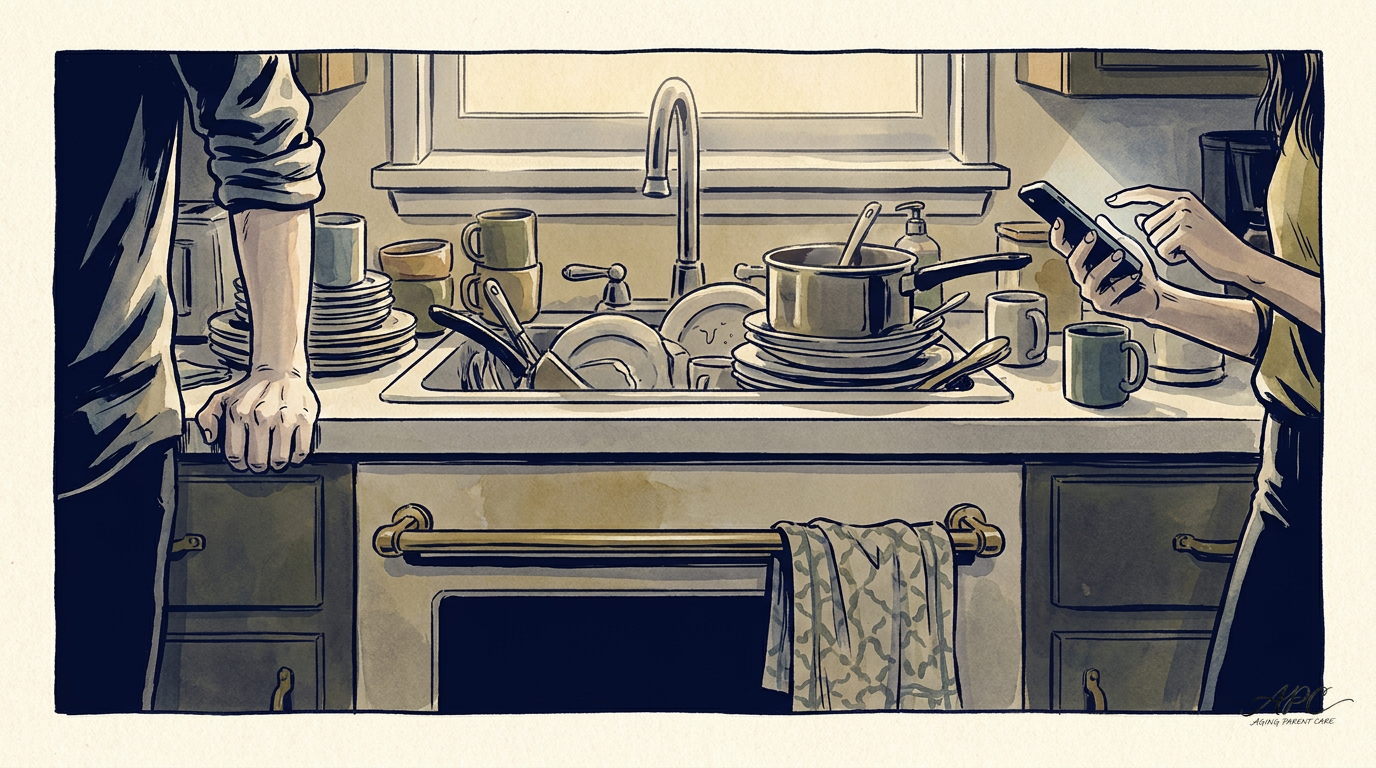
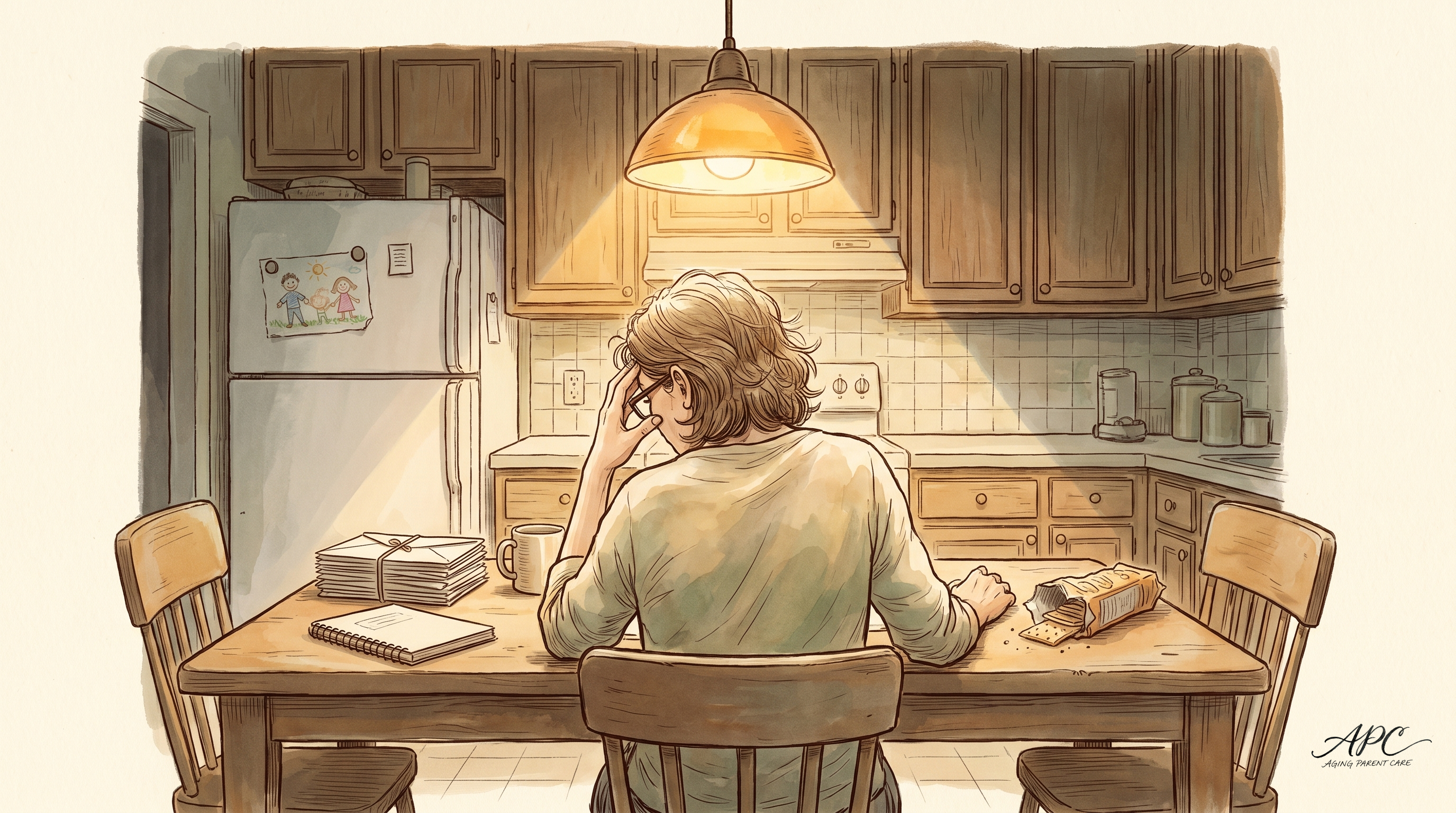
Each step feels small. Individually, none of them seems like enough to qualify as "caregiving." Together, they add up to ten or twenty hours a week of unpaid labor that competes with your job, your family, your sleep, and your own health.
The sandwich generation (adults caring for both children and aging parents) reached what several reports in 2026 describe as a tipping point. The population of adults over 80 is growing faster than the population of working-age adults who can care for them. Families are smaller. Geographic distance is greater. The math doesn't work the way it did a generation ago, when there were more siblings to share the load and fewer years of decline to manage.
Why Naming It Matters
So why does the word "caregiver" matter so much? Because recognizing yourself as one gives you access to reality. Until you name what you're doing, you can't plan for it, set boundaries around it, ask for help with it, or protect yourself from the damage it can do.
Caregivers who don't identify as such are less likely to seek respite services, less likely to talk to their employers about flexible scheduling, less likely to attend to their own medical appointments, and less likely to recognize the early signs of burnout or depression.
The word is a tool. It opens doors.
The First Thing to Do Is Not a Plan
If you've just recognized that you're a caregiver, or if someone sent you this article because they see it in you, skip the spreadsheet. Skip the care plan and the family meeting. The first thing you need is permission to say it out loud.
I'm taking care of someone. It's affecting my life. I need help.
That's where it starts.
A Starter Framework for Getting Organized
Once you've caught your breath, there are practical steps that reduce the chaos. None of these require perfection. Do them roughly. Do them partially. Do them in whatever order makes sense for your situation.
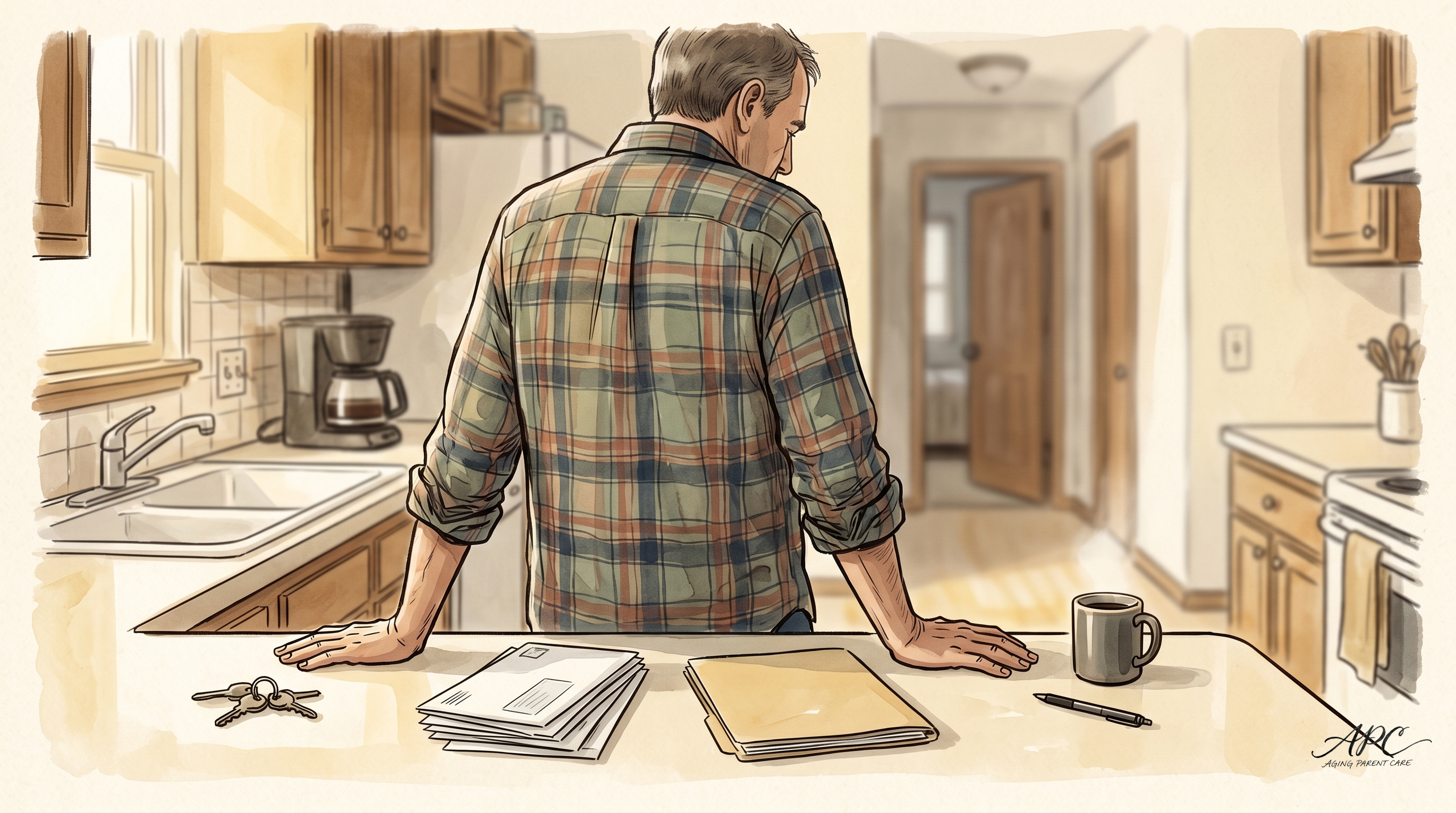
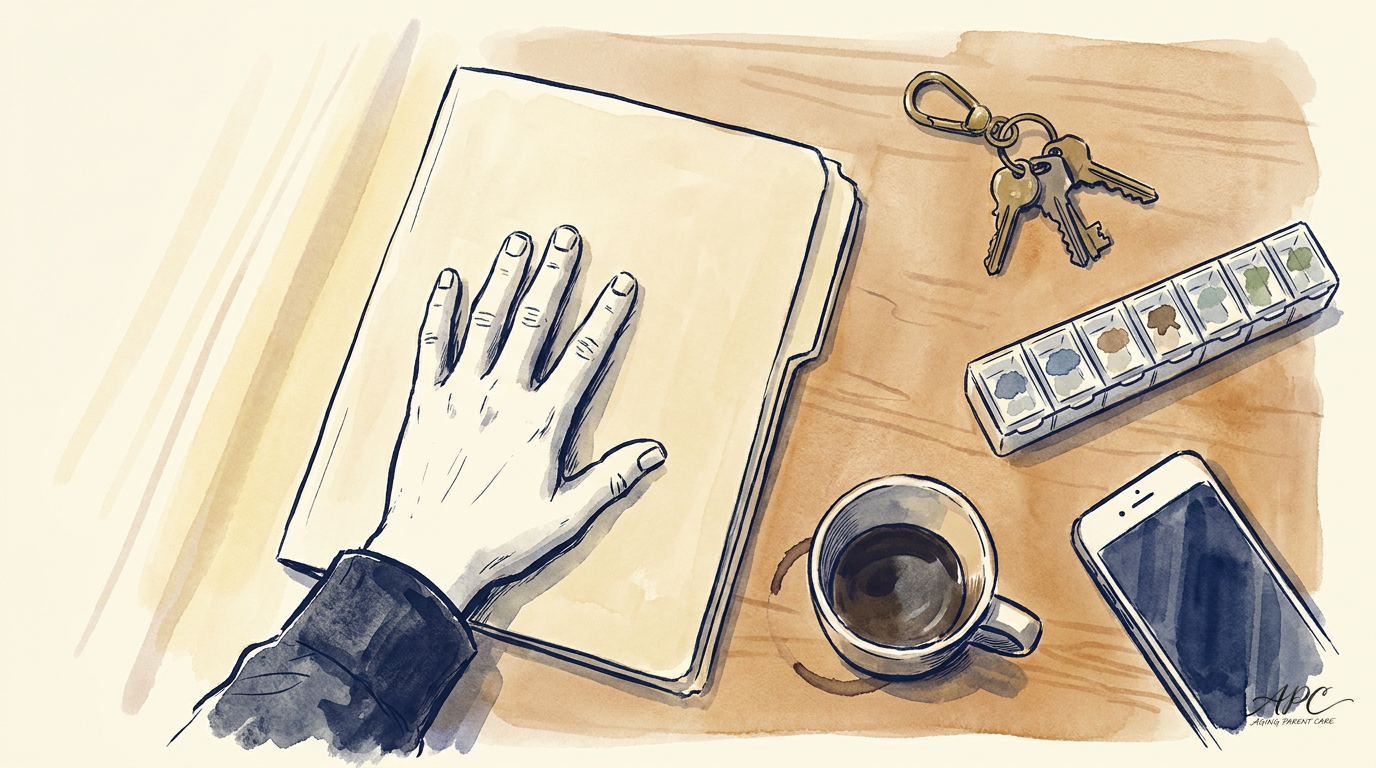
Gather the documents. Your parent's insurance cards, medication list, doctor contact information, legal documents (power of attorney, health care proxy, will). Put them in one folder, physical or digital. You'll need them, probably at the worst possible moment. Make the medical inventory. Write down every medication, every condition, every doctor. Include dosages and schedules. Bring this list to every appointment. It saves time and prevents errors. Identify the gaps. Where is the care failing? Is it meals? Medication management? Transportation? Hygiene? Fall risk? You can't fix everything at once, but knowing where the biggest risks are tells you where to focus first. Have the money conversation. What does your parent have? What are they spending? What's covered by Medicare or Medicaid? This conversation is uncomfortable for most families. It's also unavoidable. The earlier you have it, the more options you keep open. Ask for one specific thing from one specific person. "Can you take Mom to her cardiology appointment on March 14th?" is a better ask than "I need help." People respond to concrete, bounded requests. Give them something they can say yes to. Look into local resources. Area Agencies on Aging (find yours at eldercare.acl.gov or call 1-800-677-1116) offer free or low-cost services including meal delivery, transportation, respite care, and caregiver support groups. Most families don't know these agencies exist. Worth looking into.You Are Not Behind
If you're reading this and thinking that you should have started sooner, organized earlier, asked for help months ago: you're not behind. You're reading it now.
Caregiving doesn't come with an orientation. There's no training manual in the hospital discharge folder. There's no class you were supposed to take. You learned by doing, which means you learned under pressure, without preparation, and probably without enough support.
Messy is normal. You've been doing this under conditions that would make anyone messy.
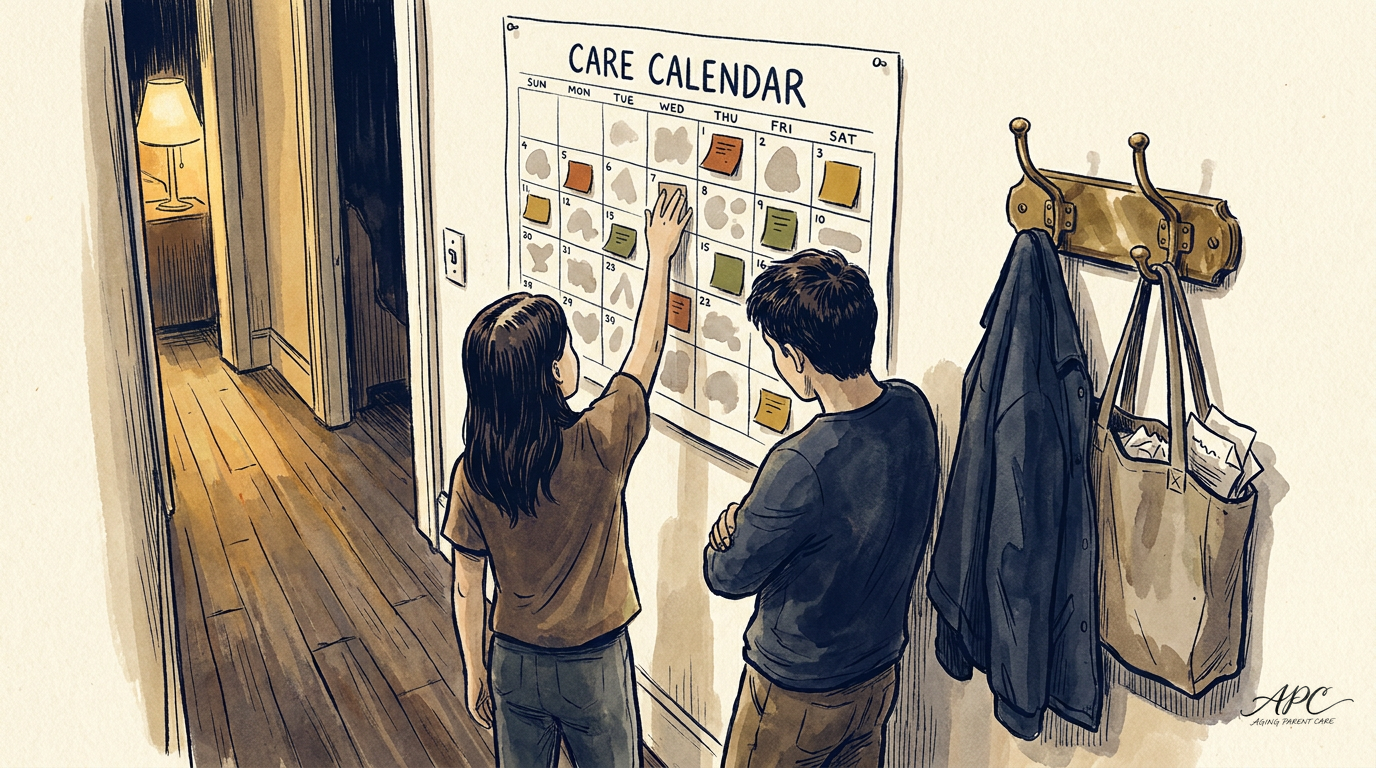
Marcus Hahn installed a medical alert system in his mother's apartment the week after her fall. He set up a shared calendar with his sister in Minneapolis so she could track appointments. He started grocery delivery. He called his local Area Agency on Aging and got his mother enrolled in a meal program that delivers lunch five days a week.
He still doesn't love the word "caregiver." But he uses it now, because it got him into a room full of people who understood what his Sundays had become, and one of them told him about the meal program, and his mother hasn't missed a lunch since.
Sixty million people. Most of them figured it out the way Marcus did: alone, late, and one crisis at a time. It doesn't have to stay that way.
Sources
- National Alliance for Caregiving and AARP. "Caregiving in the U.S. 2020." Updated estimates suggest more than 60 million Americans provide unpaid care.
- AARP Public Policy Institute. "Valuing the Essential: 2023 Update."
- Pew Research Center. "The Sandwich Generation: Rising Financial Burdens for Middle-Aged Americans."
- U.S. Census Bureau. "The Older Population: 2020." 2023.
- Schulz R, Beach SR. "Caregiving as a Risk Factor for Mortality: The Caregiver Health Effects Study." JAMA, 1999.
- Eldercare Locator. U.S. Administration on Aging. eldercare.acl.gov. 1-800-677-1116.
© 2026 Aging Parent Care. All rights reserved. No portion of this article may be reproduced, distributed, or used in any form without the explicit written permission of Aging Parent Care.
Make Your Business Online By The Best No—Code & No—Plugin Solution In The Market.
30 Day Money-Back Guarantee
Say goodbye to your low online sales rate!