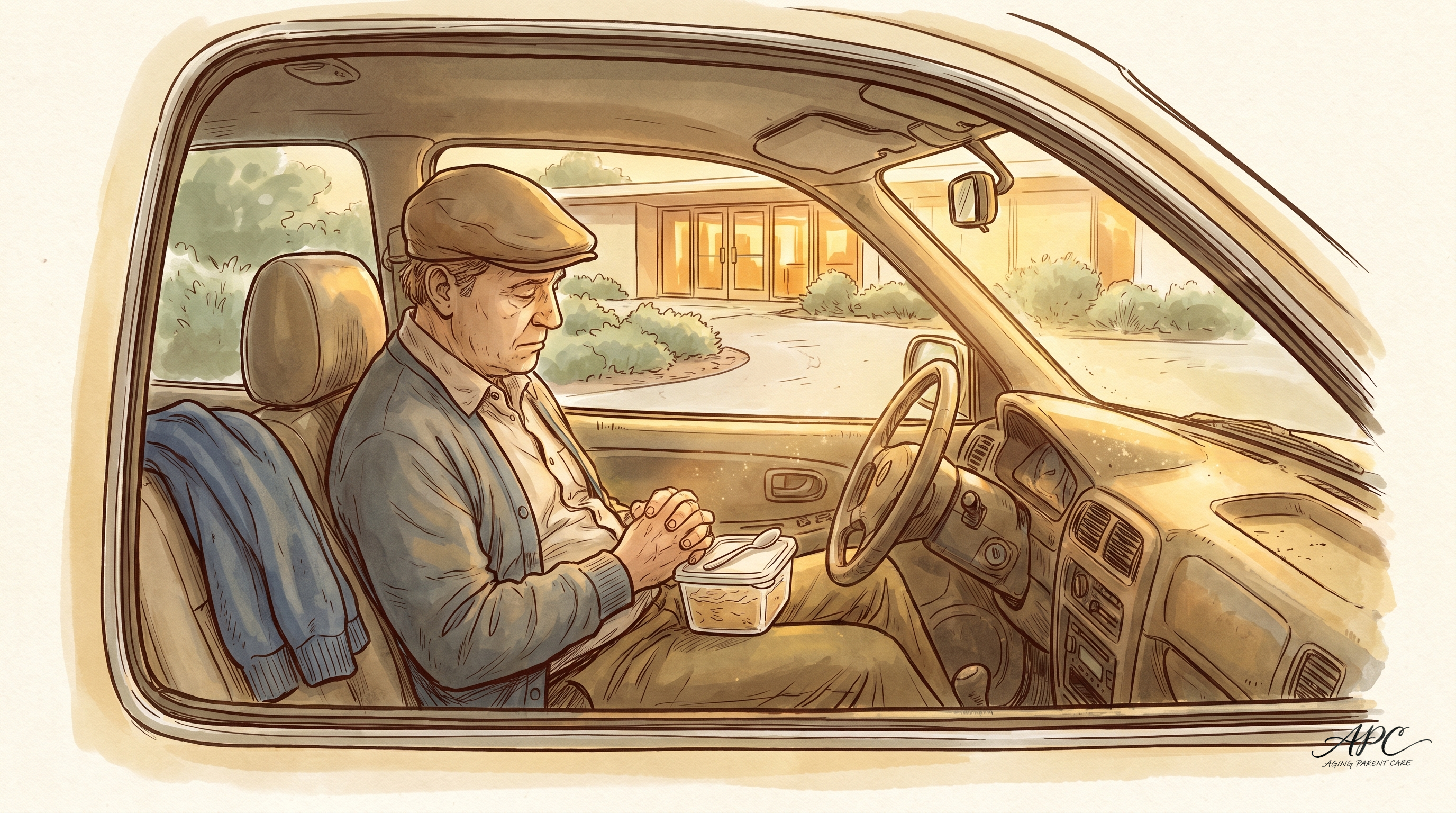
78% of Caregivers Are Burned Out. 98% Say They're Fine.
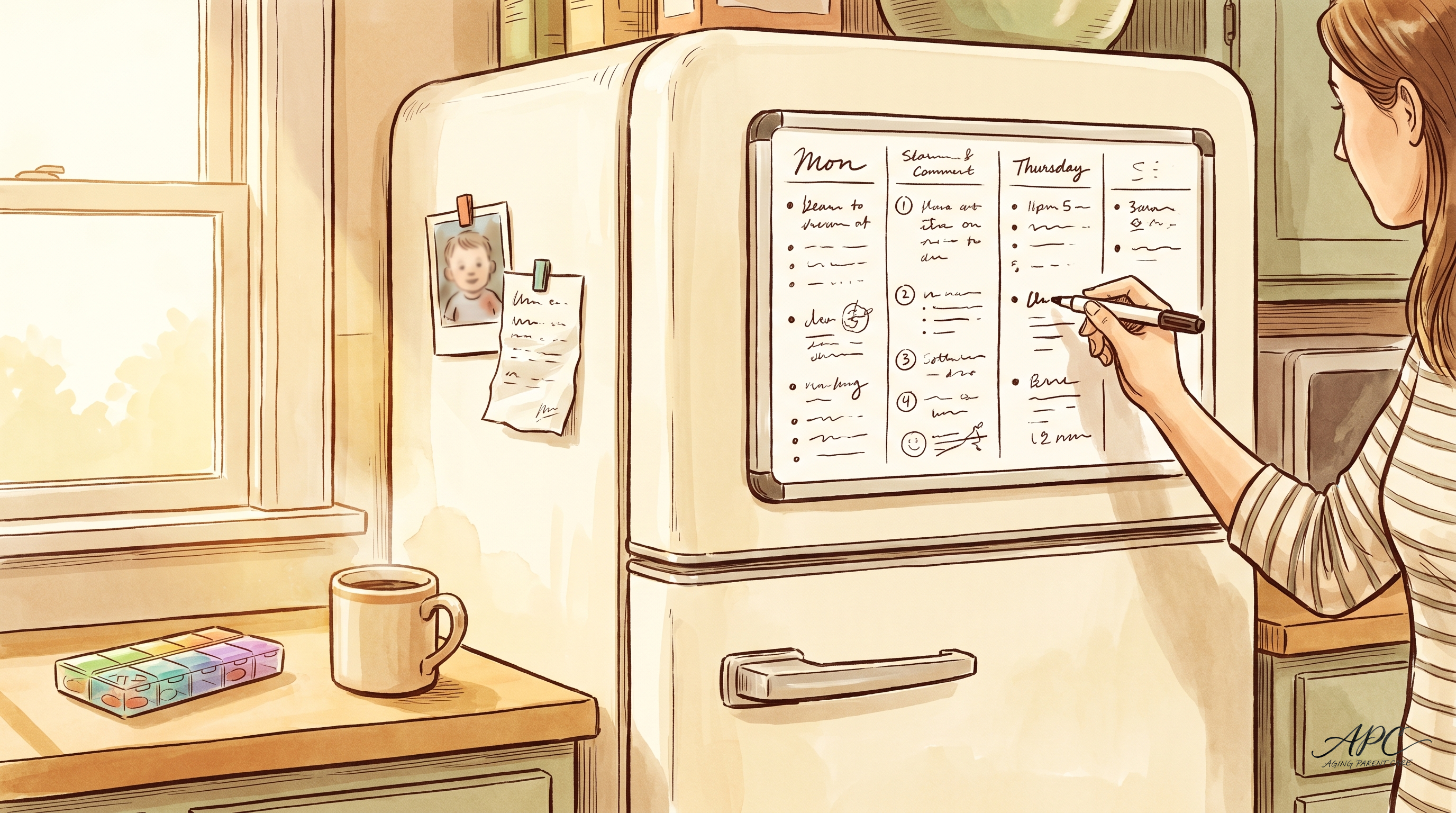
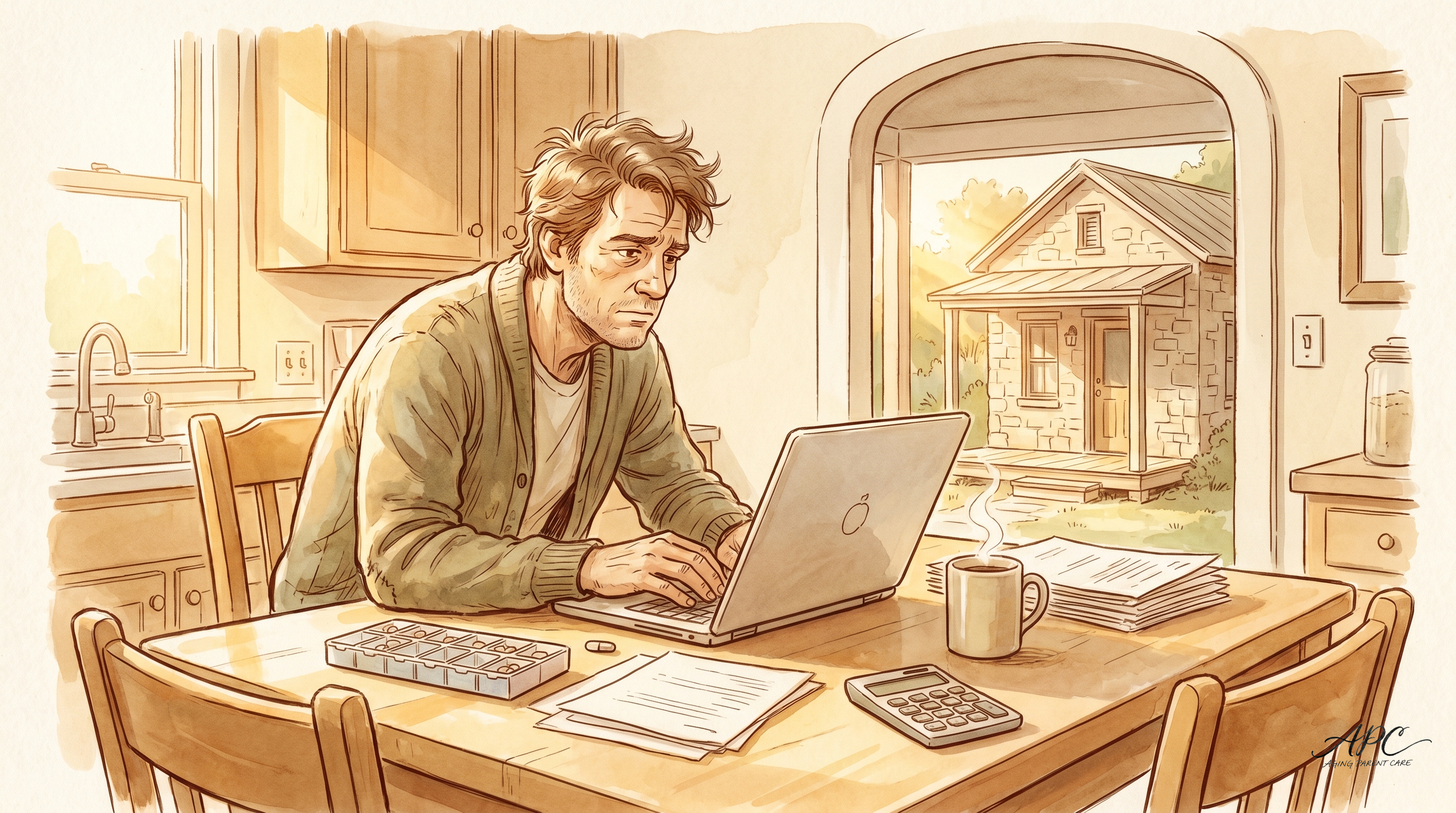
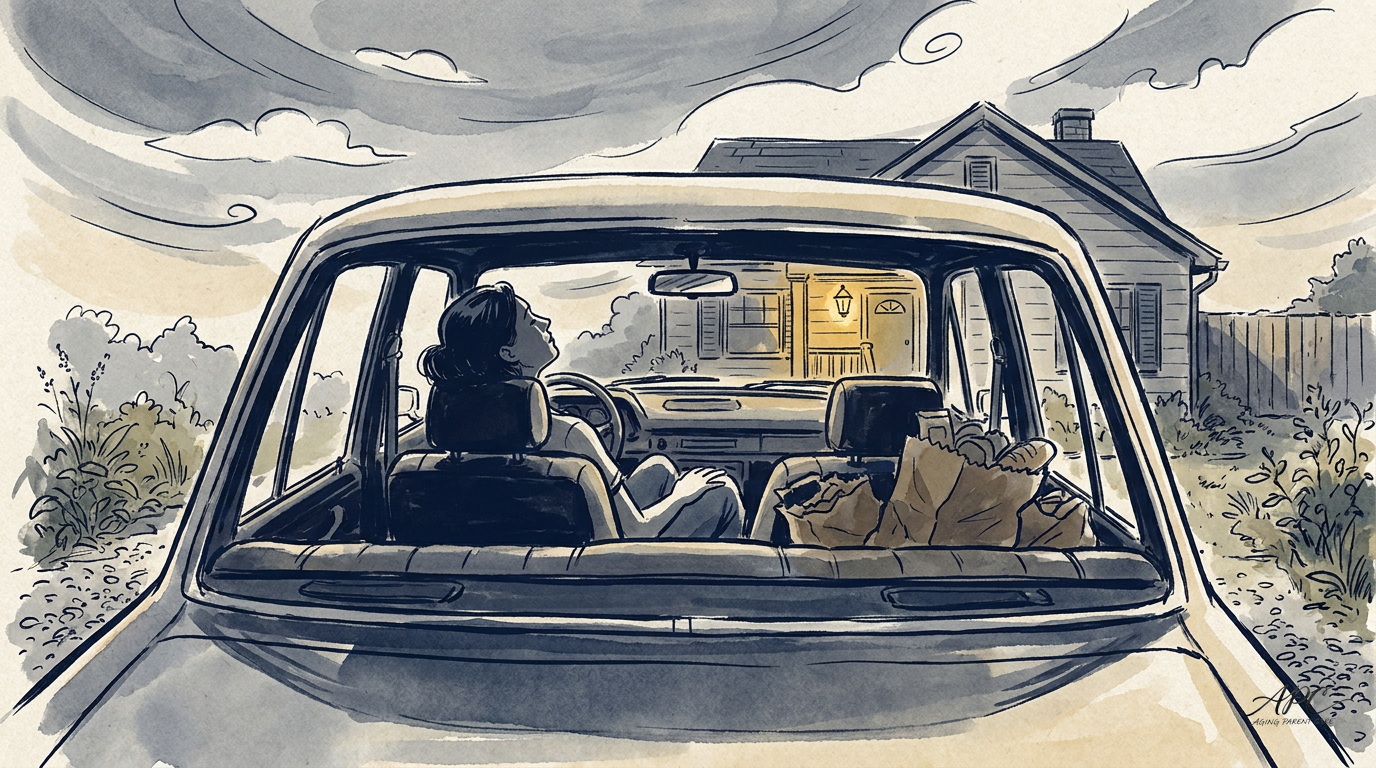
Ask a caregiver how they're doing and the answer is almost always the same: fine. Tired, maybe. Busy. But fine.
The data tells a different story. According to a 2025 survey from A Place for Mom, 78 percent of family caregivers report burnout. Yet when the same caregivers are asked whether they need help, 98 percent say they're managing. The gap between those two numbers? That's where the real damage happens.
The Lie That Keeps Caregivers Trapped
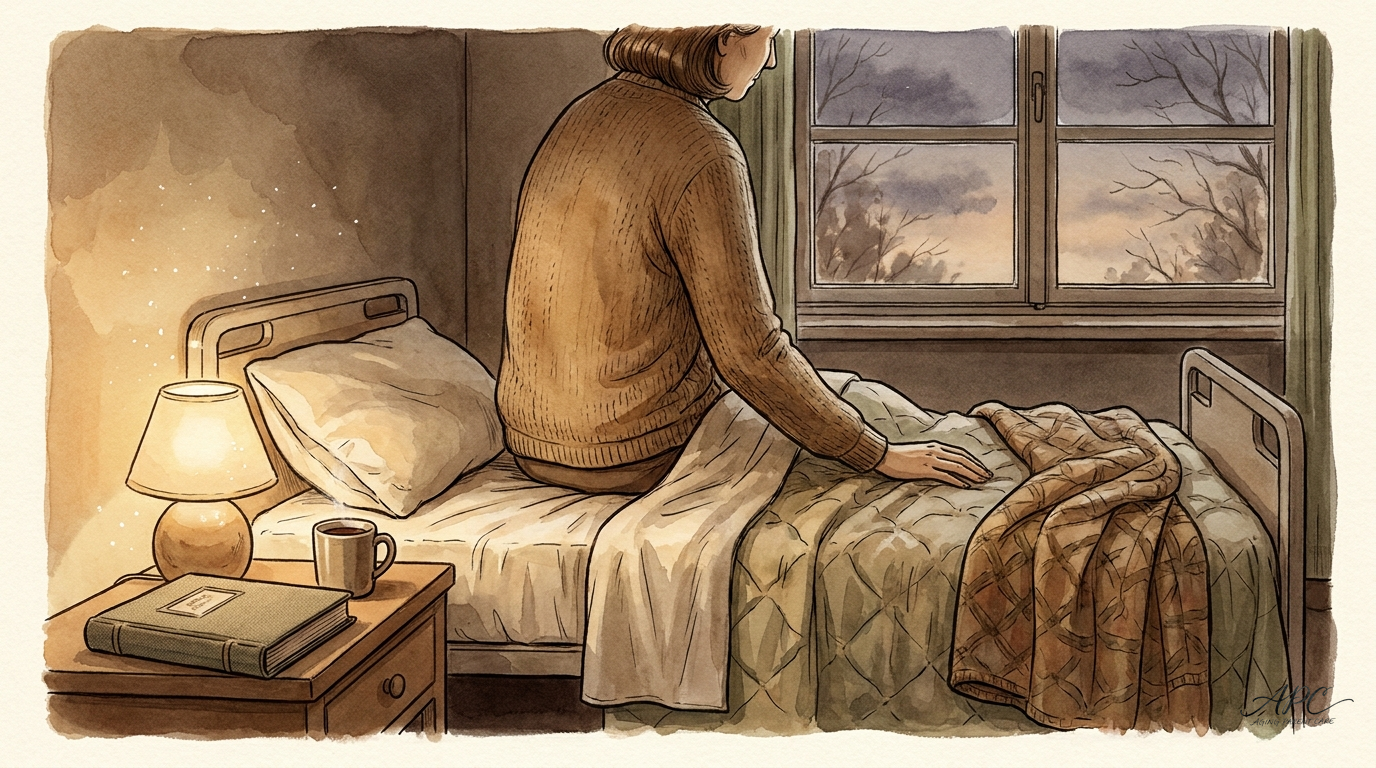
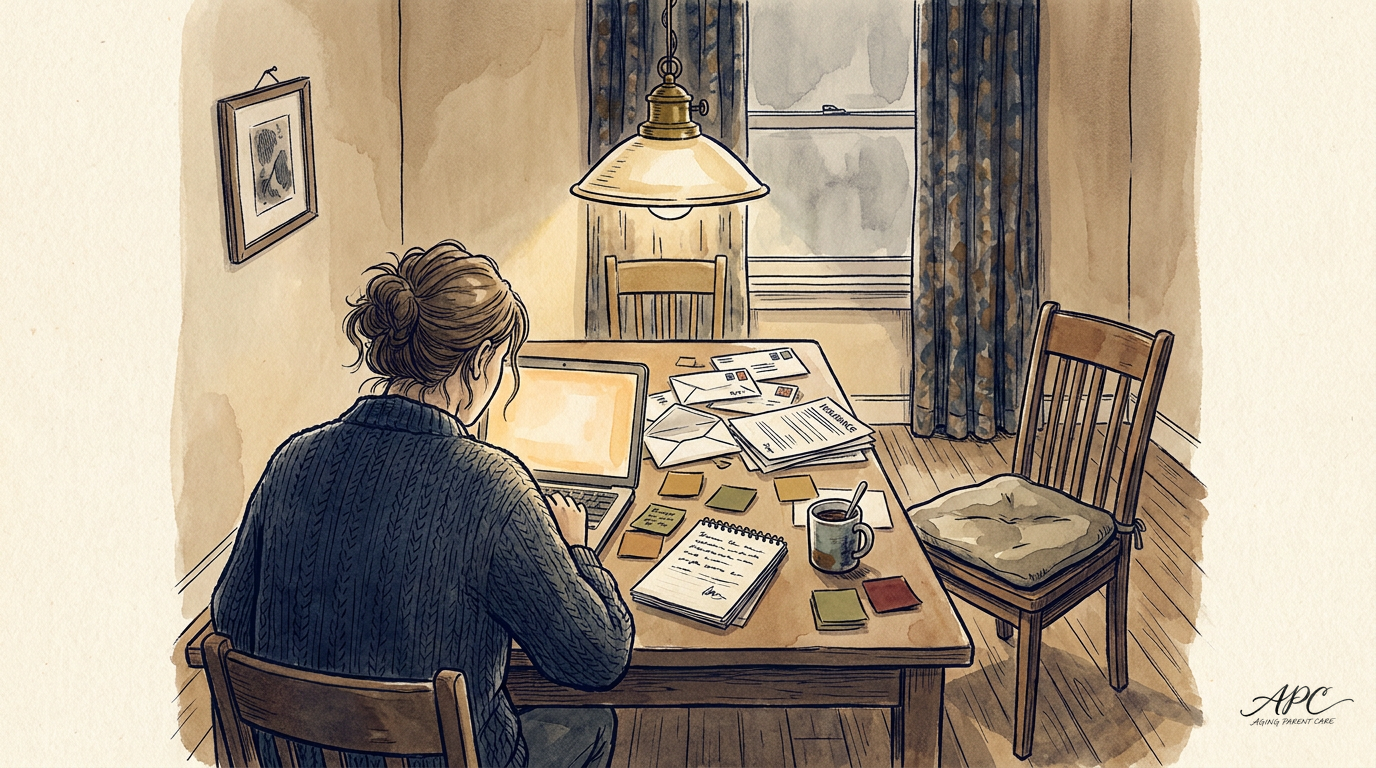
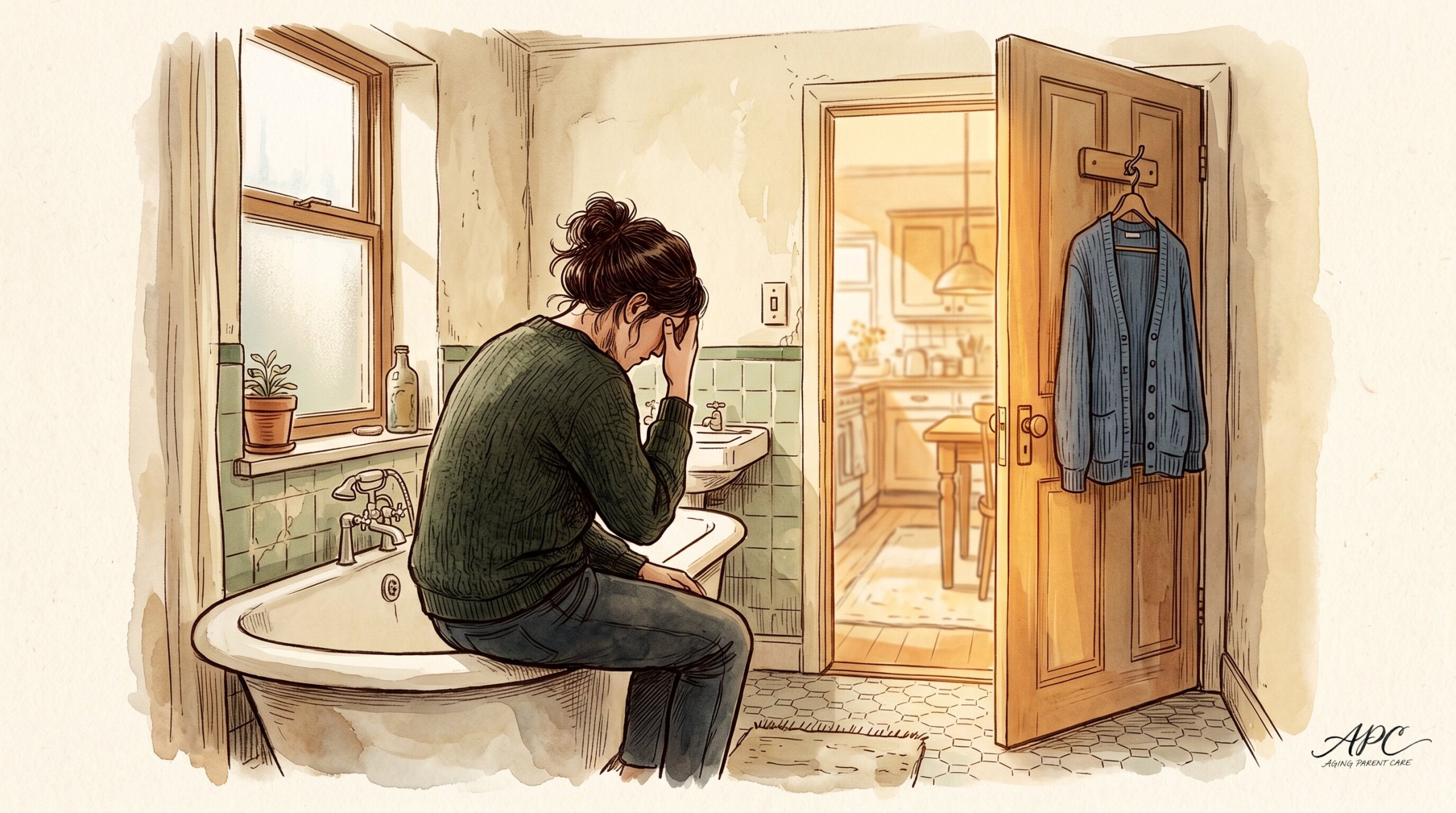
Burnout seeps in through small concessions. You cancel dinner plans. You stop returning calls. You develop a headache that never quite goes away. And when someone asks, you say you're fine because saying anything else feels like admitting failure.
Researchers call this compassion fatigue, the gradual erosion of empathy and energy that comes from sustained caregiving without adequate support. The National Alliance for Caregiving found that 40 to 70 percent of family caregivers show clinically significant symptoms of depression. Most never seek treatment.
Why 98 Percent Say They're Fine
There are practical reasons you minimize your own struggles:
- No one to hand it off to. Forty-three percent of caregivers have no backup. Admitting you can't cope raises the question of who will step in, and there's often no answer.
- Guilt. Your parent is the one who's sick. Your exhaustion feels trivial by comparison, even when it isn't.
- Identity. Many caregivers define themselves by their ability to hold things together. Asking for help threatens that identity.
- Learned helplessness. After months or years of being told to practice self-care with no real structural support, you stop believing that anything will change.
What Burnout Actually Looks Like
Burnout goes beyond feeling tired. It's a measurable physiological and psychological state with recognizable markers:
- Emotional exhaustion: You feel drained before the day even starts.
- Depersonalization: You start referring to your parent as a set of tasks rather than a person. (And then you feel guilty about that, too.)
- Reduced accomplishment: Nothing you do feels like enough, no matter how much you give.
- Physical symptoms: Chronic headaches, insomnia, weight changes, getting sick more often.
- Withdrawal: You stop seeing friends, stop pursuing hobbies, stop doing anything that isn't caregiving.
Recognize yourself in that list?
The Cost of Pretending
When you don't acknowledge burnout, the consequences extend beyond you. Burned-out caregivers make more medical errors. They're more likely to use physical restraints. They're more likely to place a parent in institutional care because they've hit a wall they didn't see coming, long past the point where the decision could be made calmly.
A 2024 AARP study found that caregivers who report high levels of emotional strain have healthcare costs that are 23 percent higher than non-caregivers. Your body keeps the score even when your mouth says fine.
What Would Actually Help
The standard advice (take a bath, go for a walk) helps at the margins. But for someone providing 20 or more hours of care per week? It barely scratches the surface.
What actually helps:
- Respite care. Even four hours a week of professional coverage can reduce burnout scores significantly. The National Family Caregiver Support Program provides funding in most states.
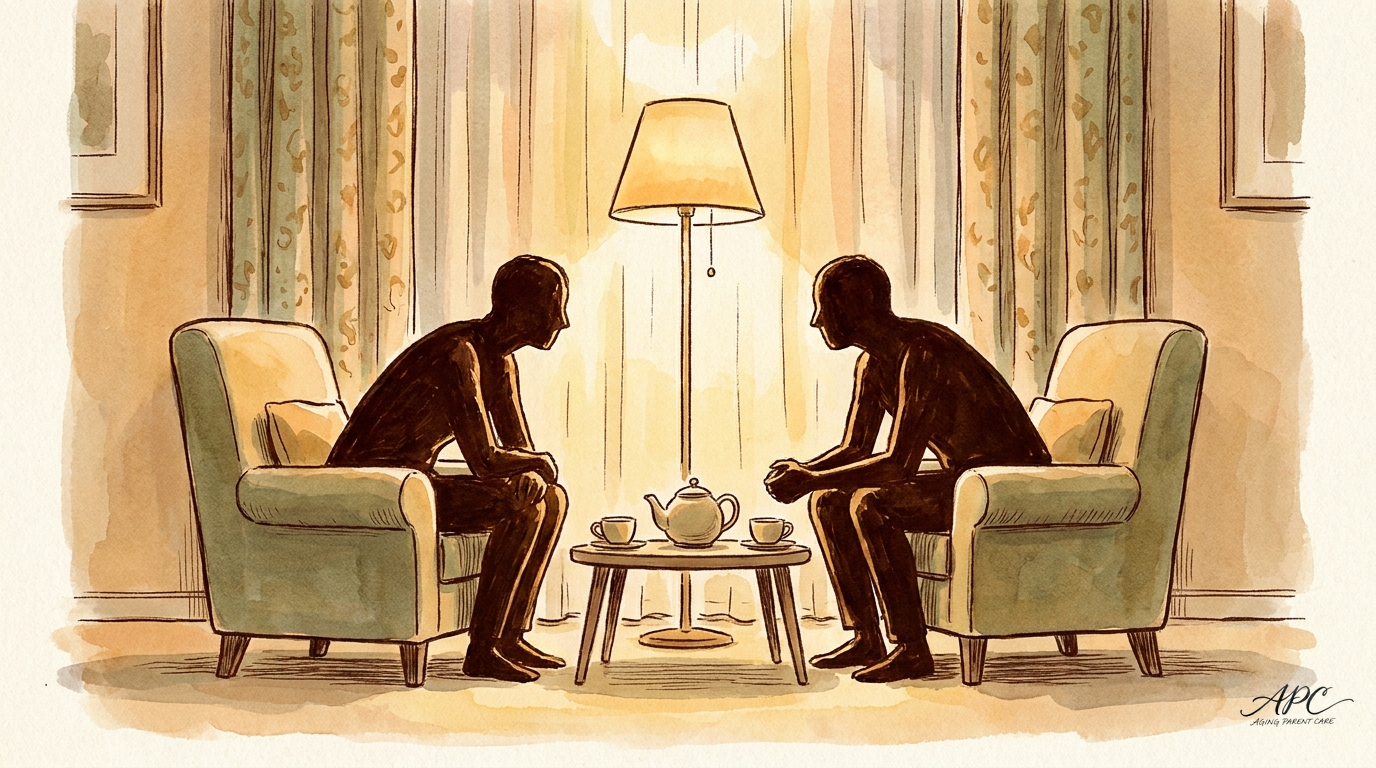
- Caregiver support groups. Not for advice. For the experience of being in a room where you don't have to explain why you're tired.
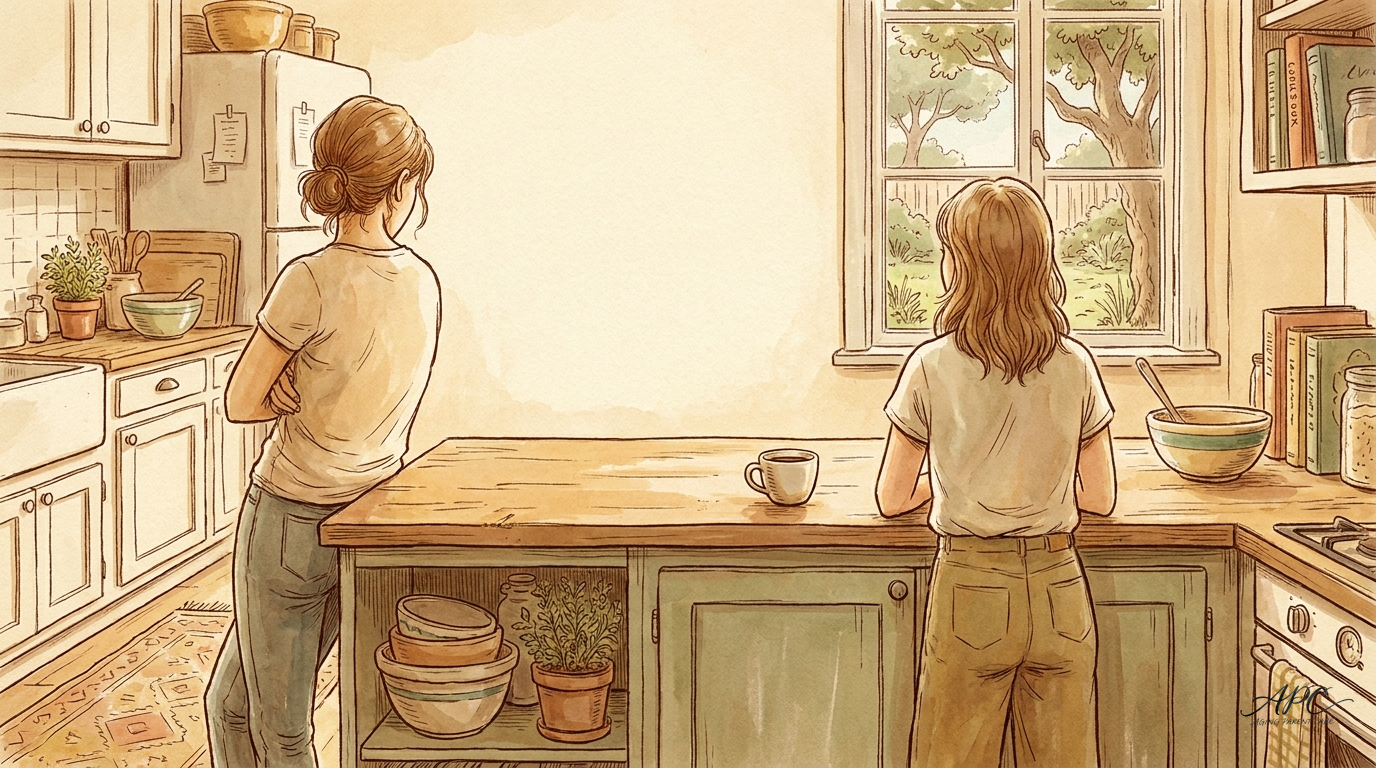
- Honest conversations with family. About what the actual care needs are and how to share them.
- Professional help. Therapy is maintenance for someone operating under sustained stress.
- Setting limits. You can't provide good care if you're depleted. A boundary isn't selfish. It's an act of preservation.
The Question Worth Asking
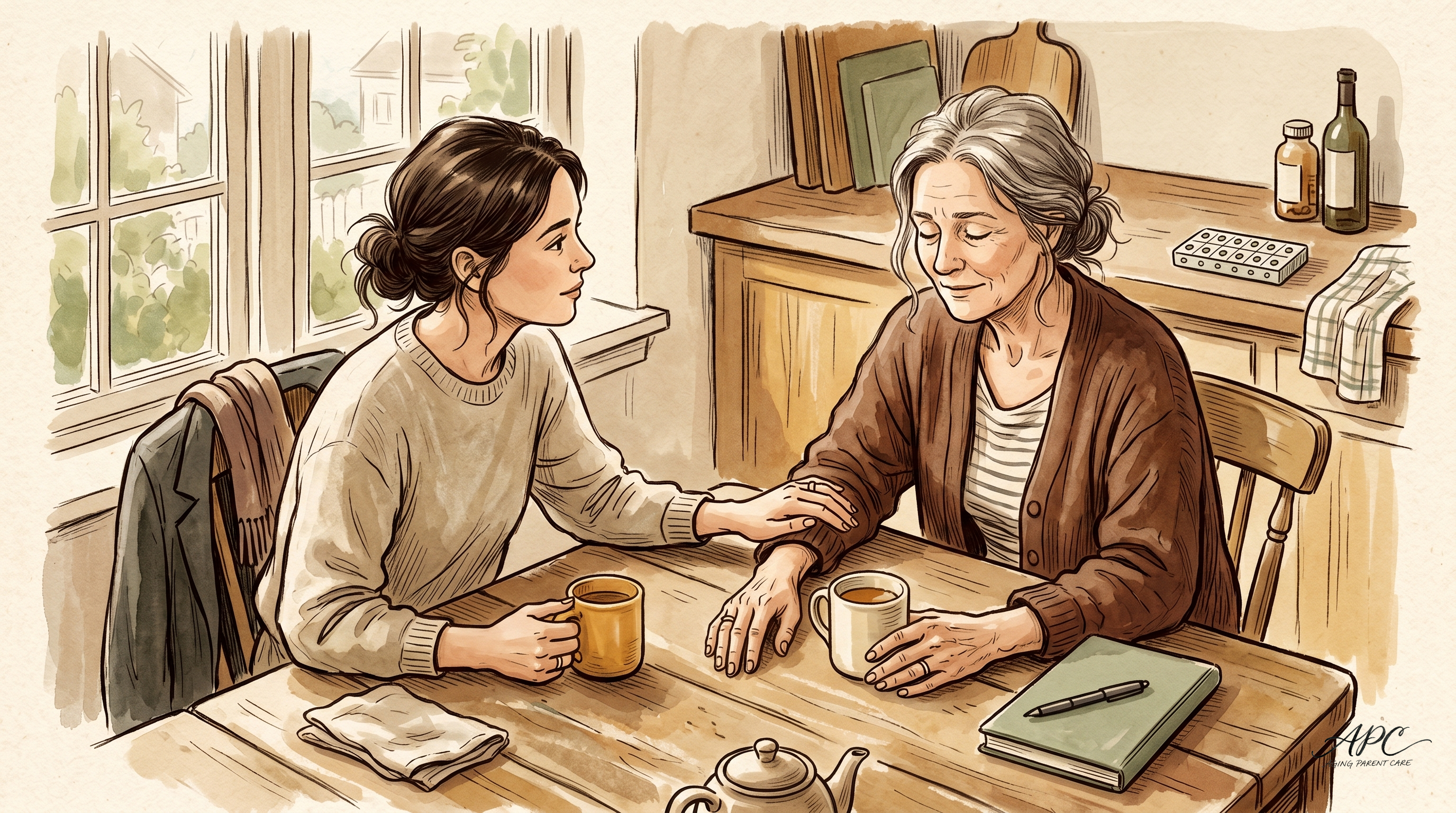
If someone you know is caring for an aging parent, don't ask if they're fine. They'll say yes. Instead, ask something specific: When did you last have an evening to yourself? What would help you most this week? Can I sit with your parent on Saturday so you can leave the house?
And if you're the caregiver reading this, here's the truth: 78 percent of people in your position are burning out. Saying you're fine doesn't make it true. It just makes it harder for anyone to help.
Sources
- National Alliance for Caregiving & AARP. Caregiving in the U.S. 2025. caregiving.org
- Family Caregiver Alliance. Caregiver Statistics: Demographics. caregiver.org
- Family Caregiver Alliance. Caregiver Statistics: Health, Technology, and Caregiving Resources. caregiver.org
- Alzheimer's Association. Caregiver Stress. alz.org
© 2026 Aging Parent Care. All rights reserved. No portion of this article may be reproduced, distributed, or used in any form without the explicit written permission of Aging Parent Care.
Make Your Business Online By The Best No—Code & No—Plugin Solution In The Market.
30 Day Money-Back Guarantee
Say goodbye to your low online sales rate!