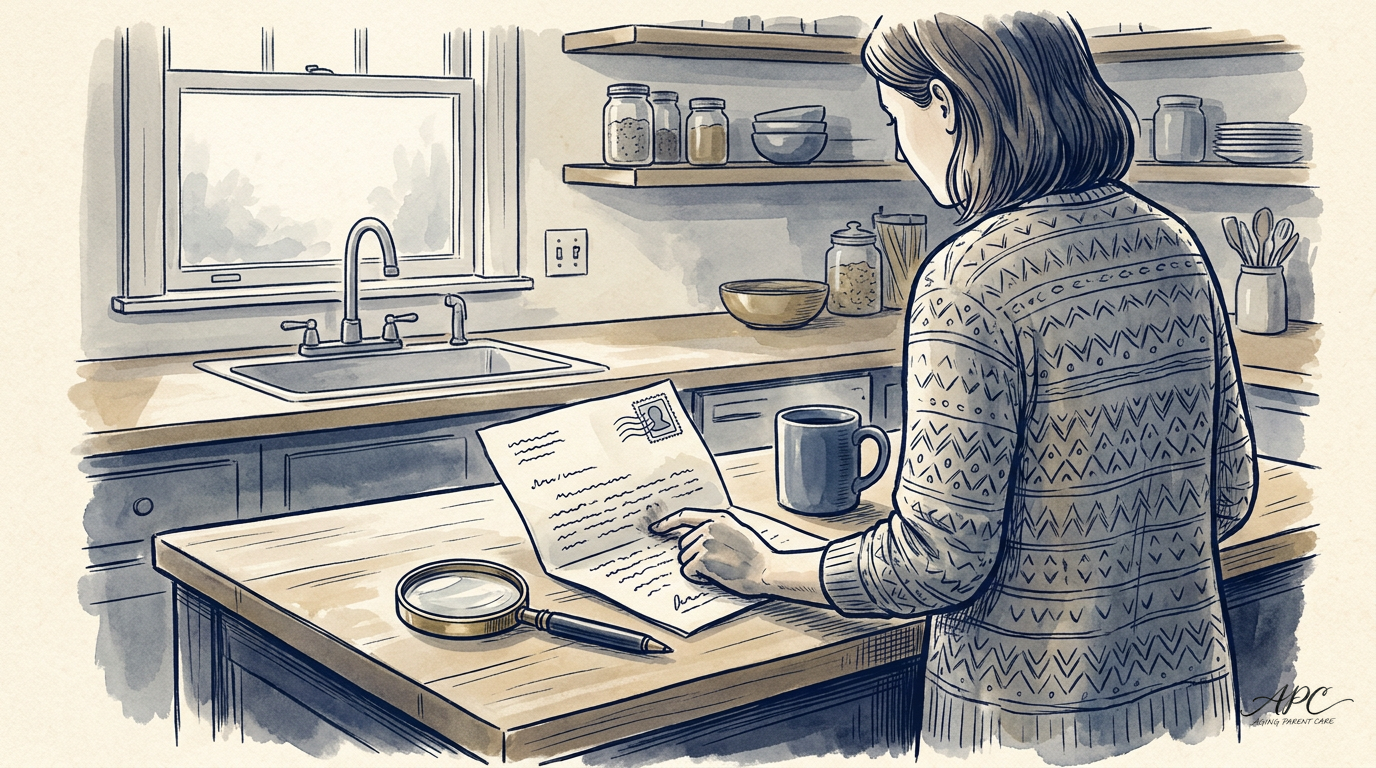
78% of Caregivers Are Burned Out. Here Are the 5 Warning Signs You Are One of Them.
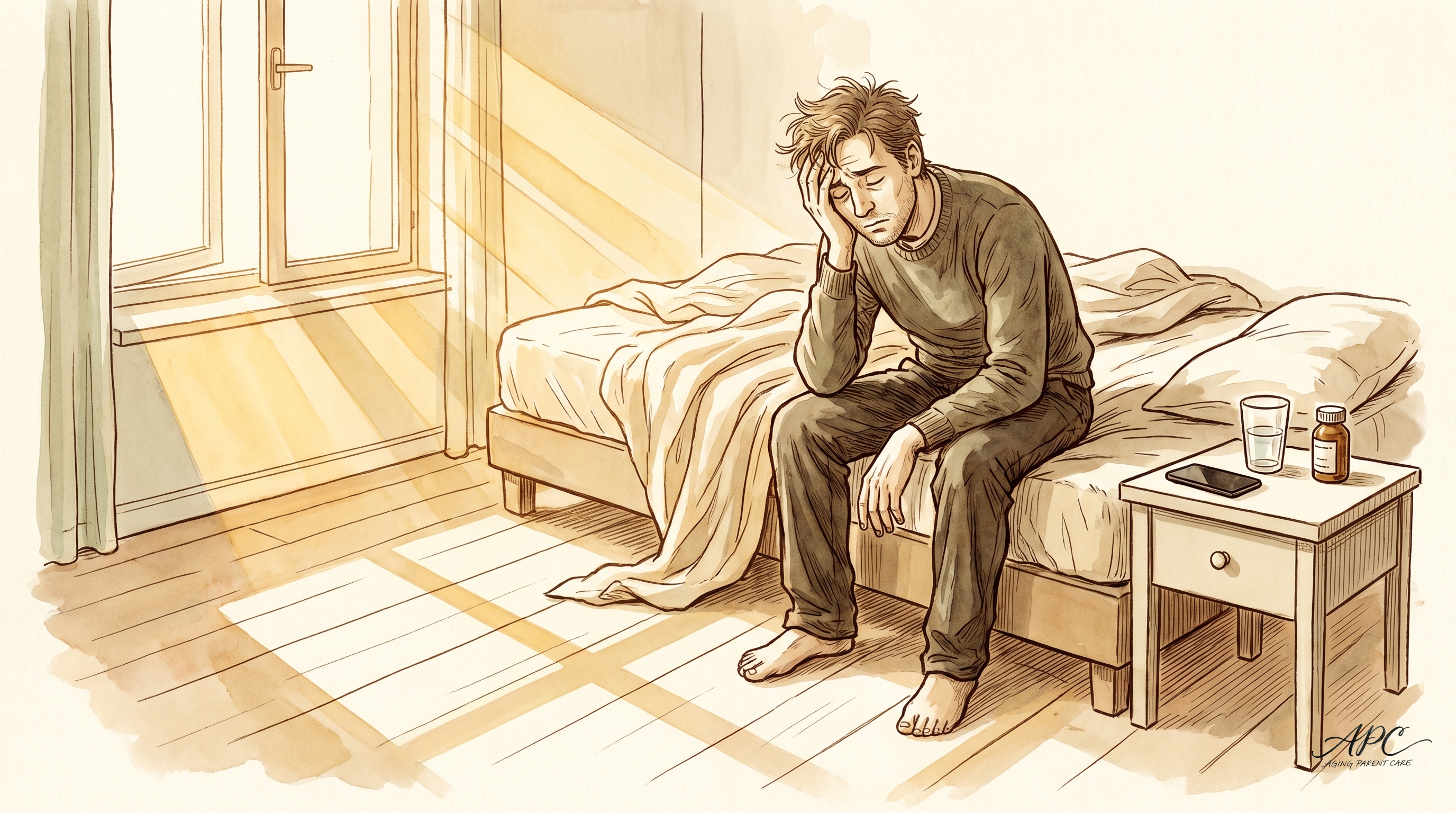
Let's dispense with the polite version. Caregiver burnout isn't a possibility. It's a near-certainty.
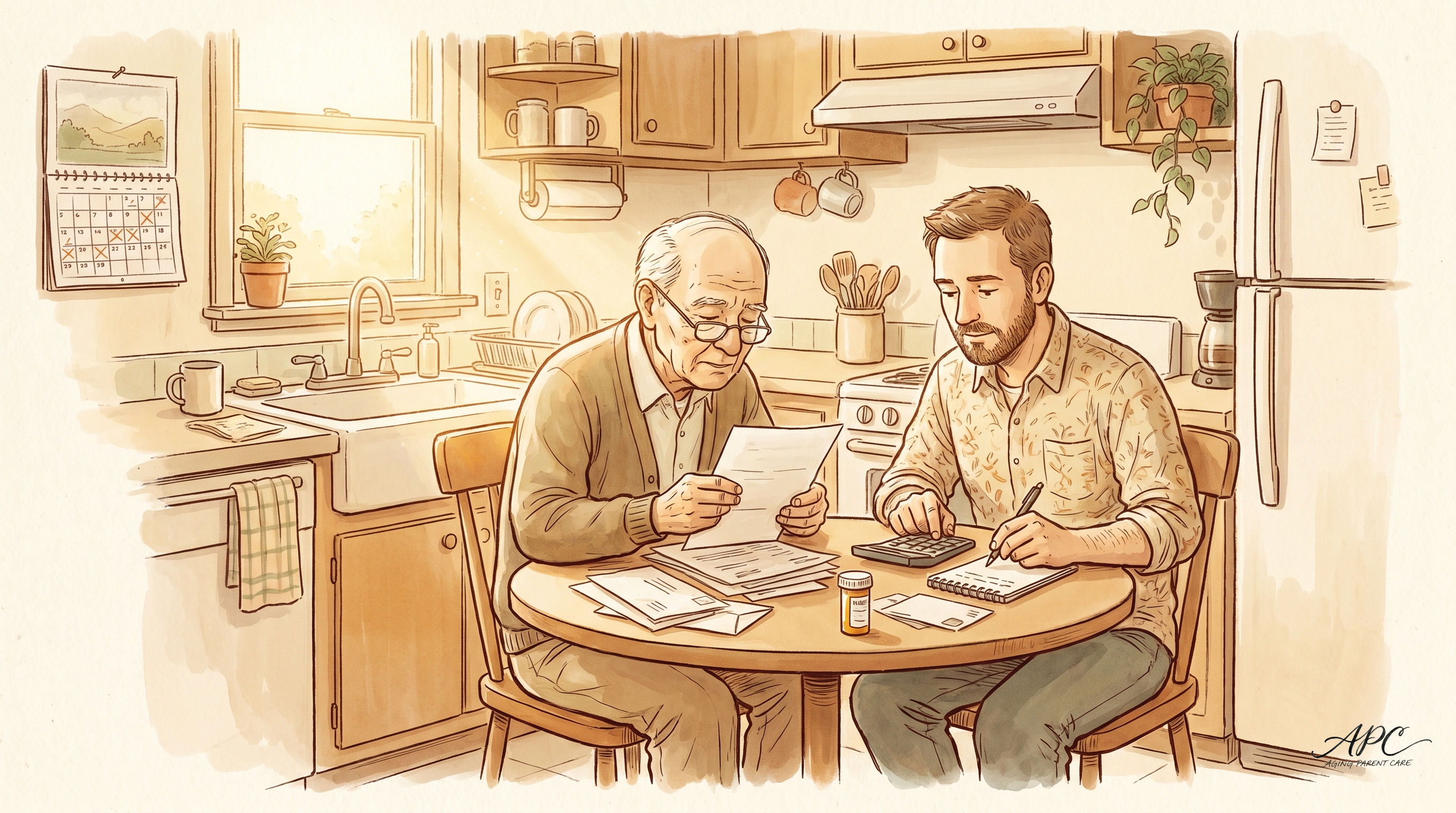
A Place for Mom's 2025 survey data puts the number at 78 percent: more than three out of four family caregivers report burnout. Eighty-seven percent report significant stress and anxiety. Forty to 70 percent show symptoms consistent with clinical depression. And 43 percent are doing it alone. No sibling, no aide, no backup of any kind.
Those are the numbers of a population already in crisis. If you're providing regular care for an aging parent, the only real question is whether you'll recognize burnout when it arrives.
Here are the five signs.
Sign 1: Your sleep has changed, and you've stopped noticing.
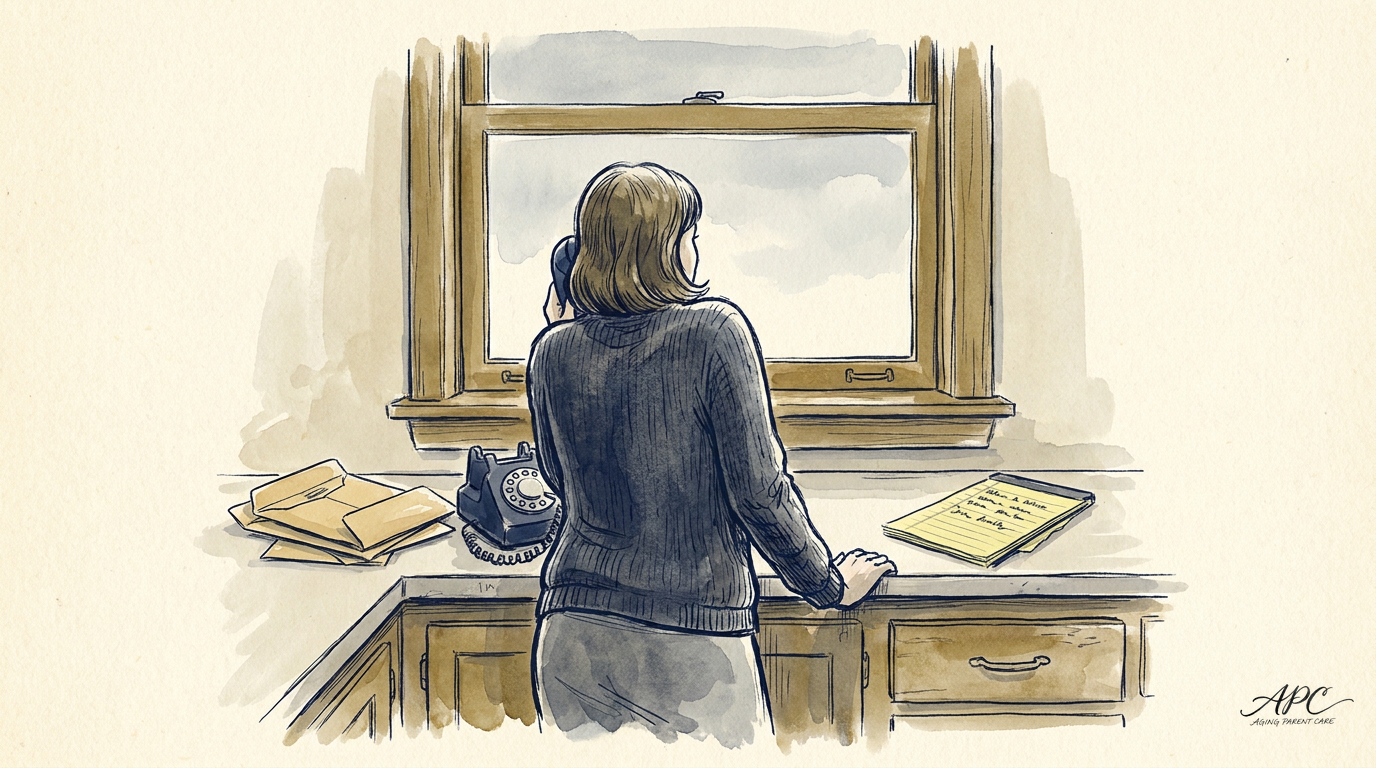
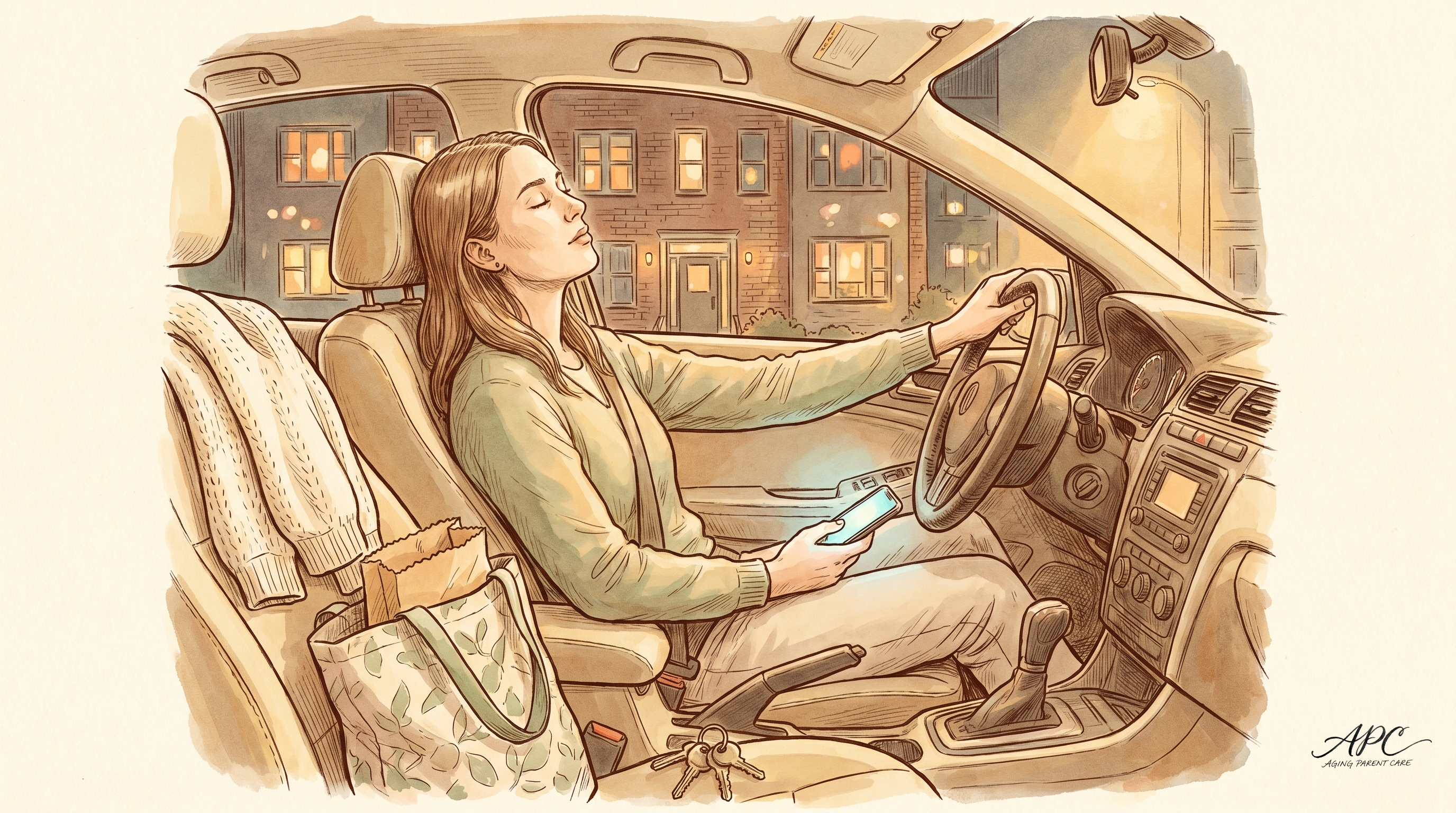
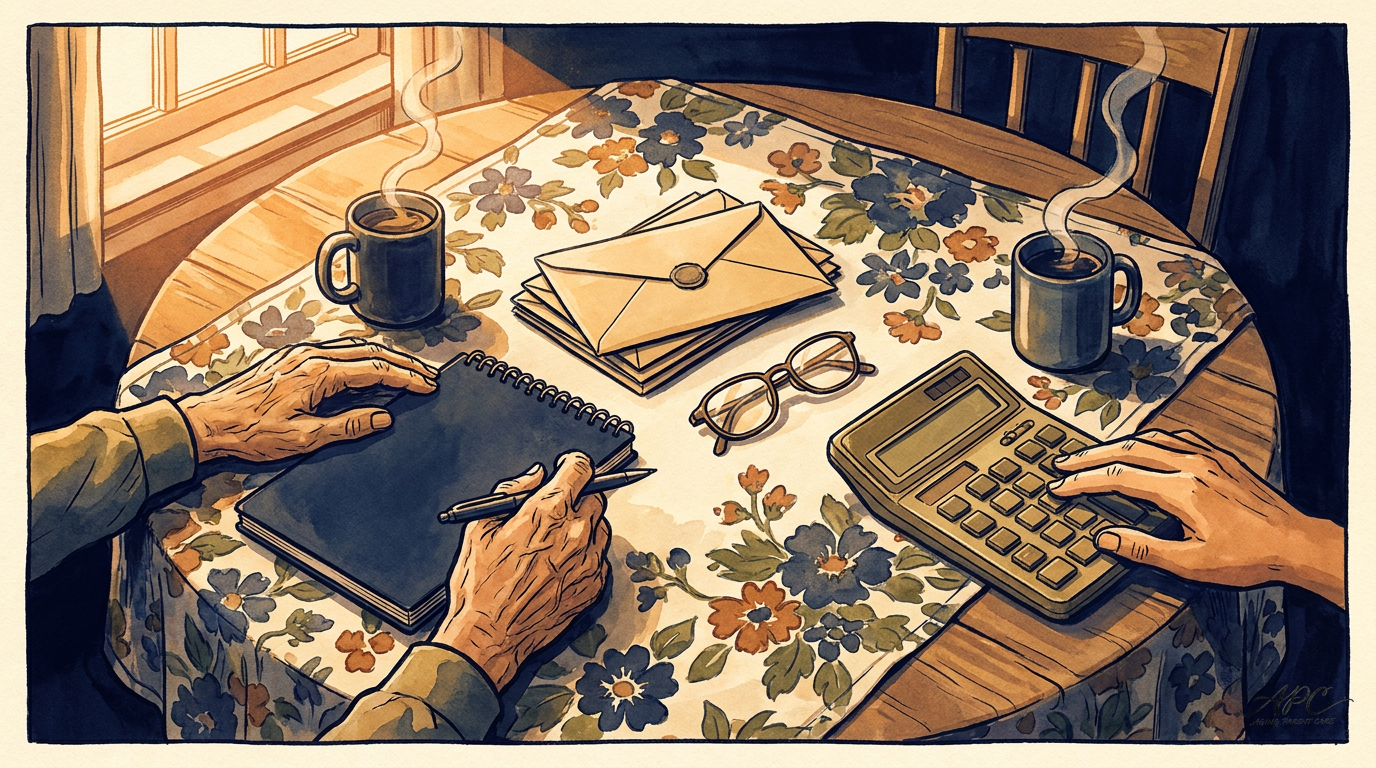
This is usually the first thing to go. Not because you're worried (though you are), but because the logistics of care have colonized your nights. Your father calls at 2 a.m. because he thinks someone is in the house. Your mother needs help getting to the bathroom at 4. Or nobody calls, but you lie awake running calculations: the cost of the aide, the doctor's appointment on Thursday, whether the prescription has been refilled.
After enough weeks of broken sleep, something shifts. You stop registering it as a problem. You drink more coffee. You feel foggy by noon and tell yourself that's just how things are now. Sleep deprivation becomes your baseline. Does that sound like you? A 2022 study in the Journal of the American Geriatrics Society found that family caregivers average 5.7 hours of sleep per night, well below the seven-to-nine-hour minimum recommended for adults. Chronic sleep deprivation impairs your immune function, increases cardiovascular risk, and degrades the very cognitive abilities (patience, judgment, the capacity to stay calm at 3 a.m.) you need most as a caregiver.
Sign 2: You've dropped the things that used to keep you well.
The gym membership. The Thursday night dinner with friends. The weekend hike. The book club. The morning walk. These were the infrastructure of your mental health, and they're gone now because there's no time, or because you feel guilty taking time for yourself when your parent can't take care of themselves.
Here's the cruelest arithmetic of caregiving: the activities that would protect you from burnout are the first ones sacrificed to the demands that cause it. A 2023 study from the National Alliance for Caregiving found that 53 percent of caregivers report reduced time for their own health and wellness. Your body keeps a ledger of those withdrawals, even when you stop looking at it.
Sign 3: You feel resentment toward the person you're caring for.
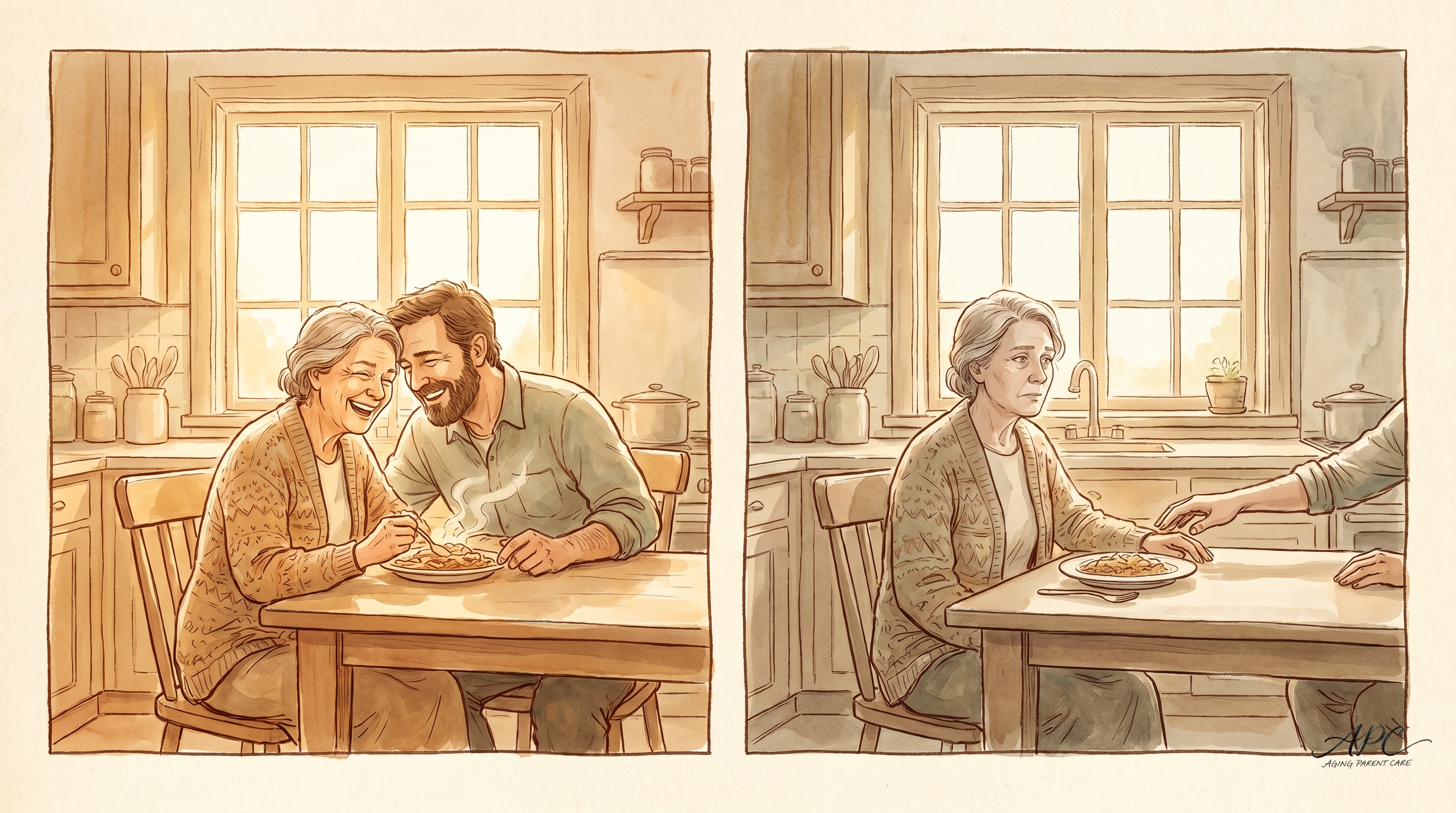
This is the sign people are most ashamed to admit. You love your mother. You chose to help her. But there are moments (when she refuses to take her medication, when she asks the same question for the twelfth time, when she criticizes the meal you spent thirty minutes making) when what you feel is rage. Or something colder than rage: a flat, exhausted resentment that you didn't ask for this life.
The shame of that feeling is almost worse than the feeling itself. But resentment in caregiving is a signal, not a moral failure. It means you've been giving more than you have, for longer than you should have, without enough support. Think of it as the emotional equivalent of a check-engine light. You can feel guilty about it, or you can treat it as information.
Sign 4: You're getting sick more often.
This isn't metaphorical. Caregiving is a physiological stressor. Research from Ohio State University found that caregivers of spouses with dementia had significantly impaired immune response, including slower wound healing and weaker antibody production after vaccination. A six-year longitudinal study published in JAMA found that elderly spousal caregivers who reported emotional strain had a 63 percent higher mortality risk than non-caregiving controls.
So ask yourself: have you had more colds this year than usual? Is a minor injury taking longer to heal? Are you getting headaches or stomachaches that have no other explanation? Your body is telling you what your schedule won't: you're running a deficit.
Sign 5: You can't imagine the future.
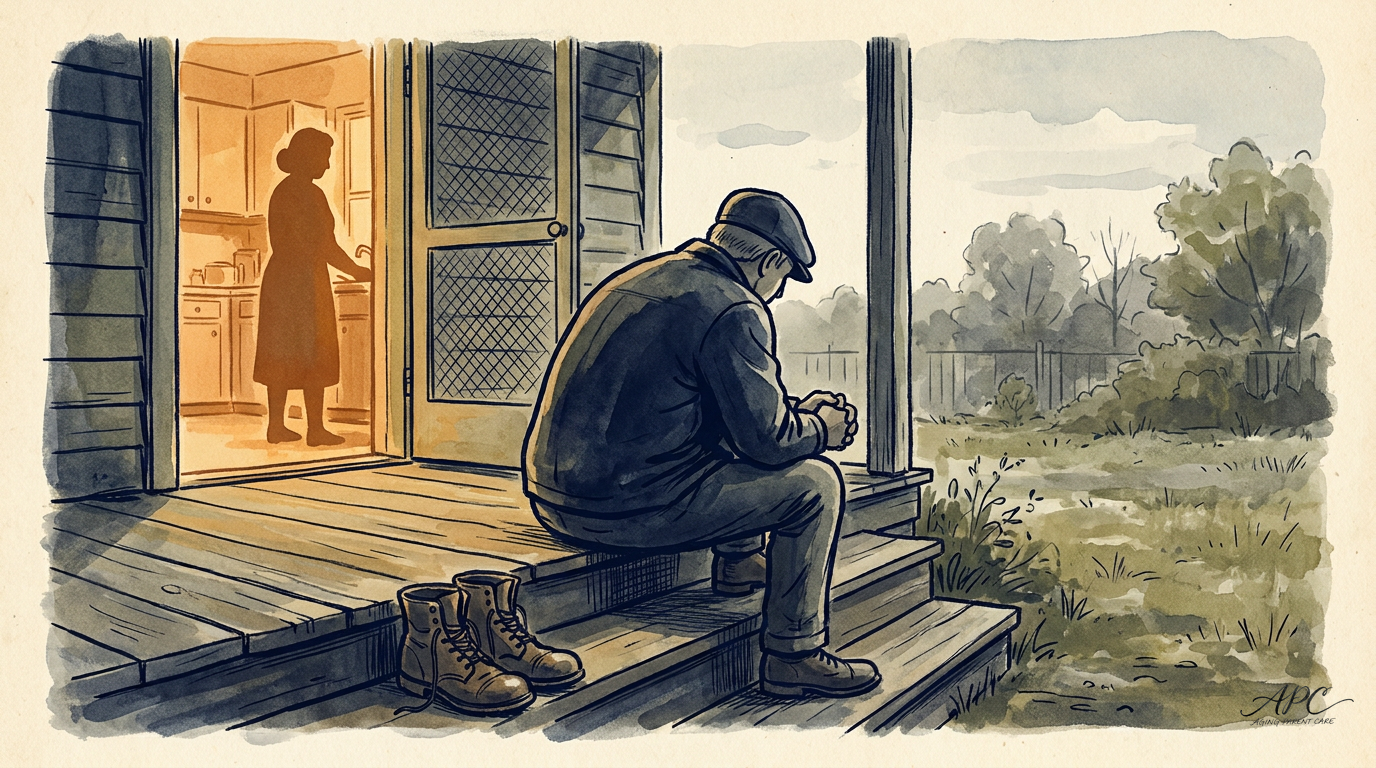
Healthy people, even stressed ones, can usually picture next month, next season, next year. They have plans, even loose ones. When burnout reaches a certain depth, that capacity disappears. The future collapses to today and tomorrow. You can't think past the next appointment, the next medication refill, the next meal. When someone asks about vacation or retirement or anything beyond the immediate, the question feels absurd, like being asked about the weather on Mars.
Clinicians call it temporal compression, and it overlaps with depression: the shrinking of your horizon to the demands directly in front of you. And it's a late-stage sign. If you're here, you need help now. Not next month.
Three things to do today. Not eventually. Today.
First, call the Eldercare Locator at 1-800-677-1116. This is a free federal service that connects you to local respite care, adult day programs, and caregiver support services in your area. Even four hours a week of respite (someone else sitting with your parent while you leave the house) can interrupt the cycle.
Second, see your own doctor. Not for your parent. For you. Tell them you're a family caregiver and you're struggling. Ask for a depression screening. Ask for a sleep assessment. If you haven't had a physical exam in more than a year, schedule one. You've been so focused on your parent's medical needs that your own have been sliding. Don't wait until something breaks.
Third, tell one person the truth. Not the version where you're handling it. The real version. A sibling, a friend, a therapist, anyone. The isolation of caregiving is its most dangerous feature, because it convinces you that what you're experiencing is normal and that asking for help is weakness. It's neither.
Seventy-eight percent is a statistic about you. For most caregivers, the burnout is already here. The only question is what you do next.
Sources
- A Place for Mom. Caregiver Burnout Statistics: 2025 Survey.
- Family Caregiver Alliance. Caregiver Health. National Center on Caregiving.
- National Alliance for Caregiving. Caregiving in the U.S. 2023.
- Kiecolt-Glaser JK, et al. Cellular Immune Impairment in Dementia Caregivers. J Am Geriatr Soc, 2002.
- Schulz R, Beach SR. Caregiving as a Risk Factor for Mortality. JAMA, 1999.
- U.S. Administration for Community Living. Eldercare Locator. 1-800-677-1116.
© 2026 Aging Parent Care. All rights reserved. No portion of this article may be reproduced, distributed, or used in any form without the explicit written permission of Aging Parent Care.
Make Your Business Online By The Best No—Code & No—Plugin Solution In The Market.
30 Day Money-Back Guarantee
Say goodbye to your low online sales rate!