78% of Caregivers Report Burnout. Here's What Nobody Tells You About the Other 22%.
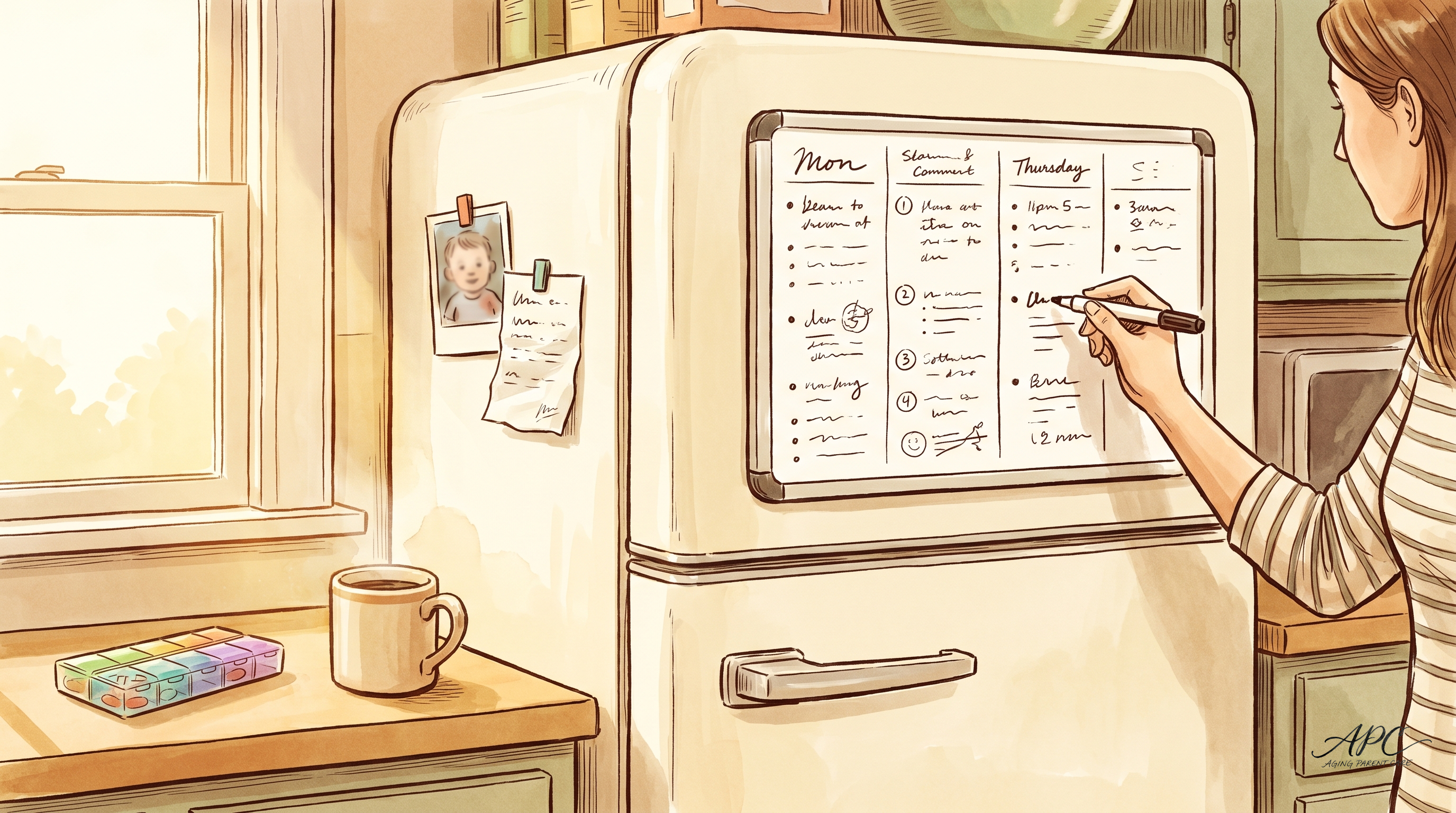
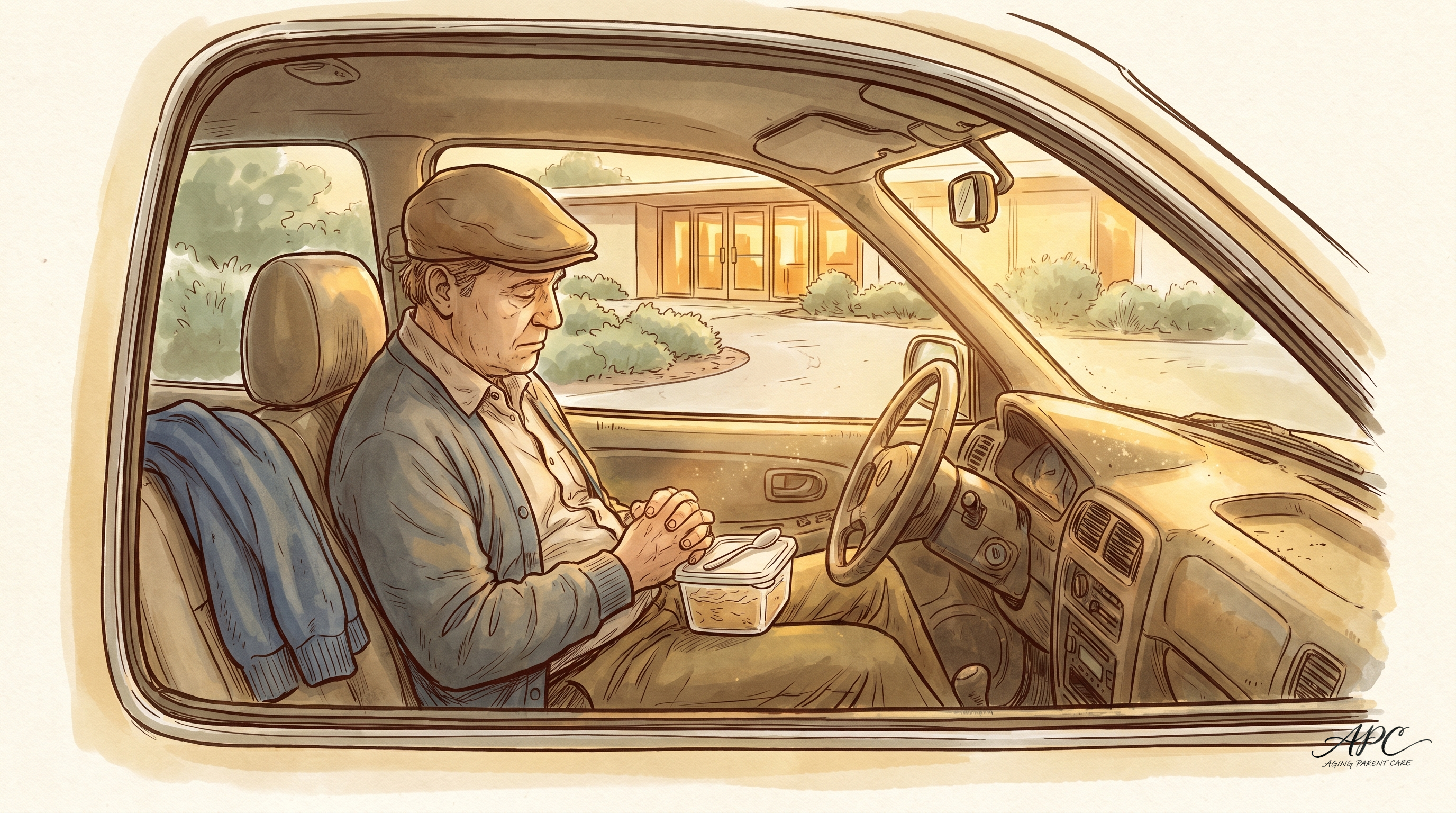
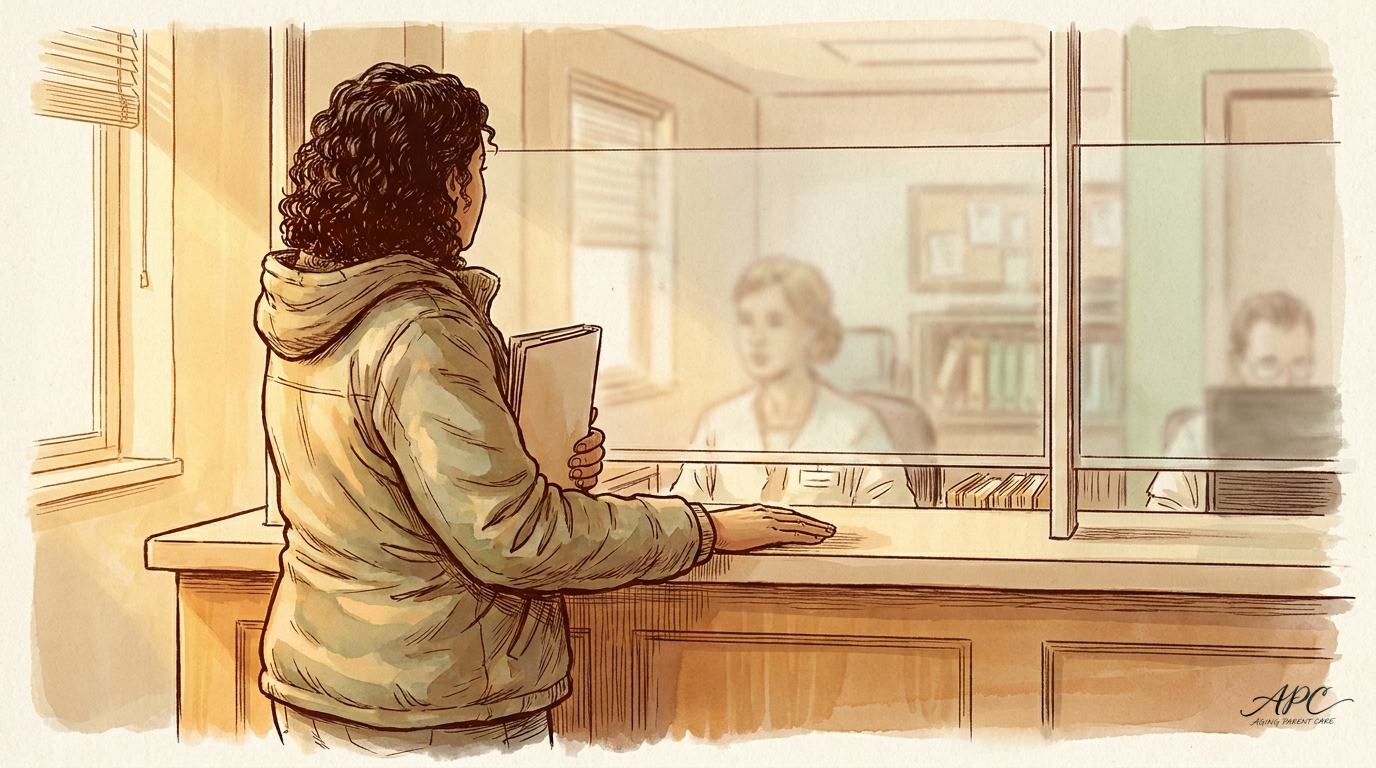
Margaret Chen was a high school principal. She managed sixty-two staff and fourteen hundred students. When her mother's Parkinson's progressed, she did what she always did. She handled it. By the end of the first year, something had changed.
Margaret had lost fourteen pounds. She'd stopped calling her friends. Her assistant principal had started fielding parent meetings she used to run herself.
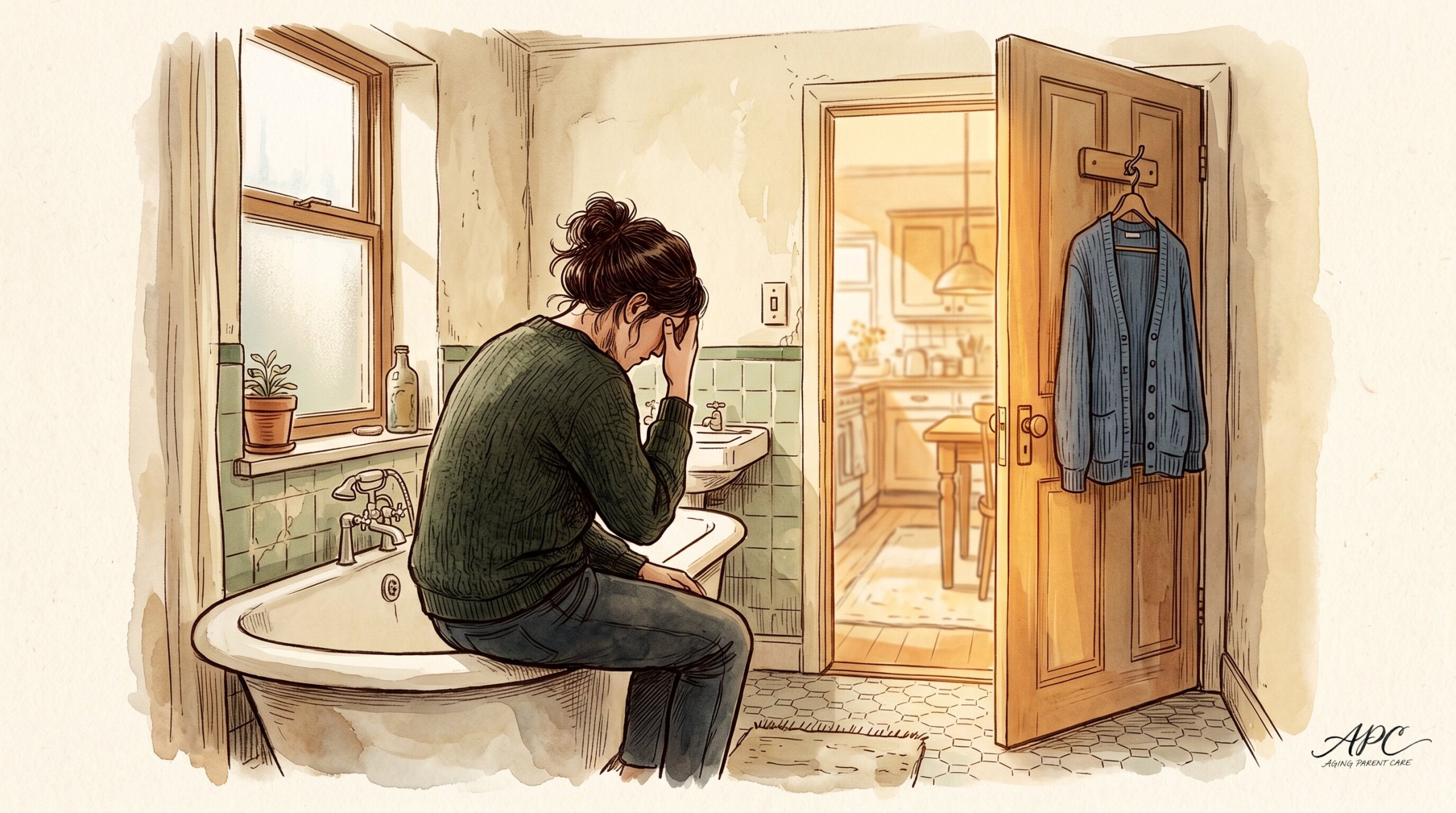
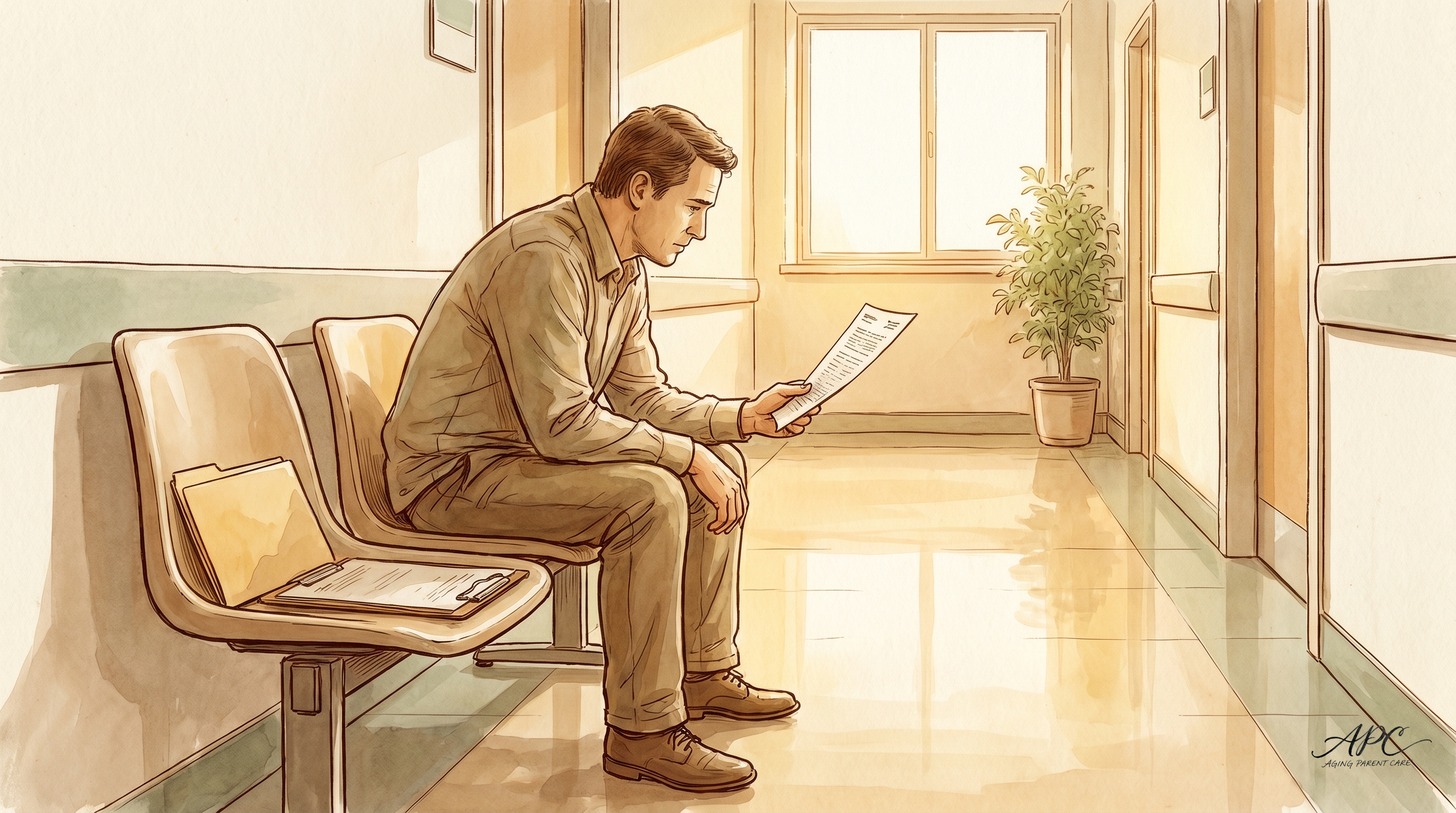
"I thought I was tired. Tired is a thing you fix with sleep. This was something else."
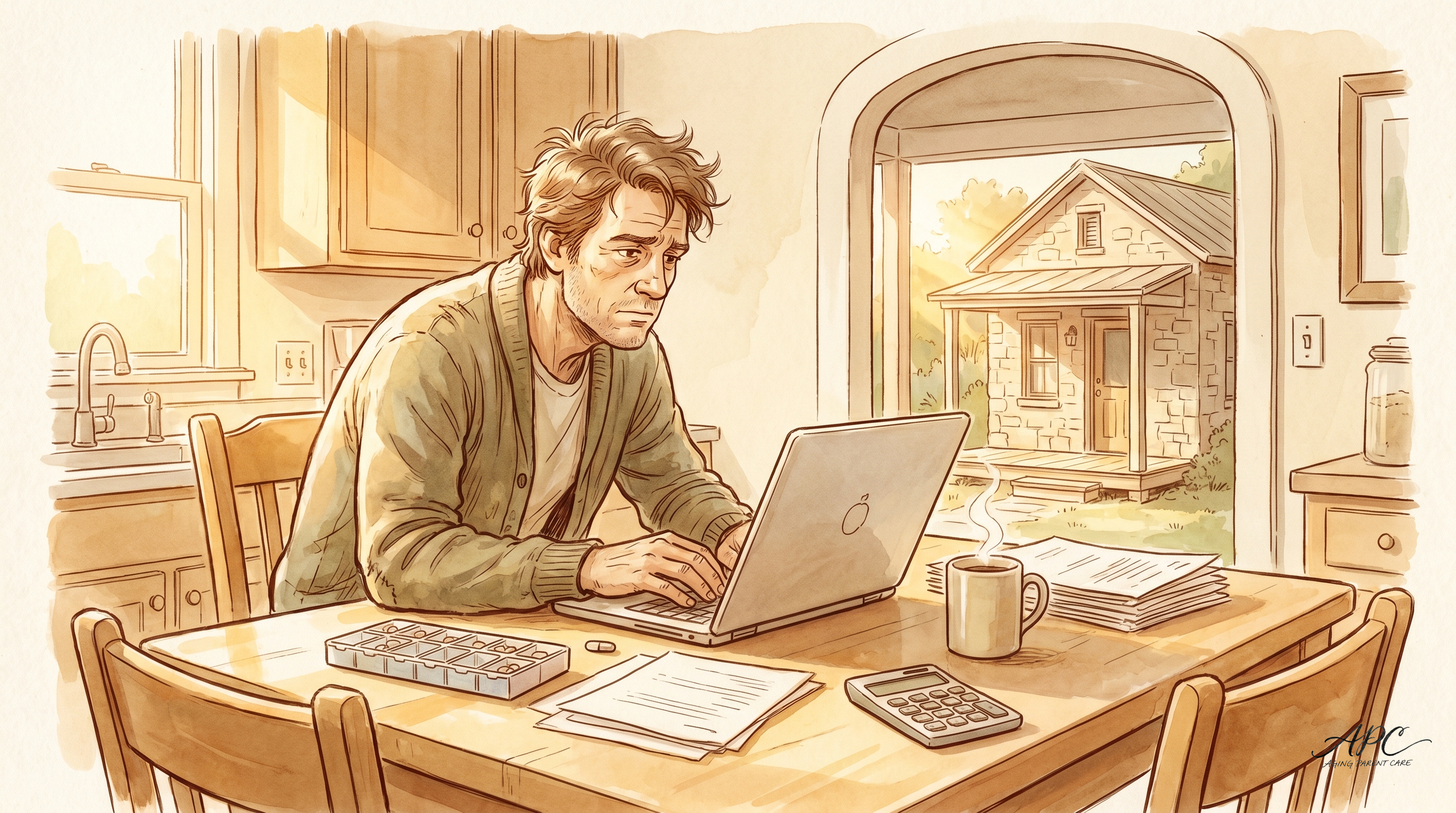
What Margaret was describing has a clinical name. It's burnout, and it's not the same as exhaustion. Exhaustion is a resource problem. Burnout is a systems problem. The demands on you have exceeded not just your energy but your ability to believe that the energy would matter if you had it.
So what's the difference, really? Exhaustion says "I need a break." Burnout says "a break won't fix this."
The Scale of It
78% of family caregivers report burnout symptoms. 87% report significant stress. The country runs on roughly one trillion dollars in unpaid family care every year.
But the number that stopped me was a different one. 22% of caregivers don't report burnout. The research doesn't support that they have easier situations, more money, or less complex medical needs. They're doing something different.
Three Patterns
A decision filter. A single sheet of paper listing the five or six situations that came up most often, with what to do about each one. If Mom refuses her medication, here's what you try first. If she falls and isn't injured, here are the steps. Every decision you remove from the crisis moment is one less fracture point in your day.
A boundary. Not a wellness-culture boundary. A structural one. One thing they wouldn't do, defined in advance. David Reeves in Scottsdale kept his phone on silent between eleven at night and six in the morning. His mother's facility had the number for true emergencies only. It was a rule. Rules are easier to keep than decisions are to make.
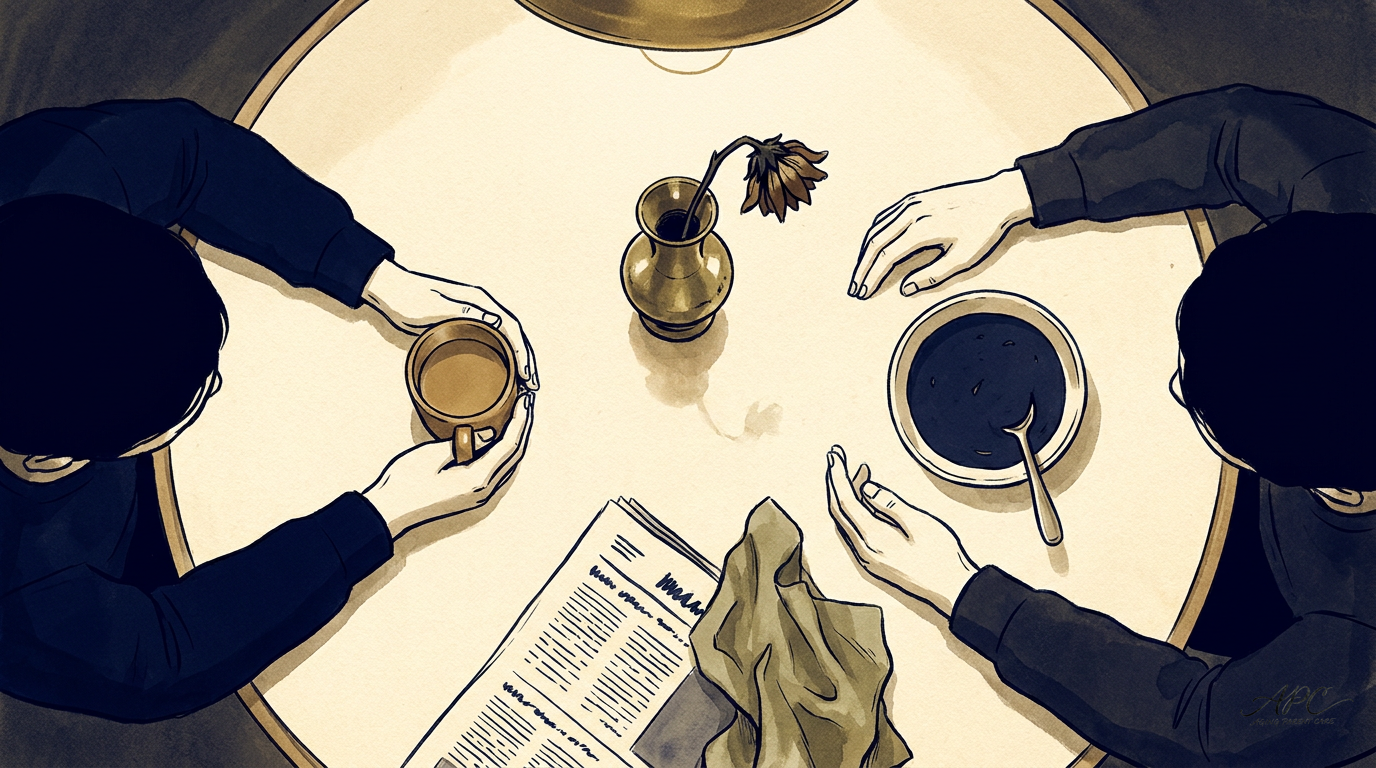
A person. Not a therapist, though several had those too. A single other human being who understood the specific texture of what they were going through. The conversations were often short. Ten minutes. Sometimes just a text thread where someone wrote "today was bad" and someone else wrote "yeah."
What Margaret Did
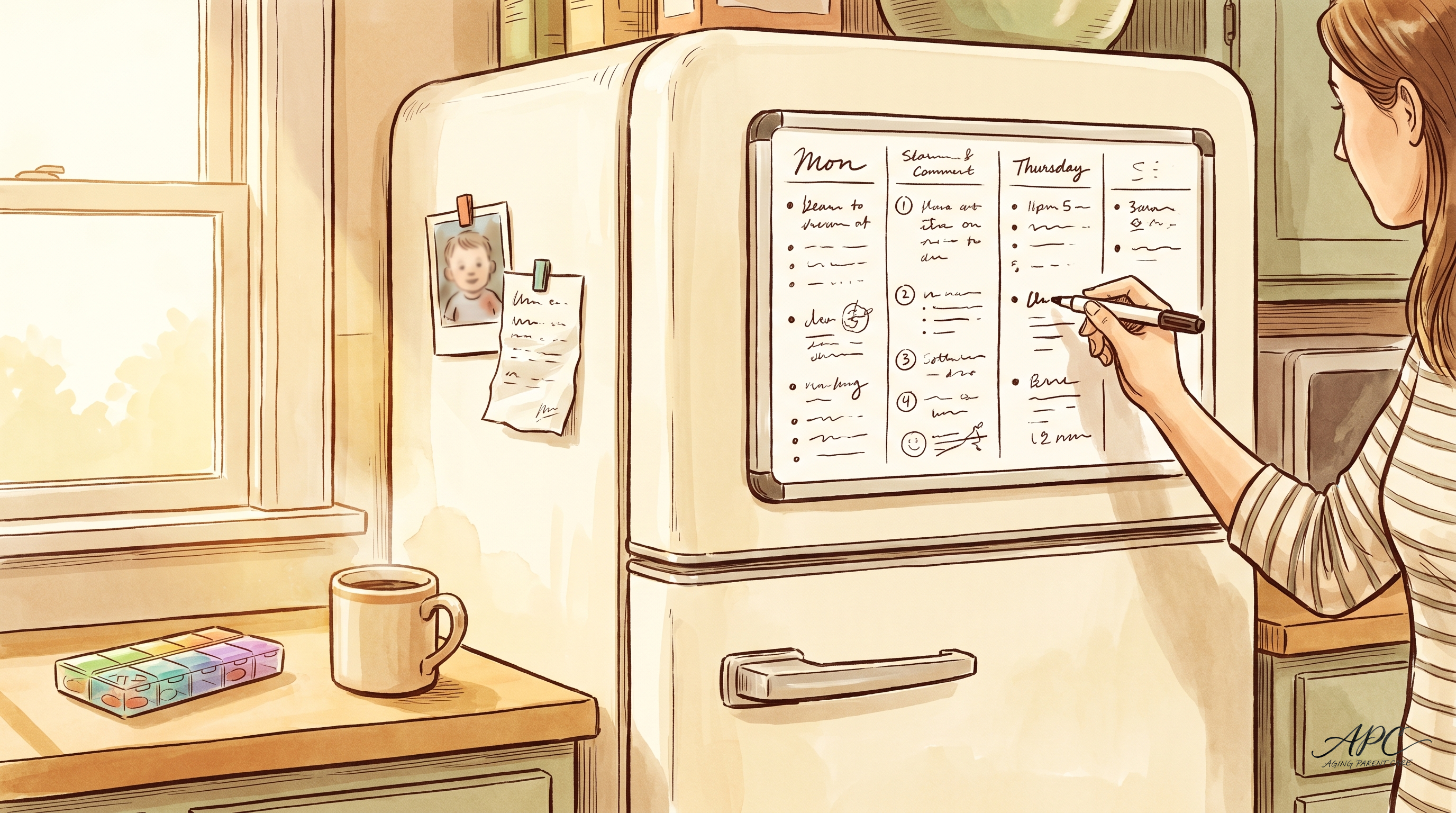
Margaret bought a whiteboard, wrote down the six most common problems that derailed her weeks, and next to each one she wrote a protocol. She told her brother James that she needed him to take their mother every other weekend, and she presented it not as a request but as a schedule. And she found another principal whose father had Lewy body dementia, and they started having lunch on Thursdays.
"I kept waiting to feel better. What I actually needed was to stop making the same forty decisions every week. Once I did that, the feeling better part just sort of happened on its own."
The Part That Is Hard to Say
24.3% of caregivers are also raising minor children. 44% of them describe the emotional difficulty as serious. Not stressful. Not hard. Serious.
If that's you, these three things matter more, not less. You don't have the margin to power through. There are people in your house who need you to still be standing at the end of this.
The country has offloaded a trillion dollars of care onto families and offered, in return, a pamphlet about self-care. You can't fix that. You didn't cause it.
But you can build something small around yourself. A decision filter. A boundary. A person. Pick one. The smallest one. That's enough for this week.
Sources:
1. A Place for Mom - 2026 Caregiver Burnout Statistics
Sources
- National Alliance for Caregiving & AARP. Caregiving in the U.S. 2025. caregiving.org
- Family Caregiver Alliance. Caregiver Statistics: Demographics. caregiver.org
- Family Caregiver Alliance. Caregiver Statistics: Health, Technology, and Caregiving Resources. caregiver.org
- Family Caregiver Alliance. Women and Caregiving: Facts and Figures. caregiver.org
- Alzheimer's Association. 2025 Alzheimer's Disease Facts and Figures. alz.org
- Alzheimer's Association. Caregiver Stress. alz.org
© 2026 Aging Parent Care. All rights reserved. No portion of this article may be reproduced, distributed, or used in any form without the explicit written permission of Aging Parent Care.
Make Your Business Online By The Best No—Code & No—Plugin Solution In The Market.
30 Day Money-Back Guarantee
Say goodbye to your low online sales rate!