
A Power of Attorney Is Not Optional. It Is the First Document Every Family Needs.
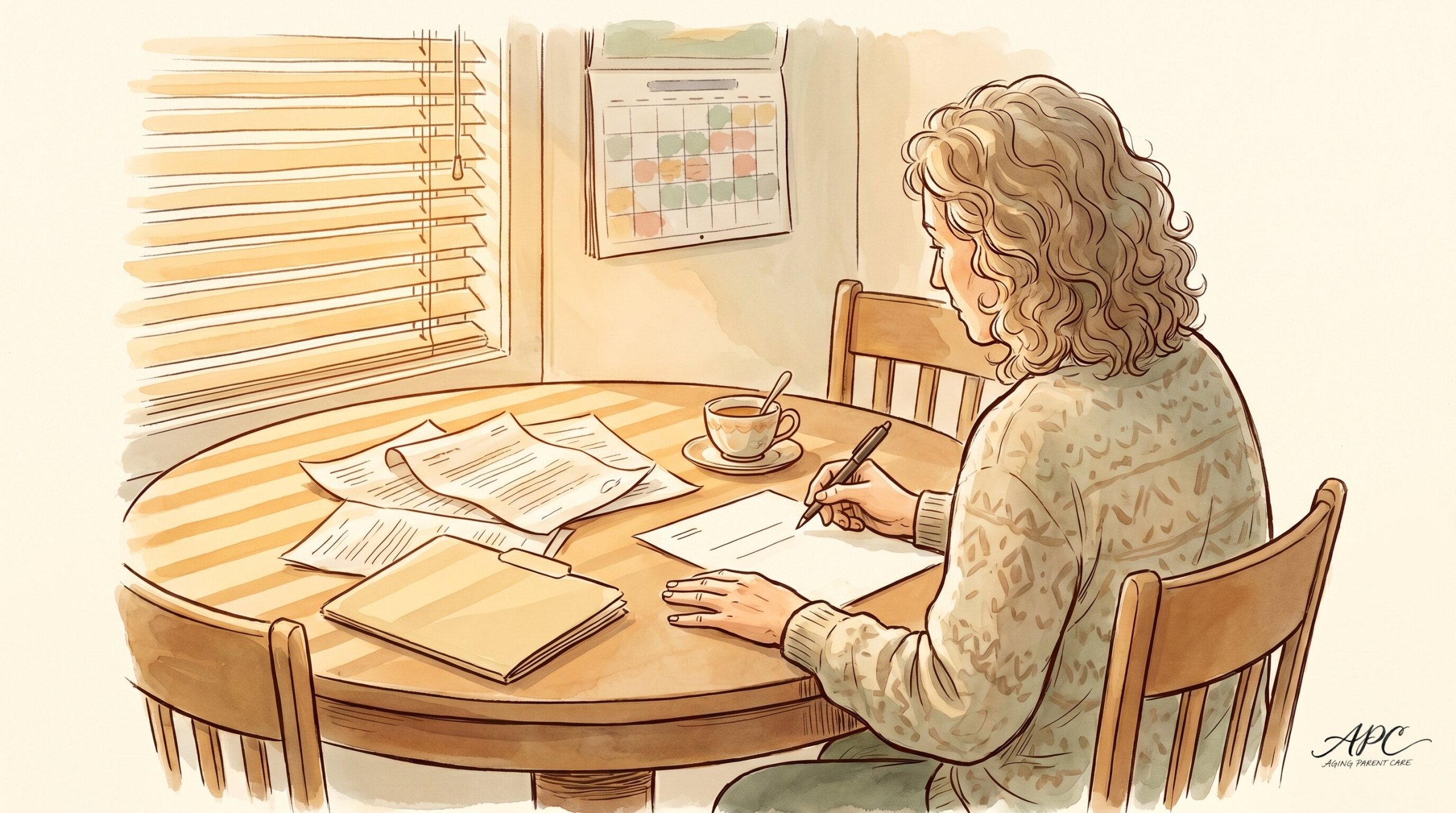
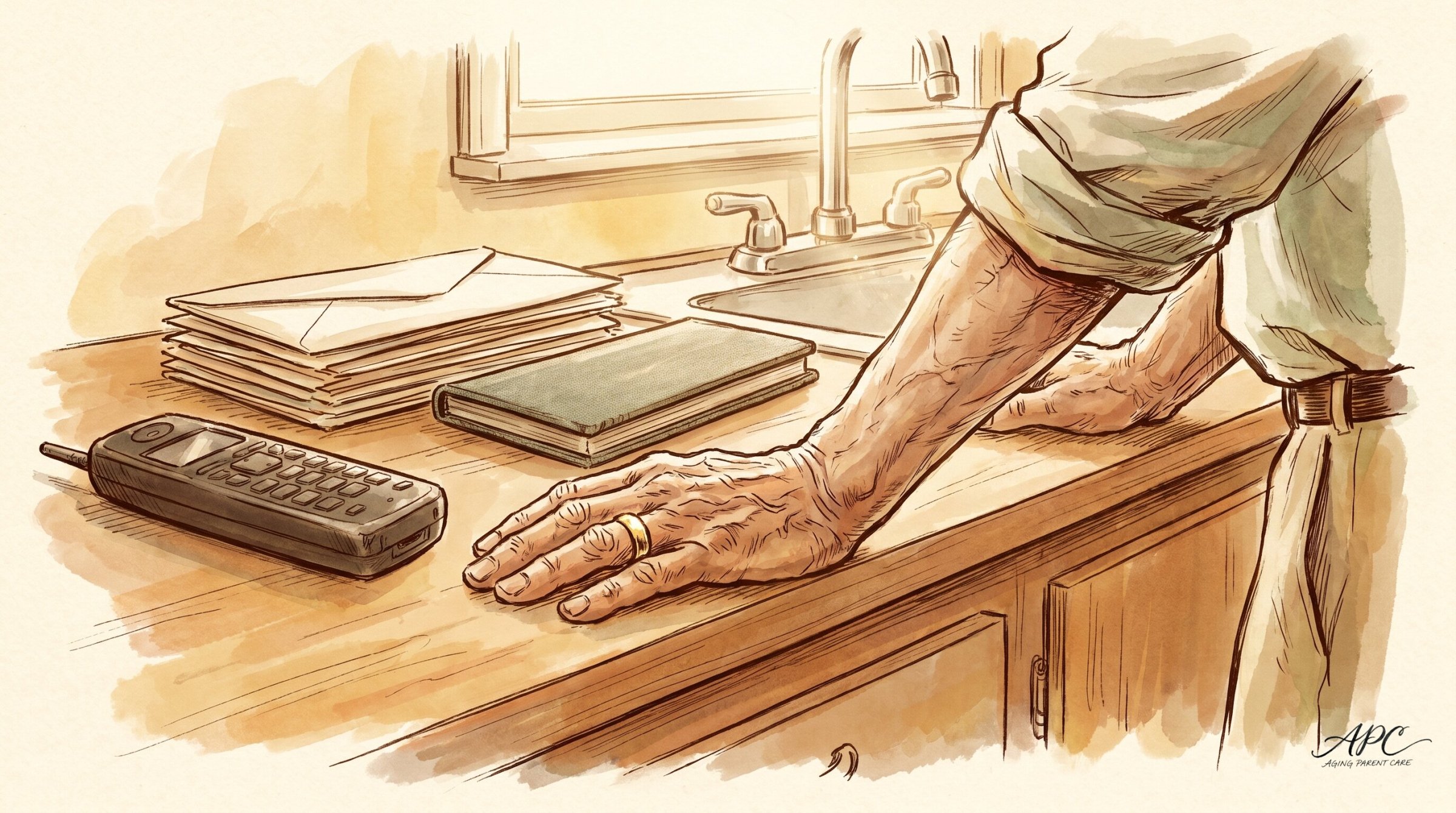
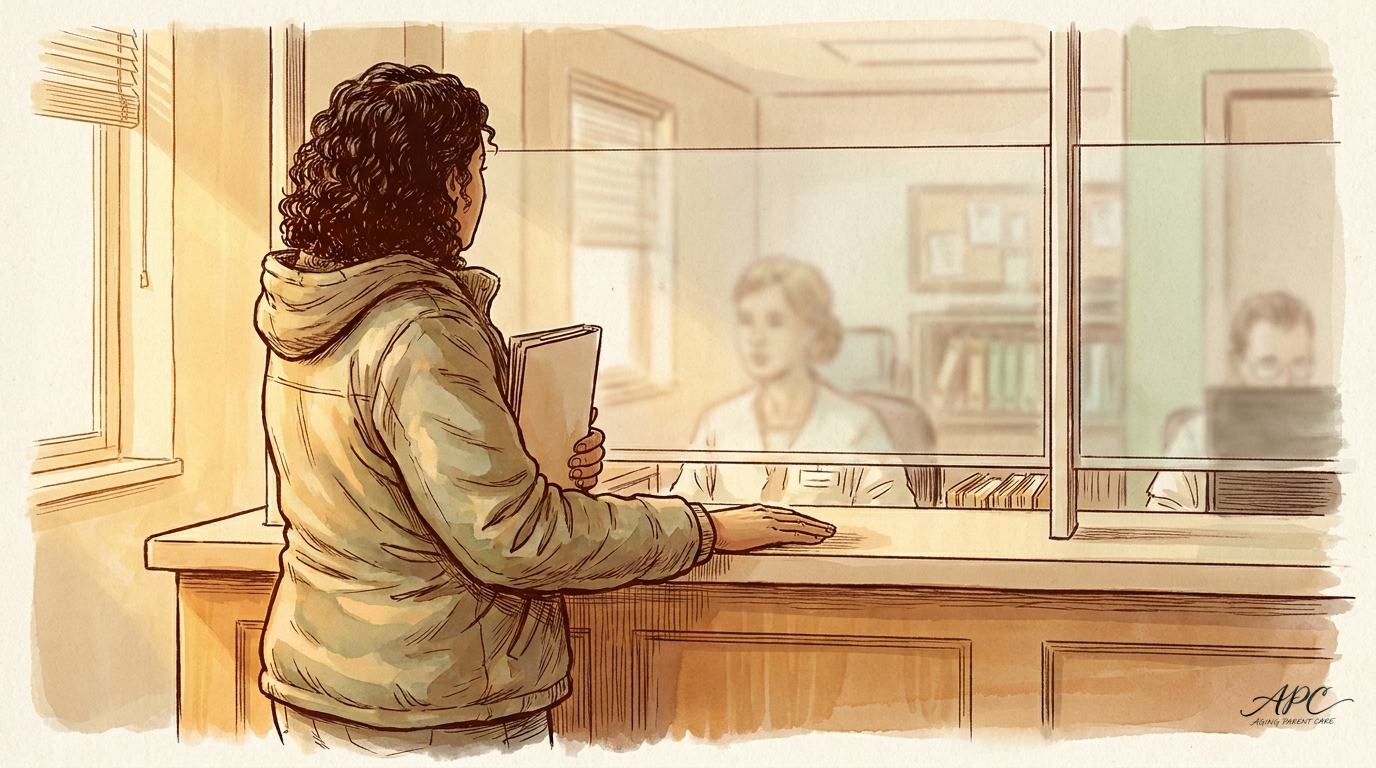
Marcus Reyes found the paperwork three days after his mother's stroke. He sat in her kitchen in Tucson, sorting through a drawer of old utility bills and birthday cards, looking for something that would let him talk to her doctors, access her bank account, or make decisions about her rehab facility. He found nothing. No power of attorney. No advance directive. No signed document of any kind.
Her doctors couldn't discuss her treatment plan with him. Her mortgage company wouldn't accept his phone calls. And when Marcus tried to pay her electric bill from her checking account, the bank told him he had no legal authority to touch it. His mother was alive, conscious some of the time, but unable to sign legal documents. The window had closed.
What followed cost Marcus $12,000 in legal fees and five months in probate court to obtain guardianship, a process that required a judge to declare his own mother legally incapacitated. A power of attorney, signed six months earlier, would have cost $200 and taken an afternoon.
What a Power of Attorney Actually Does
A power of attorney is a legal document that lets one person (the "principal") authorize another person (the "agent") to act on their behalf. That's it. It's not a dramatic step. It's not "giving up control." The person who signs it keeps every right they had before, as long as they're mentally competent. The agent only steps in when needed.
There are two types most families need to know about:
Durable Financial Power of Attorney covers money, property, bills, taxes, insurance, and legal matters. The word "durable" matters. It means the document stays valid even after the principal becomes incapacitated. Without that word, the authority disappears exactly when you need it most.
Healthcare Power of Attorney (sometimes called a healthcare proxy) lets the agent make medical decisions when the principal can't speak for themselves. This is separate from a living will, which states preferences about end-of-life treatment. You need both.
Most attorneys recommend signing both documents at the same time. Some states combine them; others require separate forms. Either way, the conversation is one conversation, and the signing is one appointment.

What Happens Without One
Here's what most people don't realize: marriage doesn't give you legal authority over your spouse's finances or medical care. Not in nearly every state. Being someone's adult child doesn't either. Without a signed POA, you're a stranger to banks, hospitals, and insurance companies, no matter how close you are to the person in the bed.
Only 33.4% of Americans have designated a healthcare power of attorney, according to research published in Health Affairs. A separate poll from the University of Michigan and AARP found that 54% of adults between 50 and 80 haven't completed a durable power of attorney of any kind. And broadly, just 24% of Americans have even a basic will, let alone supporting documents.
So what happens when someone becomes incapacitated without these documents? The family goes to court. A judge appoints a guardian. The process takes months and costs between $4,000 and $10,000 for an uncontested case, and $15,000 or more if anyone objects. During that time, bills go unpaid, medical decisions get delayed, and families burn through savings on legal fees that were completely avoidable.
And once a court determines someone lacks mental capacity, it's too late. They can no longer sign a power of attorney. Guardianship becomes the only path.
The Myths That Keep Families Stuck
"We'll deal with it when we need to." This is the most common thing families say, and it contains a built-in contradiction. By the time you need it, you can't get it. A POA requires the signer to be mentally competent. A stroke, a fall, a sudden diagnosis of dementia: any of these can close the window in a single afternoon. There's no grace period.
"My parent would never agree to sign something like that." Most resistance comes from misunderstanding. Many older adults think signing a POA means handing over control right now. It doesn't. They keep full authority over everything until (and unless) they can't exercise it themselves. The agent is a backup, not a replacement.
"We're married, so I'm already covered." You're not. Spouses don't automatically have power of attorney in nearly any state. Without a signed document, a husband can't access his wife's retirement account, and a wife can't authorize surgery for her husband. The law doesn't care about the wedding ring.
"It's too expensive." An attorney-drafted POA costs between $100 and $300. Compare that to the $4,000 minimum for guardianship. Even free options exist: many state bar associations offer POA forms, and over 35 states now accept electronically signed documents, making the process faster than ever.
How to Get It Done This Month
Choose the agents. Pick one person for financial decisions and one for healthcare (they can be the same person). Name alternates for both. Choose someone who'll follow through, not just someone who won't be offended by being asked.
Decide between an attorney and a DIY form. For straightforward situations, state-specific forms from your bar association or legal aid society work fine. For blended families, significant assets, or property in multiple states, spend the $200 on an attorney. It's a few hours of their time.
Know your state's requirements. Most states follow the Uniform Power of Attorney Act, but requirements vary. Florida, for example, requires two witnesses plus notarization. Some states need the document notarized; others just need witnesses. Get this wrong and the document may not hold up when you need it.
Store it where people can find it. A POA locked in a safe deposit box that nobody else can access is almost as useless as no POA at all. Give copies to the named agents, the family attorney, and the primary care physician (for the healthcare version). Keep the original in a fireproof safe at home, and tell at least two people where it is.
Review it every three to five years. Laws change. Relationships change. The person you named as agent ten years ago might not be the right choice today. Pull the documents out, read them, and update if needed.
The Real Cost of Waiting
Every elder law attorney has a version of Marcus Reyes's story. A family that meant to get around to it. A parent who was "still doing fine." And then a Tuesday afternoon that changed everything, and the family discovered that love, good intentions, and a lifetime of closeness don't give you the legal right to help.
A power of attorney takes one conversation and one appointment. It costs less than a car payment. And it's the single document that stands between your family and a bureaucratic crisis at the worst possible moment. Have you had that conversation yet?
Sources
- Cherewka Law. "Do Spouses Automatically Have Power of Attorney?" 2025.
- Yadav KN et al. "Approximately One In Three US Adults Completes Any Type Of Advance Directive For End-Of-Life Care." Health Affairs, 2017.
- University of Michigan/AARP. "National Poll on Healthy Aging: Advance Care Planning." 2025.
- Caring.com. "2025 Wills and Estate Planning Survey." 2025.
- Pierce Law Group. "Costs and Timeline: Power of Attorney vs. Guardianship." 2025.
- Lifescape Law. "Who Makes Decisions If There Is No Power of Attorney?" 2025.
- AllSeniors.org. "New Senior Power of Attorney Laws for 2026." 2026.
- Uniform Law Commission. "Uniform Power of Attorney Act." 2026.
© 2026 Aging Parent Care. All rights reserved. No portion of this article may be reproduced, distributed, or used in any form without the explicit written permission of Aging Parent Care.
Make Your Business Online By The Best No—Code & No—Plugin Solution In The Market.
30 Day Money-Back Guarantee
Say goodbye to your low online sales rate!