


Assisted Living Costs $75,000 a Year. Here Is What You Actually Get for That Money.

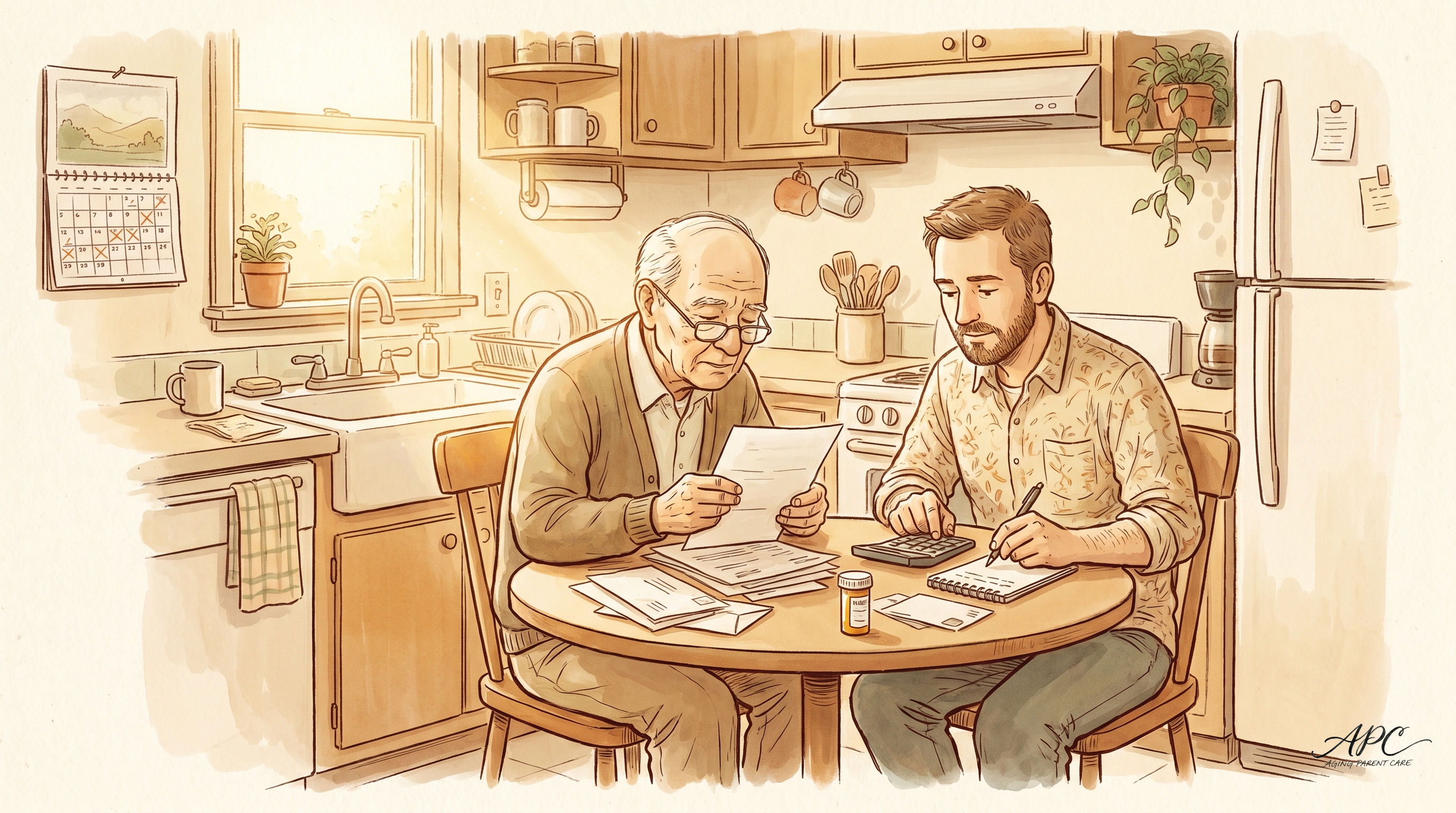
The first time Yolanda Marsh toured an assisted living facility for her father, she stood in the lobby and did the math in her head. The director had quoted $5,800 per month. That was $69,600 a year. Her father's Social Security check was $2,100. His pension was $1,400. The gap was $2,300 per month, or $27,600 a year, coming from savings that wouldn't last forever.
She looked at the dining room and the aide walking a resident down the hall. She thought: what am I actually buying here?
It's a fair question. Assisted living in the United States costs between $5,300 and $6,300 per month on average, depending on the source and the year. That's roughly $63,600 to $75,600 annually. Memory care adds another $1,000 to $2,000 per month on top of that. And costs vary wildly by geography: a basic unit in rural Alabama might run $4,100 a month, while a comparable room in the D.C. metro area can exceed $9,000.
Those numbers are large enough to demand specifics. So here's what the money actually buys.
Housing
The base cost covers a private or semi-private room, usually a studio or one-bedroom apartment. Most units include a small kitchenette, a bathroom (often with grab bars and a walk-in shower), a closet, and enough space for your parent's own furniture. Think of it as a small apartment in a building with built-in support.
Some places offer larger units or couples' apartments at higher price points. The physical space varies enormously from one facility to the next, which is one reason why touring multiple options matters. Don't settle for the first brochure.
Meals
Most places include three meals a day in a shared dining room, plus snacks whenever your parent wants them. The food? It ranges from cafeteria-grade to surprisingly good. When you visit, eat a meal there. That tells you more than any brochure will. Check the menu rotation. Ask whether they handle dietary restrictions or texture-modified diets.
If your parent has been skipping meals or losing weight at home, consistent nutrition is one of the most immediate benefits of assisted living. It's also one of the easiest to overlook.
Medication Management
Most facilities provide medication reminders or full medication management, meaning staff make sure your parent takes the right meds at the right times. This isn't skilled nursing, where an RN administers IVs or manages complex medical devices. But for a parent who's been missing doses or mixing up pills, the oversight is significant.
Some facilities charge separately for this. Ask.
Personal Care Assistance
Assisted living includes help with the basics: bathing, dressing, grooming, toileting, getting in and out of bed, and moving around. The level of help varies by resident. Someone who just needs a reminder to shower uses less staff time than someone who needs hands-on bathing assistance, and many facilities tier their pricing based on a care assessment.
That assessment (usually done before move-in and updated periodically) determines your parent's "level of care" surcharge. A mostly independent resident might pay just the base rate. A resident who needs help with multiple daily activities could pay $500 to $1,500 more per month.
Twenty-Four-Hour Staffing
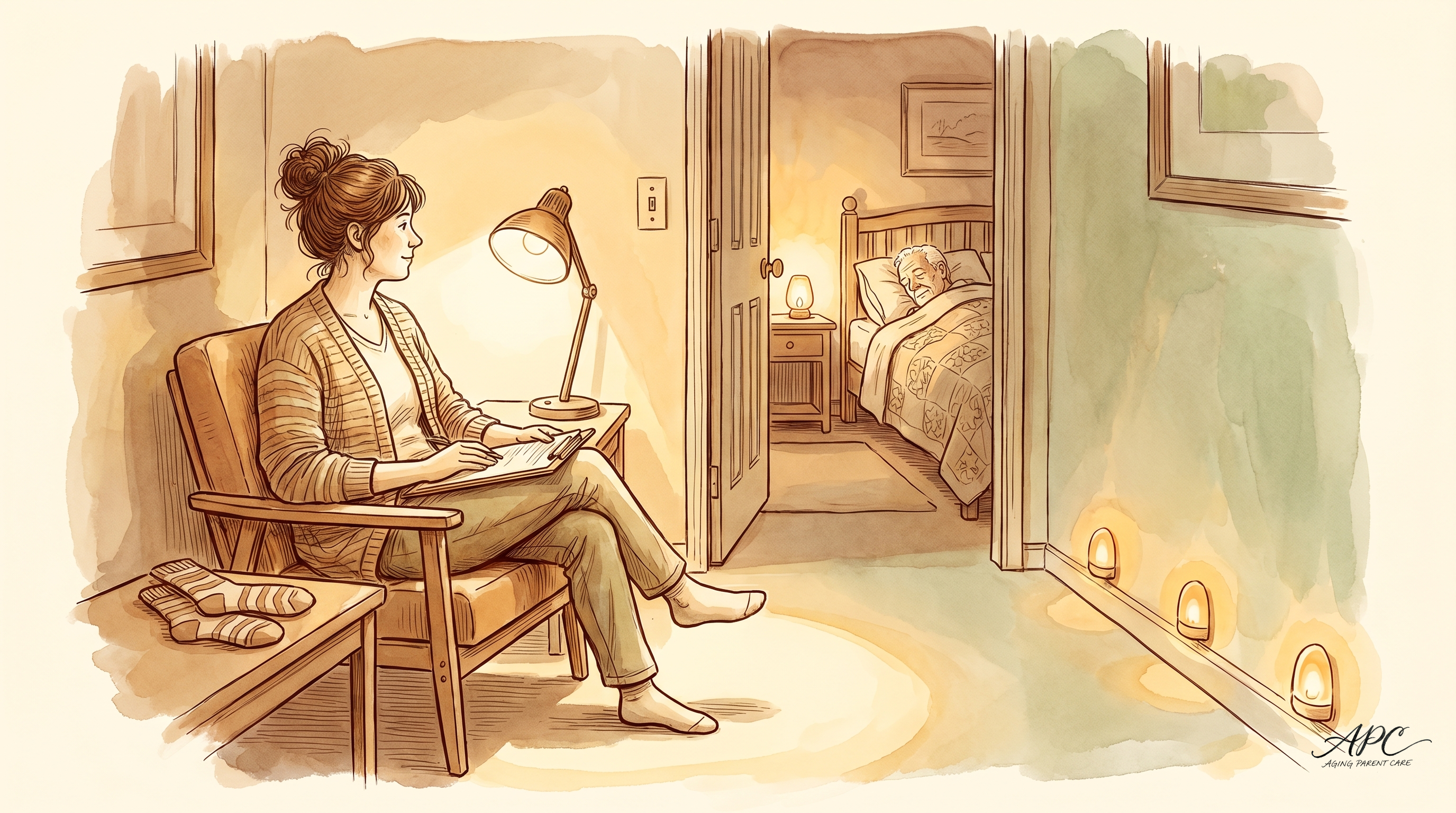
This is the line item that doesn't appear on the bill but drives much of the cost. Assisted living facilities keep staff around the clock: aides, nurses (often LPNs or medication aides), and sometimes an RN on call. Someone is always there. At 2 a.m., when your parent falls or gets confused or can't sleep, there's a person down the hall who responds.
If you've been managing overnight care at home (sleeping on a couch nearby, installing cameras and hoping for the best), 24-hour staffing is the single biggest shift in what daily life looks like. For you and for them.
Housekeeping and Laundry
Most facilities include weekly housekeeping and linen service. Some handle personal laundry; others charge extra or expect families to deal with it. It's a small line item, but for a parent who can no longer safely run a washing machine or keep their space clean, it removes a real source of risk. And dignity matters here too.
Social Programming and Activities
Facilities offer structured activities: exercise classes, game nights, music programs, outings, religious services, art sessions. The quality varies. Some places have full daily calendars. Others offer a handful of weekly activities that feel like afterthoughts.
Here's why this matters more than most families realize: social isolation is a documented health risk for older adults, tied to cognitive decline and depression. A facility with an active social program isn't just entertainment. It's a protective factor.
Transportation
Many facilities provide scheduled rides to medical appointments and community outings. If you've been the one constantly shuttling between doctors and pharmacies, you already know how much this is worth.
What the Money Doesn't Buy
Assisted living isn't skilled nursing. It doesn't include 24-hour RN care, IV medications, or complex wound care. If your parent's medical needs go beyond what assisted living can handle, a skilled nursing facility (roughly $9,000 to $10,000 a month or more) may be necessary.
And assisted living doesn't guarantee your parent can stay forever. If their care needs increase beyond what the facility is licensed to handle, they can require a move. Ask about discharge criteria before you sign anything.
How to Evaluate Whether It's Worth It
Try this: add up what you're currently spending (or should be spending) on your parent's care at home. Groceries and meal prep. Medication management. A home health aide. Transportation. Home maintenance. Your own lost wages or reduced hours. For many families, the gap between adequate home care and assisted living is smaller than they expect.
The harder calculation is the one you can't put a number on. The cost of your parent falling at 3 a.m. with no one there. The cost of malnutrition that goes unnoticed. The cost of isolation that speeds up decline.
Yolanda Marsh moved her father into that facility four months after the tour. The gap came from his savings and a small VA benefit, plus what she and her brother could contribute. She said the hardest part was admitting she couldn't keep doing it alone.
The $75,000 is real. So is what it replaces.
Sources
- Genworth Cost of Care Survey 2024: Assisted Living and Memory Care National Median Rates. Genworth Financial.
- Assisted Living: Facts and Figures, including average monthly rates by state and level of care surcharge ranges. American Health Care Association / National Center for Assisted Living (AHCA/NCAL).
- How Much Does Assisted Living Cost? State-by-state breakdowns including rural versus metro variation. AARP.
- National Health Expenditure Accounts: Skilled Nursing Facility and Long-Term Care Cost Data. Centers for Medicare and Medicaid Services (CMS).
- Social Isolation, Loneliness in Older People Pose Health Risks. National Institute on Aging, NIH.
- Loneliness and Social Isolation Linked to Serious Health Conditions Among Adults Aged 50 and Older. Centers for Disease Control and Prevention (CDC).
- Skilled Nursing Facility Costs and Coverage. Center for Medicare Advocacy.
© 2026 Aging Parent Care. All rights reserved. No portion of this article may be reproduced, distributed, or used in any form without the explicit written permission of Aging Parent Care.
Make Your Business Online By The Best No—Code & No—Plugin Solution In The Market.
30 Day Money-Back Guarantee
Say goodbye to your low online sales rate!