

Dementia Is Showing Up at 65 Now. Your Family Needs a Different Timeline.

A demographic marker changed everything for dementia research. In 2025, the data became unavoidable: the age of onset for Alzheimer's disease and related dementias has been shifting downward. Cases in the 65-to-74 age bracket are increasing at a rate the existing care infrastructure wasn't designed for.
Clinically, early-onset dementia means diagnosis before age 65. But what families are seeing now is different: a compression of the timeline you assumed you had. The parent who was supposed to have another decade of independence is showing signs at 67. The retirement plan that assumed full cognitive capacity until 75 is colliding with a reality that arrives at 68.
The implications are immediate and concrete (logistical, financial, legal, emotional) and they require a different kind of planning than most families have done.
What the Numbers Actually Show
The Alzheimer's Association reports that more than 7 million Americans aged 65 and older are living with Alzheimer's dementia in 2026. That number is projected to reach nearly 13 million by 2050. But the raw count is less important than the distribution: diagnoses among adults aged 65 to 74 are rising as a proportion of total cases, driven by improved screening and longer lifespans with chronic conditions. Researchers at the American Brain Foundation also point to increased awareness of cognitive symptoms that were previously dismissed as normal aging.
The practical effect: you're encountering dementia earlier in the caregiving experience than previous generations did. A 2026 AARP study found that the average age at which adult children first notice cognitive changes in a parent has dropped from the mid-70s a decade ago to the late 60s today. That's a full decade of planning window, gone.
The Warning Signs That Don't Look Like Dementia
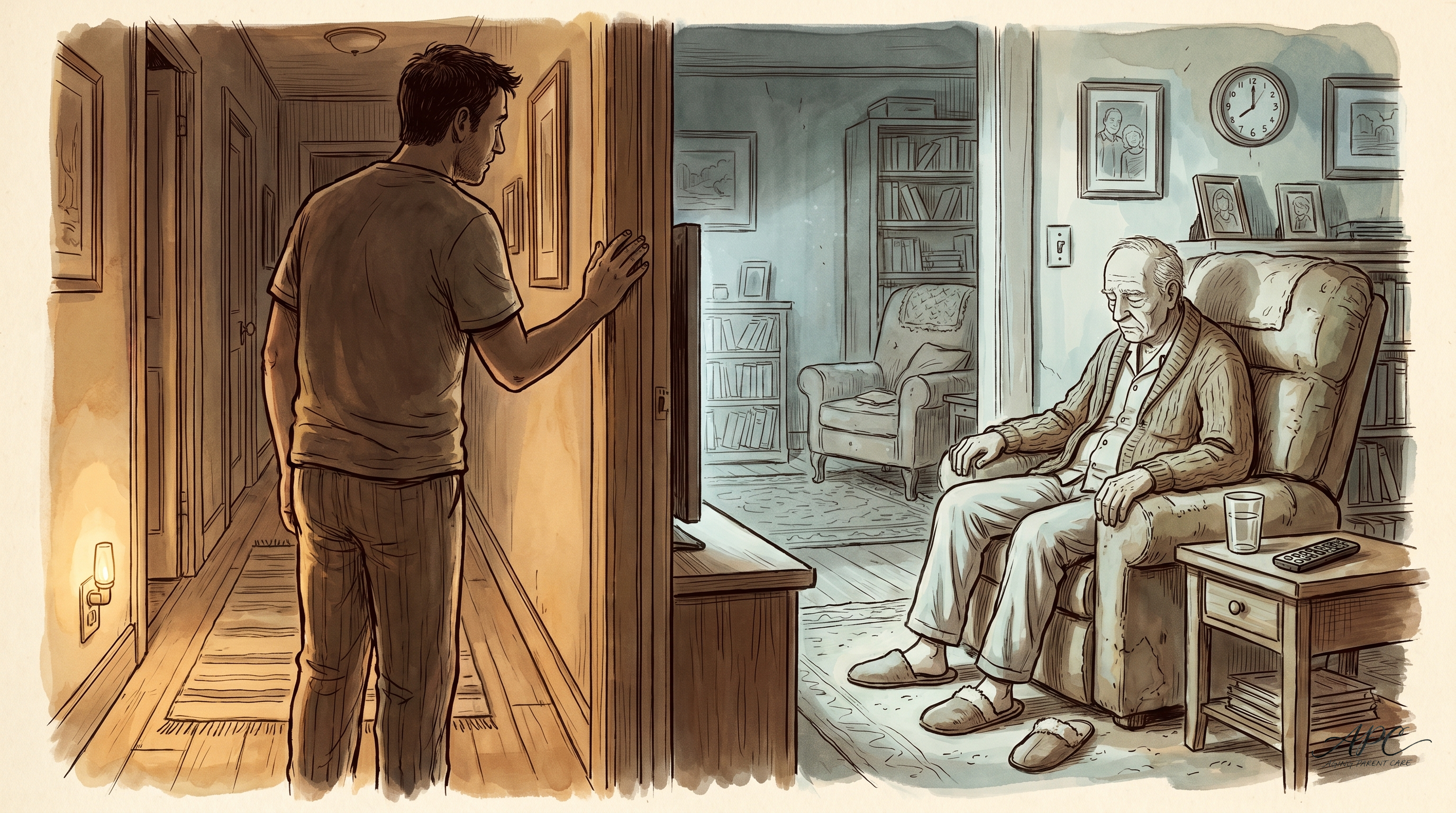
Most people picture dementia as a person who can't remember their own name. That picture is late-stage disease. Early-stage cognitive decline is subtle and ambiguous, which is exactly why families miss it.
The early signs include:
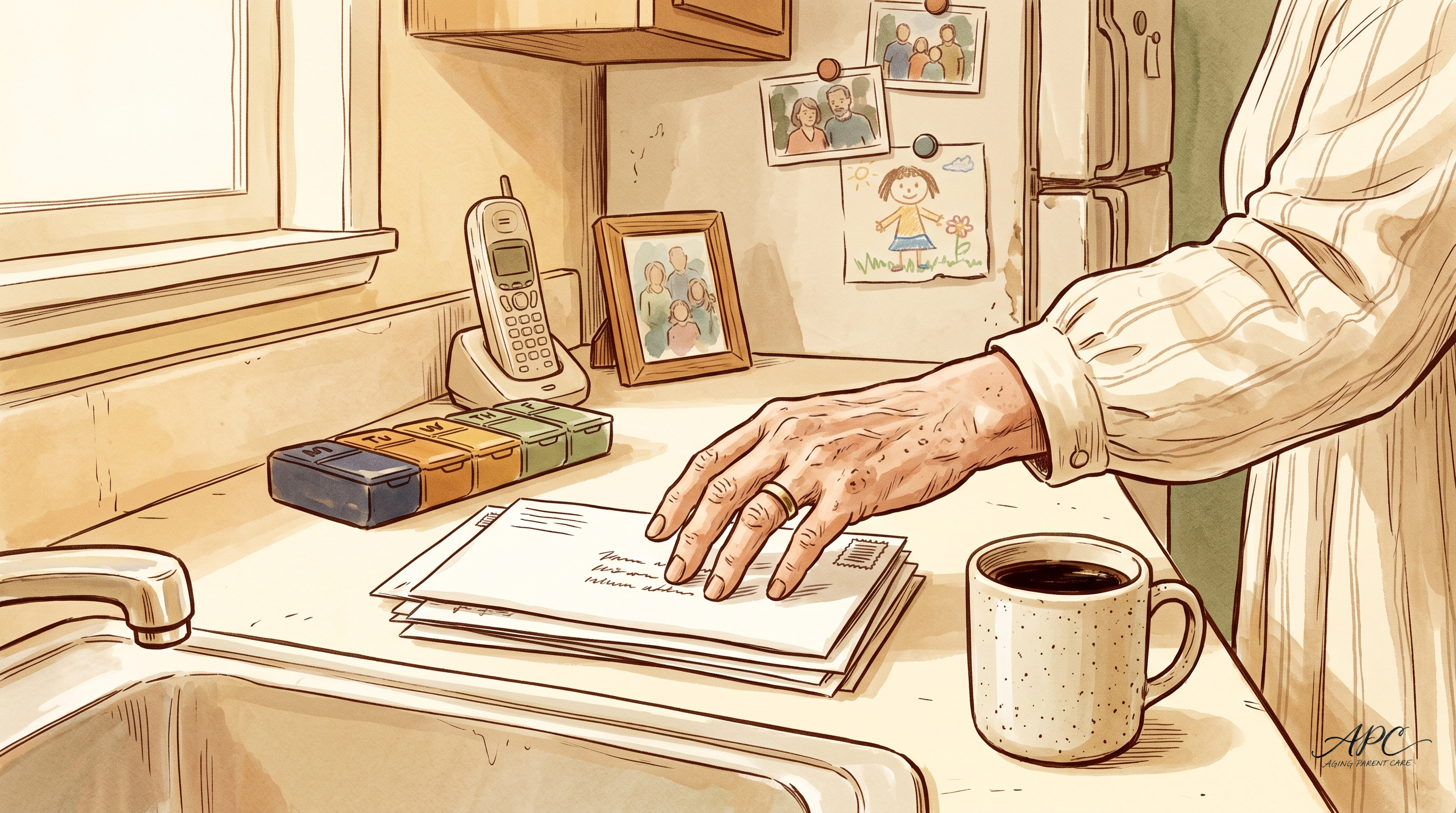
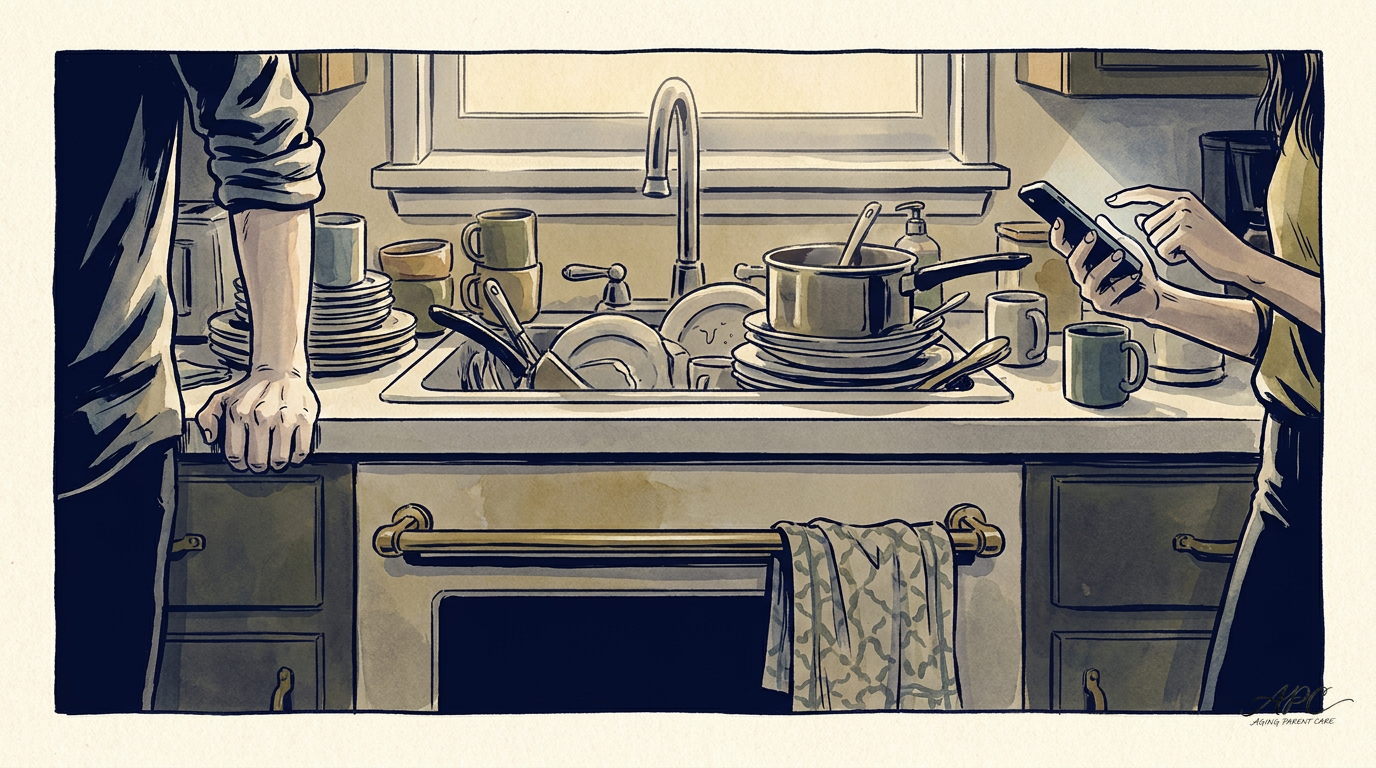
- Financial disorganization. Unpaid bills, unusual purchases, difficulty managing accounts that were previously handled without trouble. A National Institute on Aging study found that financial mismanagement is often the first detectable sign of cognitive decline, appearing an average of six years before a clinical diagnosis.
- Subtle personality changes. Increased irritability and uncharacteristic social withdrawal, or a sudden drop in interest in longtime hobbies. These shifts are frequently chalked up to depression or "just getting older" rather than investigated as potential cognitive symptoms.
- Navigation difficulties. Getting confused on familiar routes. Taking longer to complete routine errands. Hesitating at intersections that were previously navigated on autopilot.
- Word-finding trouble. Not forgetting names (everyone does that), but pausing mid-sentence to search for common words, substituting incorrect words without noticing, or losing the thread of a conversation more frequently than before.
- Declining ability to follow multi-step processes. Recipes that were made from memory now require the card. Tax preparation that was routine now produces errors. The television remote becomes confusing.
None of these, in isolation, is diagnostic. Together, they form a pattern. The pattern is what matters.
Document Before You Diagnose
Here's the single most useful thing you can do if you suspect early cognitive changes in a parent: start writing things down.
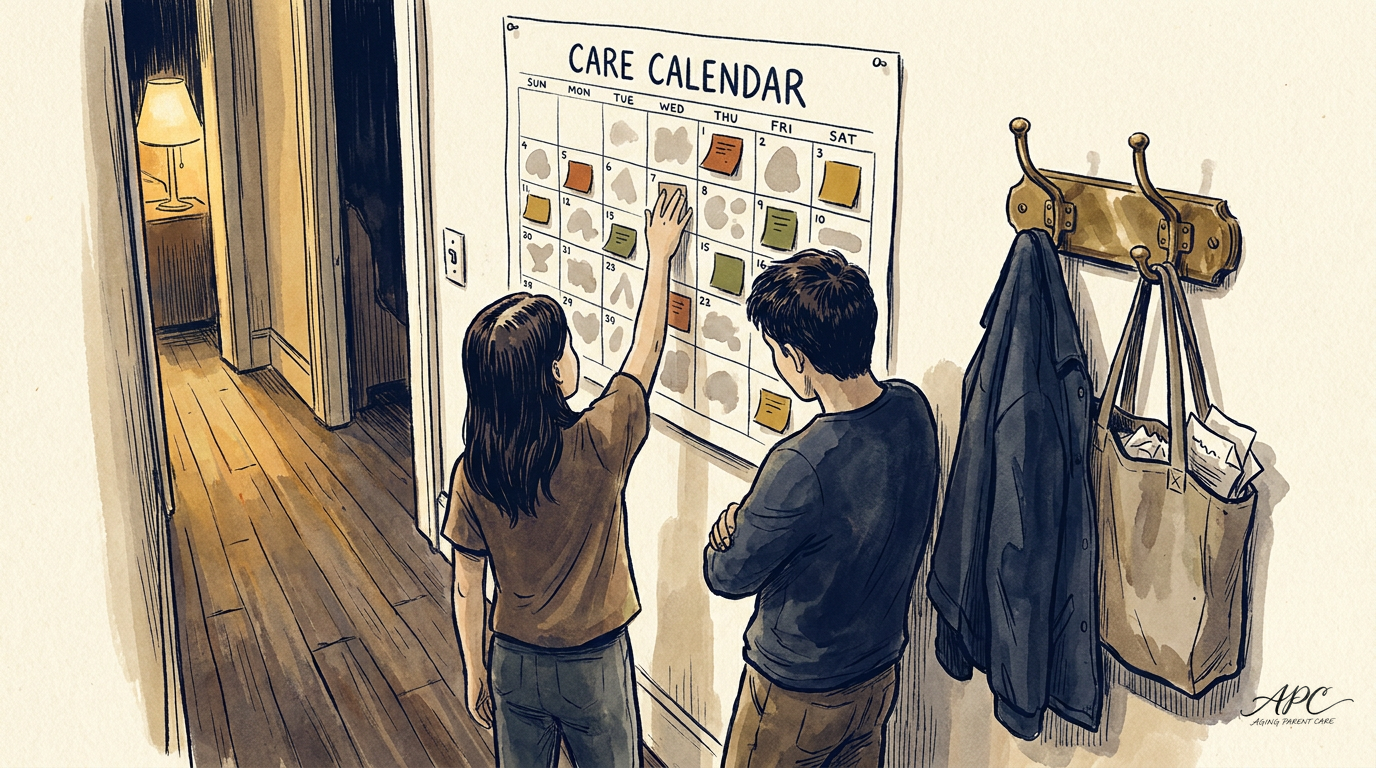
Keep a dated log. Not a medical chart. A notebook. Write down what you observed and when. "March 14: Mom asked me the same question about Thursday's appointment three times in twenty minutes. She didn't seem aware she'd asked before." "March 22: Found two months of unopened mail in the kitchen drawer. Bills were mixed in." "April 3: Dad got lost driving to the grocery store he's used for fifteen years. Pulled into a gas station to call me."
This log serves two purposes. First, it helps you distinguish between isolated incidents and a pattern. Memory is unreliable, especially under stress. The caregiving brain tends to minimize or catastrophize in alternating cycles (sound familiar?). Written observations are stable. Second, when you do bring your parent to a doctor, that log is the most valuable document you can provide. Physicians have limited time and rely heavily on family observations to guide diagnostic decisions.

The Timeline Compression Problem
When dementia was perceived as a disease of the late 70s and 80s, families had a built-in planning window. A parent retired at 65, lived independently for a decade or more. The question of cognitive care arose gradually enough that legal and financial arrangements could be made in sequence.
When cognitive changes appear at 65 or 67, that window compresses or disappears entirely. Your parent may still be working. They may have a mortgage. They may be the primary caregiver for a spouse with physical health issues. The financial picture is more complex because there are more active obligations, and the legal picture is more urgent because the window of capacity for signing documents is shorter than anyone assumed.
This is the planning gap that catches families off guard. The time you assumed you had? Already gone.
What to Do in the Next 90 Days
Get the legal documents in place while your parent can still sign them. A durable power of attorney, a healthcare proxy (or healthcare power of attorney), a current will, and an advance directive if one doesn't already exist. These require the signer to have legal capacity, which means the ability to understand what they're signing and its implications. If your parent is already showing cognitive symptoms, the window for executing these documents isn't indefinite. An elder law attorney can assess capacity and prepare the documents. The National Academy of Elder Law Attorneys (naela.org) has a searchable directory.
Schedule a cognitive screening with your parent's primary care doctor. Request a formal assessment, not just "how are you feeling?" Medicare covers an Annual Wellness Visit that includes a cognitive assessment at no cost to the beneficiary. If the primary care doctor identifies concerns, they can refer to a neurologist or neuropsychologist for complete testing.
Review the financial picture now. Who has access to accounts? Are bills set up on autopay? Is there a long-term care insurance policy? What are the monthly obligations, and who will manage them if your parent can't? These questions are easier to answer while your parent can participate in the conversation.
Have the practical conversation with your parent. "I want to make sure we have all our paperwork in order. Can we sit down and go through things together?" Frame it as planning, not crisis. Because right now, it is planning. In six months, it may not be.
Connect with your local Alzheimer's Association chapter. The 24/7 Helpline (1-800-272-3900) provides referrals and support. They can connect you with local support groups, care consultations and educational programs, plus crisis guidance. These resources are free.
The Timeline You Actually Have
Dementia is a slope, not a cliff. The early stages can last years, and during those years, your parent may remain largely independent, engaged, and capable of real participation in their own care planning.
But the slope moves in one direction. The legal documents you need your parent to sign require capacity they'll eventually lose, and the financial arrangements you need to make are easier when your parent can still explain their accounts. Their care preferences (where they want to live, what interventions they'd accept, who they trust to decide) are best articulated while they still can be.
The timeline your family needs isn't the one the disease gives you. It's the one you build before the disease takes the option away.
Sources
- Alzheimer's Association. 2026 Alzheimer's Disease Facts and Figures.
- National Institute on Aging. Alzheimer's Disease Fact Sheet.
- National Institute on Aging. Financial Problems May Be Early Sign of Alzheimer's Disease.
- AARP. Early Warning Signs of Cognitive Decline.
- CMS. Yearly Wellness Visits. Medicare.gov.
- Alzheimer's Association. 24/7 Helpline. 1-800-272-3900.
© 2026 Aging Parent Care. All rights reserved. No portion of this article may be reproduced, distributed, or used in any form without the explicit written permission of Aging Parent Care.
Make Your Business Online By The Best No—Code & No—Plugin Solution In The Market.
30 Day Money-Back Guarantee
Say goodbye to your low online sales rate!