Grieving Someone Who Is Still Alive: A Guide to Anticipatory Grief
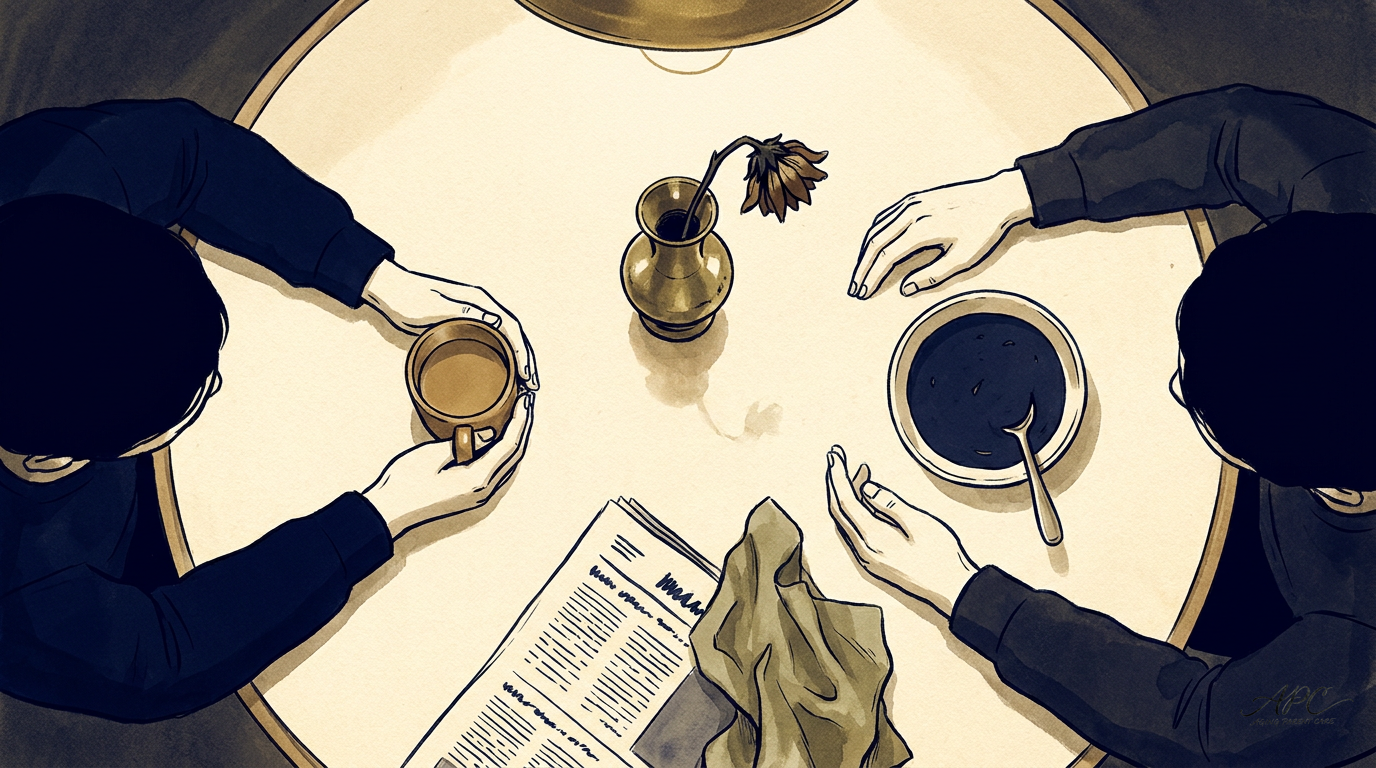
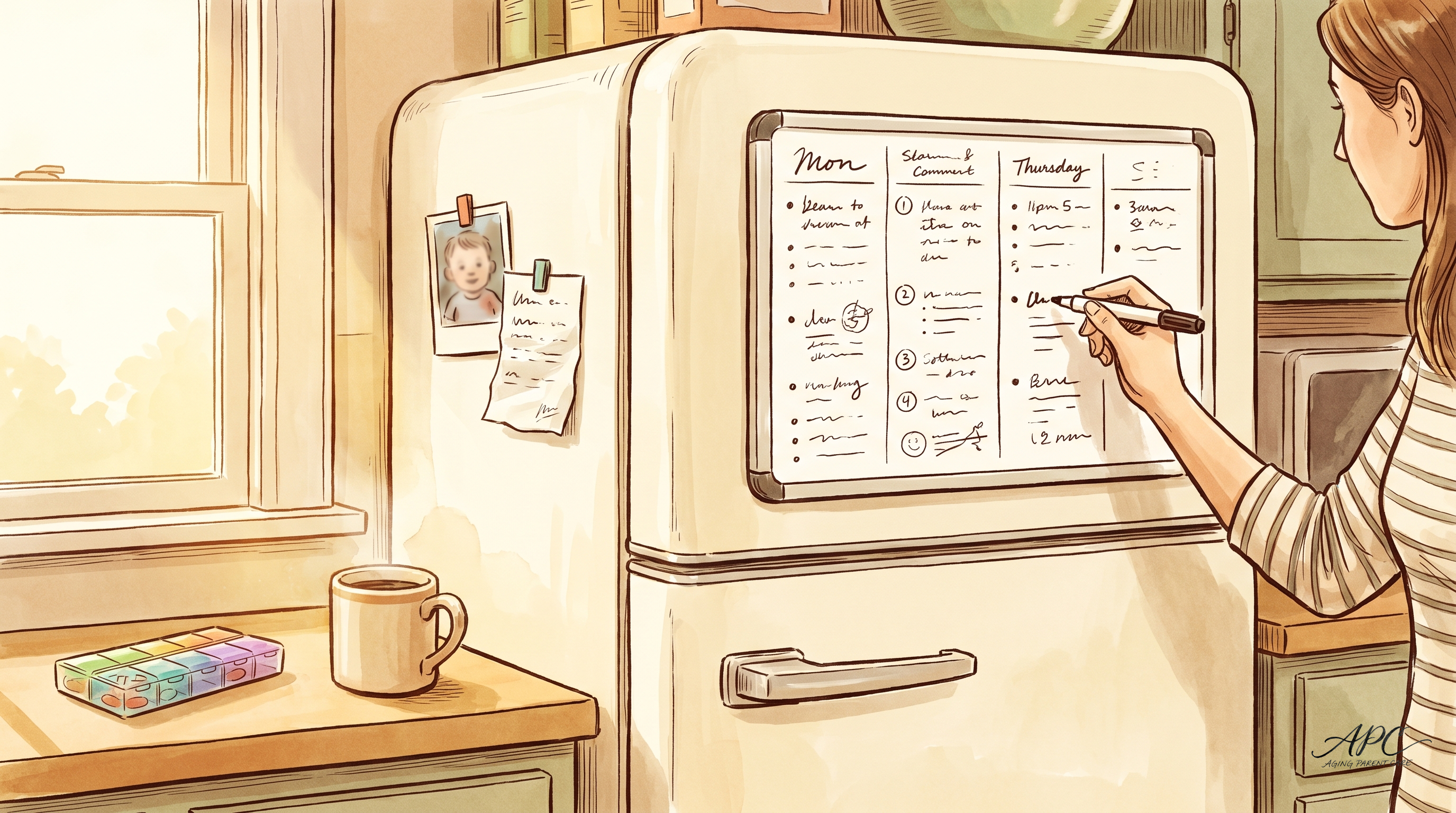
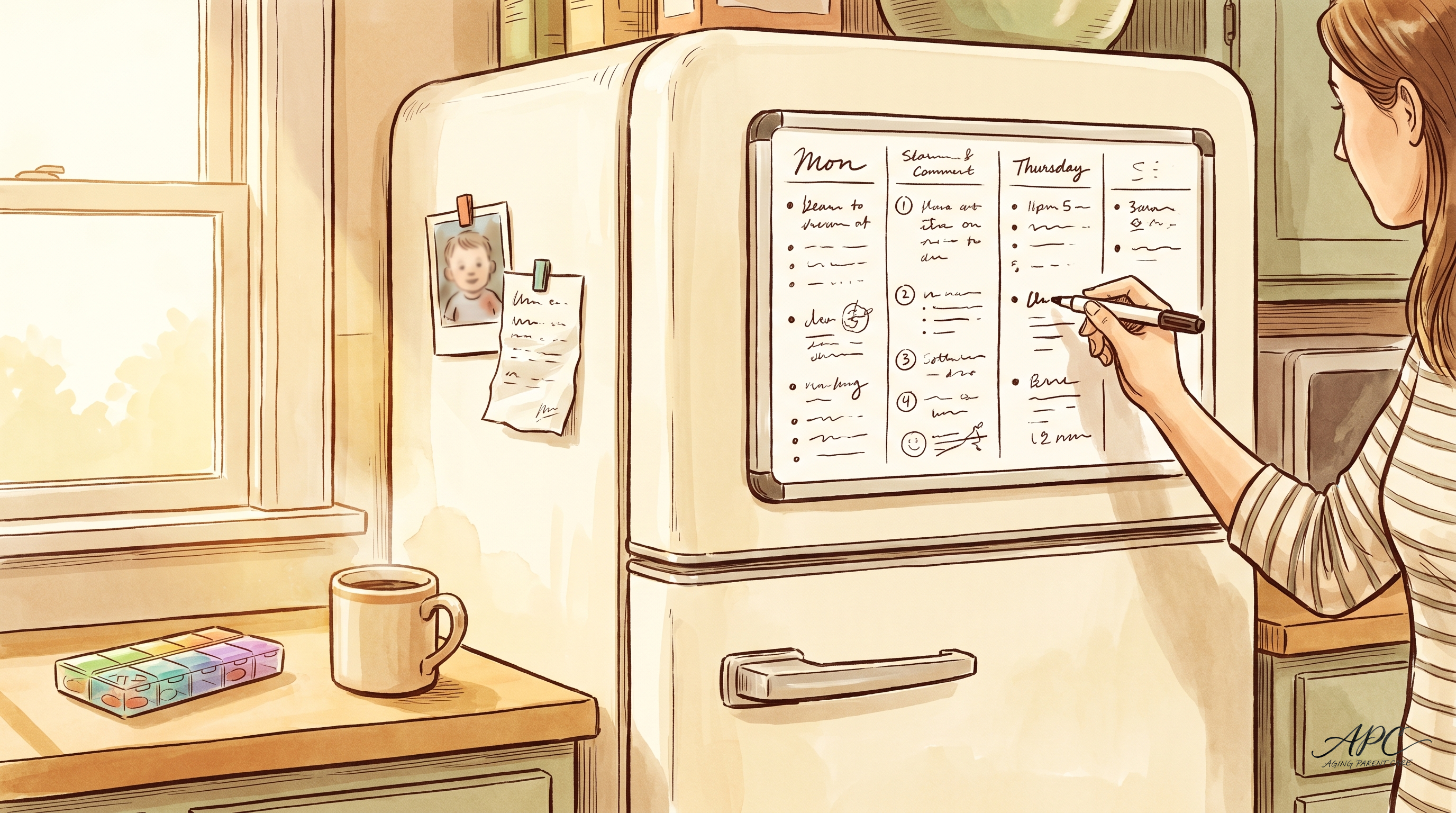
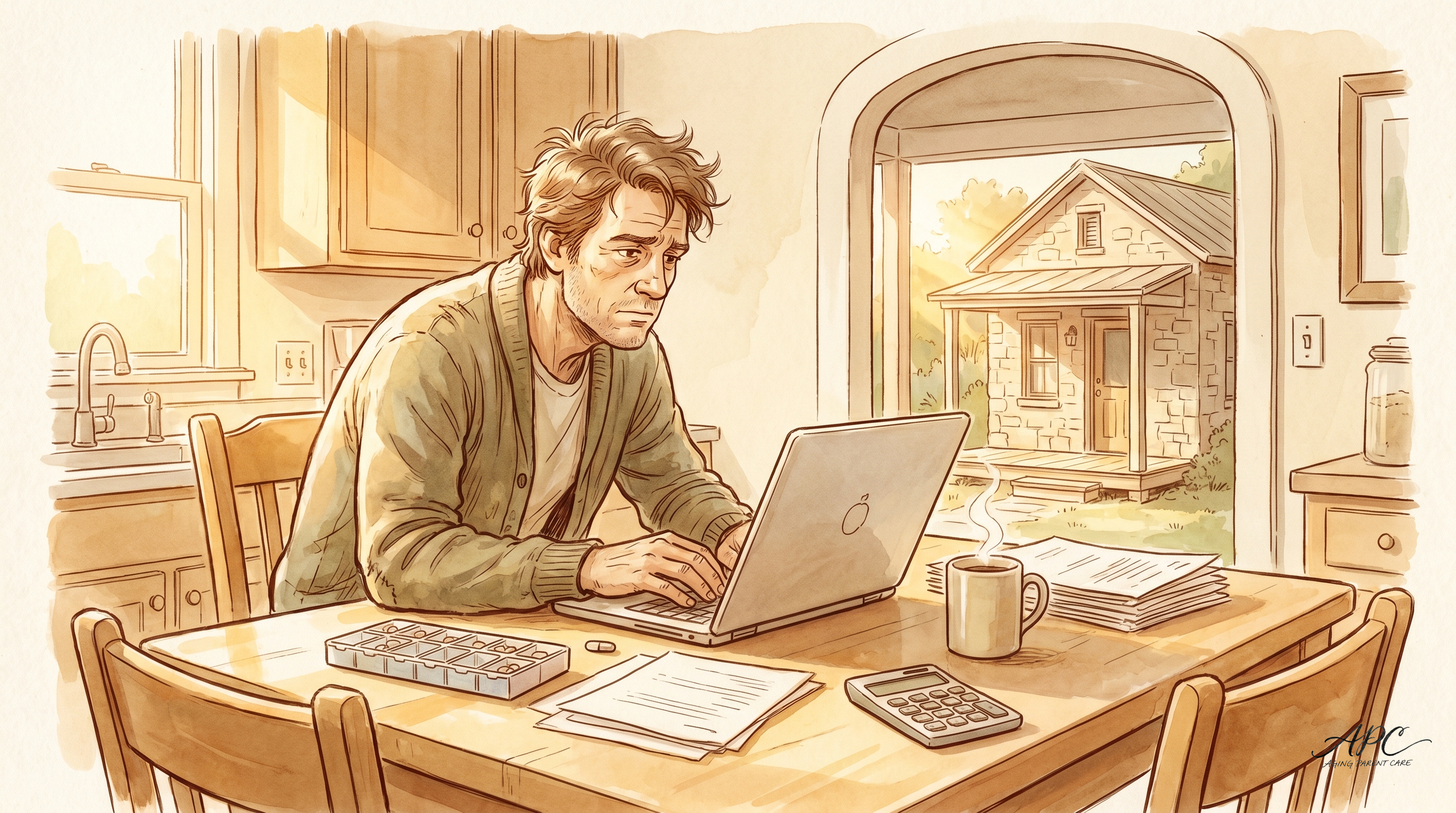
You're not supposed to grieve someone who's sitting across from you at the kitchen table. So you tell yourself. Your father is alive. He's eating oatmeal. He's breathing. But something inside you broke weeks ago, or months ago, and you haven't been able to name it because the person you're losing hasn't, technically, been lost.
The feeling has a name: anticipatory grief. A 2025 study in the SAGE journal Omega: Journal of Death and Dying found that one in four caregivers experiences it without ever learning what it's called. They carry the weight of it in silence, confused by their own sadness, sometimes ashamed of it. You don't get to grieve someone who's still here. That's the unspoken rule. The rule is wrong.
What You Are Actually Losing
Anticipatory grief goes beyond death. The study's authors identified six categories of loss that you experience before the person you love has died:
The loss of the relationship as it was. Your mother used to call you every Sunday to talk about whatever novel she was reading. Now the calls are about pill schedules and insurance claims. She's still there. But the relationship has changed shape so completely that the old version of it is gone.
The loss of companionship. Your father was your fishing partner, your co-conspirator at family holidays, the person who understood a joke without explanation. Dementia, or a stroke, or the slow erosion of mobility has taken that companionship and replaced it with dependency. You're still together. You're no longer peers.
The loss of identity. You were a daughter. Now you're a caregiver. You were a husband. Now you're a nurse and a financial manager for someone who used to make their own decisions. The old self just stopped fitting.
The loss of control. The disease decides the schedule. The disease decides whether today will be a good day or a day spent in the emergency room. You can't commit to a Wednesday night dinner or promise your child you'll be at the recital. Ever tried explaining that to a seven-year-old?
The loss of freedom. This one carries the most guilt, because admitting that you miss your freedom feels like admitting you resent the person you're caring for. But the loss is real. The trips you won't take, the career changes you won't make.
The loss of the love you expected to receive. This is the hardest to say out loud. You expected your parent to be at your wedding, to know your children, to grow old in a way that still included you as a child rather than a custodian.
Why It Goes Unrecognized
The SAGE study found that most caregivers didn't identify their experience as grief until a therapist or counselor named it for them. And why would they? Our culture treats grief as something that begins after death. Sympathy cards, bereavement leave: all calibrated to the moment of loss, not the months or years preceding it.
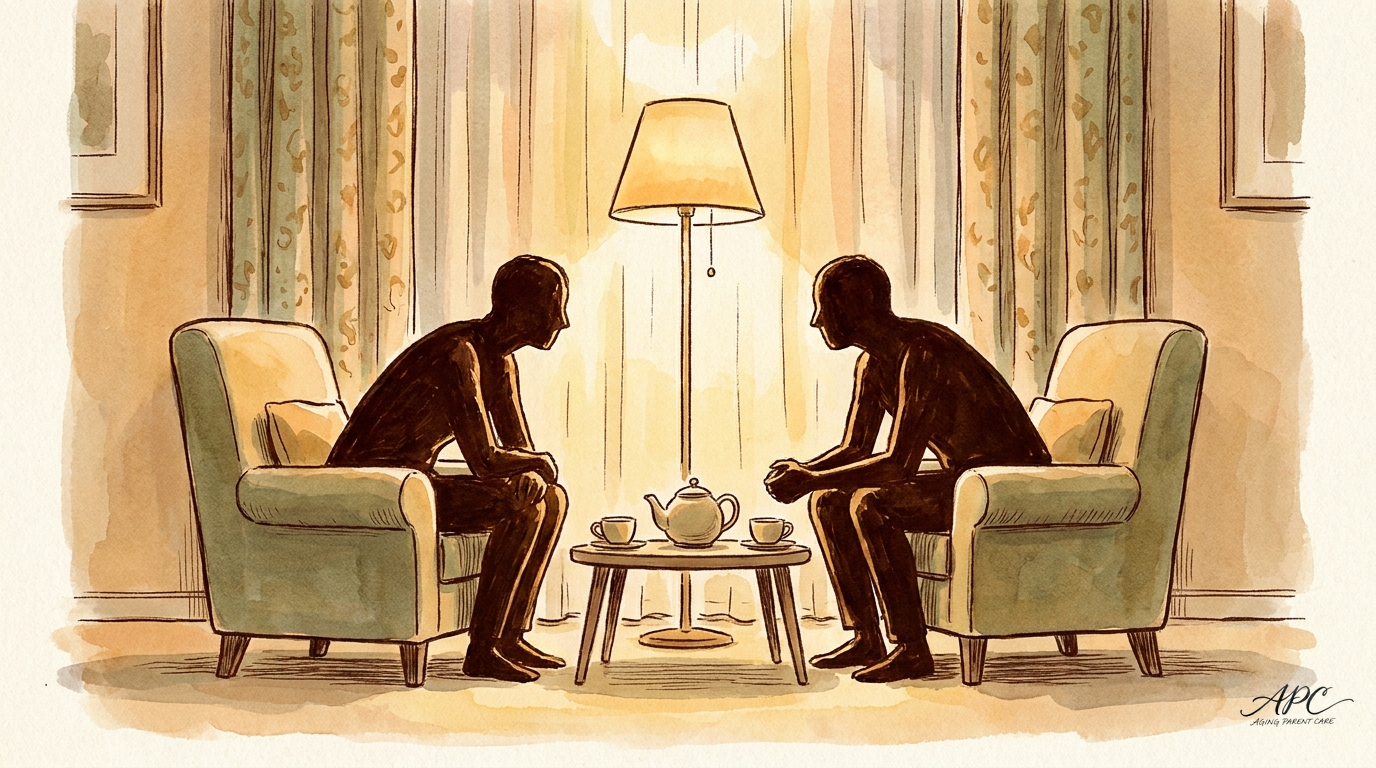
If you've tried to talk about what you're feeling, you've probably heard some version of: "But they're still here." As though the physical presence of the person should be sufficient. As though watching someone you love disappear slowly is somehow easier than losing them all at once.
It's not easier. In some ways it's harder, because the grief has no endpoint. It refreshes itself each time you notice another ability lost, another memory gone. Every single time.
What the Research Suggests
Name it. The single most powerful intervention is recognition. When you understand that what you're feeling has a name (and a community of people who share it) the isolation cracks. You're not losing your mind. You're grieving.
Separate the person from the disease. When your father says something hurtful or fails to recognize you, remind yourself: the disease is speaking, not the person you knew. The distinction doesn't eliminate the pain. It redirects it.
Allow dual awareness. You can grieve the relationship you've lost and still find moments of connection in the relationship that remains. A good afternoon doesn't cancel the grief. A bad week doesn't cancel the love. Both exist at the same time.
Seek specialized support. General therapists may not recognize anticipatory grief. Look for clinicians with experience in caregiver distress or palliative care psychology. The difference matters.
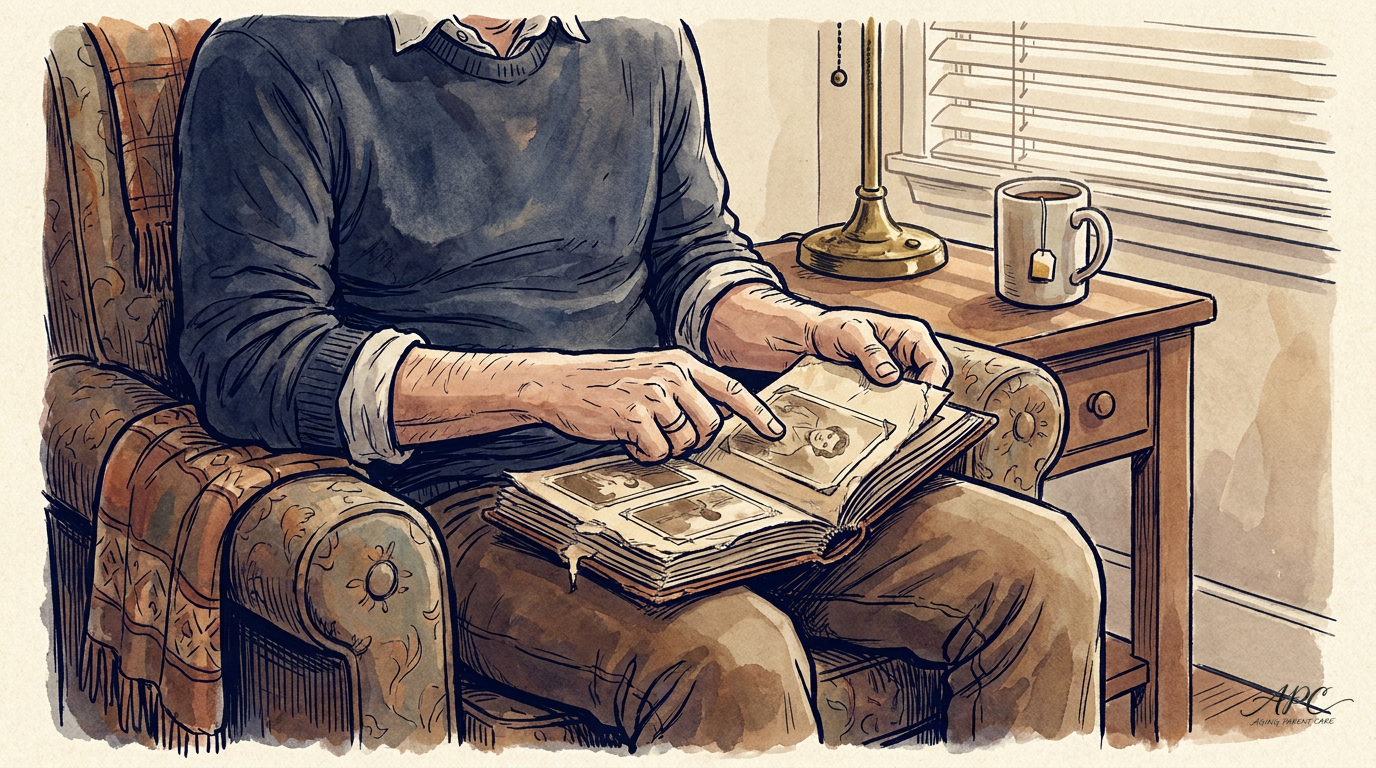
Record what remains. Some caregivers find relief in documenting the moments that still work. A photograph. A sentence their parent said that sounded like them. These fragments serve as evidence that the relationship still holds something real.
The Permission You Didn't Know You Needed
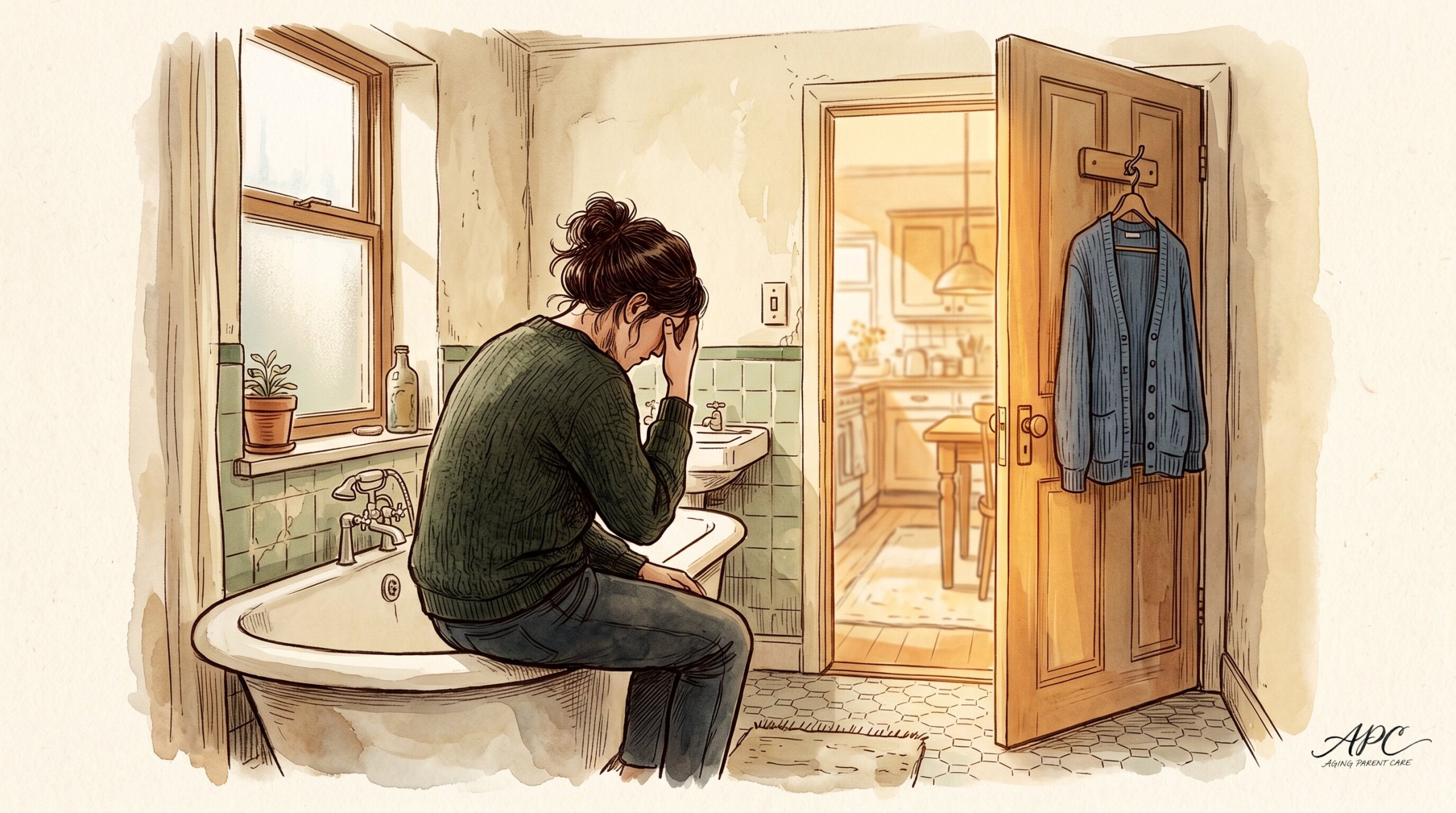
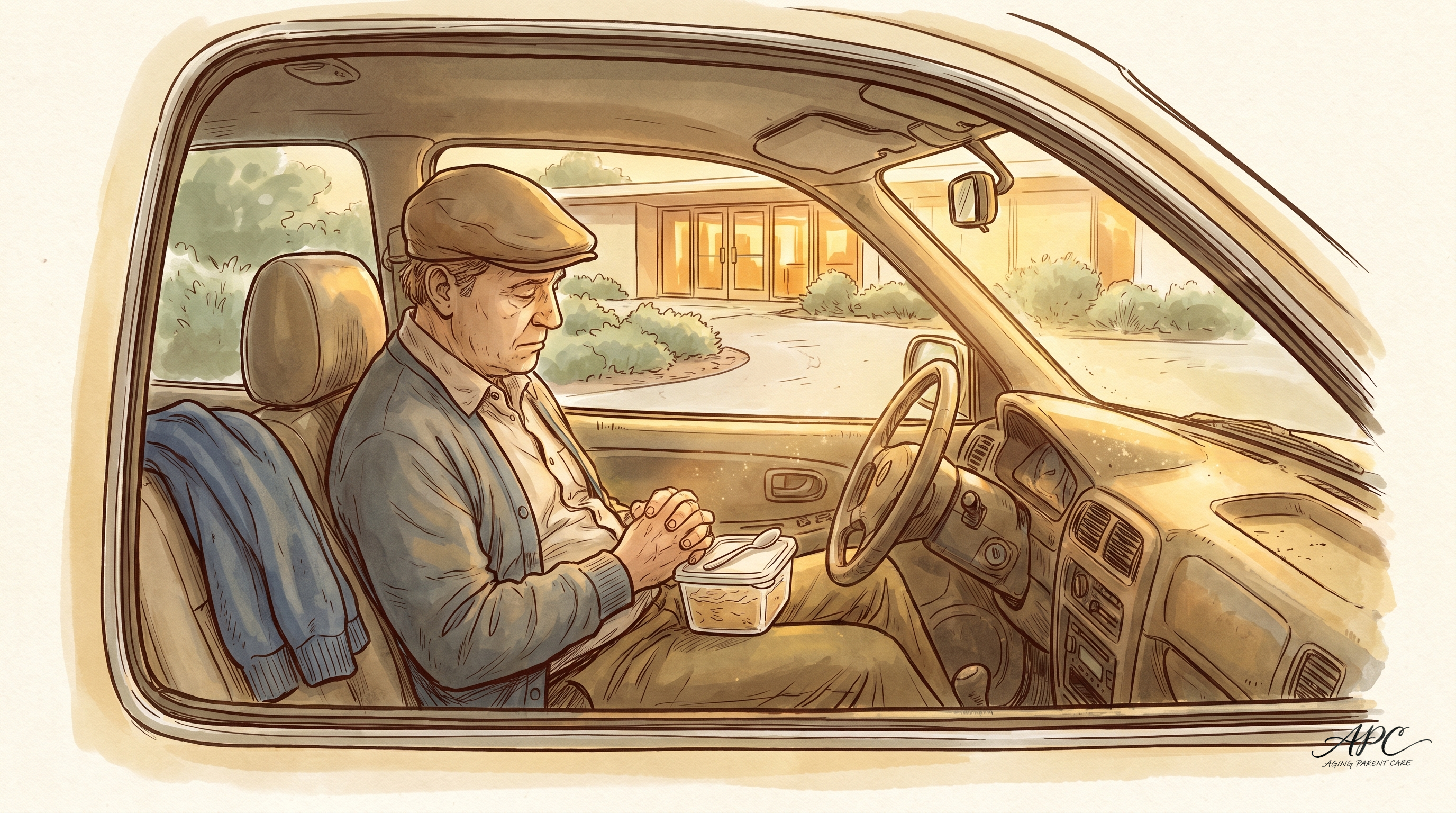
You're allowed to grieve someone who is still alive. You're allowed to miss the person your parent was while still caring for the person they've become. You're allowed to cry in the car after a visit that went well, because "well" now means something so different from what it used to mean.
The grief won't resolve itself neatly. It doesn't follow the stages you've read about. It circles and returns on ordinary Tuesdays for no apparent reason.
But it has a name. And now you know it.
Sources
1. Rodriguez, J.L. et al. (2025). "The Bittersweet Experience of Anticipatory Grief." SAGE Omega: Journal of Death and Dying.
2. National Institute on Aging - Social Isolation and Loneliness resources.
3. Alzheimer's Association - Grief and Loss resources on ambiguous loss.
Sources
- Alzheimer's Association. "Grief and Loss as Alzheimer's Progresses." alz.org, 2025.
- Nielsen MK, Neergaard MA, Jensen AB, Bro F, Guldin MB. "Do We Need to Change Our Understanding of Anticipatory Grief in Caregivers? A Systematic Review." Clinical Psychology Review, 2016.
- Kustanti CY, Chu H, Kang XL, et al. "Anticipatory Grief Prevalence Among Caregivers: A Meta-Analysis." BMJ Supportive & Palliative Care, 2022.
- Family Caregiver Alliance. "Caregiver Statistics: Demographics." caregiver.org, 2024.
- AARP and National Alliance for Caregiving. "Caregiving in the U.S. 2025." AARP Public Policy Institute, 2025.
- Boss P. "Ambiguous Loss: Learning to Live with Unresolved Grief." Harvard University Press, 1999.
© 2026 Aging Parent Care. All rights reserved. No portion of this article may be reproduced, distributed, or used in any form without the explicit written permission of Aging Parent Care.
Make Your Business Online By The Best No—Code & No—Plugin Solution In The Market.
30 Day Money-Back Guarantee
Say goodbye to your low online sales rate!