
It Was Never About the Dishes
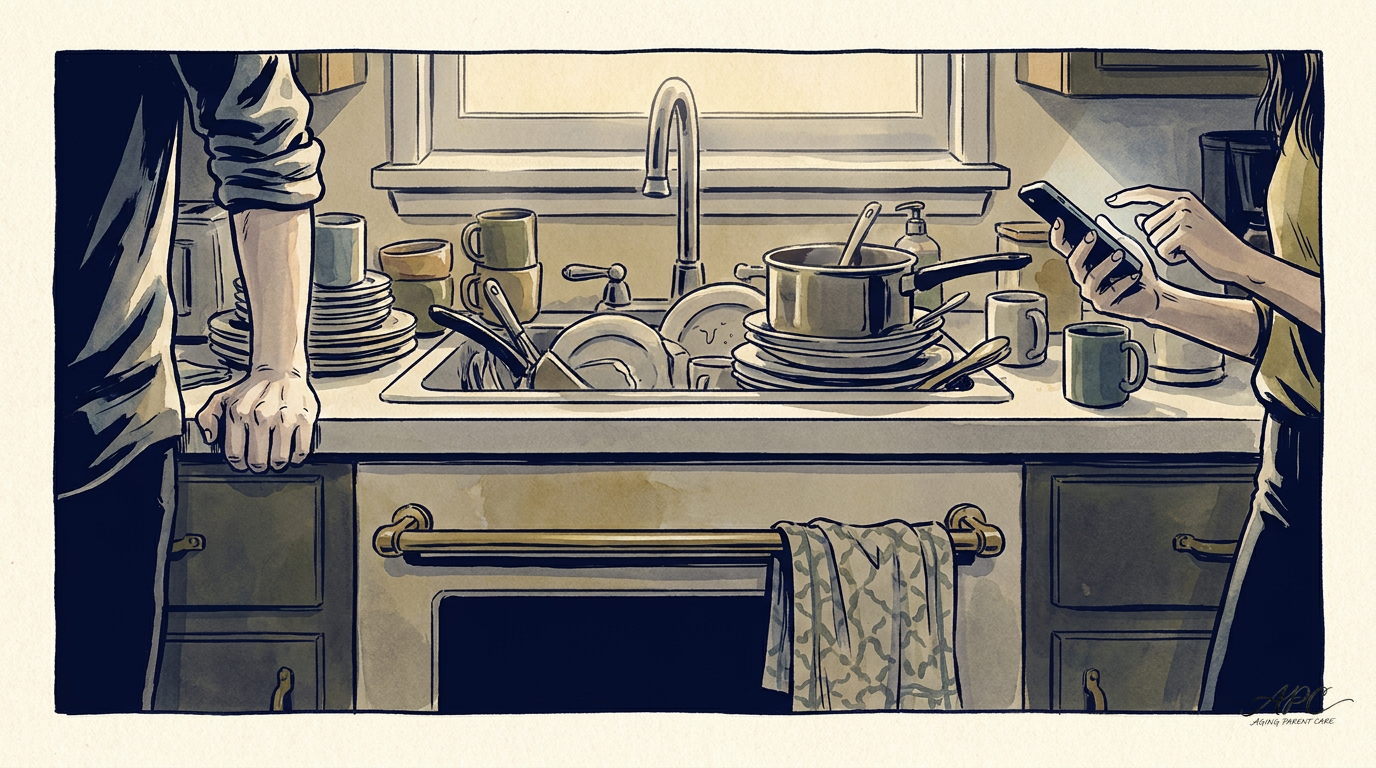
The fight started over a casserole dish.
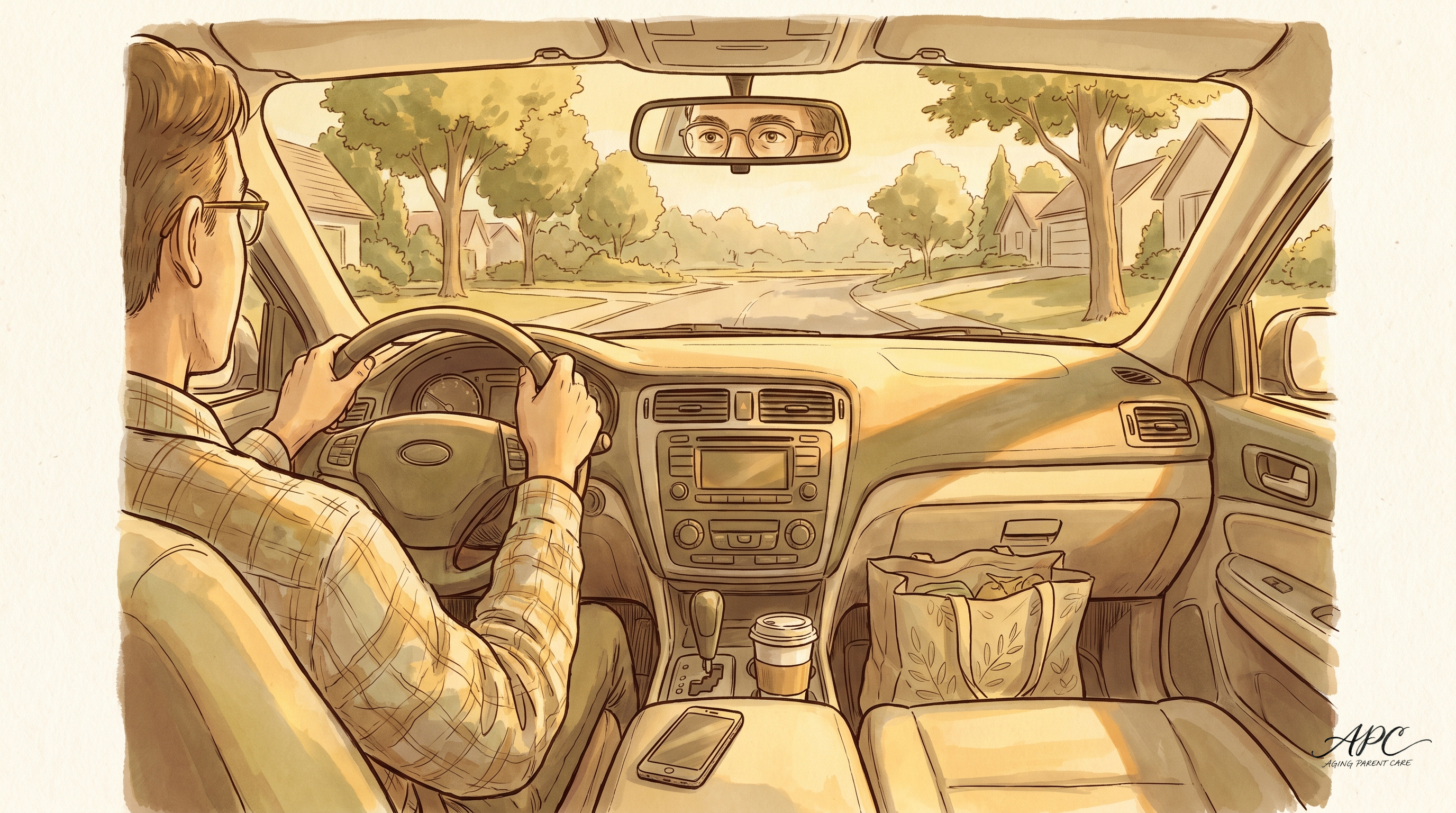
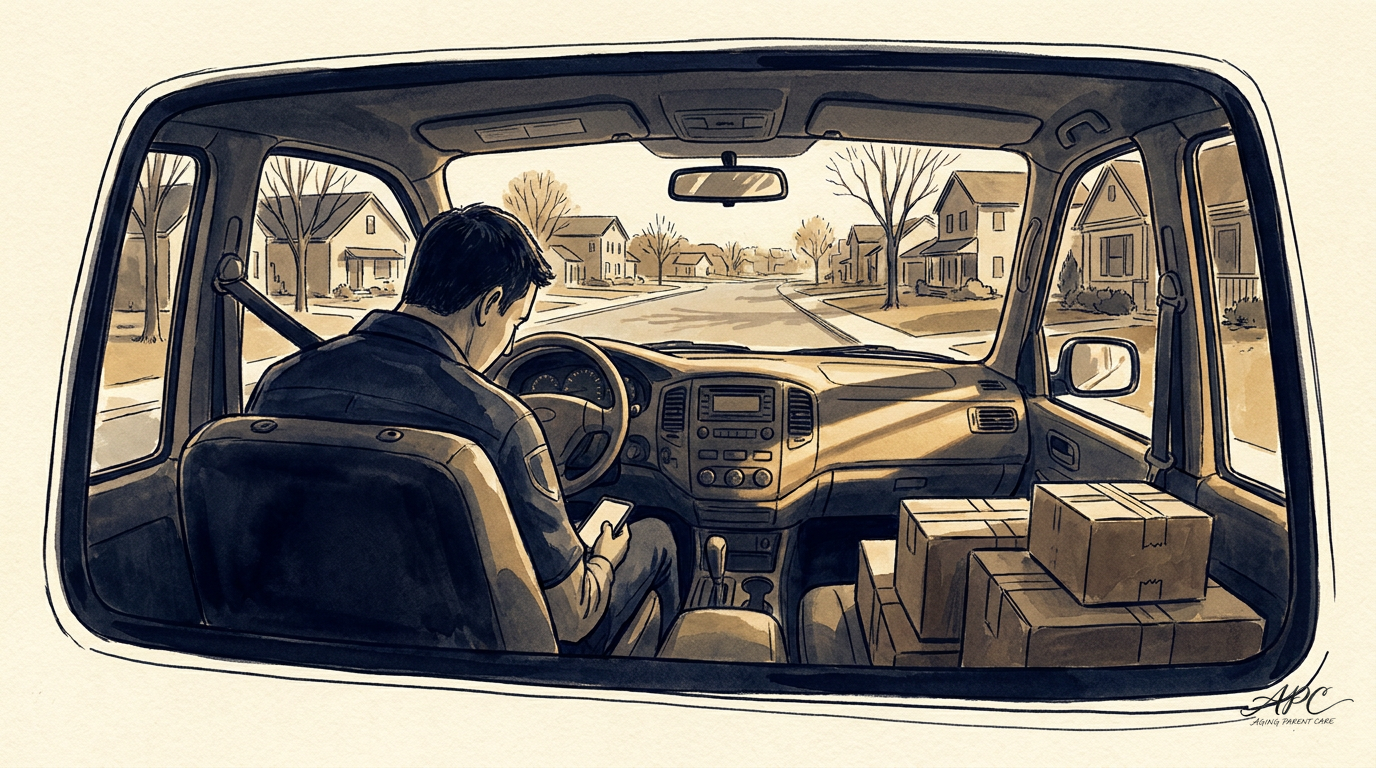
Teresa Moreno had been driving to her mother's house in San Antonio three times a week for eleven months. She managed the medications, took her mother to cardiology appointments, argued with the insurance company, and stocked the refrigerator. Her brother David lived in Portland. He called on Sundays.
One Sunday, David mentioned that their mother had told him the casserole Teresa brought "wasn't as good as the one from the restaurant." Teresa hung up and didn't speak to her brother for six weeks.
It was never about the casserole.
The Geography of Resentment
In most families, caregiving responsibility falls unevenly. One sibling lives closer. One has a more flexible schedule. One has always been "the responsible one." These patterns form early in childhood and calcify over decades, so that by the time a parent needs daily help, the roles feel predetermined.
The near sibling does the work. The far sibling offers opinions.
This dynamic generates a specific and corrosive resentment. If you're the one doing the caregiving, you feel unseen and trapped. If you're the distant sibling, you feel guilty, excluded, and defensive. Both of you feel like you're doing it wrong. Both of you are partially right.
Gerontologist Sam Cradduck puts it plainly: grief, not rivalry, is at the root of most sibling conflicts over caregiving. You're fighting because your parent is declining, and decline is terrifying, and terror makes people behave badly.
The Five Fights Families Actually Have
The surface arguments vary. The underlying conflicts don't. Nearly every caregiving dispute falls into one of five categories, and recognizing which one you're in is the first step toward anything changing.
Workload imbalance is the most common: "I'm doing everything and you're doing nothing." It's also the most straightforward to address, if both siblings are willing to look at it honestly.
Decision authority is subtler. "You moved her to a new doctor without asking me." The caregiving sibling makes decisions by necessity (someone has to). The distant sibling feels cut out. Both positions are legitimate.
Money is its own category. "Why are you spending Dad's savings on a home aide when we could do it ourselves?" Translation: you're spending my inheritance. Or: you're not spending enough because you don't see how bad it is. Money fights in caregiving are almost never just about money.
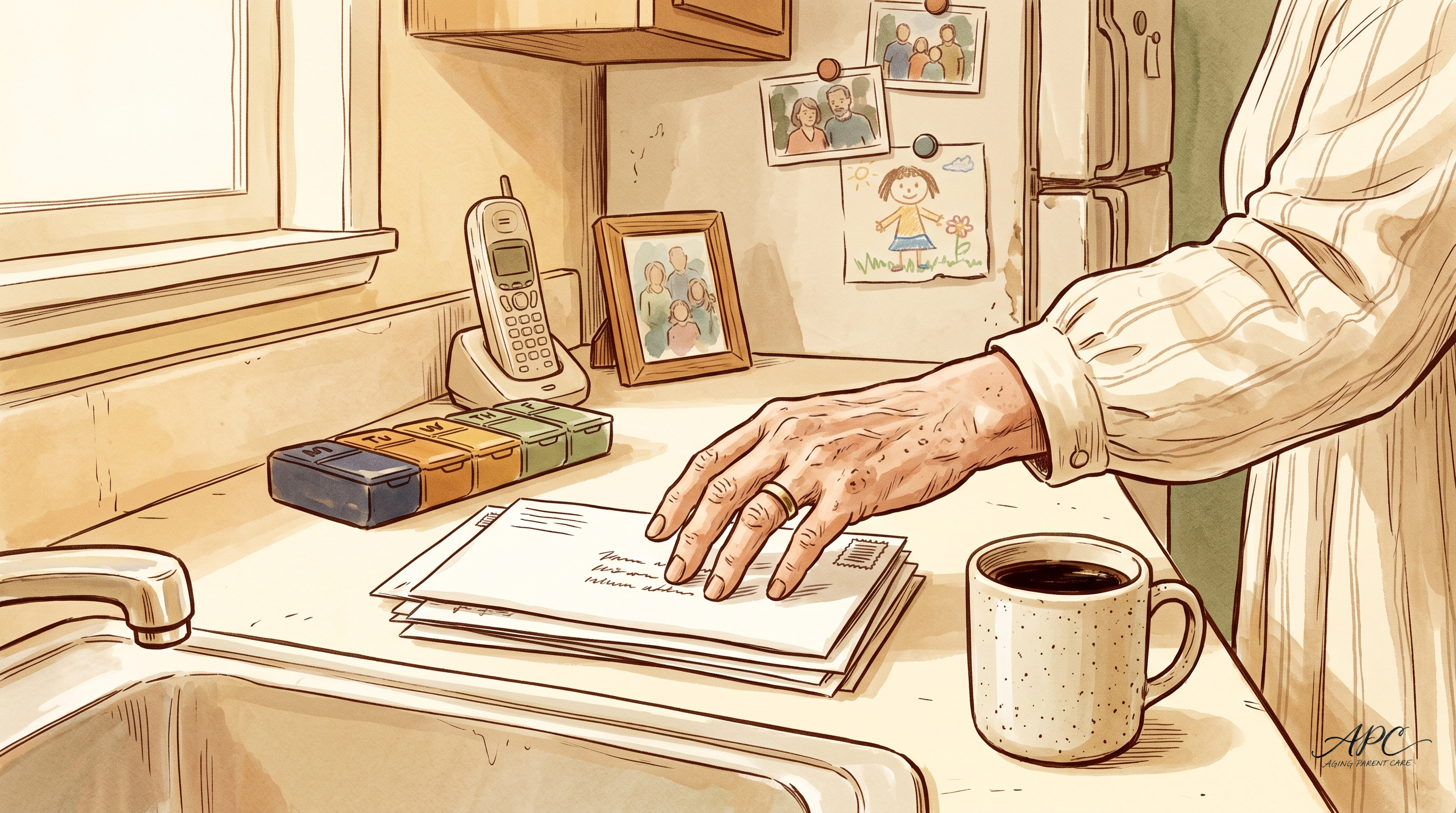
Denial versus reality is perhaps the most corrosive. "Mom seems fine to me." Sound familiar? The sibling who visits for holidays sees the best version. The sibling who visits on a Wednesday afternoon sees the unwashed dishes, the expired medications, the bruise on the forearm that nobody can explain. These two people are describing different parents.
And end-of-life disagreements can break a family permanently. "Dad would want everything done." "Dad wouldn't want to live like this." When there's no advance directive, siblings project their own fears onto their parent's wishes.
What's Actually Happening Underneath
Aging expert Amy O'Rourke makes a recommendation that sounds simple but isn't: expect the disagreement. Don't try to prevent it. Plan for it.
This runs against every family instinct. We want to believe that love will produce consensus. It won't. Love produces passion, and passion in a high-stakes situation produces conflict.
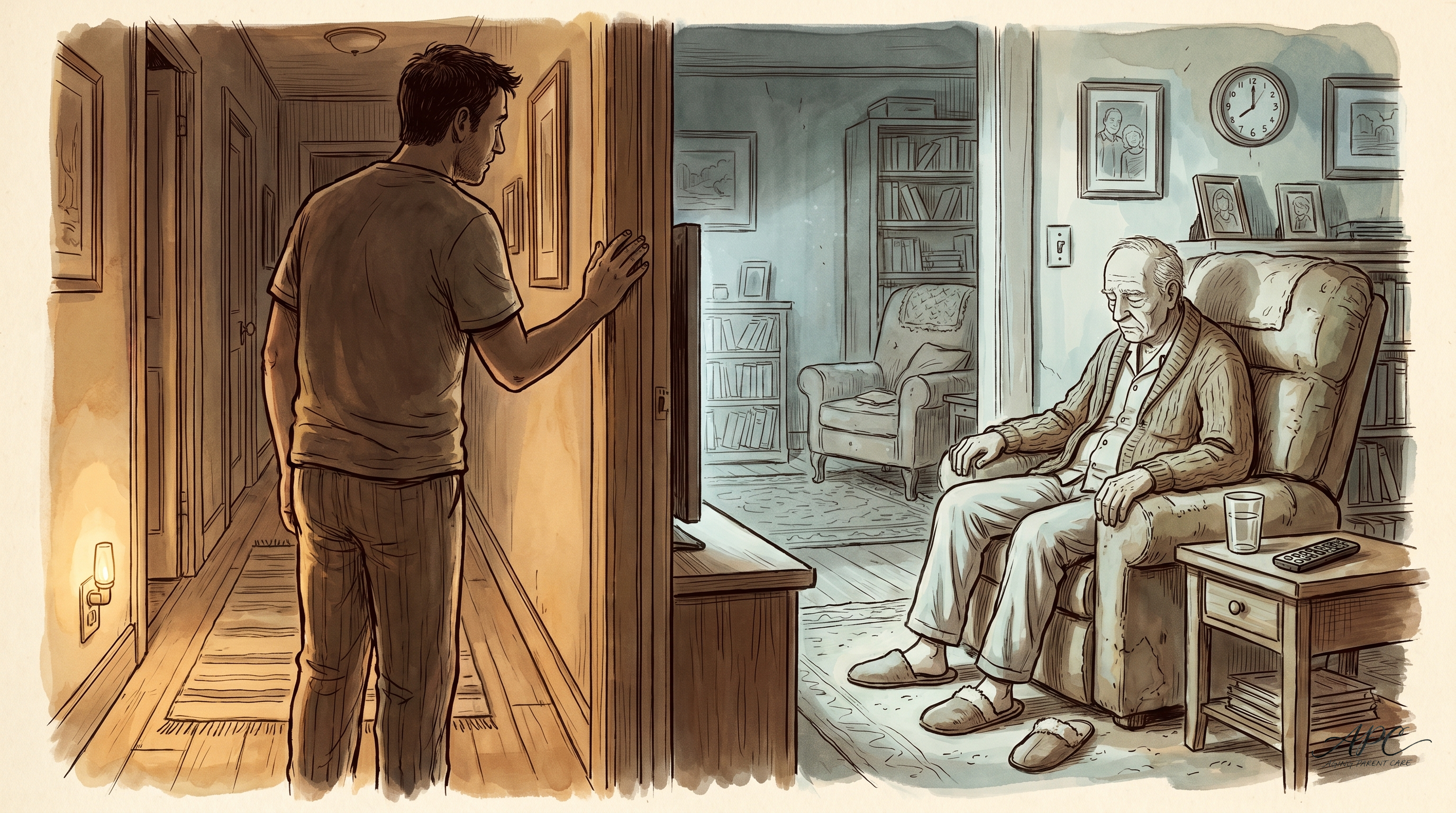
What's actually happening when you fight about caregiving is this: everyone is watching their parent become someone they don't recognize, and nobody knows how to grieve a person who's still alive. The sibling who handles it by taking control fights with the sibling who handles it by pulling away. Both strategies are valid. They're just incompatible.
The childhood roles don't help, either. The oldest still tries to be in charge. The youngest still tries to keep peace. These patterns worked (sort of) when the stakes were who got the front seat. They collapse when the stakes are whether Mom can still live alone.

A Framework That Actually Works
Family meetings about caregiving tend to fail because they start with the wrong question. The wrong question is: "What should we do about Mom?" The right question is: "What does Mom actually need this week?"
The first question invites philosophy. The second invites logistics. Logistics are solvable.
Here's a structure that works for real families.
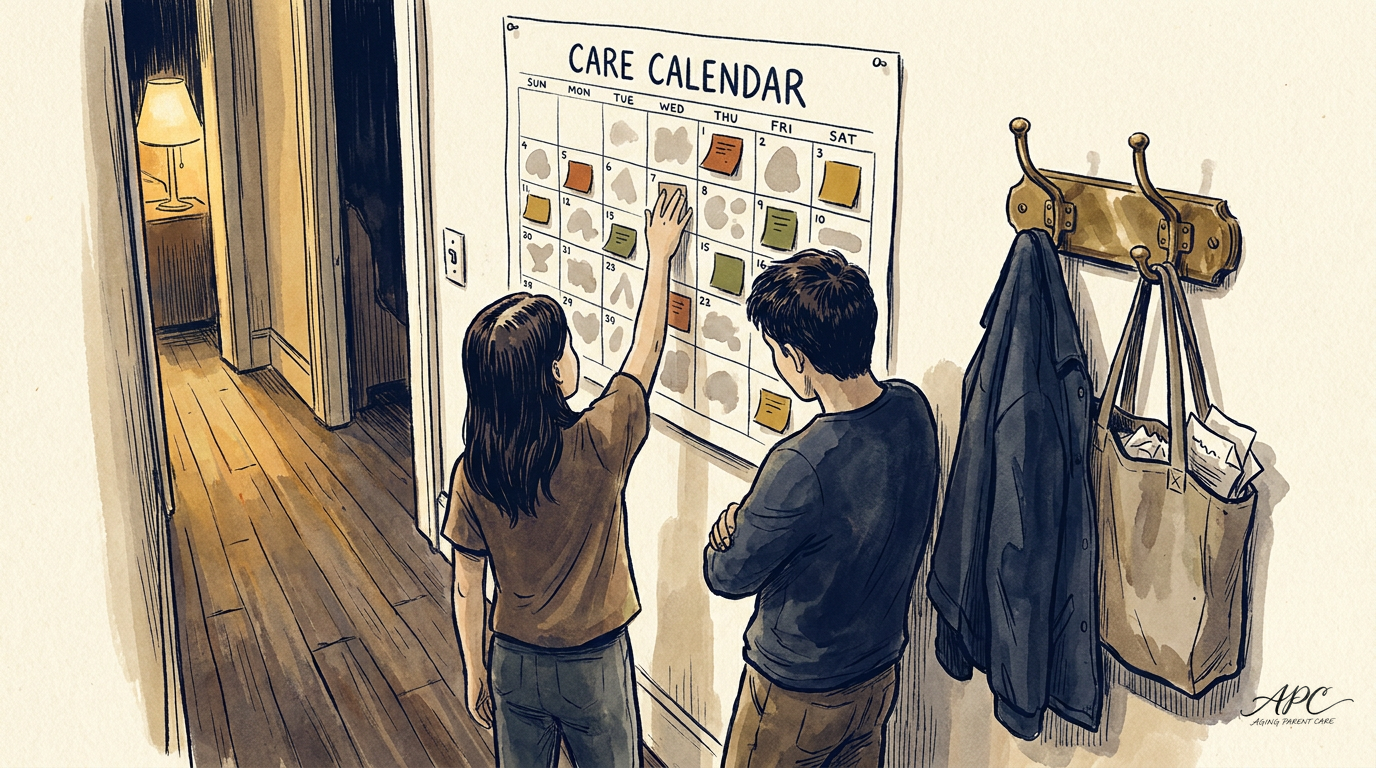
Start by listing the tasks. Every single one. Medication management. Doctor appointments. Bill paying. Grocery shopping. House maintenance. Emotional support. Insurance calls. Get specific. Don't say "help with Mom." Say "pick up prescriptions from the CVS on Woodward Avenue every Thursday."
Then assign by capability. Your sibling in Portland can't drive Mom to the cardiologist. But they can manage the insurance claims, pay the bills, research home aide agencies, and schedule the appointments by phone. Distance doesn't exempt you. It changes what you do.
Set a check-in schedule. Weekly. A regular call or video chat where both siblings report what they've done and what's coming. This eliminates the information vacuum that breeds resentment.
Agree on a decision-making process. The caregiving sibling should have authority over day-to-day decisions (which pharmacy, which grocery store, when to call the doctor). Major decisions, like moving to assisted living, hiring full-time care, or activating financial power of attorney, those require everyone.
And say the hard thing. "I'm exhausted." "I'm scared." These sentences are harder to say than "You never help." They're also more accurate. And more useful.
What Teresa Moreno Actually Needed
Six weeks after the casserole fight, David called his sister. He didn't apologize for the casserole comment, because the casserole comment was never the point. Instead he said: "I think you're carrying too much of this. I want to help and I don't know how. Tell me what to do."
Teresa gave him three things: take over the insurance calls, manage their mother's bill payments online, and call their mother on Wednesdays in addition to Sundays so Teresa could skip one visit per week.
David did all three. It wasn't equal. It didn't need to be. It just needed to be something.
The dishes are in the sink. Your sibling is not the enemy. Start there.
Sources
- Family Caregiver Alliance. Caregiver Statistics: Demographics and Burden.
- AARP and National Alliance for Caregiving. Caregiving in the United States 2020.
- Lashewicz B, Keating N. Siblings' Perceptions of Burden in Adult Child Caregiving. Journal of Family Issues, 2009.
- American Psychological Association. Working through Sibling Conflict During Parental Caregiving.
- National Institute on Aging. Caring for a Person With Dementia.
- Aging Life Care Association. What Is an Aging Life Care Professional?
© 2026 Aging Parent Care. All rights reserved. No portion of this article may be reproduced, distributed, or used in any form without the explicit written permission of Aging Parent Care.
Make Your Business Online By The Best No—Code & No—Plugin Solution In The Market.
30 Day Money-Back Guarantee
Say goodbye to your low online sales rate!