


One Sibling Does Everything. The Others Have Opinions.

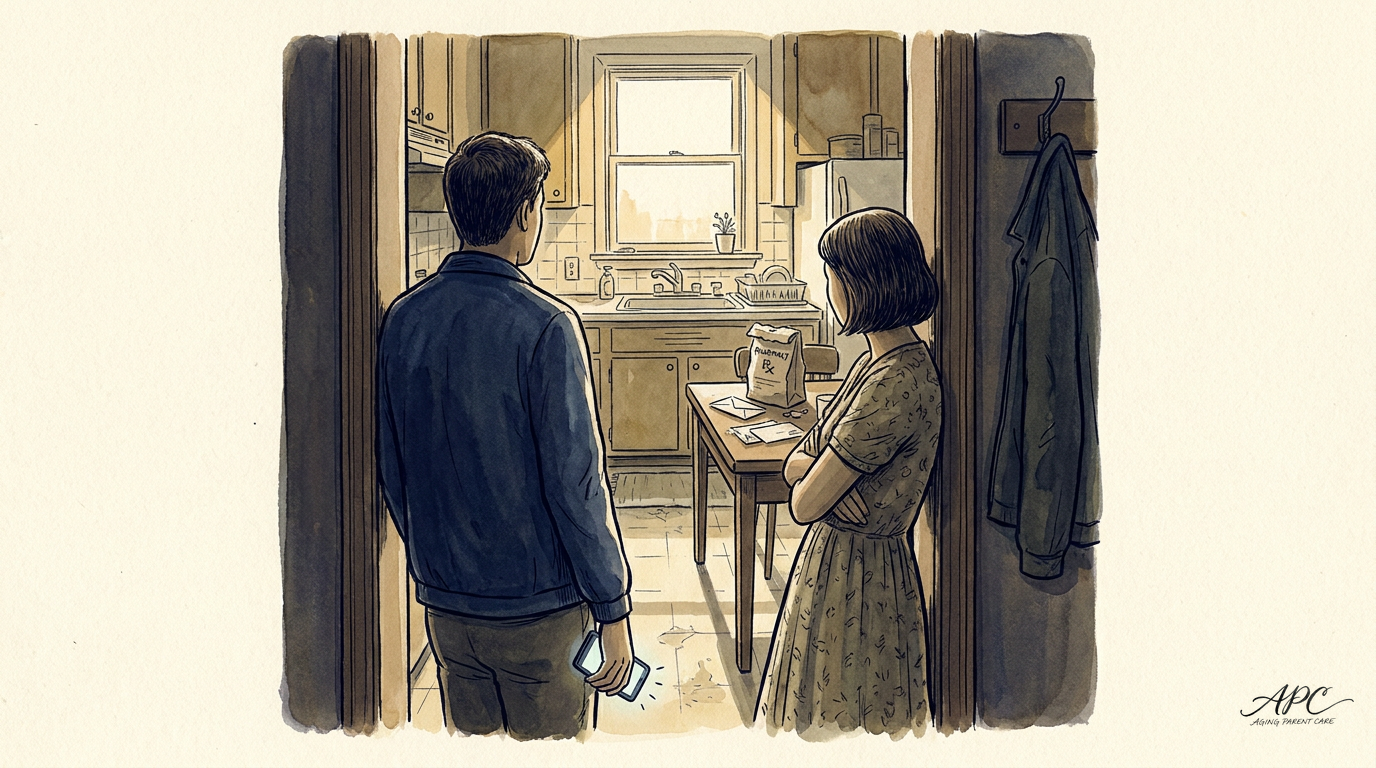
Meena Chandrasekaran lives fourteen minutes from her mother's apartment in Bridgeport, Connecticut. Her brother David lives in Portland, Oregon. Her sister Amy lives in Charlotte.
When their mother was diagnosed with moderate vascular dementia in October 2025, the three siblings had a video call. David said he could help with finances. Amy said she could research memory care facilities. Meena said she could handle "the day-to-day stuff" until they figured out a plan.
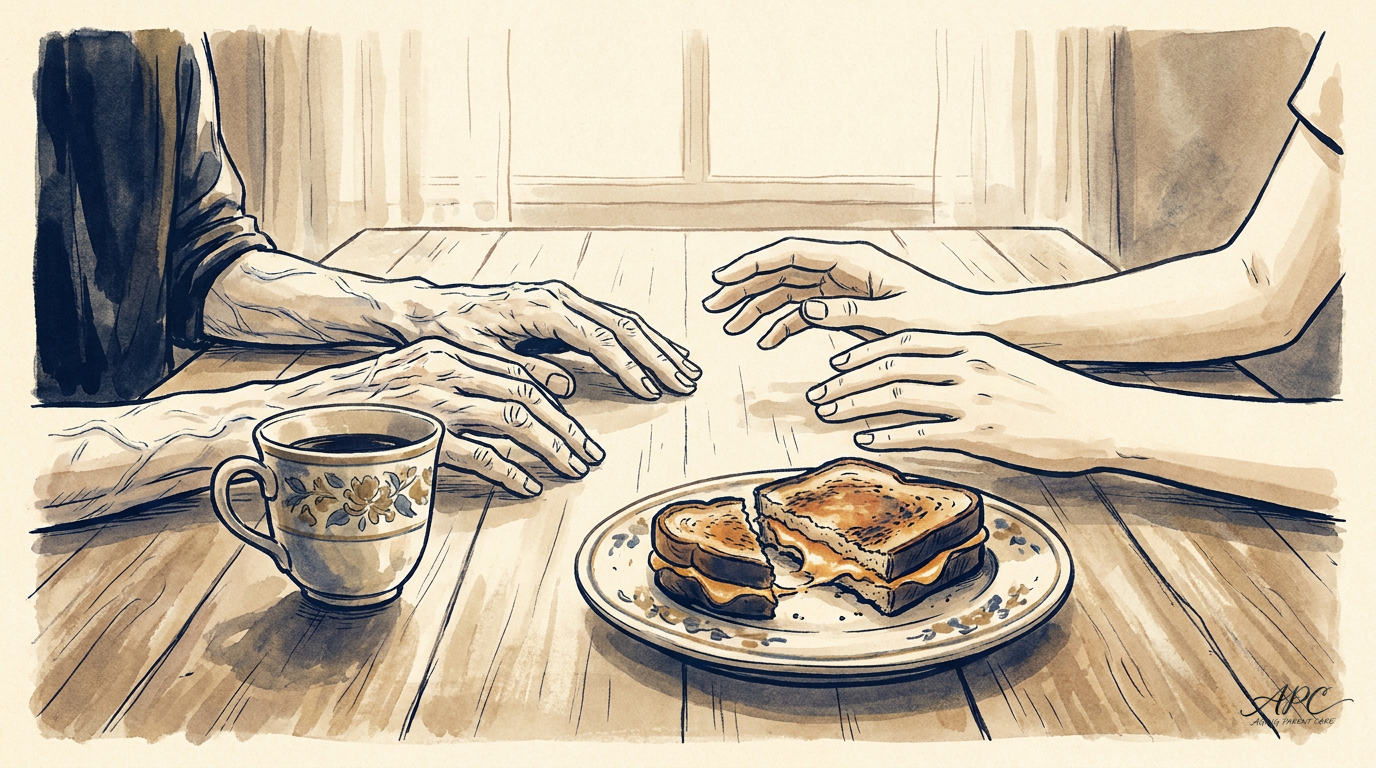
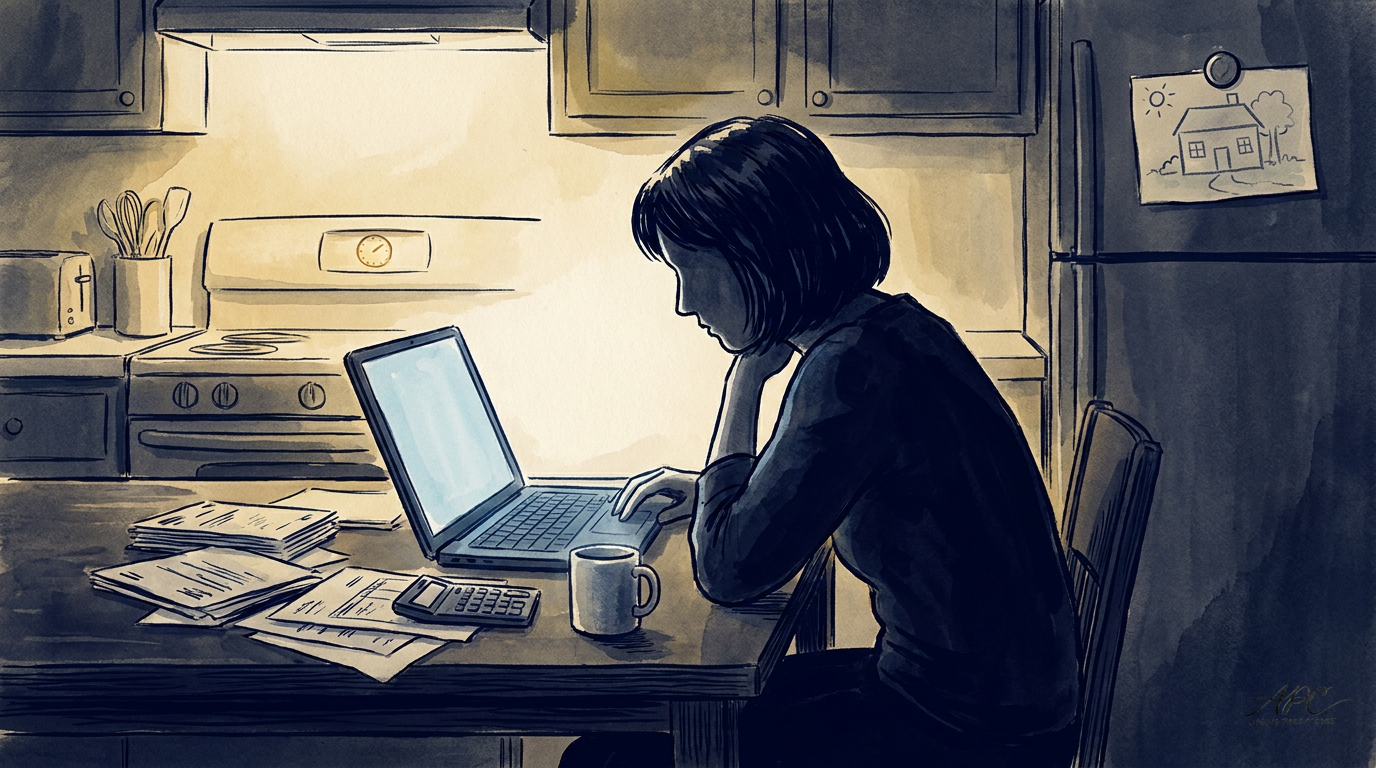
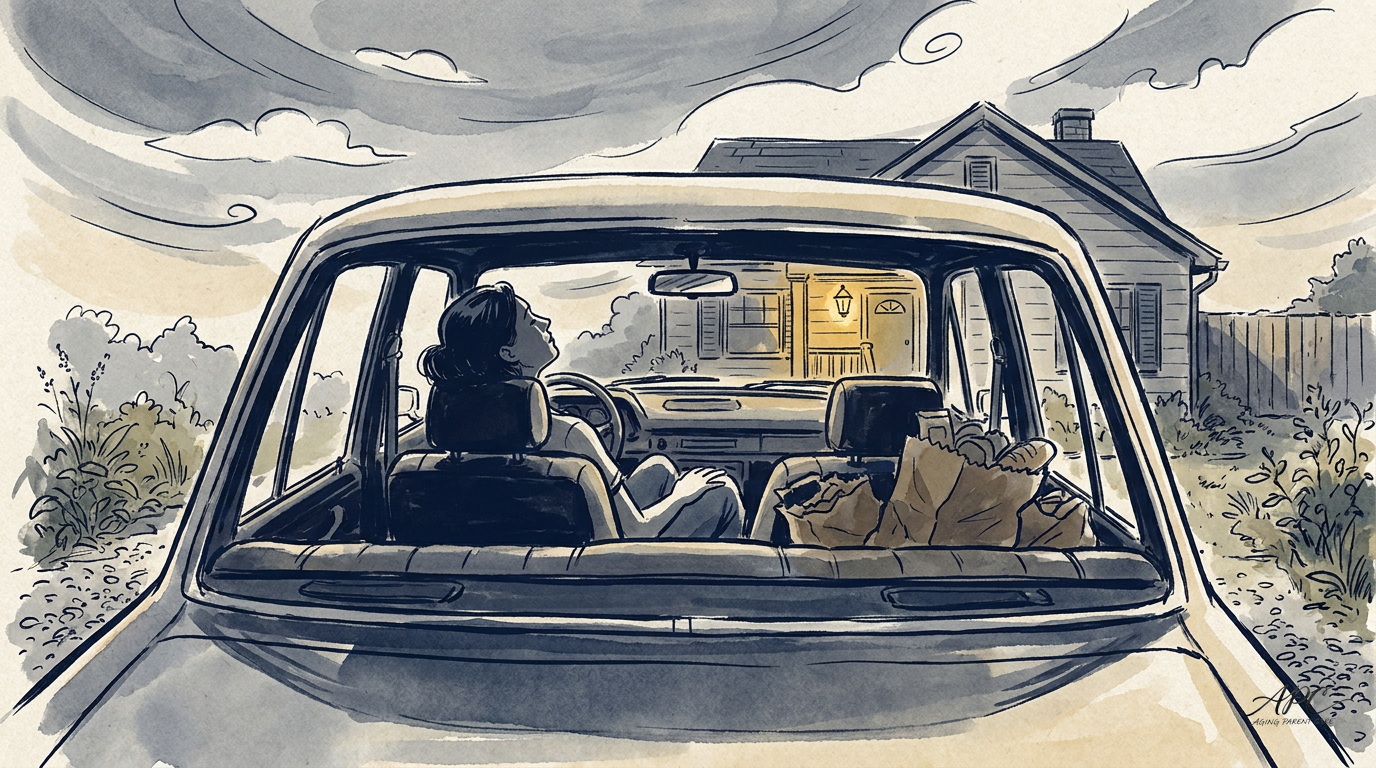
That was seven months ago. David has Venmo'd Meena $400 twice. Amy sent a spreadsheet of facilities in the Bridgeport area, none of which she visited. Meena drives to her mother's apartment every morning before work, makes breakfast, sorts medications, calls the home health aide to confirm the shift, drives to work, calls her mother at lunch, drives back after work, makes dinner, does laundry, and goes home to her own family around 8 p.m.
On the group text, David and Amy have opinions. The aide seems unreliable. Mom probably needs a geriatrician. Has anyone looked into that Medicaid waiver program?
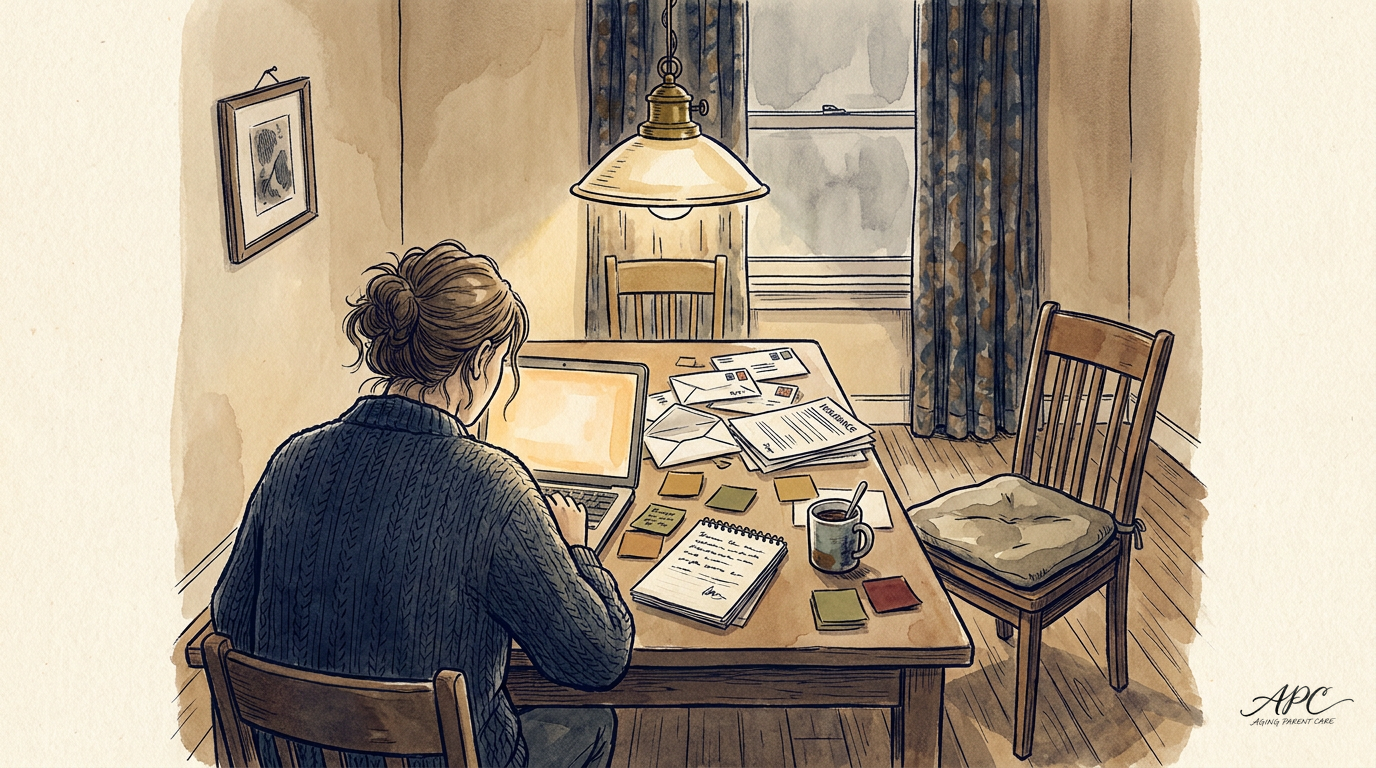
Meena hasn't responded to the group text in three weeks.
How One Sibling Becomes the Default
Sound familiar? This pattern is so common it's almost structural. Pew Research Center's February 2026 survey of 8,750 adults found that 10% of all American adults currently care for a parent over 65. Among those caregivers, women shoulder a disproportionate share: 28% of women with an aging relative are caregivers, compared to 23% of men.
But the gender gap only tells part of the story. Geography is the stronger predictor. The sibling who lives closest becomes the default, regardless of their capacity, their own health, their work schedule, or whether they volunteered. Proximity becomes the only qualification that matters.
The AARP/National Alliance for Caregiving report, published in July 2025, found that nearly 1 in 4 Americans is a family caregiver, a 45% increase from 2015. But that increase didn't distribute evenly across families. In most households, one adult child absorbs the majority of hands-on care.
A 2023 study in The Gerontologist tracked sibling dynamics over time and found that reports of sibling tension were significantly higher in families where parents experienced cognitive impairment. Caregiving reactivated old hierarchies. The responsible one took on more. The distant one pulled further away.
The Three Roles That Destroy Families
In families managing a parent's decline, siblings tend to sort into three roles. None of them chosen deliberately.
The Operator. This is the sibling on the ground. You handle the physical care, the medical appointments, the insurance calls, the grocery runs. You know your parent's medication schedule by heart. You're exhausted and increasingly resentful, though you may not use that word yet. The Advisor. This sibling lives at a distance and contributes opinions, research, and occasional money. They mean well. They may have professional expertise in a relevant field. But their contributions arrive without the context of being in the room, and the Operator experiences their suggestions as criticism of the work already being done. The Ghost. This sibling has withdrawn. They may have a fraught relationship with the parent, or with caregiving itself. They may be dealing with their own problems. Their silence reads as abandonment to the Operator and as boundary-setting to themselves.None of these roles is inherently wrong. But all of them, left unexamined, will fracture a family.
What the Money Argument Is Actually About
The argument about money is really an argument about value.
When an out-of-state sibling sends money, they believe they're contributing. When you're the one on the ground receiving it, you often experience it as a transaction: here's $500, now stop complaining. The amounts rarely match the actual cost, in dollars or in hours.
Pew's 2026 data shows that lower-income adults are 2.4 times more likely to be caregivers than upper-income adults (39% versus 16%). So the sibling with fewer resources is often the one providing more care, while the sibling with more resources offers money from a distance. The financial disparity compounds the resentment. Every single time.
Here's the thing: the conversation about money needs to be a conversation about hours. Not "how much can you send?" but "how many hours per week are you able to give, in any form?" Research, phone calls to insurance, financial management (all of it counts). But those hours need to be tracked and acknowledged.
Five Things That Actually Help
Families that manage this well don't do it through goodwill alone. They build structures.
Hold a family meeting with an agenda. Not a check-in call. A meeting with a written list of every task involved in your parent's care, how many hours each takes, and who currently does it. Seeing the full inventory on paper changes the conversation. Assign a care coordinator, not a care provider. The coordinator manages the schedule, communicates with medical providers, and tracks tasks. This role can be done remotely. It gives the distant sibling a defined responsibility beyond opinions. Use a shared digital tool. Apps like CareZone, Lotsa Helping Hands, or even a shared Google Sheet give all siblings visibility into what's happening daily. When everyone can see the medication log, the appointment calendar, and the aide schedule, the "has anyone looked into..." texts stop. What a relief. Put financial contributions in writing. Not as a legal document (unless you need one) but as a shared understanding. If one sibling pays for the home health aide and another handles the physical care, write it down. Review it monthly. Adjust it. Allow the Ghost to come back. If a sibling has withdrawn, the door should remain open for a specific, manageable re-entry. Not "you need to help more" but "could you take over the pharmacy coordination? It's two calls a week." Small, defined tasks are more likely to be accepted than guilt-driven appeals.When It Doesn't Work
Some sibling relationships won't survive this. That's worth saying plainly.
If a sibling won't engage despite clear asks, specific tasks, and repeated attempts, you may need to accept their absence and plan around it. This isn't the same as accepting it emotionally. The resentment may last. The grief of losing a sibling relationship on top of losing a parent's health is its own kind of loss.
But your parent still needs care. And you still need to function.
Meena eventually stopped waiting for David and Amy to step up and hired a second aide using a combination of her mother's savings and her own credit card. She told her siblings in a text, not an ask. A statement. "I hired another aide. Mom's afternoon coverage is now handled. I'll send you the cost breakdown."
David Venmo'd her immediately. Amy called for the first time in two months.
Sometimes the clearest communication isn't a conversation. It's a decision made out loud.
Sources
- Pew Research Center. "Caregiving in America 2026." February 2026.
- AARP and National Alliance for Caregiving. "Caregiving in the United States 2025." July 2025.
- Pillemer, K., Suitor, J.J., et al. "Sibling Conflict and Solidarity in Families of Adults with Cognitive Impairment." The Gerontologist, 2023.
- Pew Research Center. "Caregiving in America 2026: Income and Caregiving." February 2026.
- Family Caregiver Alliance. "Sibling Caregiving." National Center on Caregiving.
- National Institute on Aging. "Sharing Caregiving Responsibilities." U.S. Department of Health and Human Services.
© 2026 Aging Parent Care. All rights reserved. No portion of this article may be reproduced, distributed, or used in any form without the explicit written permission of Aging Parent Care.
Make Your Business Online By The Best No—Code & No—Plugin Solution In The Market.
30 Day Money-Back Guarantee
Say goodbye to your low online sales rate!