Putting Mom in a Home Is Not Abandonment (So Why Does It Feel Like It?)
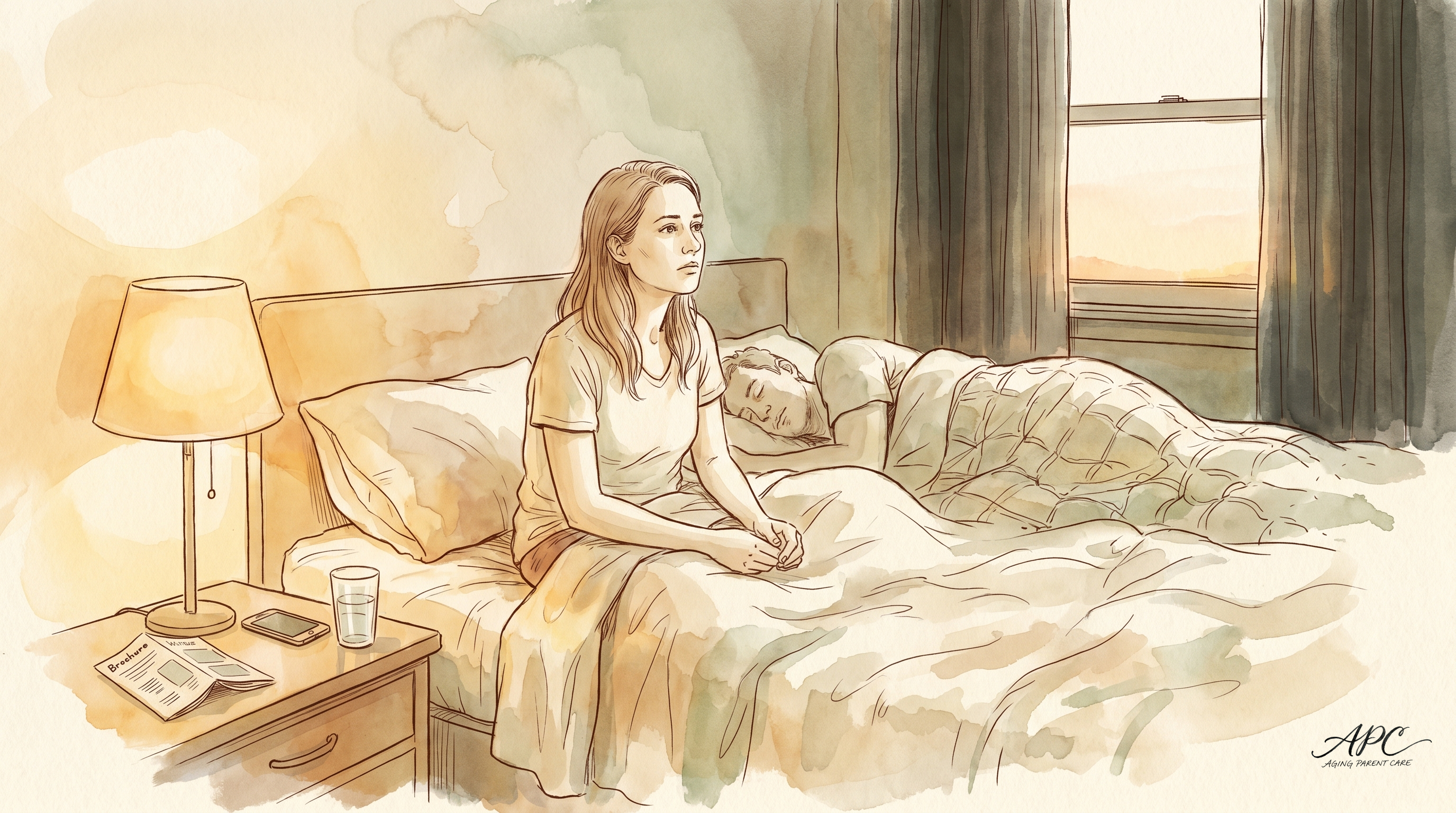
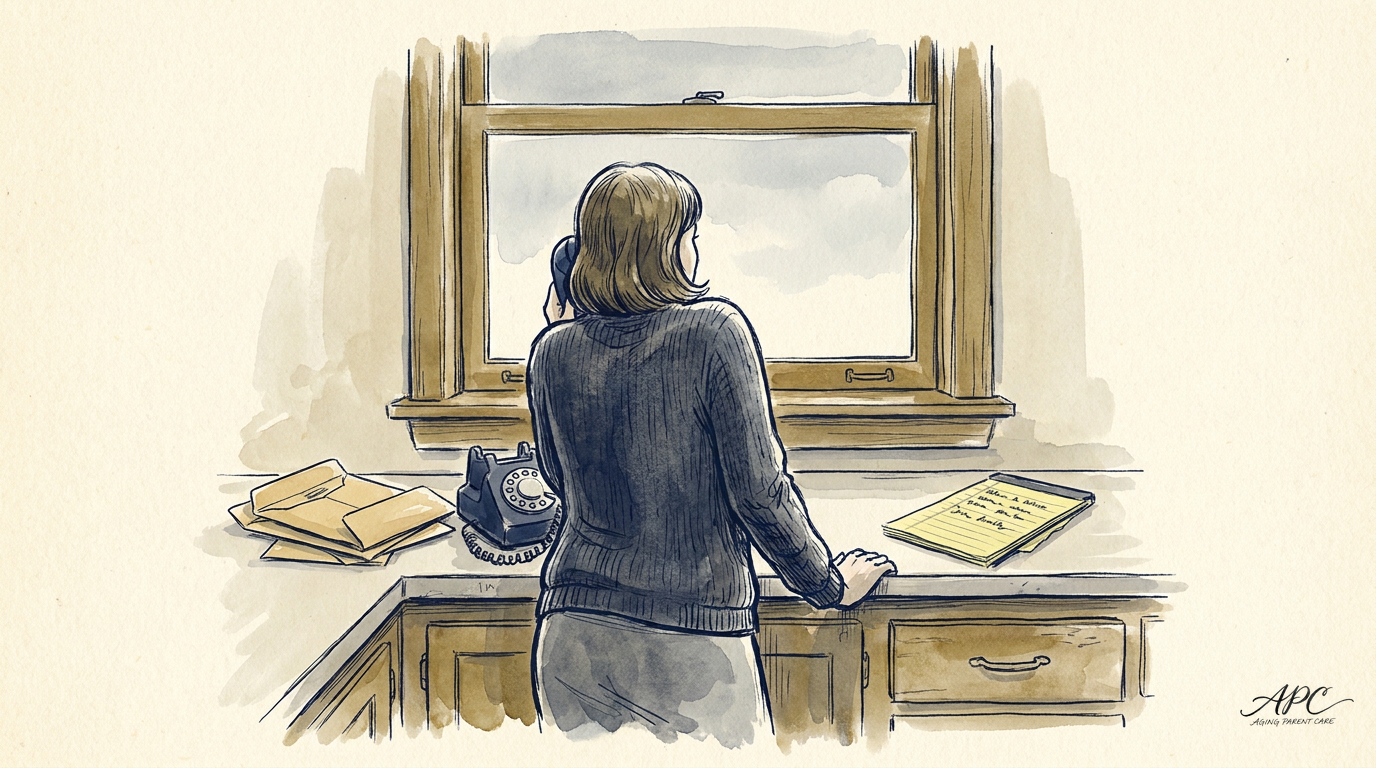
You made the call. Or you're about to make it. Or you've been circling it for months, picking it up and putting it down like a phone number you can't bring yourself to dial.
Moving a parent into assisted living or a nursing facility is one of the most difficult decisions in caregiving. The logistics are hard. The costs are staggering. But what makes it unbearable is the feeling that you're betraying something you promised, or something you absorbed so deeply it functions as a promise even though the words were never said.
If you said that, or if you carry it as an unspoken covenant, this article is for you.
The Promises We Think We Made
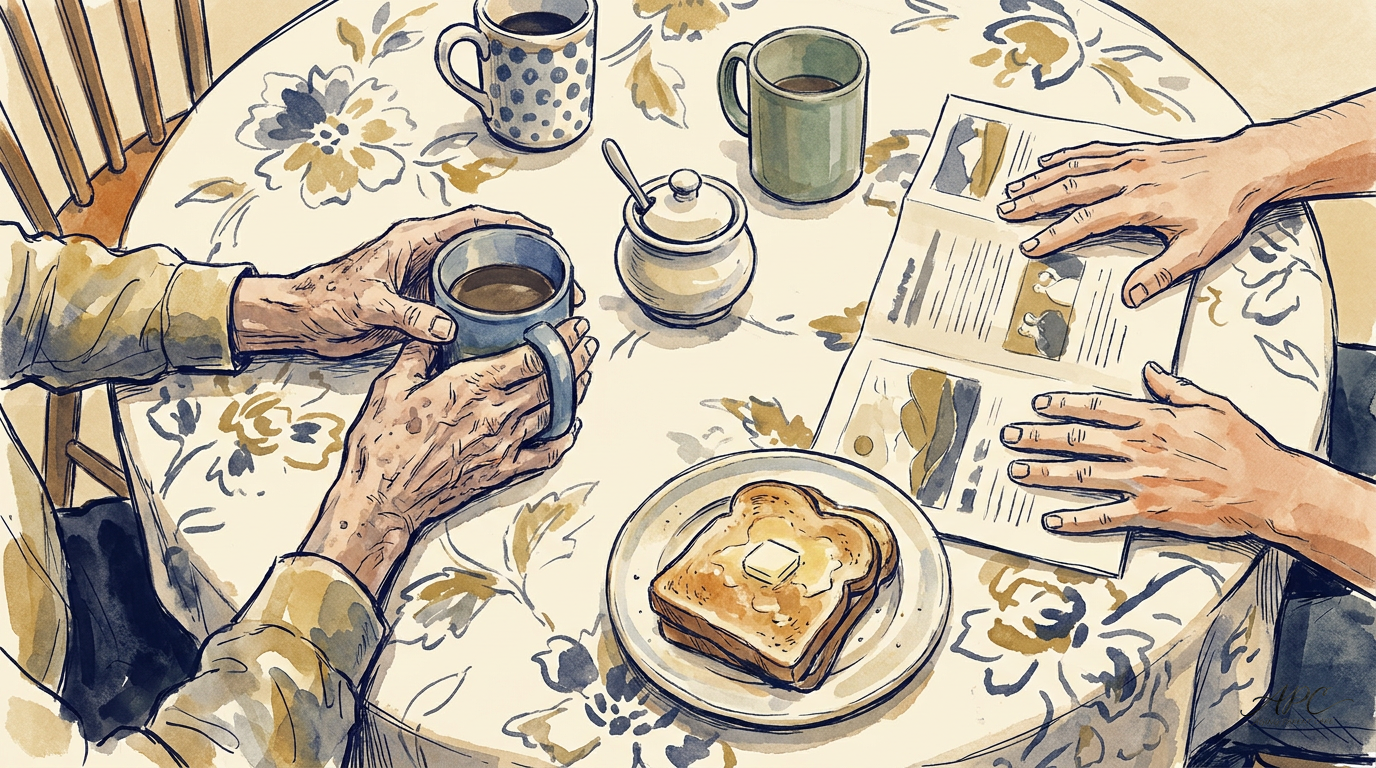
Most adult children of aging parents carry some version of the promise. It might have been explicit, made at a kitchen table or a hospital bedside. More often, it's implicit: a cultural expectation and a sense of obligation absorbed rather than articulated.
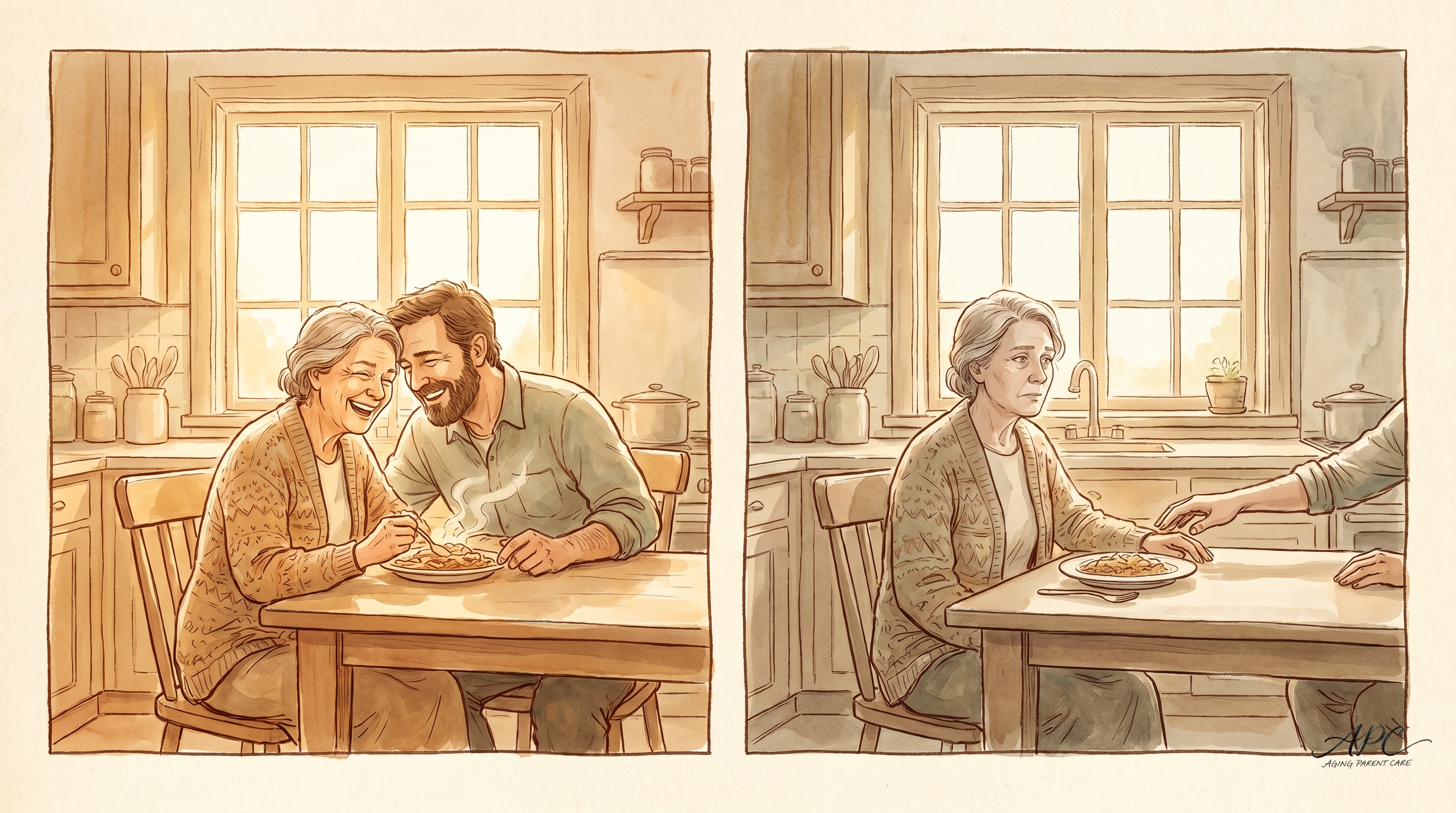
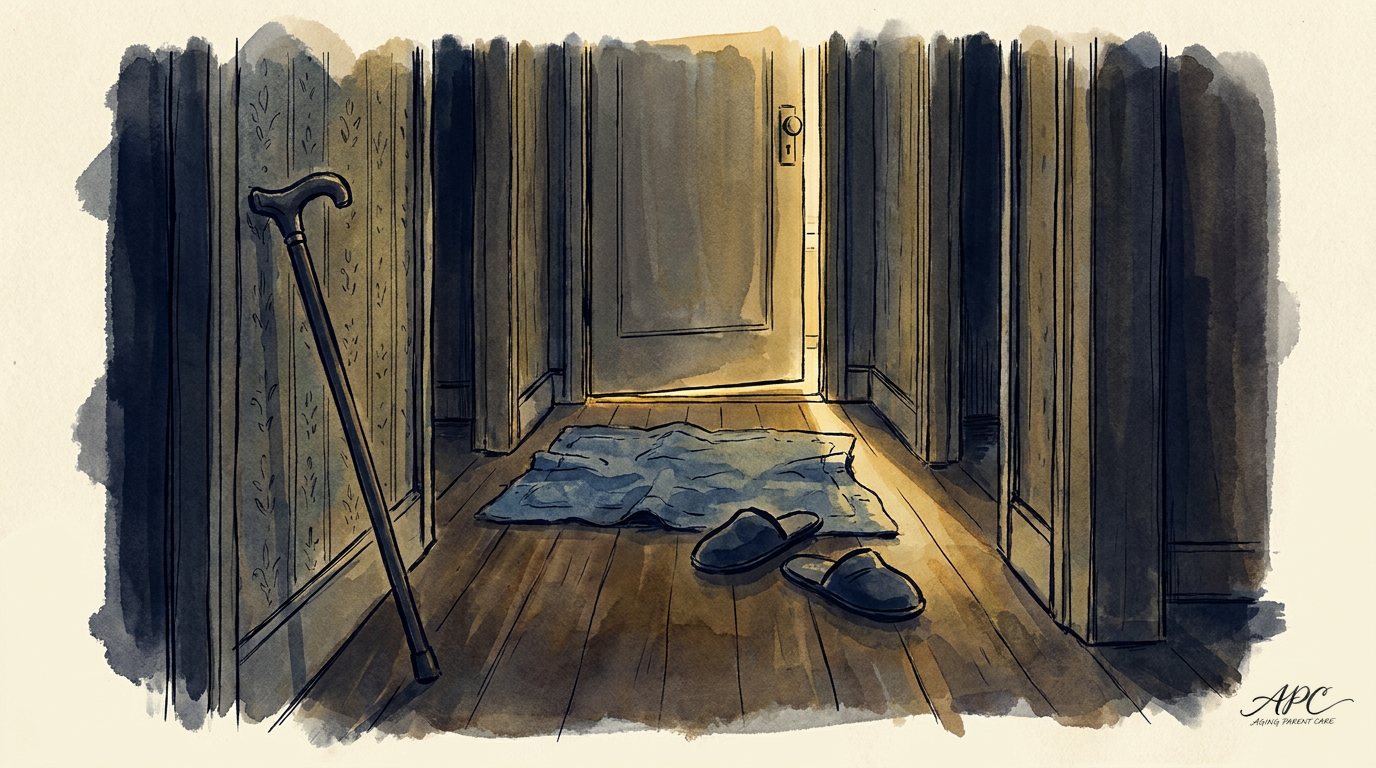
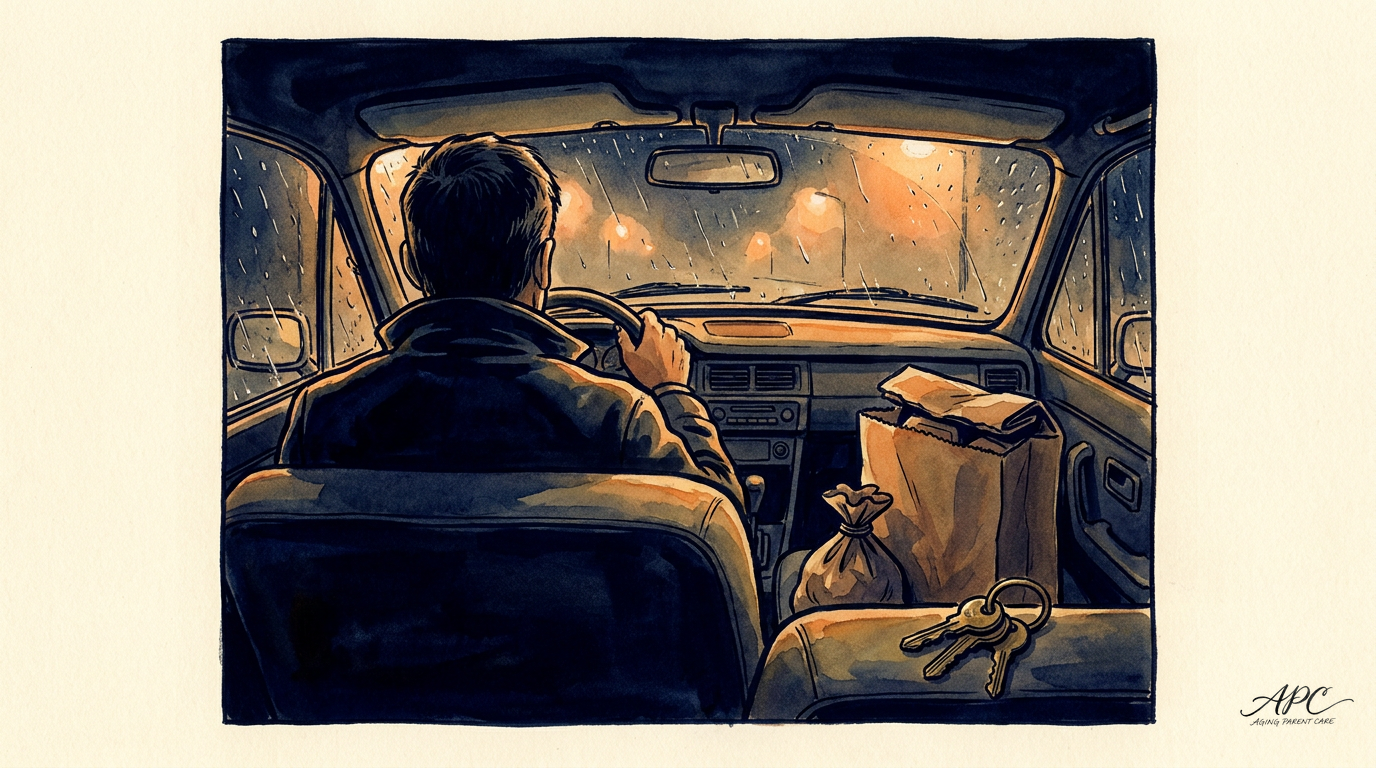
Here's the thing: the promise is almost always made before the reality of care is understood. You promised when your mother could cook and remember your name and use the bathroom independently. You promised before you knew that dementia could make a person hostile to the people they love. You promised before you understood that a fall at 3 a.m. with no one there is an eventuality. You had no way to foresee your own children, your own health fraying, or the sixteen-hour days that would make you a person you don't recognize.
The promise was made in good faith and without information. Both of those things can be true at once.
What Professional Care Actually Is
The phrase "putting someone in a home" carries the full weight of institutional neglect, warehoused elders, and abandonment. It's a phrase designed to produce guilt. And it works.
But modern assisted living and skilled nursing care in a well-run facility look very different from what that phrase implies:
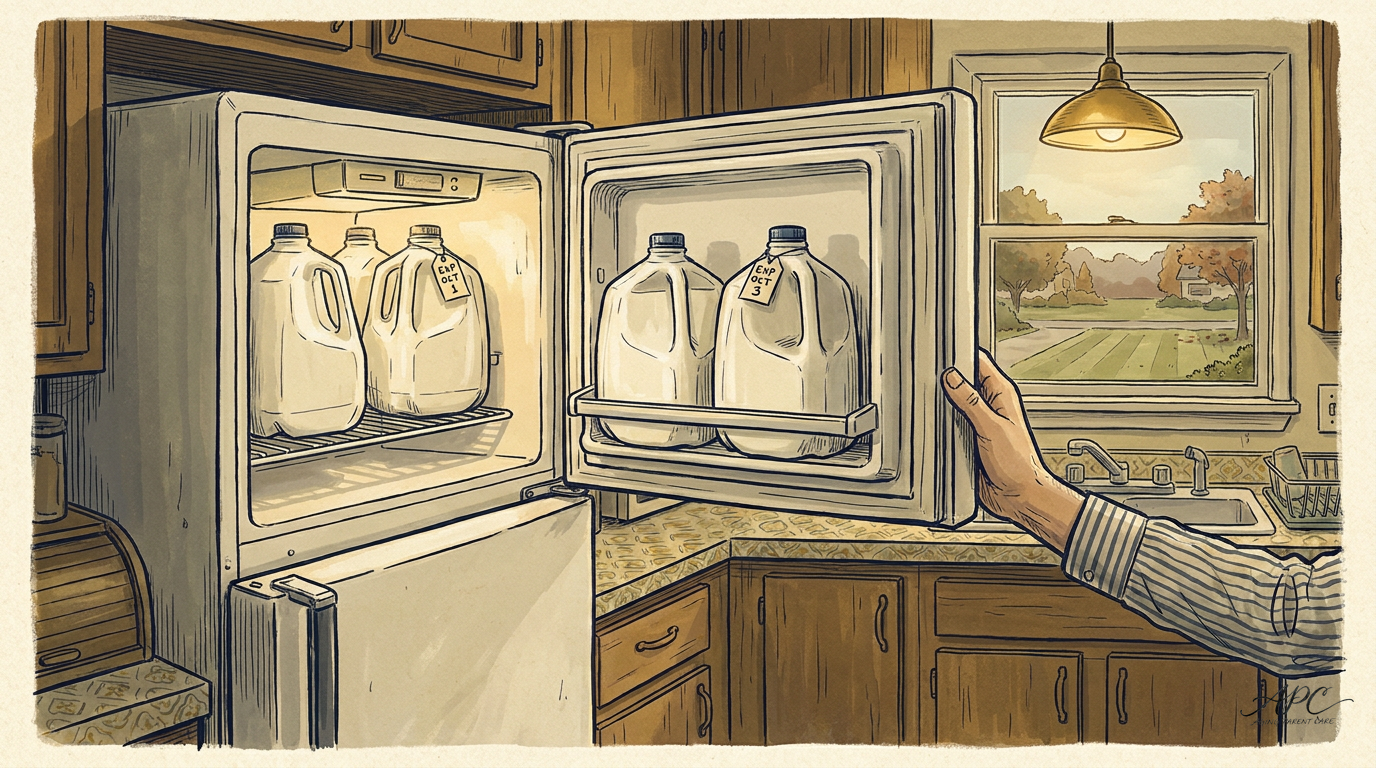
- Someone is always awake and trained to respond to a fall, a medication error, or a cognitive episode. You, sleeping in the next room with one ear open, are not that.
- Isolation is one of the leading accelerants of cognitive decline. A 2023 National Institute on Aging study found that social isolation in adults over 65 was associated with a 50% increased risk of dementia. Assisted living provides daily social contact that most homebound seniors simply don't receive.
- In a facility, medications are administered on schedule by trained staff. At home, medication errors are one of the most common and dangerous problems in elder care, particularly for seniors managing multiple prescriptions.
- Three meals a day, prepared to dietary specifications, served in a social setting. The number of homebound seniors who are malnourished because they can't cook, forget to eat, or have lost the motivation to prepare food is far higher than most families realize.
- Modified environments, assistive devices, and immediate response protocols. The average response time to a fall in a facility is minutes. The average response time to a fall at home, alone? Hours.
Quality varies enormously between facilities, and choosing one requires visits and ongoing oversight. But the binary of "home good, facility bad" doesn't survive contact with the data.

The Guilt Has a Name
What you're feeling has a clinical name: filial guilt, the distress that arises when adult children perceive themselves as failing in their duty to care for aging parents.
And here's the cruel part. Research has shown that filial guilt is highest among the most dedicated caregivers. The people who feel the worst about the placement decision are almost always the people who did the most to prevent it. They delayed the transition, absorbed the burden, sacrificed their own health and relationships, and still arrived at the same decision, now carrying the additional weight of feeling that their effort wasn't enough.
The guilt punishes the people who tried the hardest. Every single time.
The Signals That It's Time
No article can tell you when it's time. But there are signals that the current arrangement has become unsafe or unsustainable:
- , and the home environment can't be modified further to prevent it.
- (bathing, dressing, eating, toileting, transferring, continence) and the level of help needed is increasing.
- , particularly at night, creating safety risks that supervision alone can't manage.
- : chronic sleep deprivation, weight changes, untreated medical conditions, depression, anxiety, or persistent physical pain.
- , even with paid help. The key word is . An arrangement that works most days but fails catastrophically on the days it doesn't is not reliable.
- That sentence is often the closest a proud parent will come to giving you permission.
What You Can Do With the Guilt
You can't eliminate filial guilt through logic. The guilt runs deeper than logic. It's emotional and cultural, woven into who you are. But you can do several things to keep it from consuming the decision:
The decision to move your parent to a facility can be the right decision and still feel terrible. These aren't mutually exclusive. Feeling terrible is not evidence that you're wrong.
Moving your parent to a facility doesn't end your caregiving. It changes it. You become the advocate and the watchdog: the person who monitors care quality, communicates with staff, and makes sure your parent's needs are met. This role is real and necessary. Facilities provide care. Families provide love and accountability.
Not someone who will validate your guilt or dismiss it, but someone who's been through the same transition and can speak honestly about what it was like. The Alzheimer's Association (1-800-272-3900), your local Area Agency on Aging, and caregiver support groups through AARP or the Family Caregiver Alliance can connect you with people who understand.
Tour three facilities. Talk to residents' families. Ask what they wish they'd known. The more information you have, the less the decision feels like a leap and the more it feels like a choice.
You're going to feel guilty. Plan for it. When it arrives, name it for what it is: the voice of an impossible standard that no human being can meet.
The Thing You Need to Hear
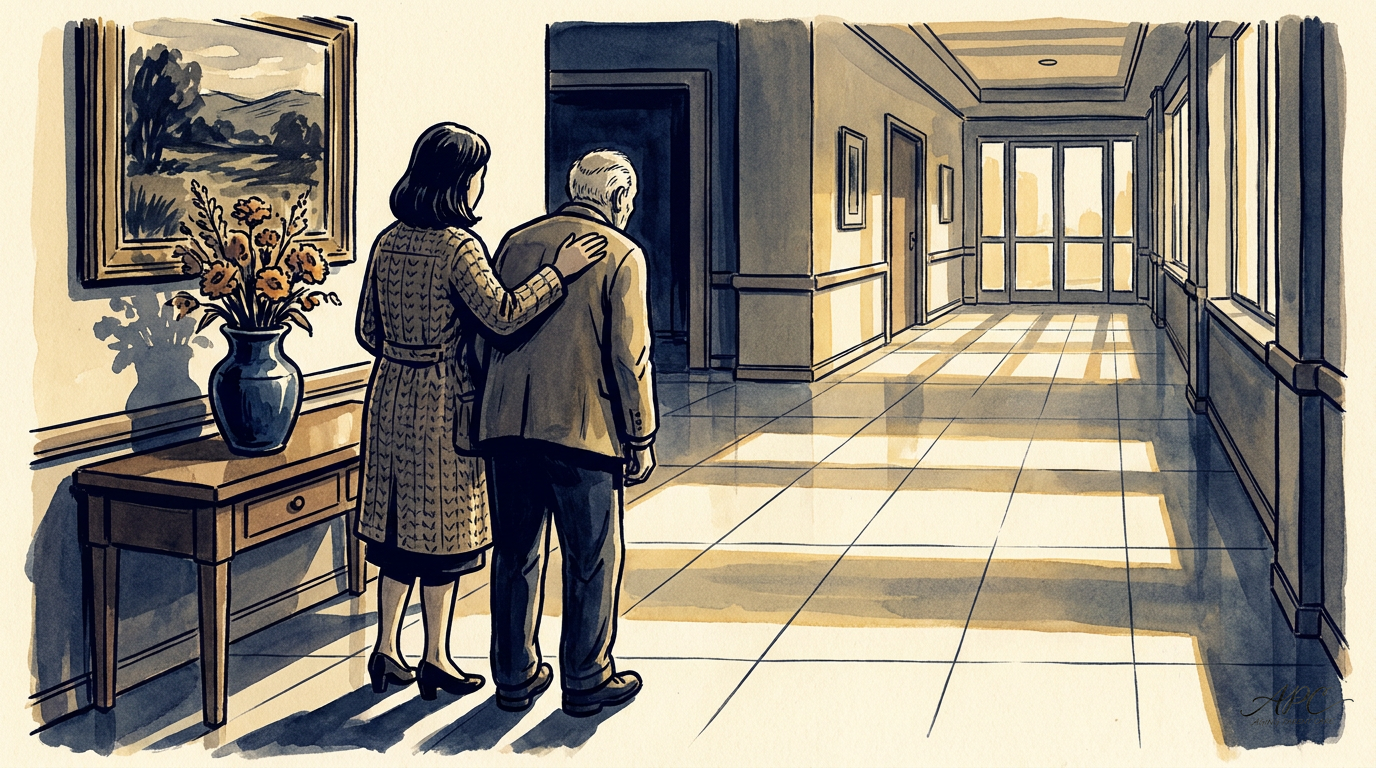
Putting your parent in a care facility means recognizing that the level of care your parent needs has exceeded what one person, or one family, can safely and sustainably provide. It's choosing safety over sentiment. It's making a decision that your parent may not understand, in a moment when they may not be capable of understanding it, because you love them enough to do the hard thing.
That's caregiving at its most difficult and its most honest.
Sources
- National Institute on Aging. Social Isolation, Loneliness in Older People Pose Health Risks. 2023.
- Family Caregiver Alliance. Caregiver Health. National Center on Caregiving.
- AARP. Long-Distance Caregiving: Coping with Guilt and the Limits of Care.
- Centers for Medicare and Medicaid Services. Nursing Home Resident Rights and Protections. 2023.
- Schulz R, Sherwood PR. Physical and Mental Health Effects of Family Caregiving. American Journal of Nursing, 2008.
- U.S. Administration for Community Living. Eldercare Locator.
© 2026 Aging Parent Care. All rights reserved. No portion of this article may be reproduced, distributed, or used in any form without the explicit written permission of Aging Parent Care.
Make Your Business Online By The Best No—Code & No—Plugin Solution In The Market.
30 Day Money-Back Guarantee
Say goodbye to your low online sales rate!