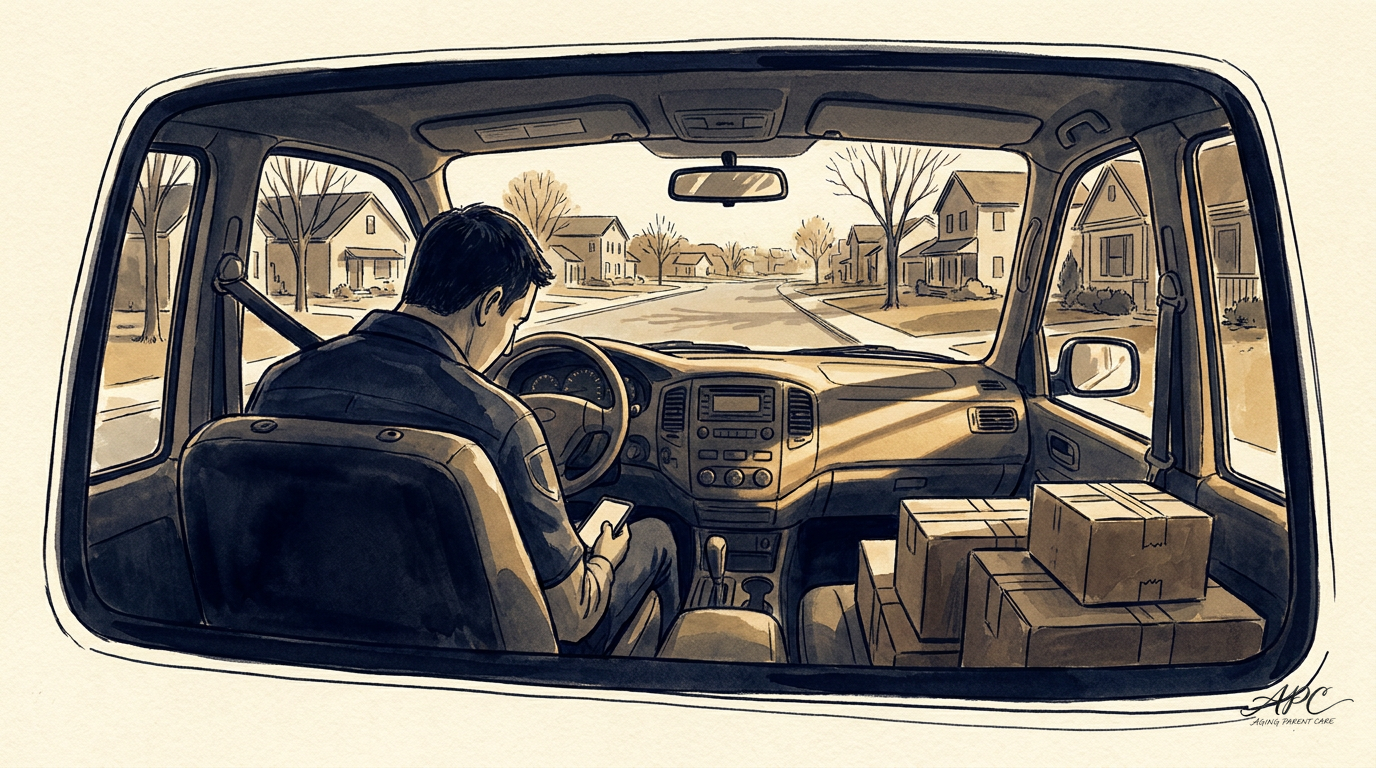
The 22-Hour Week Nobody Warned You About
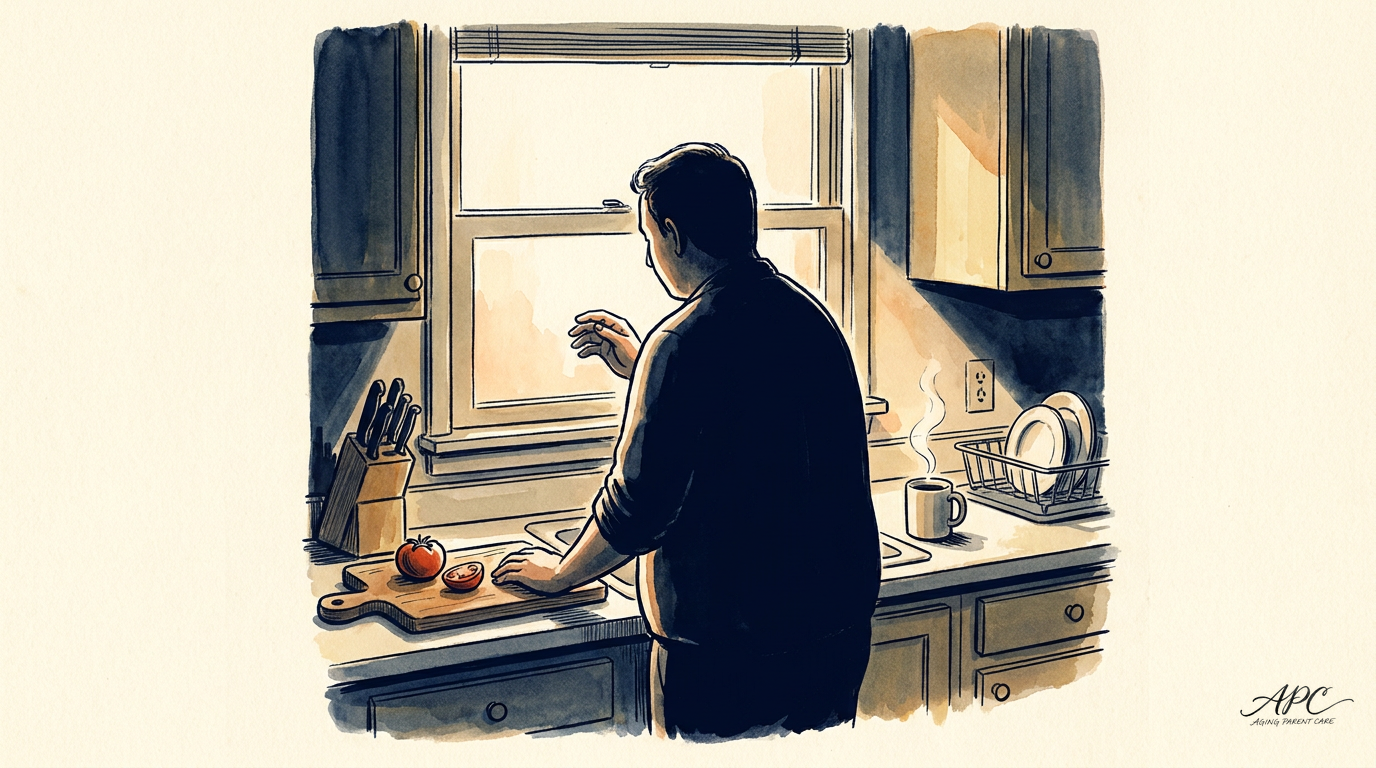
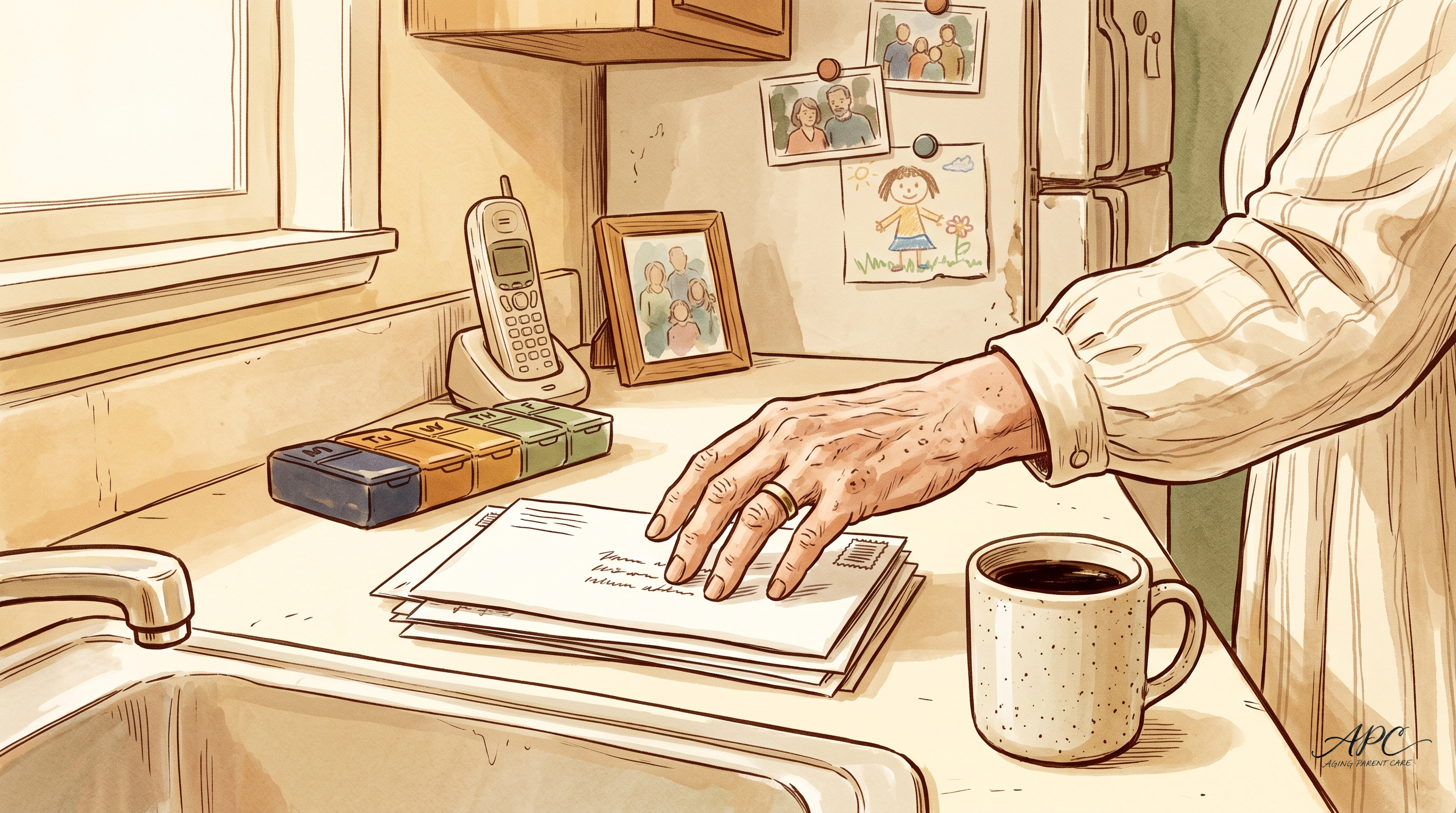
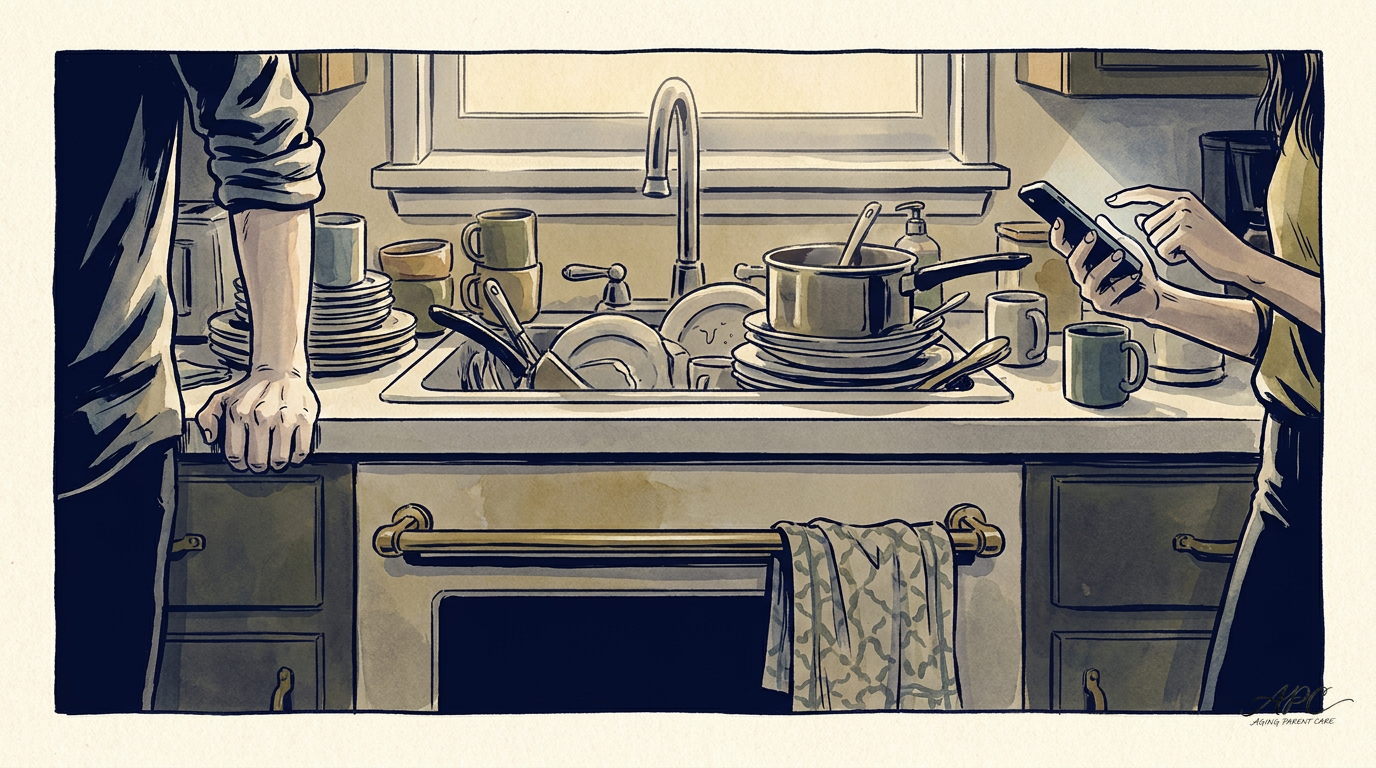
Nora Kessler noticed the tremor on a Tuesday. Her mother's hand was steady. Hers was shaking. She was standing at the kitchen counter in her apartment in Columbus, trying to slice a tomato, and her right hand wouldn't hold still. She'd been up since five, had already called her mother's pharmacy about a prior authorization, emailed her mother's landlord about a broken radiator, and driven across town to drop off a week's worth of labeled meals in plastic containers. It was 11 a.m. She hadn't eaten.
Nora is the median.
The Numbers That Should Make You Angry
According to 2026 data from A Place for Mom, the average family caregiver spends 22.8 hours per week providing care. Call it a part-time job, except there's no pay, no benefits, no job description, and no end date.
Thirty percent of caregivers exceed 30 hours a week. Sixty-four percent also hold paid employment. Do that math for a moment: a full-time job, plus what amounts to another half-time position, with no training and no backup.
Seventy-eight percent of these caregivers report burnout. The more honest question is what the other 22 percent are doing differently, or whether they've simply stopped recognizing what burnout feels like.
What Burnout Actually Looks Like
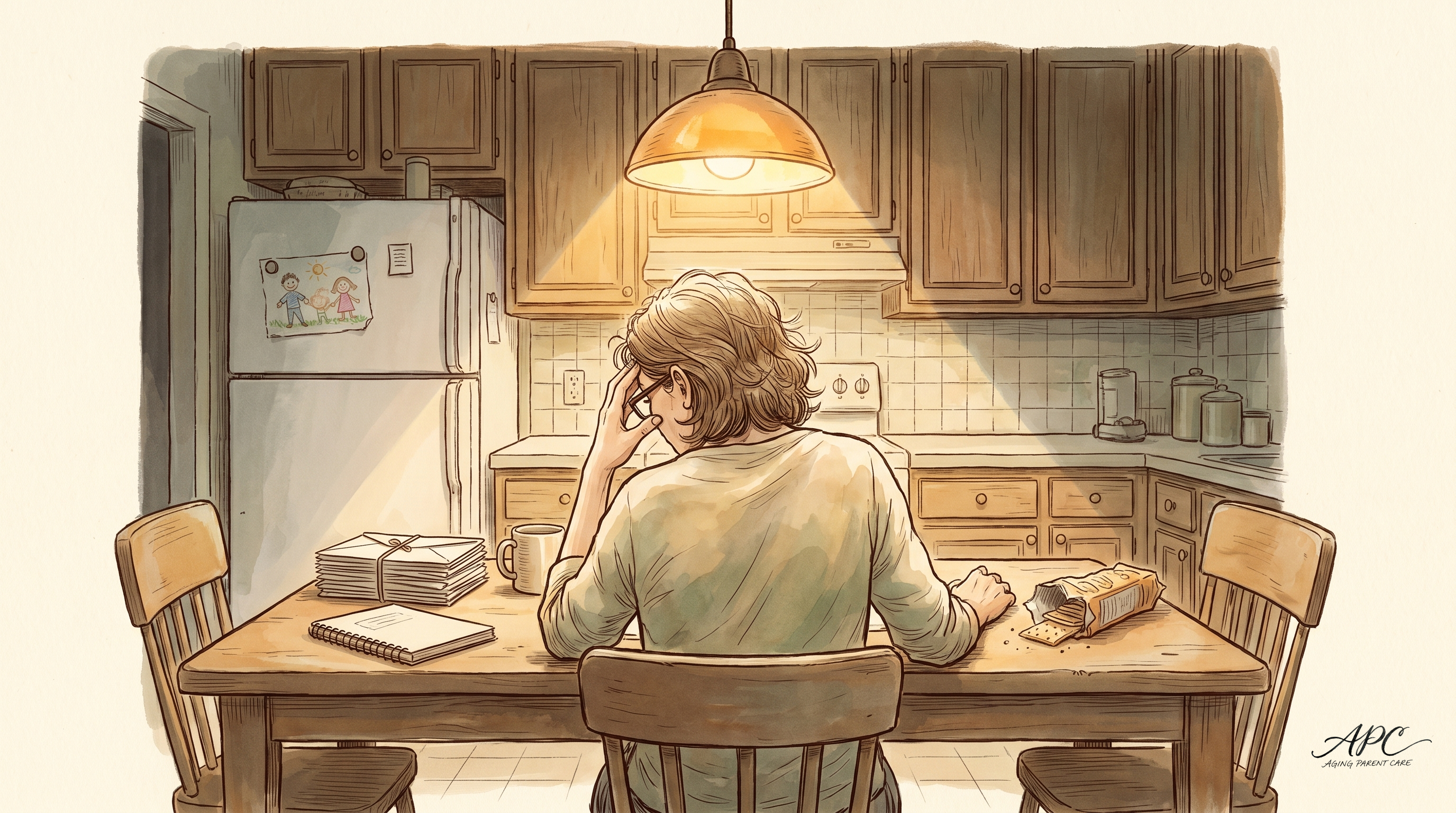
The word "burnout" makes it sound like a single event. A flame going out. But burnout in caregiving is cumulative. It accrues like interest on a debt you didn't know you were taking on.
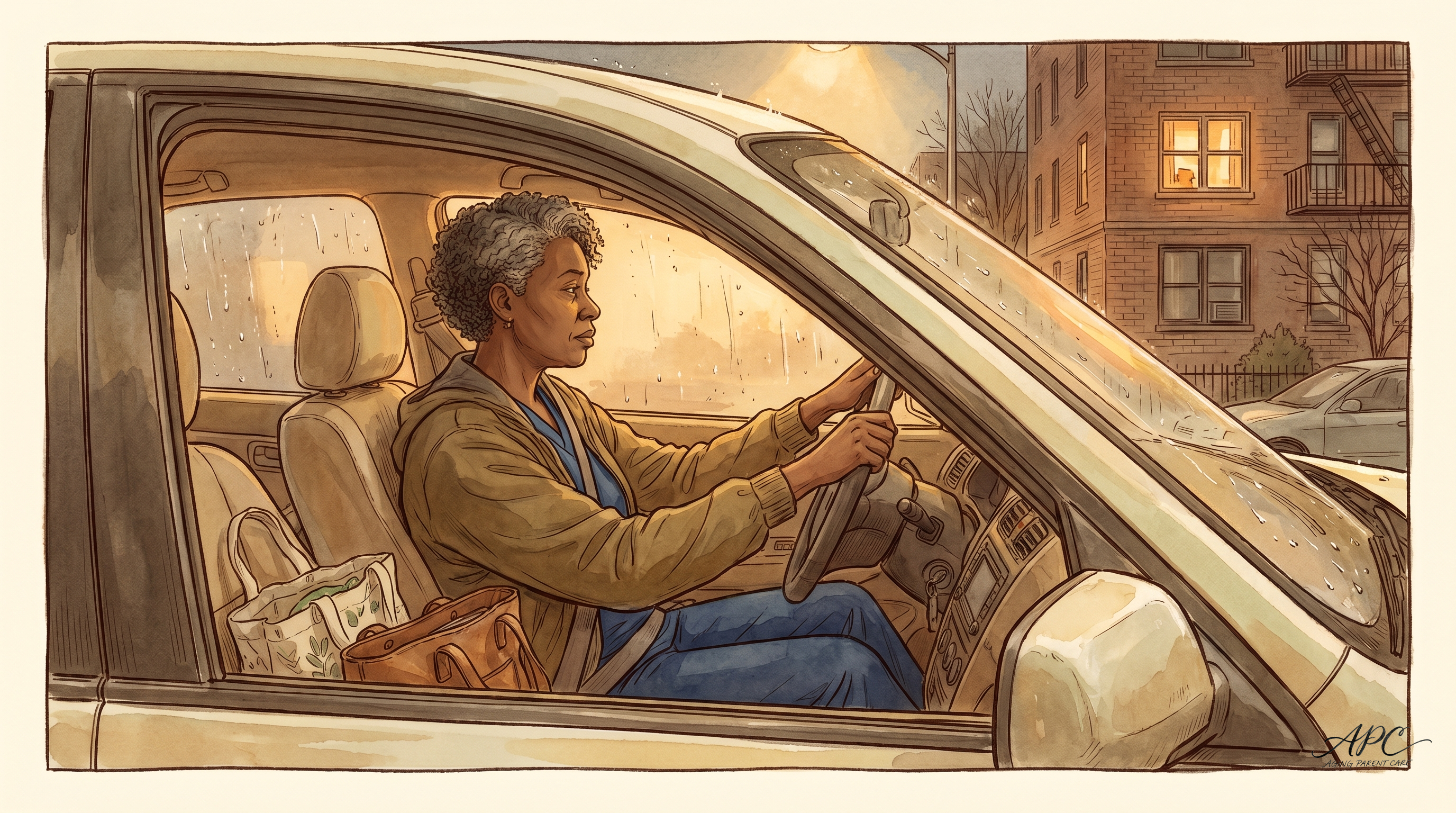
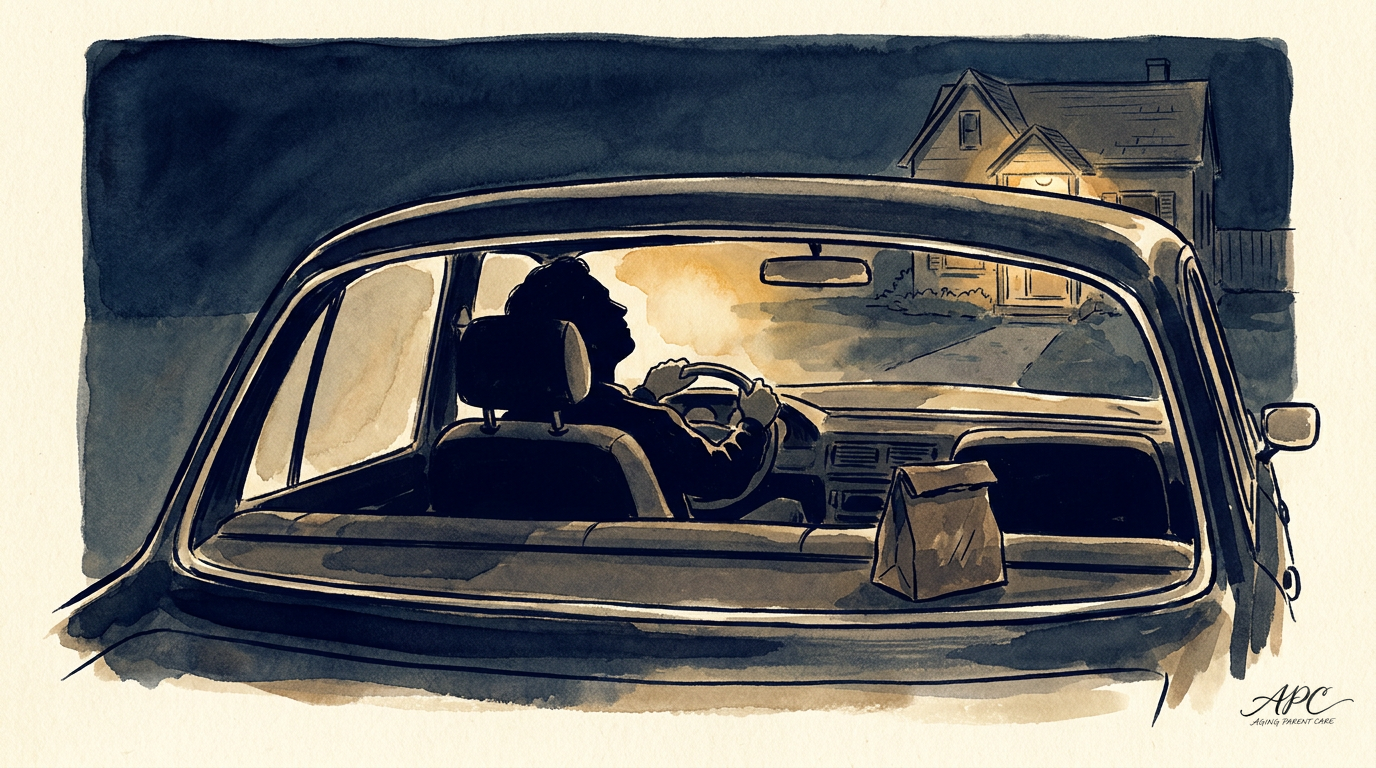
It looks like this: You cancel plans with friends because the window of time you had just closed. You eat standing up. You snap at your kids for asking you a question. You sit in your car in the driveway for ten minutes before going inside because going inside means the next thing starts. Sound familiar?
The 2026 data breaks it down further:
- 87% of caregivers report stress or anxiety. More than half feel it every week.
- 84% report feeling overwhelmed.
- 50% have weekly sleep trouble.
- 68% experience financial strain from caregiving costs.
- 33% say their mental health has gotten worse.
These aren't the numbers of people who need a spa day. These are the numbers of people operating in a system that was never designed to hold them.
The Preparation Gap
Here's the statistic that explains almost everything else: only one in four caregivers felt even somewhat prepared when they started. Three out of four walked into this blind.
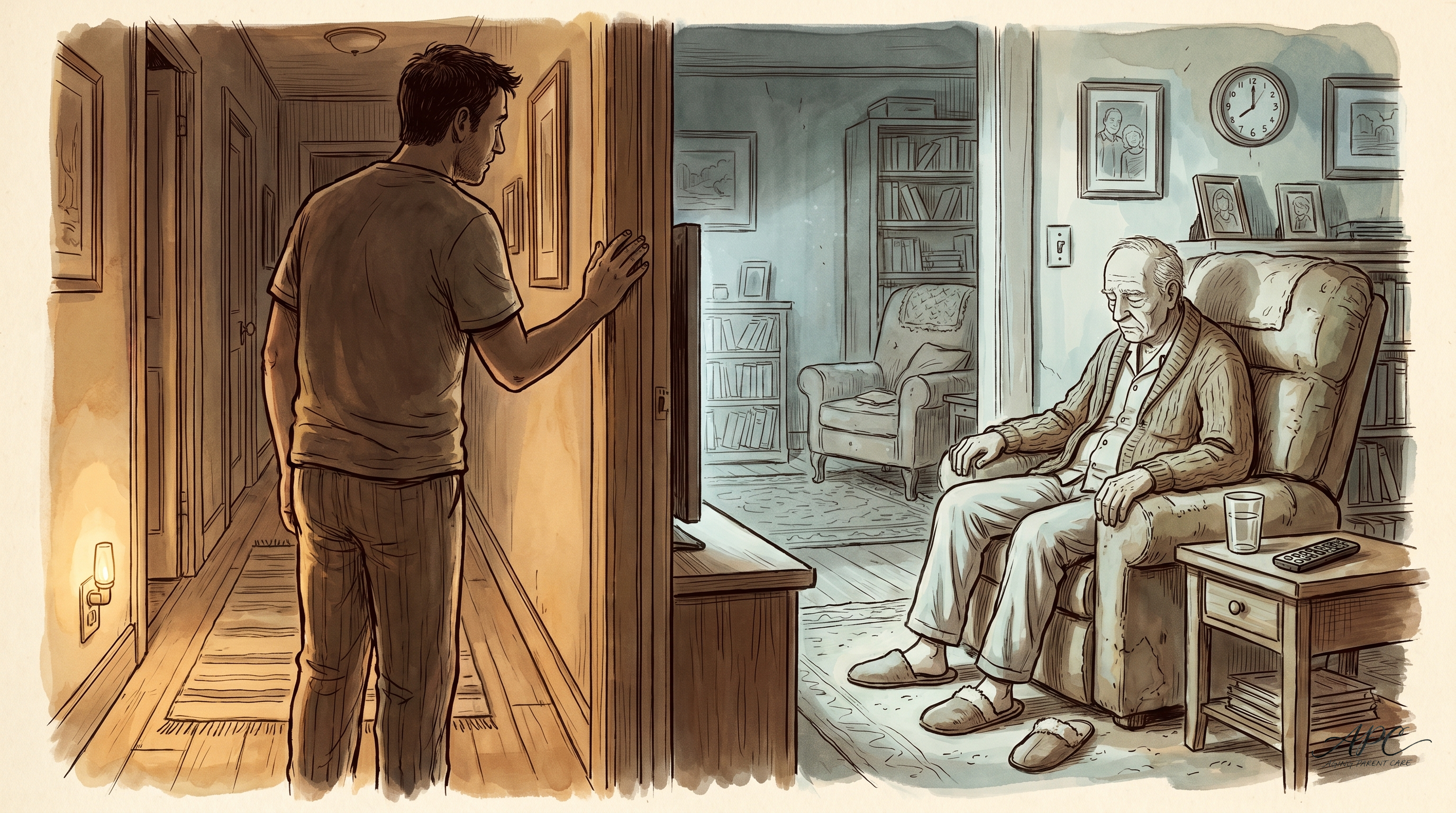
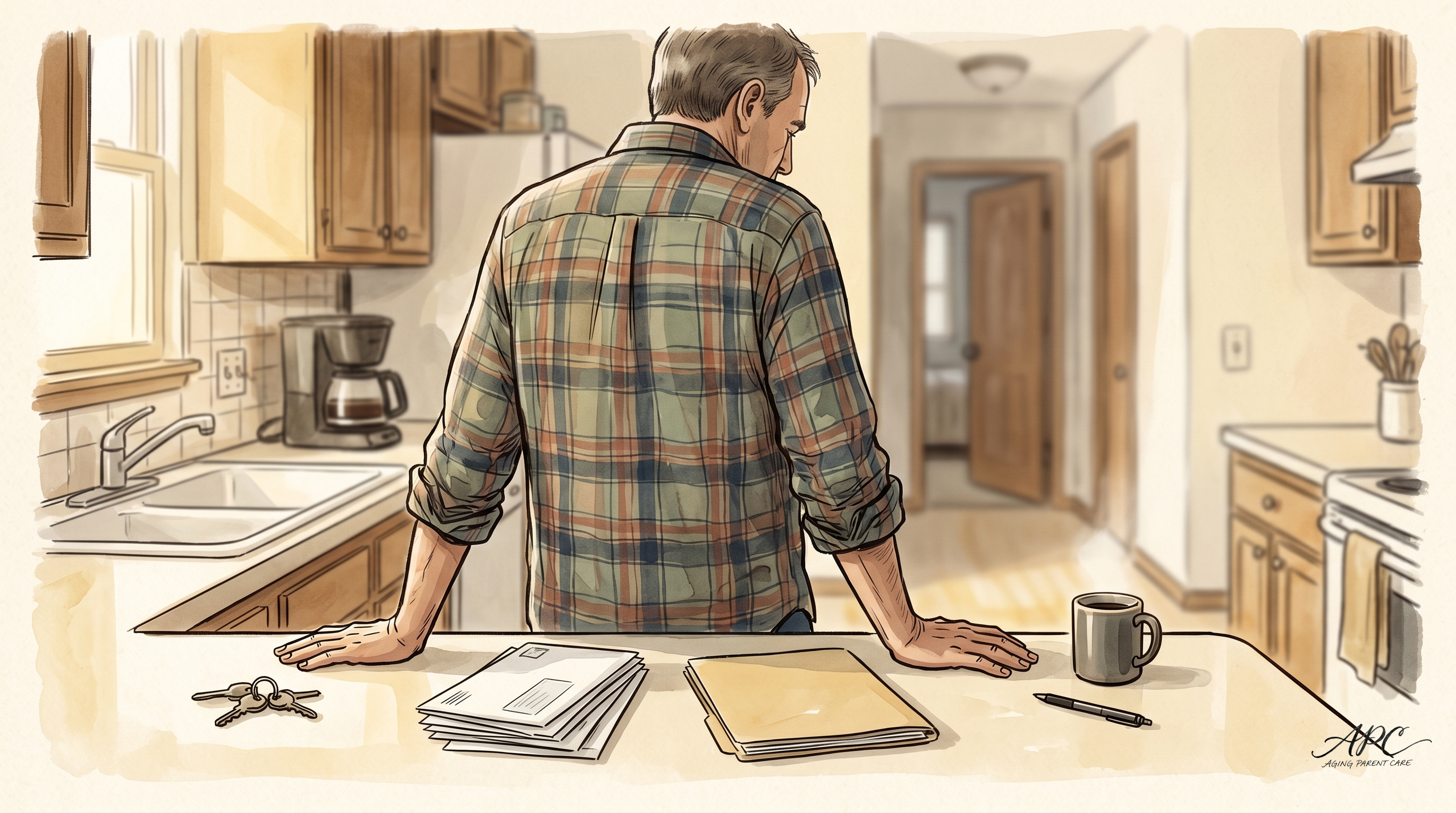
That tracks. Nobody teaches you how to manage your parent's medications or argue with an insurance company about wheelchair coverage. Nobody tells you that you'll spend two hours on hold with Medicare and then get disconnected. Nobody warns you that the physical labor is the easy part. The mental load is worse: the appointments, the decisions, the constant vigilance, the awareness that if you drop a ball, the person who gets hurt is someone you love.
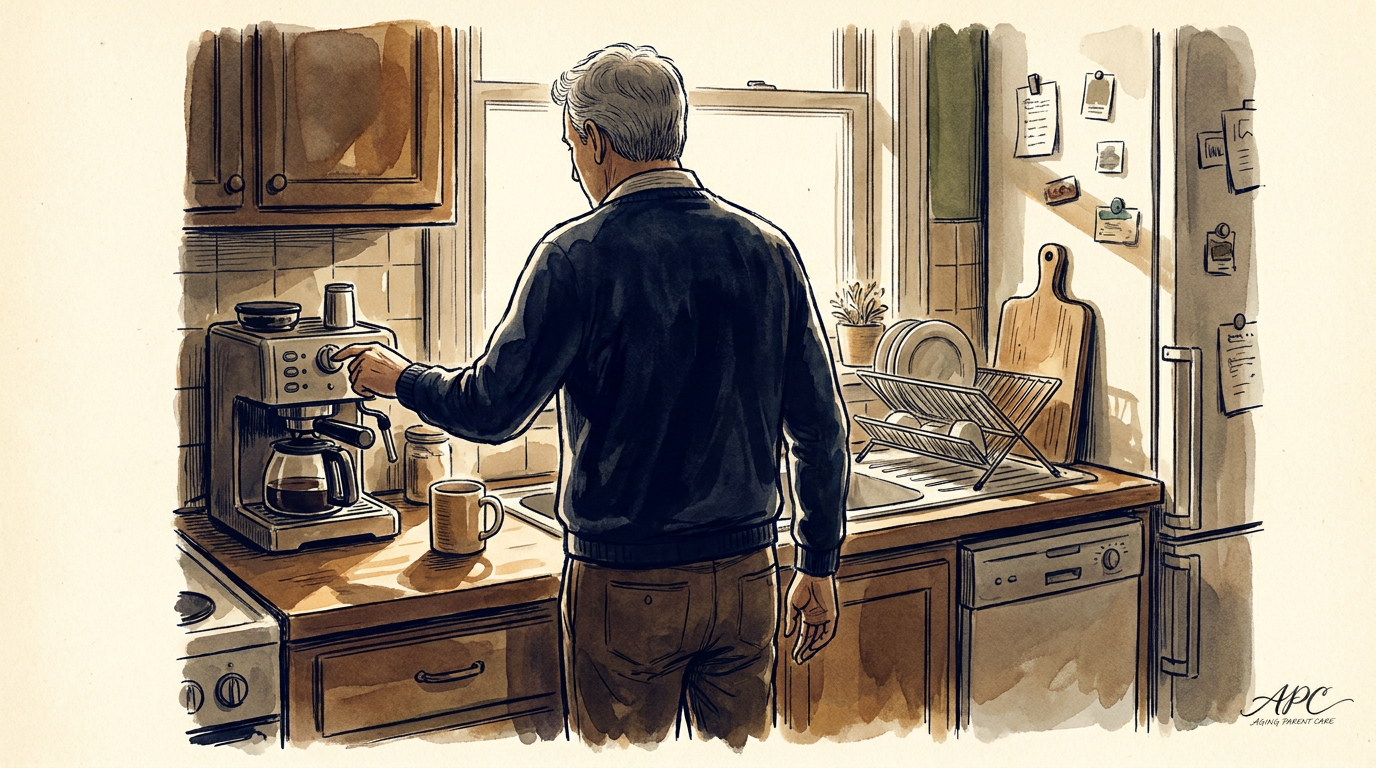
Fifty-four percent of caregivers say they wish they'd planned sooner. But planned for what, exactly? You can't plan for the moment your father stops recognizing the route home from the grocery store. You can't plan for the call from your mother's neighbor saying she found your mother standing in the yard at 2 a.m., confused.
Caregiving starts with a crisis, and then it just continues.
Nora wasn't unusual. A 2026 AARP report valued unpaid family care at just over one trillion dollars a year, based on 49.5 billion hours at an average of $20.41 per hour. No government program covers that. It's people like Nora, cutting tomatoes with shaking hands.
The Isolation Spiral
More than half of caregivers report feeling lonely or isolated on a weekly basis. Forty percent say their social life has deteriorated.
This makes perfect sense. Caregiving colonizes your calendar. It fills the margins of your day, then the center. The friend who used to call eventually stops calling. Not from cruelty; from awkwardness. What do you say to someone whose life has become a series of medical appointments and difficult conversations with siblings who aren't helping?
The isolation compounds the burnout. Without outside perspective, you lose the ability to see how much you've taken on. The abnormal becomes your normal. Sleeping four hours feels adequate. Crying in the shower feels routine.
What Actually Helps (and What Doesn't)
Let's be honest about what doesn't help: being told to "take time for yourself." That advice, however well-meaning, lands like a joke when you're the only person standing between your parent and a missed dose of blood pressure medication.
What does help is structural. Specific. Actionable.
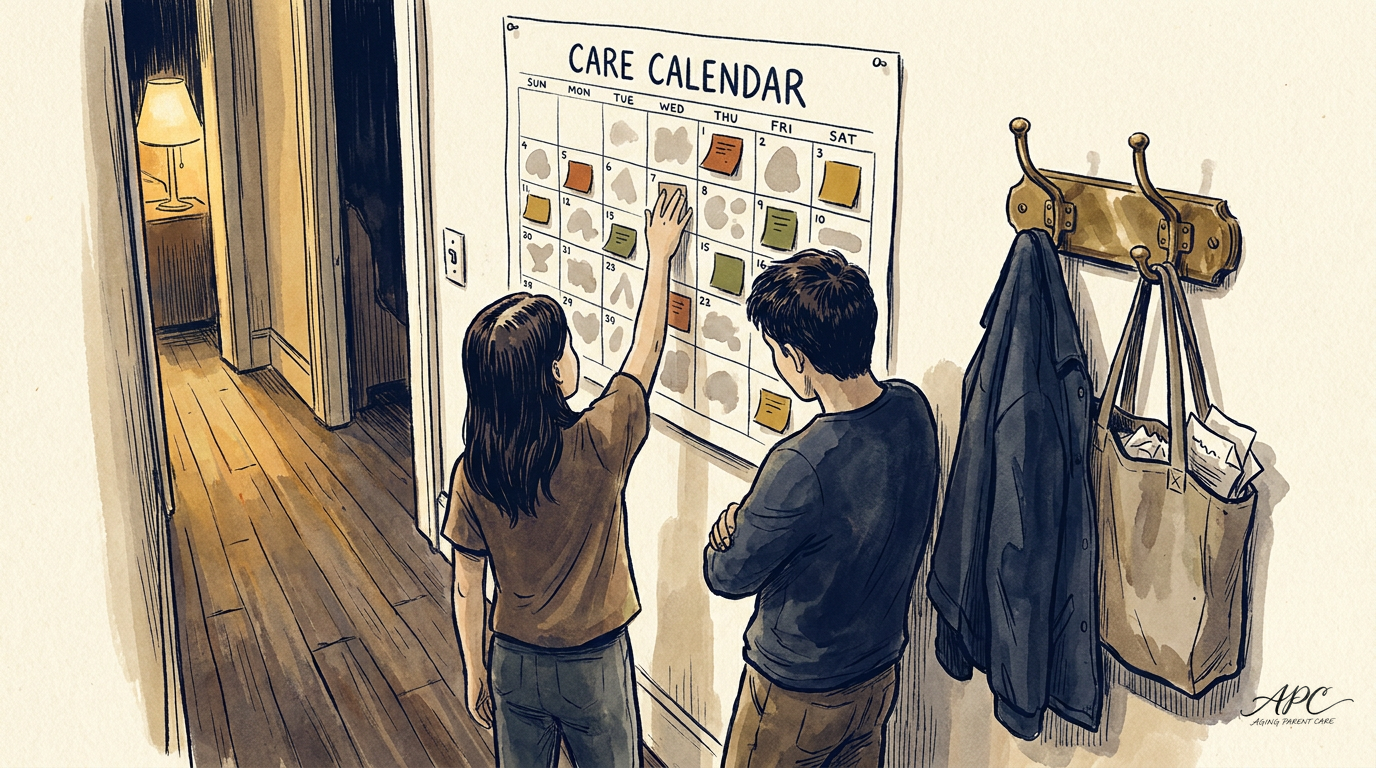
Name your hours. Track your caregiving time for one week. Write it down. The goal is clarity, so you can see what you're actually carrying. You can't ask for help with something you haven't quantified.
Separate the roles. You're probably functioning as medical coordinator, financial manager, emotional support, errand runner, and hands-on caregiver all at once. Write out those roles. Then ask: which of these can someone else do? A sibling. A neighbor. A paid aide for even four hours a week through an agency like Home Instead or Visiting Angels, both of which offer respite-only scheduling.
Look into the 2026 respite benefit. Many states have expanded respite care programs. The National Family Caregiver Support Program provides respite funding through your local Area Agency on Aging (find yours at eldercare.acl.gov or call the Eldercare Locator at 1-800-677-1116). The application is unglamorous. The relief is real.
Talk to your employer. The FMLA provides up to 12 weeks of unpaid, job-protected leave for caregiving. Some employers now offer paid caregiver leave. You won't know unless you ask, and you won't ask if you think you're supposed to handle this alone.
And find one person who gets it. A therapist helps too, but start with one person who's also doing this. Someone who would never say "treasure every moment" because they know better. Online communities like r/CaregiverSupport and r/AgingParents are full of people who understand the 2 a.m. dread.
The Thing Nobody Says
You didn't sign up for this. You may have stepped up willingly, and you'd probably do it again, but you didn't sign up for 22.8 hours a week of unpaid labor on top of your actual life.
That's not a complaint. It's a fact. And it's worth saying out loud, because the guilt that surrounds caregiving is thick enough to choke on. You're allowed to be tired. You're allowed to be angry. You're allowed to love your parent deeply and still resent what their care has cost you.
Nora Kessler's hand eventually stopped shaking. She ate the tomato with salt, standing at the counter, and then she drove back across town. That's the job. But it shouldn't only be hers.
Sources
- A Place for Mom. (2026). Family Caregiver Statistics.
- AARP Public Policy Institute. (2026). Valuing the Essential: The Economic Value of Family Caregiving.
- Family Caregiver Alliance. Caregiver Statistics: Health, Technology, and Careging Systems.
- U.S. Department of Labor. Family and Medical Leave Act (FMLA).
- U.S. Administration for Community Living. National Family Caregiver Support Program.
- Family Caregiver Alliance. Selected Caregiver Statistics.
© 2026 Aging Parent Care. All rights reserved. No portion of this article may be reproduced, distributed, or used in any form without the explicit written permission of Aging Parent Care.
Make Your Business Online By The Best No—Code & No—Plugin Solution In The Market.
30 Day Money-Back Guarantee
Say goodbye to your low online sales rate!