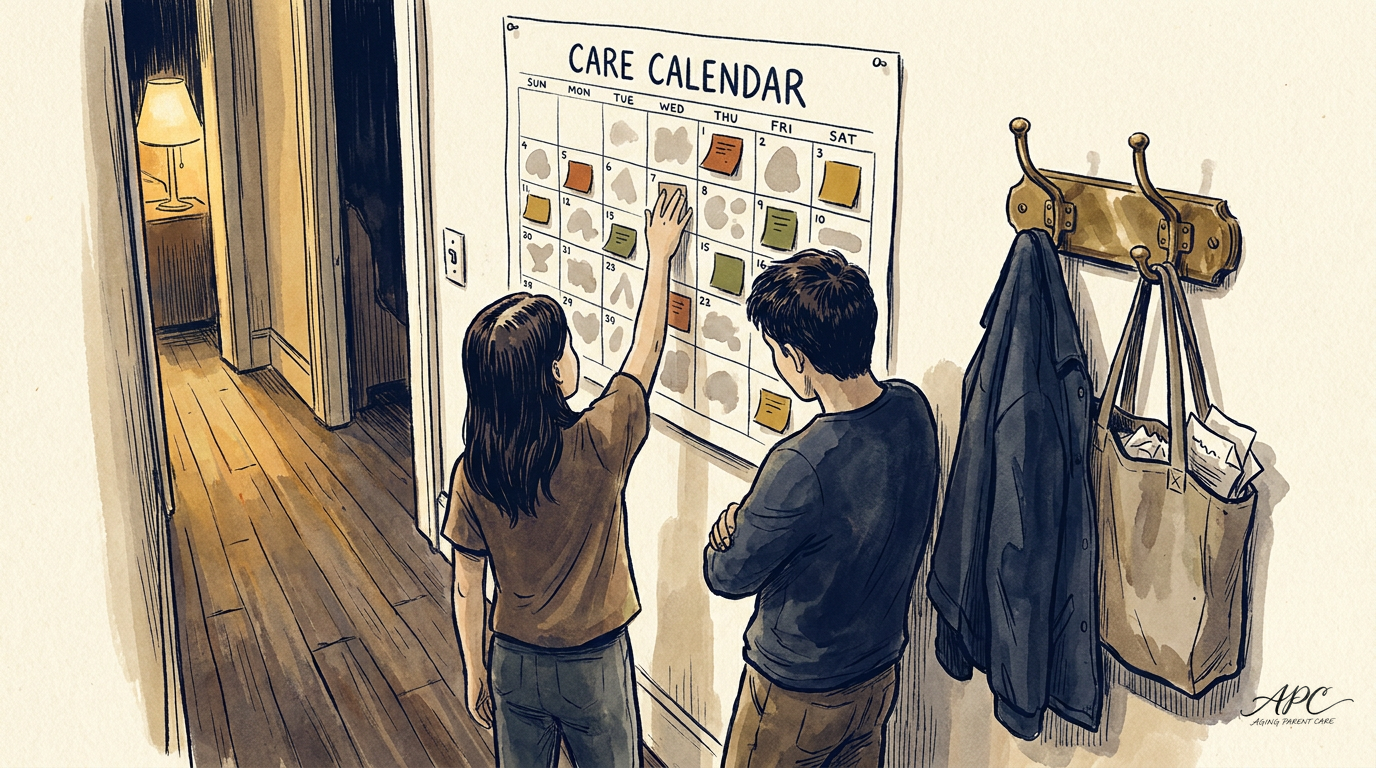
The Body Keeps the Score: What Caregiver Burnout Actually Looks Like Before You Collapse
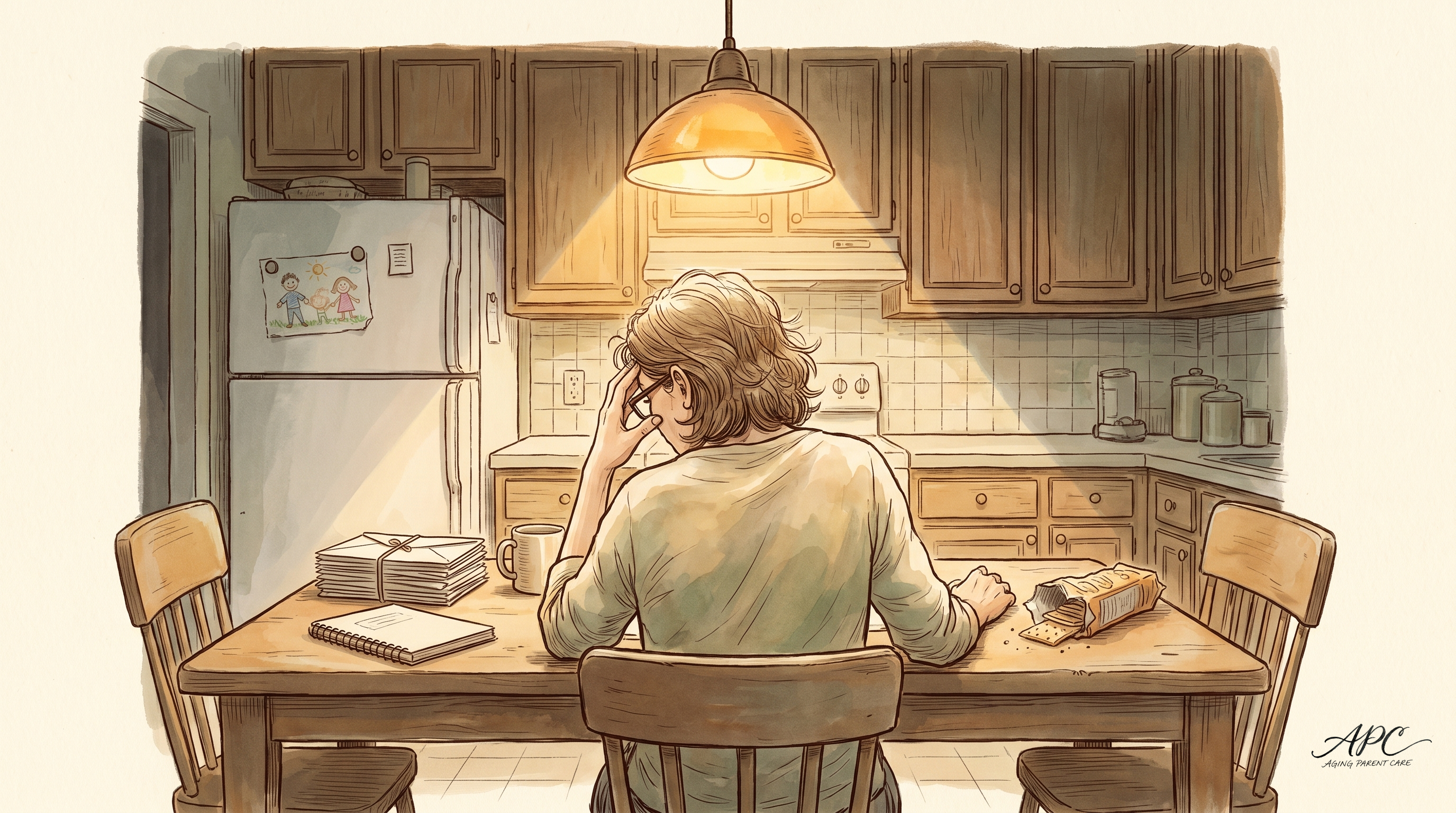
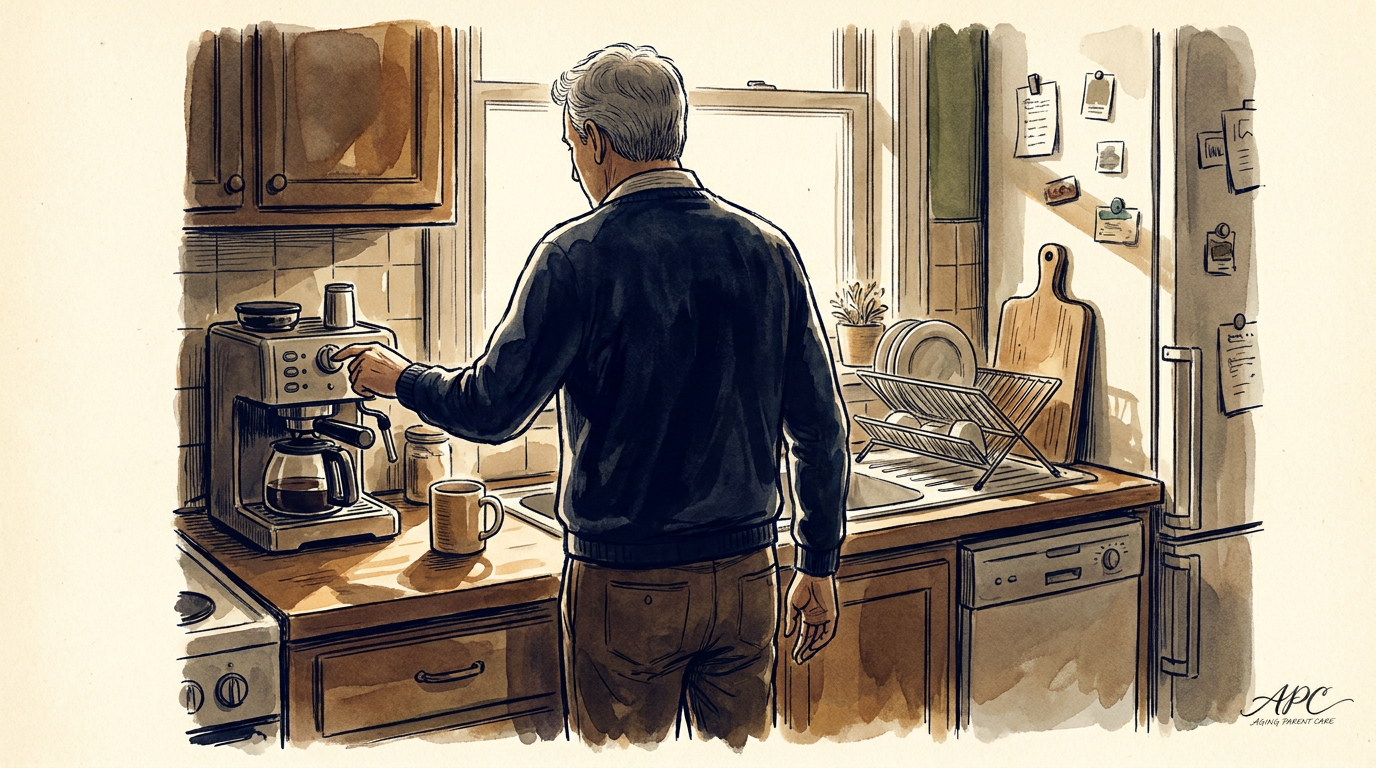
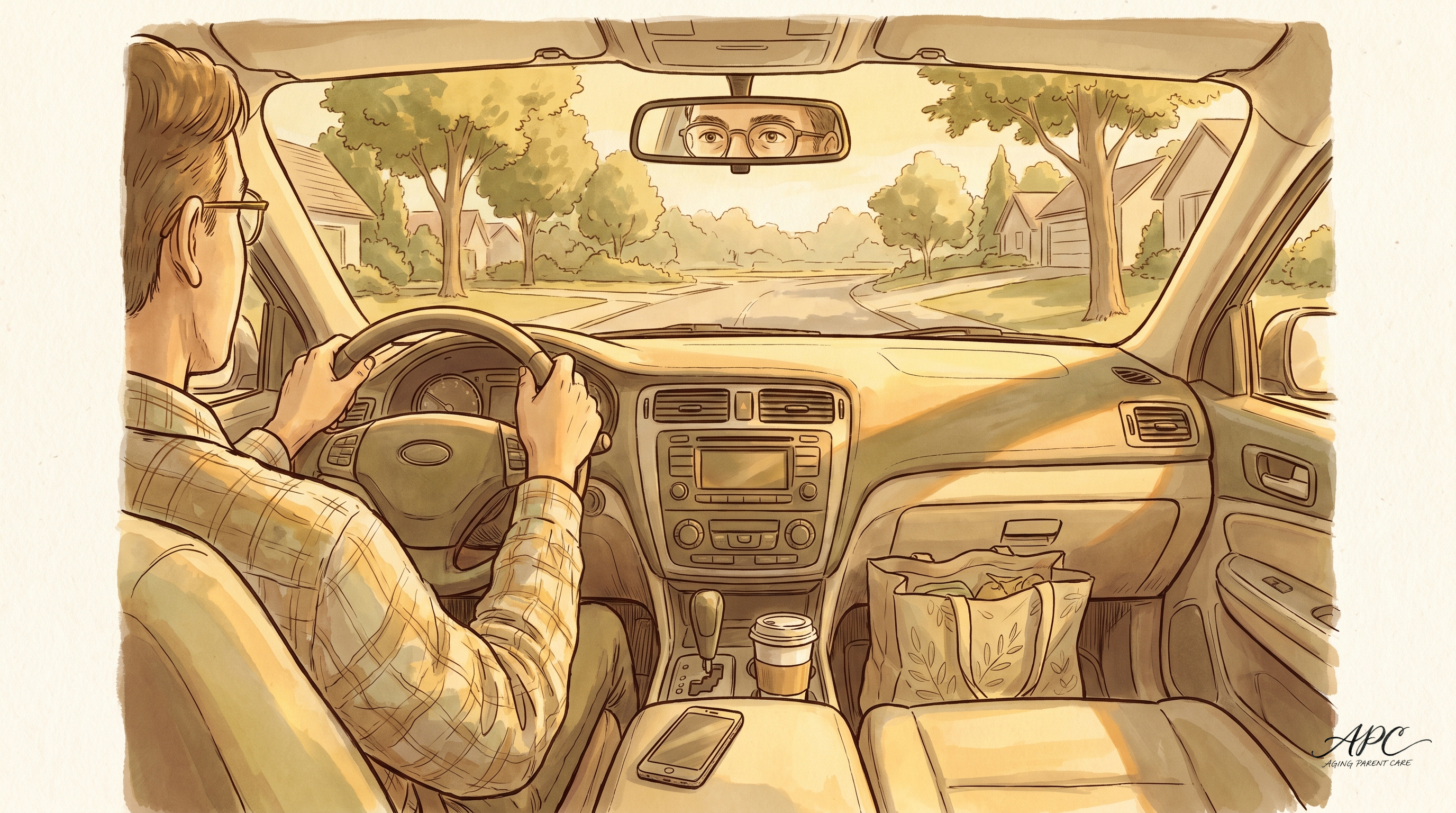
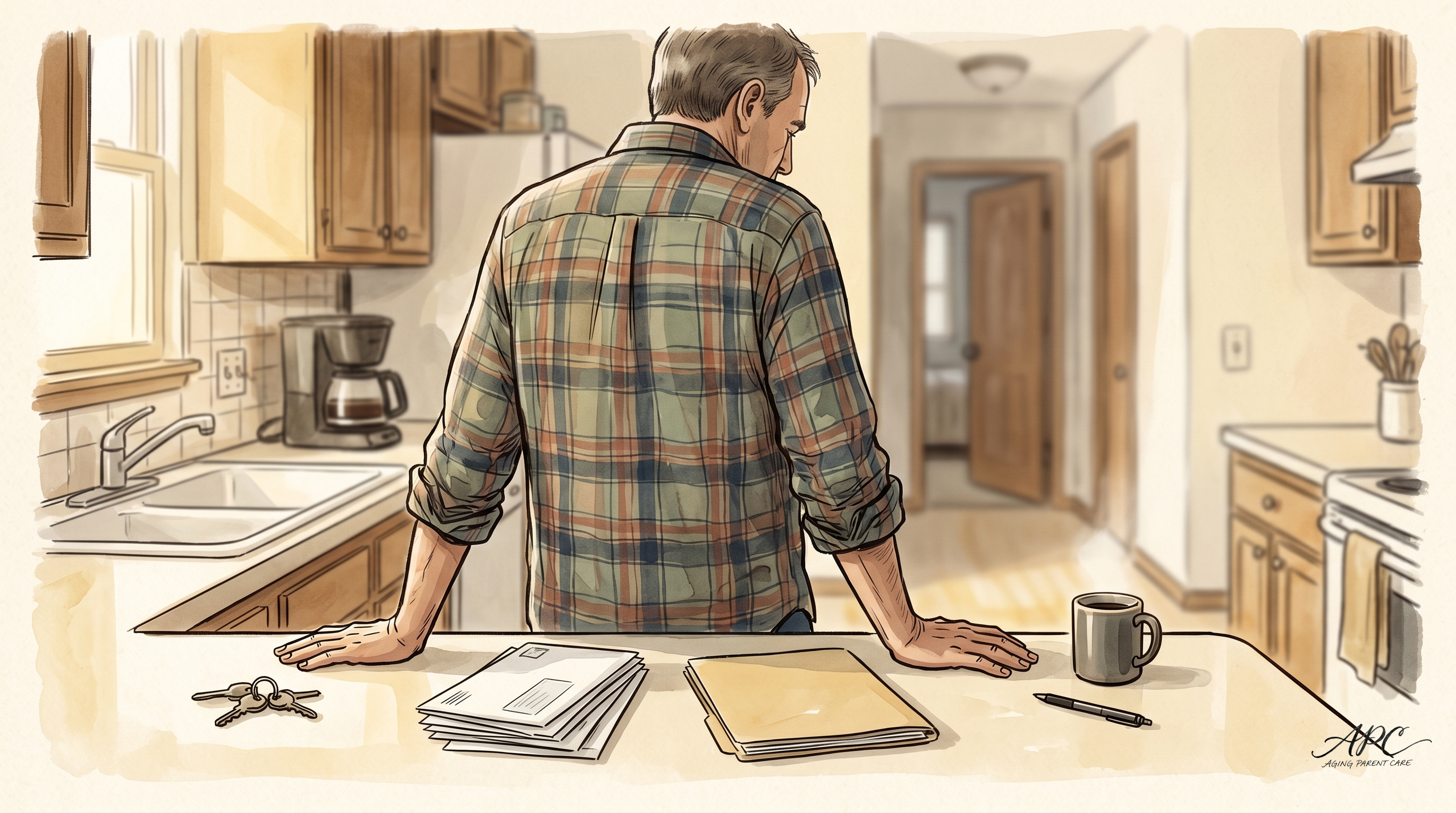
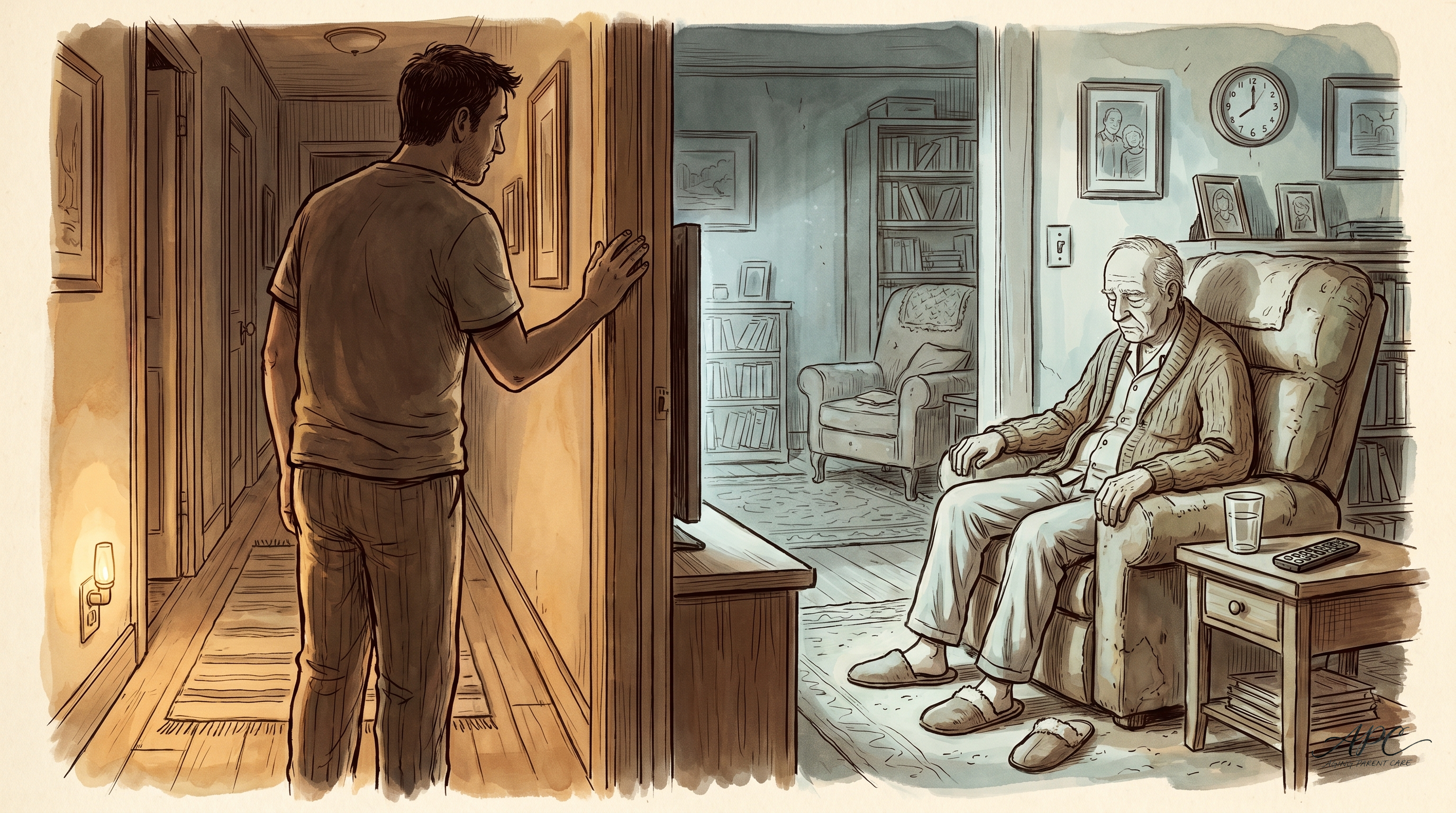
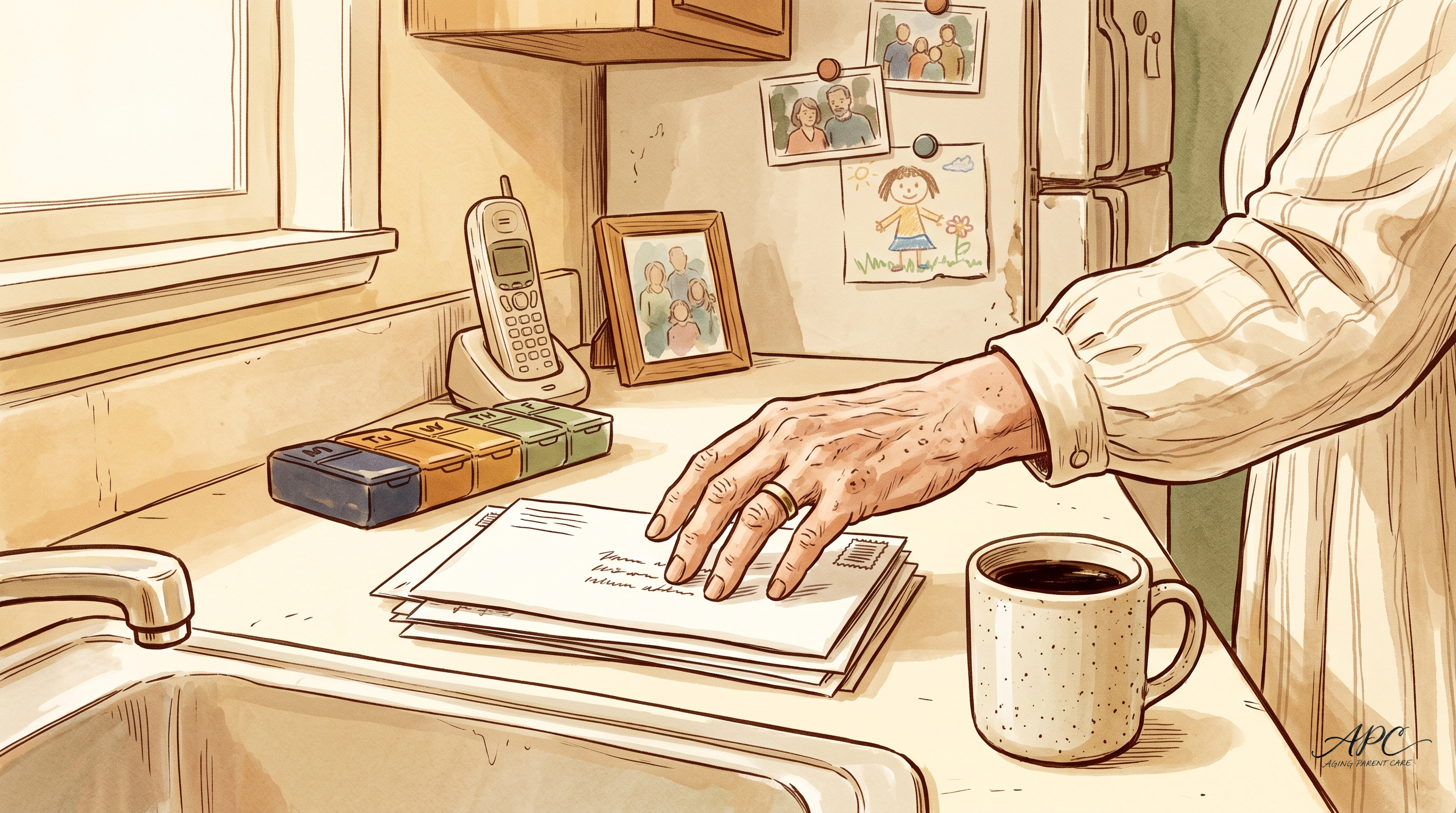
Teresa Villanueva hadn't slept through the night in four months. She was fifty-three, a high school vice principal in Phoenix, and she'd been driving to her mother's house every morning before work to make sure her mother had taken her blood pressure medication. In the evenings she returned to prepare dinner. On weekends she handled the grocery shopping, the medication refills, the doctor's appointments, and the paperwork that arrived in envelopes with government seals. She told herself she was managing. She'd always been good at managing.
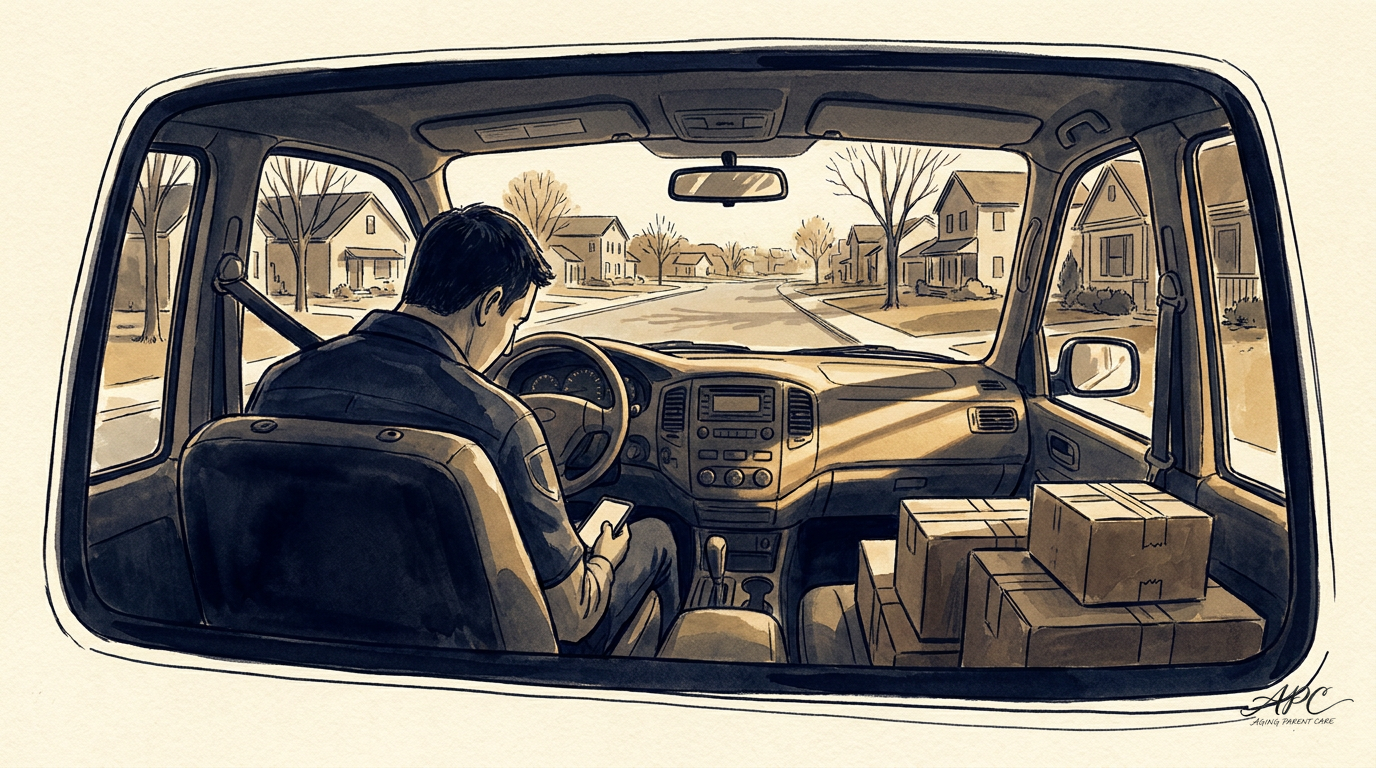
Then one morning she sat down in her car in the school parking lot and couldn't get out. She wasn't crying. She simply couldn't make herself open the door.
What Teresa was experiencing wasn't a breakdown. It was burnout, the slow, systemic collapse that researchers have spent the last decade documenting in family caregivers. And the thing that makes it so hard to catch is that it doesn't announce itself. It accumulates.
The Numbers Behind the Exhaustion
The 2023 AARP and National Alliance for Caregiving report found that approximately 53 million Americans provide unpaid care to an adult or child with special needs. Among those caring for an older adult, more than half report high levels of emotional stress. Nearly a quarter say their own health has declined as a result.
Here's the number that stopped me: a study published in the Journal of the American Geriatrics Society found that caregivers of people with dementia have a 63 percent higher mortality rate than non-caregivers of the same age. The mechanism involves chronic stress responses: elevated cortisol, disrupted sleep, reduced immune function, and the cardiovascular strain of sustained hypervigilance.
These are statistics about biology. Your body wasn't designed to sustain the kind of alert, ongoing, interrupted attention that caregiving demands, month after month, year after year, without adequate rest or relief.
What Burnout Actually Looks Like (It Doesn't Start with Crying)
Most of us don't recognize burnout until we're well into it, because the early signs look like ordinary tiredness. You're tired. You power through. The problem is that burnout doesn't wait for you to recognize it.
The first signal, for many people, is irritability. Not the garden-variety kind. A deeper irritability, the kind that comes from a nervous system perpetually running hot. Small things provoke outsized reactions. A phone call from a sibling who wants to help but says something slightly wrong. A parking space that's taken at the pharmacy. Your parent asking the same question three times in a row. The response is too large for the trigger, and afterward you feel ashamed of yourself, which adds to the weight.
Sound familiar?
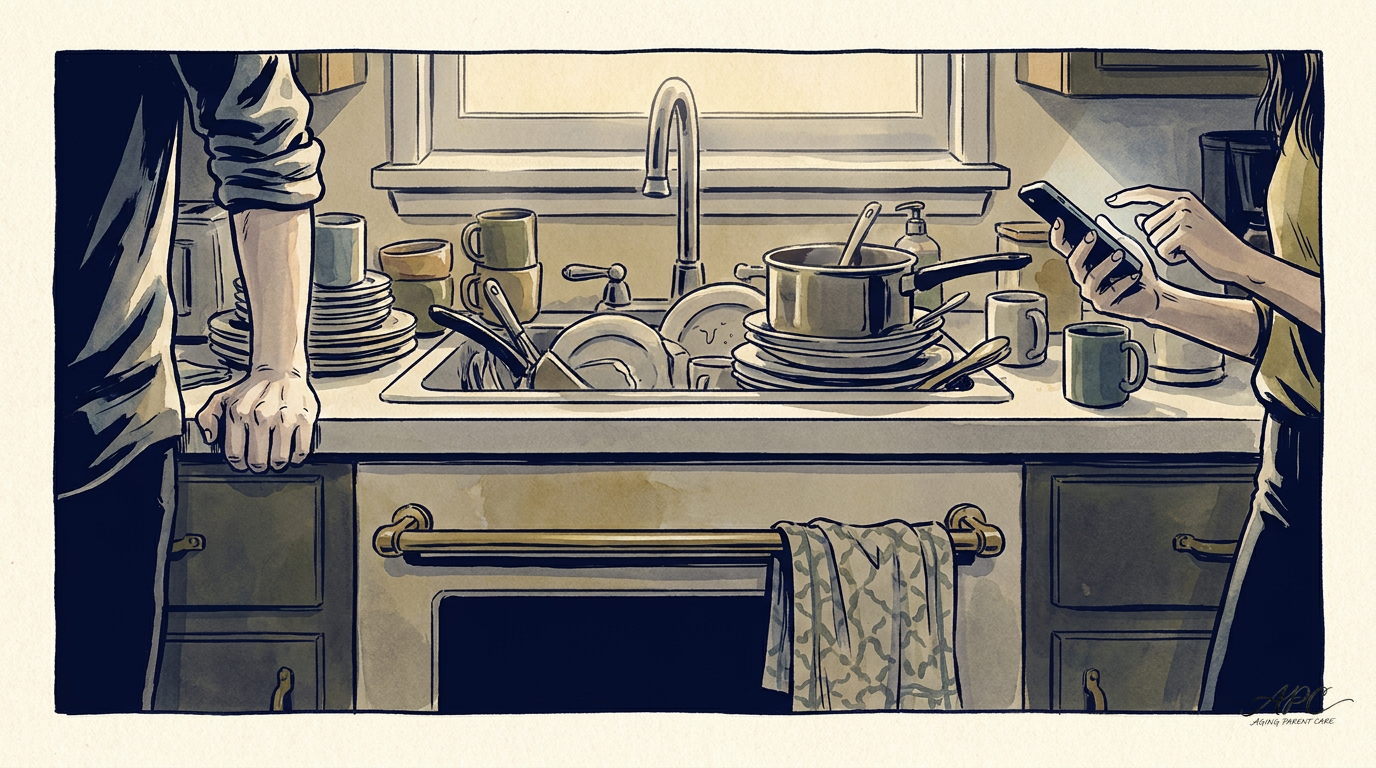
The second signal is withdrawal. Teresa started declining invitations she would have accepted six months earlier. She told herself she was too busy. That was partly true. But it was also that the social effort required to show up and be present felt physically impossible. The bandwidth simply wasn't there.
A study from the Family Caregiver Alliance found that caregivers are twice as likely as non-caregivers to report depression symptoms, and that the depression often precedes formal diagnosis by years. It develops quietly, behind the performance of competence.
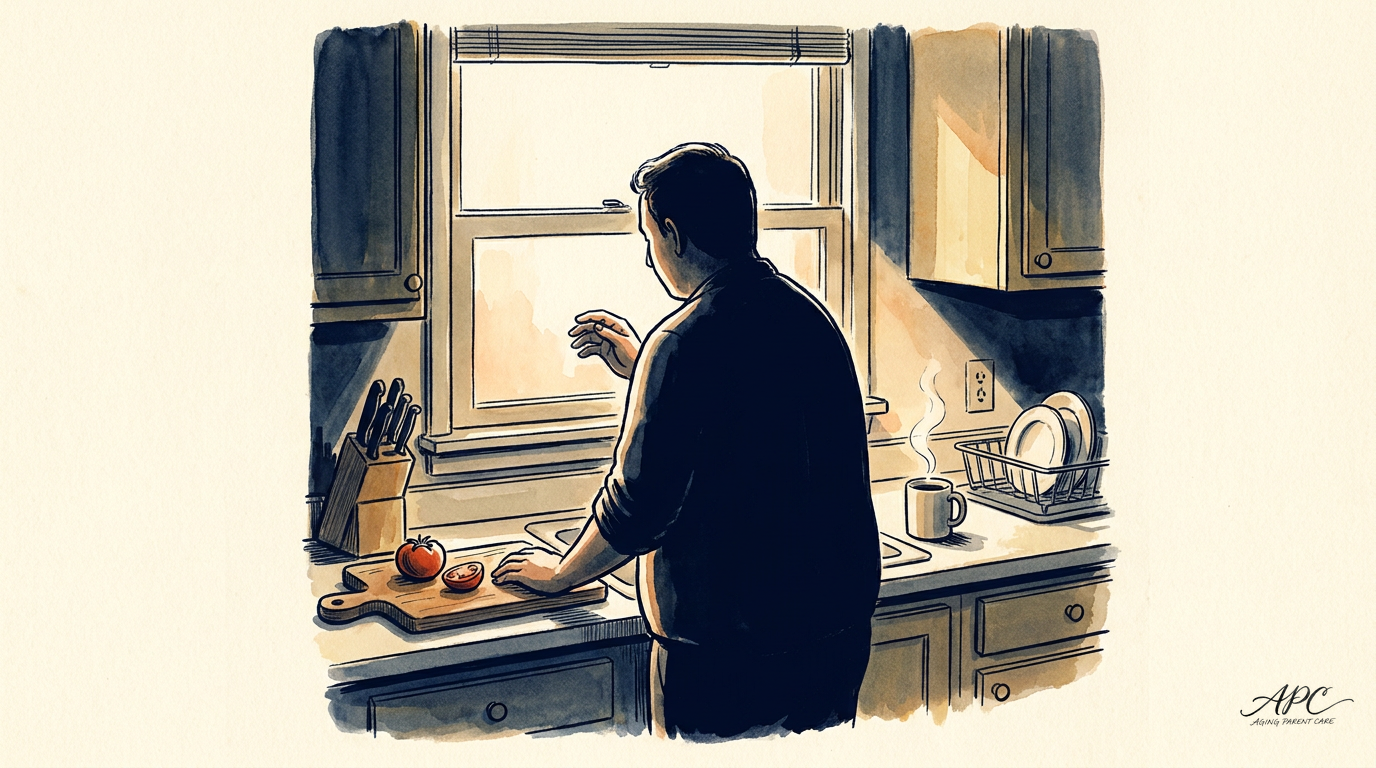
Sleep changes next. You wake at 3 a.m. and your mind turns immediately to the logistics: the upcoming appointment with the cardiologist, whether the insurance will cover the home health aide. The thoughts are relentless. Sleep becomes a brief interruption in the worry rather than a reset.
Then come the physical symptoms. Headaches that don't respond to ibuprofen. A tension in your shoulders that's become so baseline you've stopped noticing it. Getting sick more often, and more seriously, than you used to. Your own doctor tells you to reduce stress. You nod and don't explain what your life actually looks like.
Why "Practice Self-Care" Is Not Enough
The standard advice for caregiver burnout is to practice self-care: exercise, sleep, eat well, take breaks. This advice is accurate but insufficient in a way that often makes you feel worse, because you can't do most of it consistently. And you know that.
Dr. Ranak Trivedi, a health psychologist at Stanford who studies caregiver wellbeing, has written that the self-care framing puts the burden entirely on you while leaving the structural conditions of caregiving unchanged. If you can't sleep because you're listening for your father at night, you need someone else to stay overnight so you can actually sleep. A bubble bath won't fix that.
The research on what actually reduces burnout points to two things that matter more than any wellness practice: respite and social support. Respite means real time off, not stepping away for an hour while still being reachable, but genuine breaks where the caregiving responsibility is held by someone else. Social support means not just having people around, but having people who understand the specific weight of what you're carrying.
What Actually Helps
There are evidence-based interventions that have been shown to reduce caregiver stress. They're not quick, and most require some upfront effort to access, but they exist:
- REACH II (Resources for Enhancing Alzheimer's Caregiver Health): A multi-component intervention developed through NIH funding that combines structured education and hands-on problem-solving. It's been shown to reduce depression and improve quality of life in caregivers of people with dementia. It's offered through many Area Agencies on Aging.
- Adult day programs: These provide structured daytime care for older adults with cognitive or physical limitations, giving you consistent daytime respite. Many operate on sliding-scale fees and some are covered by Medicaid waiver programs.
- Caregiver support groups: The evidence for peer support is strong. Groups run by organizations like the Alzheimer's Association or local Area Agencies on Aging provide both emotional validation and practical information from people who are living the same thing you are.
- In-home respite care: Some states fund limited hours of in-home respite through Medicaid or the National Family Caregiver Support Program. The bureaucratic intake process takes effort (yes, more forms), but the program can be accessed for free or at low cost.
- Therapy, specifically caregiver-focused CBT: Cognitive behavioral therapy adapted for caregivers has shown consistent effects on depression and anxiety. Telehealth has made this more accessible. Some employee assistance programs cover it. Worth checking.
Teresa eventually took a Friday off and did nothing except sleep and sit in her backyard. She skipped the medical paperwork. She let the calls wait. It was one day. It didn't solve anything. But it was the first time in months that she'd treated her own exhaustion as a fact worth responding to, rather than a complaint she should suppress.
It was a starting point. Sometimes that's enough.
Sources
- AARP and National Alliance for Caregiving. Caregiving in the U.S. 2023.
- Schulz, R., & Beach, S.R. (1999). Caregiving as a risk factor for mortality: The Caregiver Health Effects Study. JAMA, 282(23), 2215-2219.
- Family Caregiver Alliance. Caregiver Health. National Center on Caregiving.
- Belle, S.H., et al. (2006). Enhancing the quality of life of dementia caregivers from different ethnic or racial groups: A randomized, controlled trial. Annals of Internal Medicine, 145(10), 727-738. (REACH II)
- Trivedi, R.B., et al. Caregiver depression: A silent health crisis. Health Affairs.
© 2026 Aging Parent Care. All rights reserved. No portion of this article may be reproduced, distributed, or used in any form without the explicit written permission of Aging Parent Care.
Make Your Business Online By The Best No—Code & No—Plugin Solution In The Market.
30 Day Money-Back Guarantee
Say goodbye to your low online sales rate!