The Conversation You Keep Rehearsing in the Car
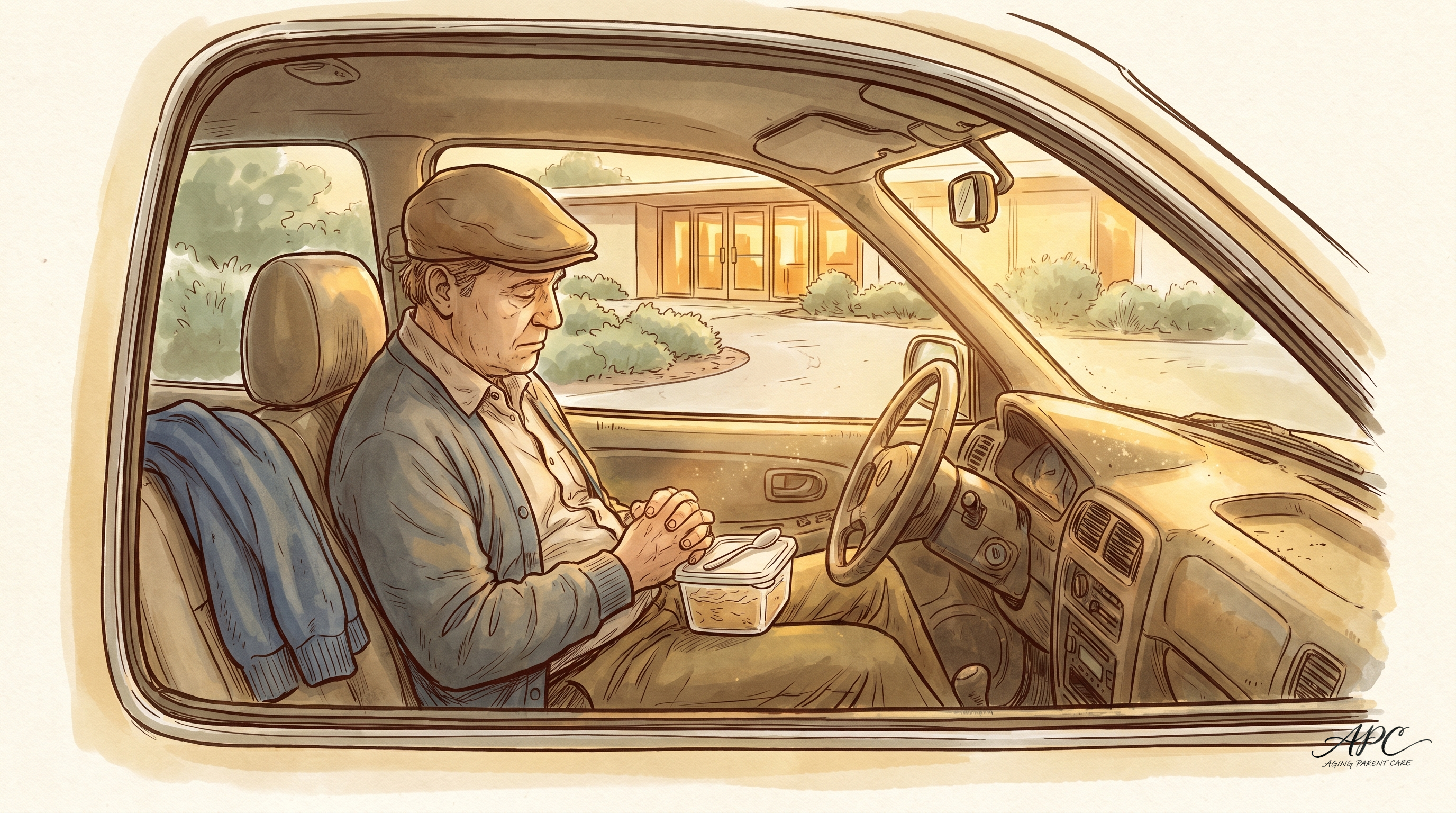
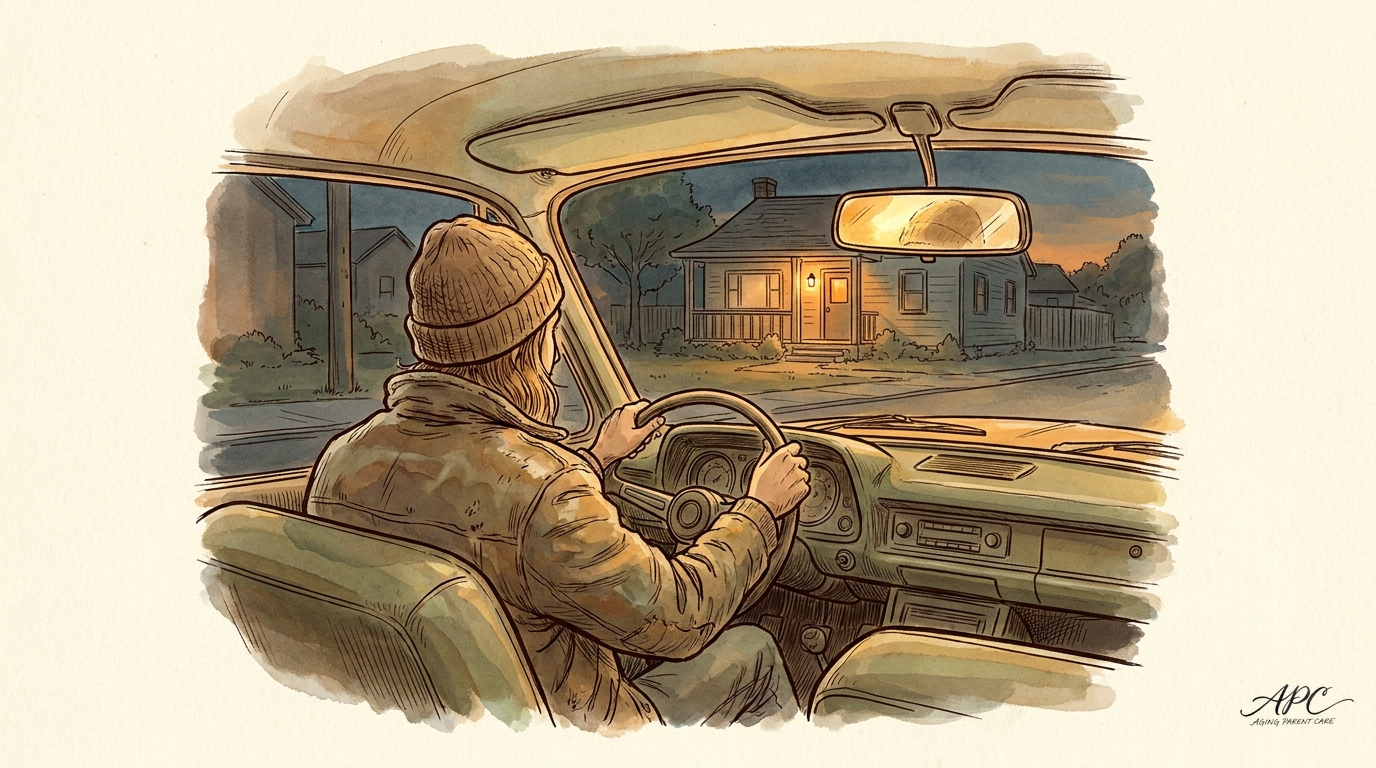
You've driven to their house a hundred times. Tonight you're sitting in the driveway with the engine off, running the conversation in your head for the fourth time this week.
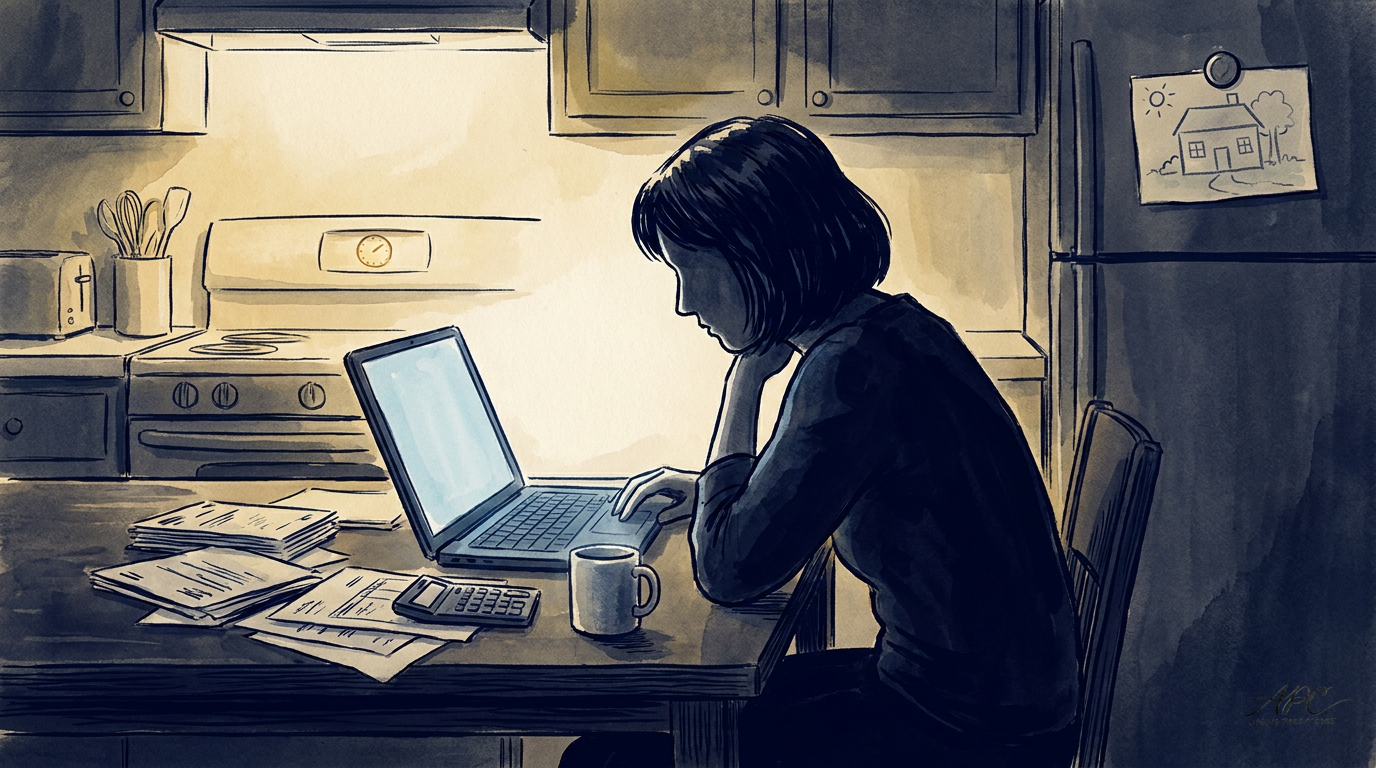
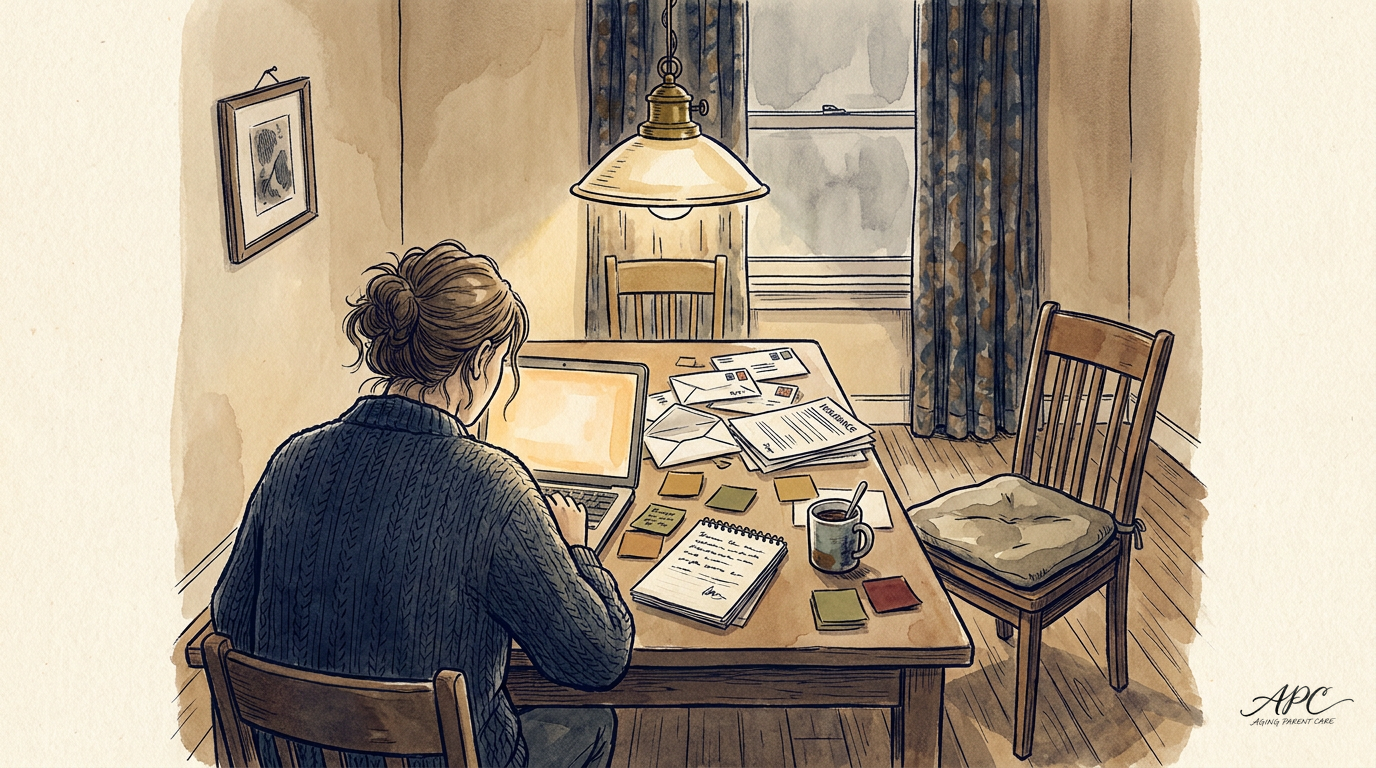
You've noticed things. The stack of mail by the door, some of it opened and refiled in the wrong envelopes. The bruise on her shin she laughed off. The fridge with three identical gallons of milk. The utility bill two months overdue, which is unlike her, which is the thing that keeps you up at night.
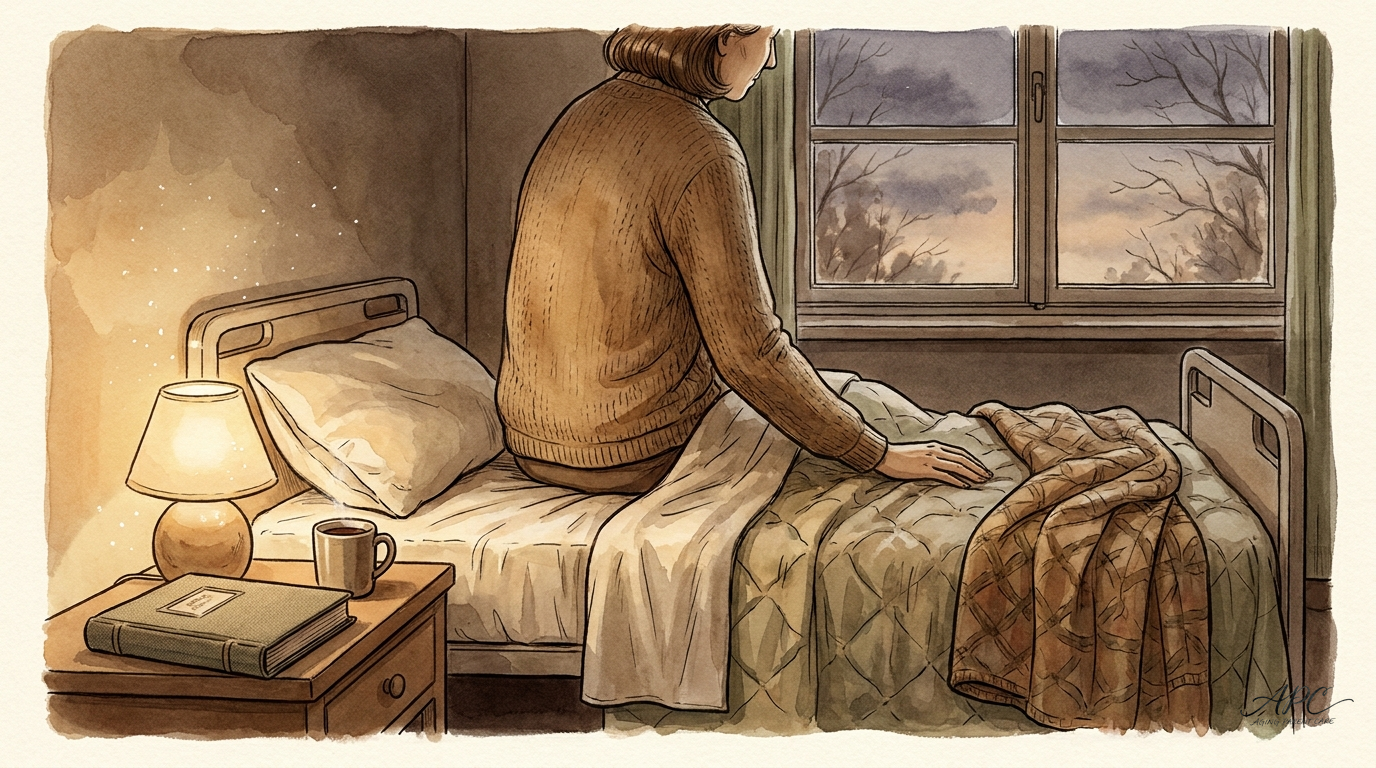
You know something needs to change. You don't know how to say it without it sounding like you think she can't manage. Because she can manage. Mostly. For now.
Why We Wait
Nearly every family caregiver describes the same pattern. They noticed the signs months, sometimes years, before they acted on them. Not because they didn't care. Because they didn't have permission.
Permission from the parent, who insists everything is fine. Permission from siblings, who haven't seen what you've seen. Permission from themselves, to acknowledge that the person who raised them now needs raising.
Sound familiar?
Hartford Funds' caregiving research cites the "40/70 rule" used by gerontologists: if you're 40 or your parent is 70, the conversation should start. Not the crisis conversation. The planning conversation. The one where you talk about preferences while preferences are still possible.
Most families skip this step. They wait for the fall, the fender bender, the call from the neighbor. And then they're making decisions in hospital hallways with no information and no plan.
Pew Research's 2026 survey found that among adults caring for a parent over 75, 31% are currently caregivers. For parents 65 to 74, that number drops to 16%. The jump happens because the 75+ group is where crises concentrate. Hips break. Cognition shifts. Driving becomes dangerous. Care will be needed. The only question is whether you'll be ready when it is.
The Signs You're Already Seeing
The clinical literature identifies warning signs, but you don't experience clinical literature. You experience Tuesday dinners where something felt off.
Here are the signals, translated from medical language into kitchen-table language.
The bills. Unpaid, misfiled, or paid twice. The National Institute on Aging found that financial management problems can show up years before a dementia diagnosis, with some studies showing trends beginning five or more years before. If the person who always balanced the checkbook is now getting late notices, that's data. The fridge. Expired food. Duplicate purchases. Empty shelves where there used to be meal prep. Nutrition changes track closely with cognitive and physical decline. The car. New dents they can't explain. Driving below the speed limit on familiar roads. Getting lost on routes they've driven for decades. If you're nervous riding with them, trust that feeling. The hygiene. Clothes worn multiple days. Unwashed hair. A house that used to be spotless now accumulating clutter. These changes don't happen overnight. They accrue. The isolation. Dropping out of church, bridge club, the weekly lunch with friends. Stopping activities they used to enjoy. This can look like preference. It often isn't.U.S. News identifies losing two or more instrumental activities of daily living (managing finances, cooking, driving, housekeeping, medication management) as a signal that the transition to supported care may happen within months.
How to Start (Not How to Win)
You're not going to solve this in one conversation. Let go of that expectation right now. The goal tonight is an opening, not compliance.
Here are approaches that work better than the ones you've been rehearsing.
Start with observation, not diagnosis. "Mom, I noticed the utility bill on the counter was past due. That's not like you. Is anything making it harder to keep track?" Not: "Mom, I think you need help with your finances." The first invites. The second accuses. Use "I" statements about your own feelings. "I worry when I see the bruise on your leg and you don't remember how it happened." This makes you the subject, not them. It's harder to argue with someone's worry than with their assessment. Pick the right setting. Not the holiday dinner. Not the phone. Not in front of siblings they'll feel ganged up by. The car. The kitchen while doing dishes. The porch. Somewhere they feel in control of the space. Ask about their wishes, not their limitations. "If something happened and you couldn't drive for a few months, what would you want us to do?" Hypotheticals feel safer than ultimatums. They also give you real information. Expect resistance and don't fight it. Your parent saying "I'm fine" isn't a statement about their health. It's a statement about who they believe themselves to be. They're telling you their identity, not their condition. Acknowledge the identity. Return to the observation.When They Say No
They'll probably say no. At least the first time.
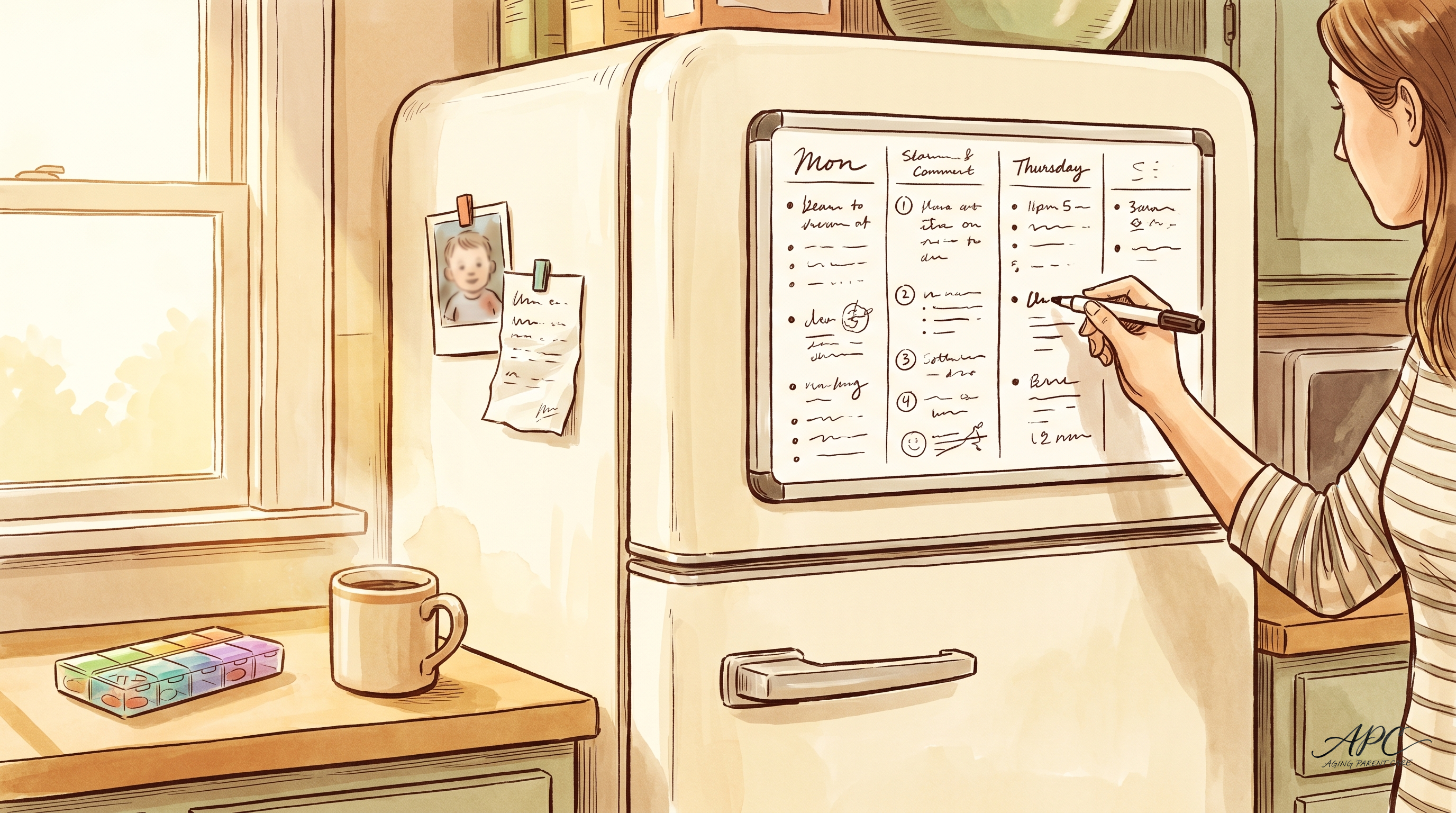
Unless there's an immediate safety risk (and you'll know if there is), respect the no. Come back in two weeks. Bring a different observation. Build the record slowly. Most families describe the path to care not as a single conversation but as a series of ten or twelve small ones, each one opening the door a little wider.
If there is an immediate safety risk, that changes everything. Contact their primary care physician, who can perform a cognitive assessment at the next appointment. Call the Eldercare Locator at 1-800-677-1116 for local resources and guidance on next steps.
But most of you reading this aren't in crisis. You're in the before. The porch-light-on, engine-off, hands-on-the-steering-wheel before.
Go inside. You don't need a script. You need to show up.
Sources
- Hartford Funds: The 40/70 Rule for Starting the Conversation About Aging Parents.
- Pew Research Center. "Family Caregiving: Share of Adults Caring for a Parent."
- National Institute on Aging. "Alzheimer's Disease Fact Sheet: Financial Management Problems as Early Warning Signs."
- U.S. News and World Report. "Signs Your Elderly Parent Needs Help."
- Eldercare Locator. U.S. Administration on Aging. 1-800-677-1116.
- AARP. "How to Talk to Aging Parents About Getting Help Before a Crisis."
© 2026 Aging Parent Care. All rights reserved. No portion of this article may be reproduced, distributed, or used in any form without the explicit written permission of Aging Parent Care.
Make Your Business Online By The Best No—Code & No—Plugin Solution In The Market.
30 Day Money-Back Guarantee
Say goodbye to your low online sales rate!