The Grief That Starts Before They Die
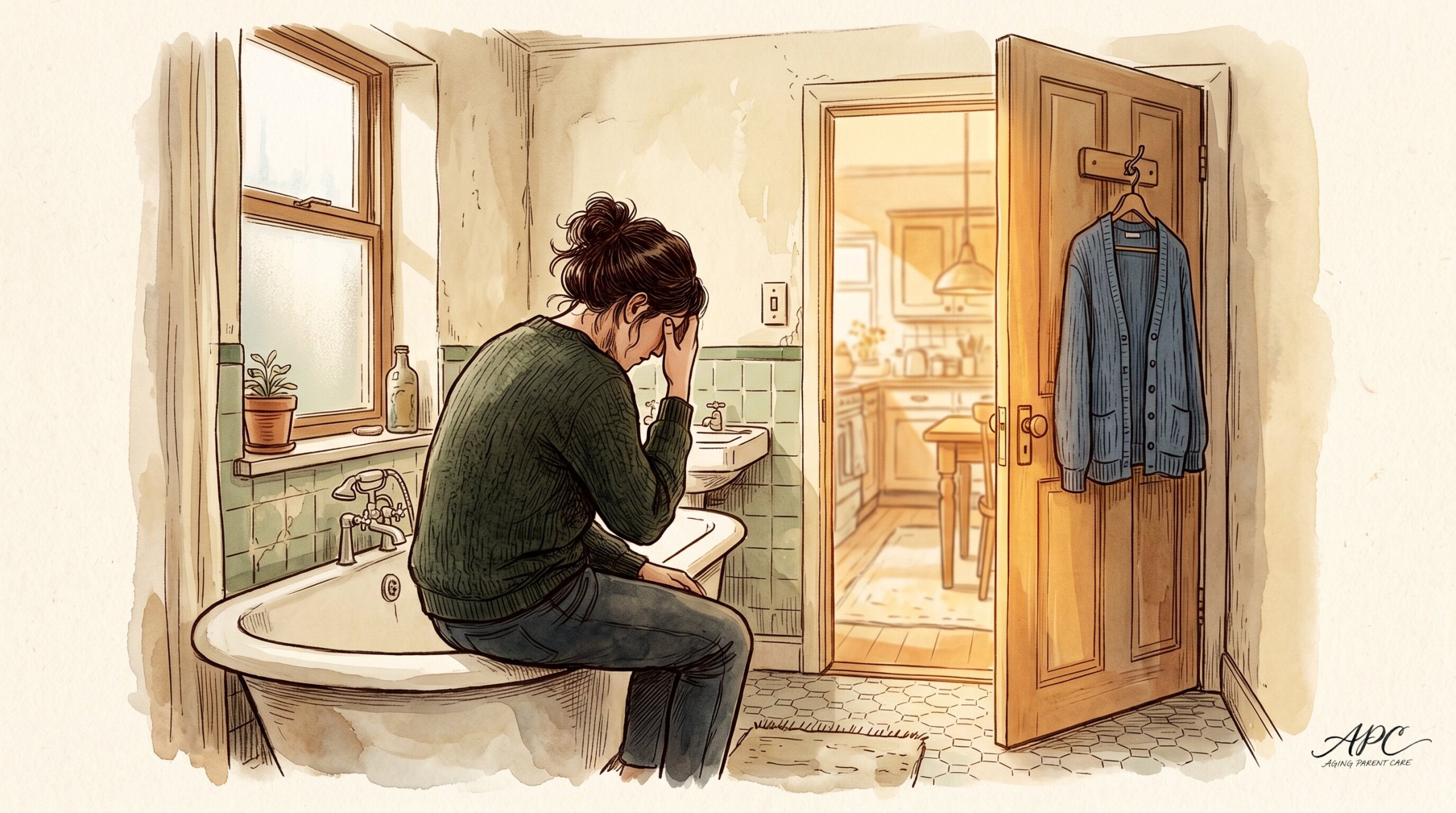
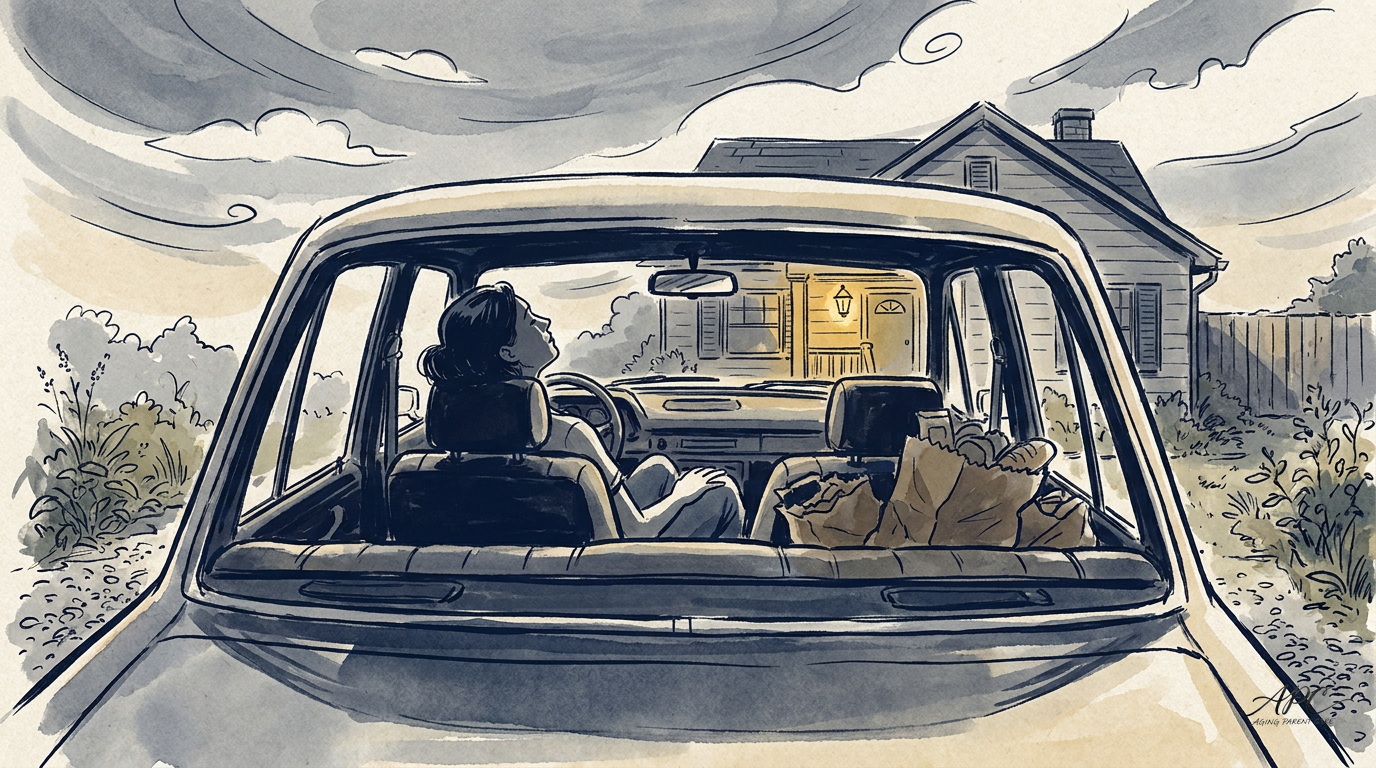
Your mother is alive. She's sitting in her living room. She asked you your name this morning. You are grieving. These two facts exist in the same sentence, and nobody prepared you for that.
The Loss That Has No Funeral
Anticipatory grief is the term clinicians use. It means grieving a loss that hasn't technically happened yet, except it has, in pieces, over months or years. The parent who used to quote poetry now asks what day it is. The father who built the deck can't find the bathroom in his own house.
Each of these small erasures is a death. The person is still here. The relationship you had with them is not. The person sitting across from you looks the same. They aren't the same. And you can't say this out loud because they're still here, and people will tell you to be grateful.
Sound familiar? You're not imagining it. A study in BMC Palliative Care found that anticipatory grief is common among dementia caregivers and is directly associated with higher levels of depression, anxiety, and subjective burden.
The Stages Nobody Mentions
Elizabeth Kubler-Ross gave us five stages of grief, and they've been so widely applied that people use them like a checklist. But anticipatory grief doesn't follow that script. It loops. You accept your mother's diagnosis on Monday and deny it on Wednesday when she has a good day and sounds like herself for twenty minutes.

Rita Park, a social worker in Ann Arbor, Michigan, describes the specific cruelty of it: anticipatory grief doesn't have a start point. It just accumulates. And there's no ceremony to mark it.
What It Does to Your Body
This isn't just emotional. Anticipatory grief has a physiological signature. Your stress hormones stay elevated. Sleep fragments. Appetite shifts. You find yourself catching every cold that goes around.
Pew Research's 2026 data found that 39% of caregivers for aging parents report that caregiving has negatively affected their emotional well-being. Among women, that number rises to 47%. Nearly half.
What Helps (and What Doesn't)
Name it. The word anticipatory grief gives you permission to grieve without waiting for death. You're not being dramatic. You're not ungrateful.
Find other people who are living it. The Alzheimer's Association runs support groups in every state, including online options. The 24/7 helpline is 1-800-272-3900. Save it in your phone right now.
Grieve in real time. You don't have to wait. Some caregivers keep a private journal. Some write letters to the parent they remember. Whatever works for you.
Allow contradictions. You can love someone and dread visiting them. You can wish this were over and be terrified of it ending. Both things at once. That's allowed.
Protect your own health. Ask your own doctor for a check-up. Mention that you're a caregiver. That single piece of context changes the entire conversation.
The Dark Honesty
Some days you'll wish it were over. Not because you don't love them. Because you do, and watching this is the hardest thing love has ever asked of you.
That thought will arrive, and it will bring guilt with it, and the guilt will be wrong. Wanting suffering to end isn't wanting someone to die. It's wanting pain to stop. There's a difference.
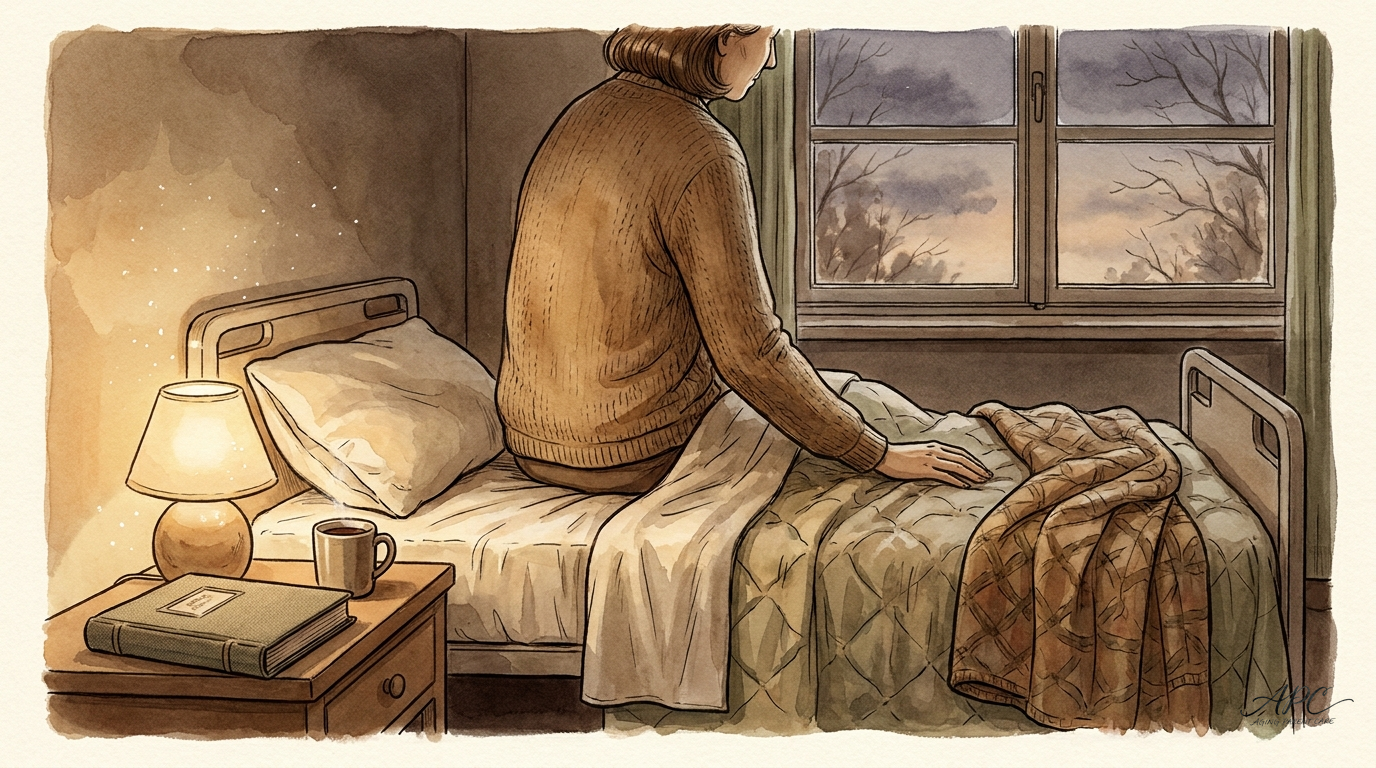
You're grieving someone who is still alive. That's one of the loneliest experiences a person can have. And it's real, and it counts, and you're not doing it wrong.
Sources:
1. BMC Palliative Care - Anticipatory Grief Study (2018)
2. PMC - Alzheimer's Caregiver Grief (2021)
3. Pew Research - Family Caregiving (2026)
Sources
- Kustanti CY, Chu H, Kang XL, et al. Anticipatory grief prevalence among caregivers of persons with a life-threatening illness: A meta-analysis. BMJ Supportive & Palliative Care. 2024. PubMed
- Nielsen MK, Neergaard MA, Jensen AB, et al. Do we need to change our understanding of anticipatory grief in caregivers? A systematic review. Clinical Psychology Review. 2016;44:75-93. PubMed
- Alzheimer's Association. 2025 Alzheimer's Disease Facts and Figures. alz.org
- Alzheimer's Association. Caregiver Stress. alz.org
- Family Caregiver Alliance. Caregiver Statistics: Health, Technology, and Caregiving Resources. caregiver.org
© 2026 Aging Parent Care. All rights reserved. No portion of this article may be reproduced, distributed, or used in any form without the explicit written permission of Aging Parent Care.
Make Your Business Online By The Best No—Code & No—Plugin Solution In The Market.
30 Day Money-Back Guarantee
Say goodbye to your low online sales rate!