
The Sandwich Generation Broke in 2026. This Is What the Numbers Look Like.
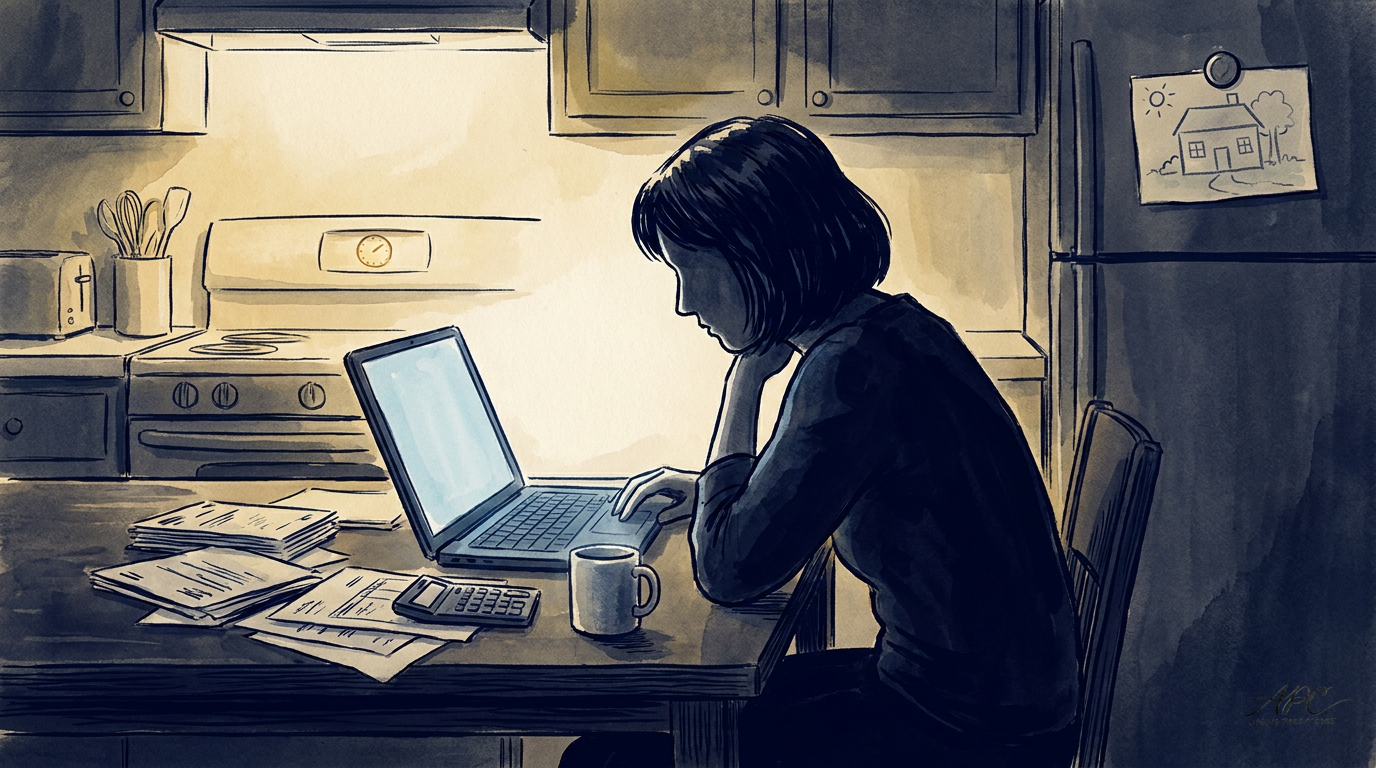
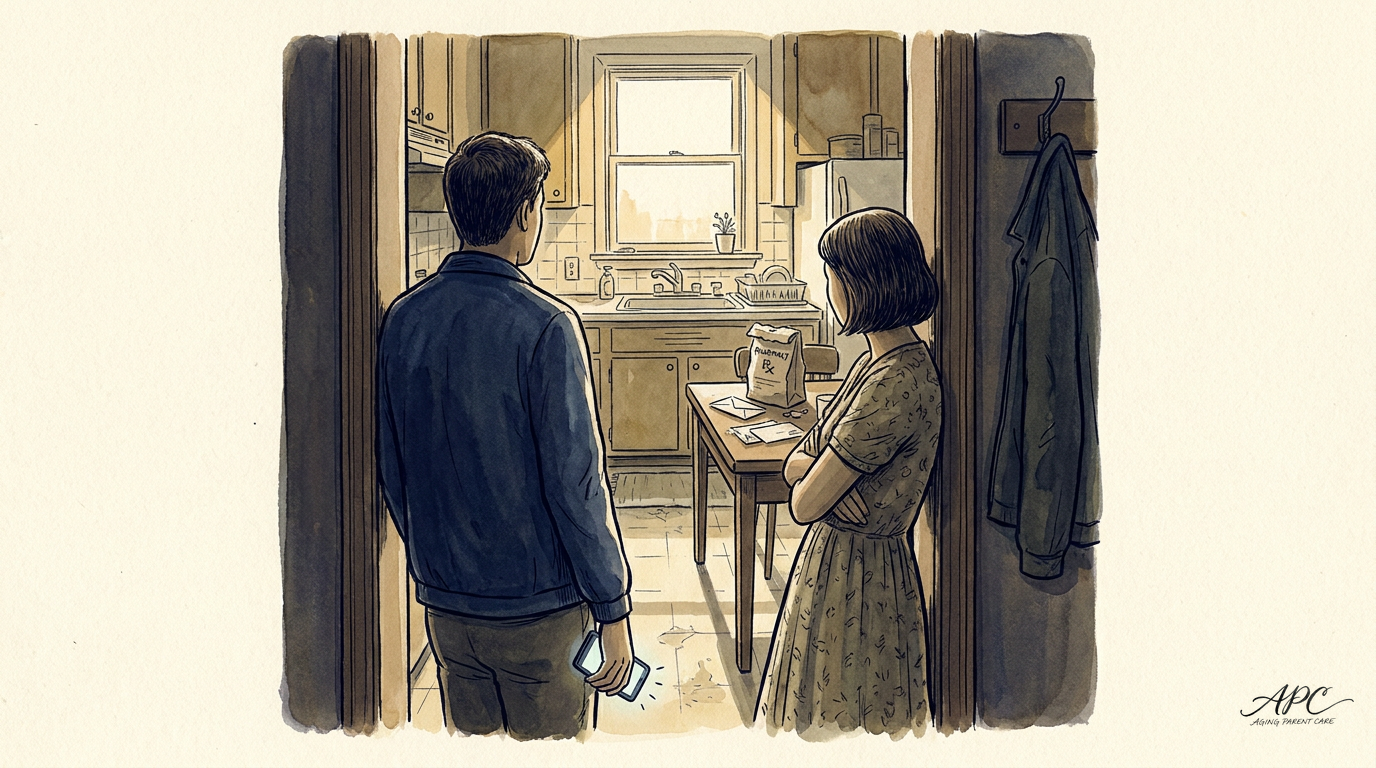
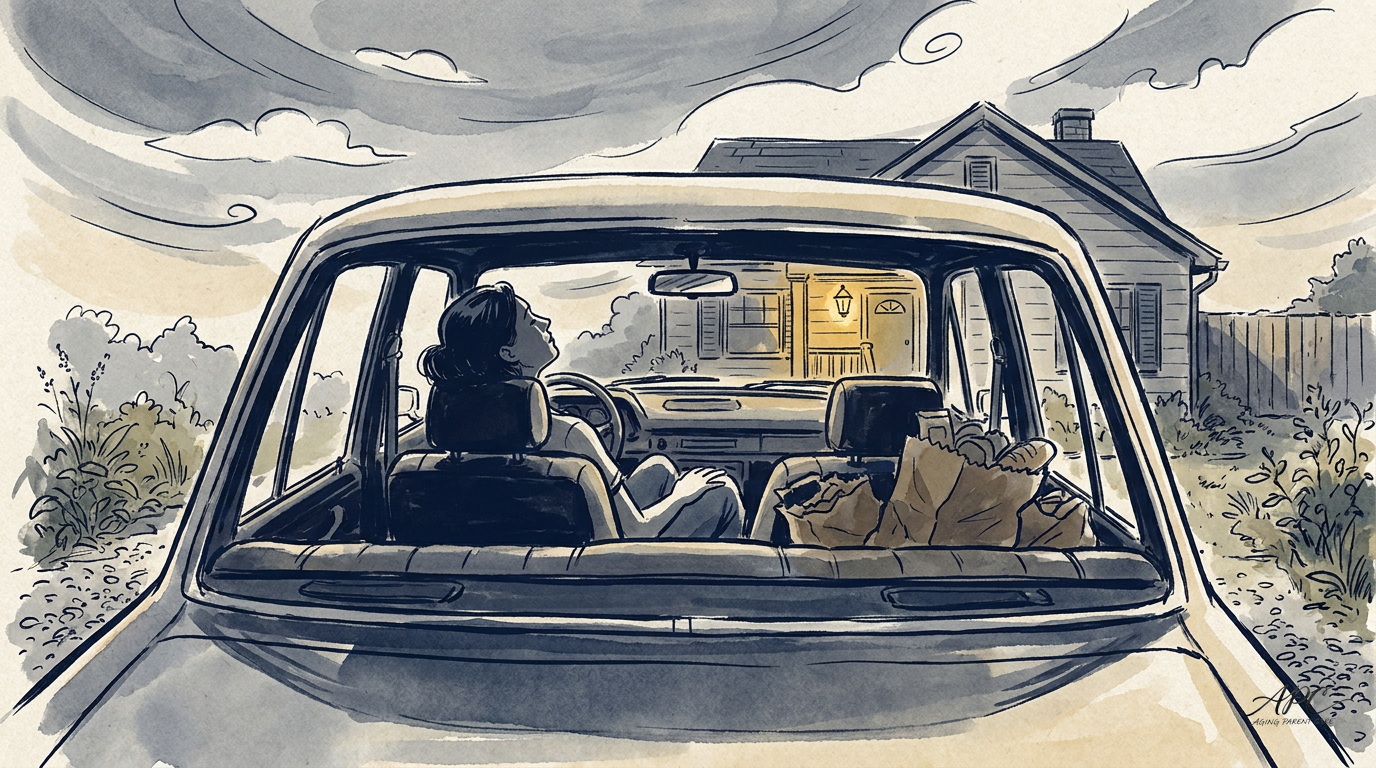
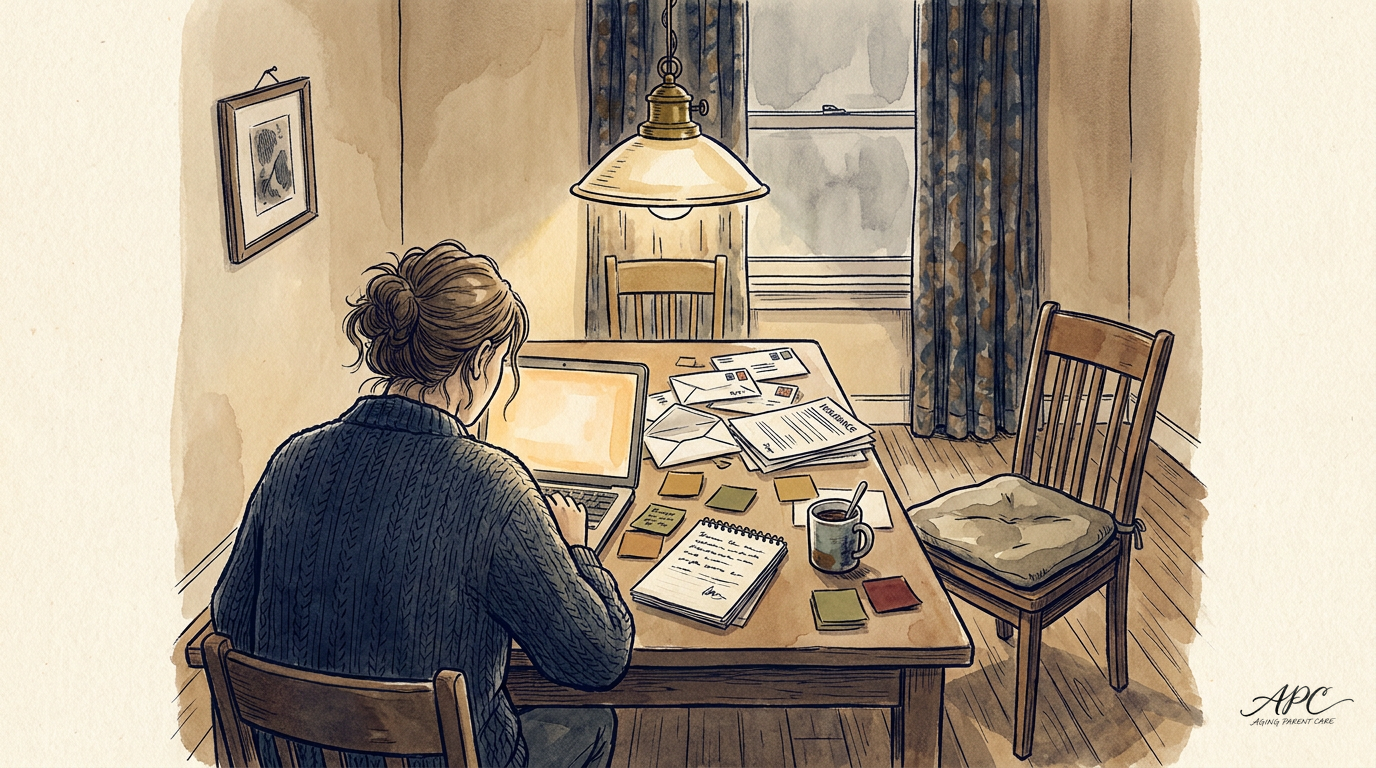
Rachel Okonkwo gets paid on the fifteenth and the thirtieth. By the sixteenth, both checks are spoken for. The first covers her mother's home health aide in Memphis, four hours a day at $28 an hour. The second covers after-school care for her two kids in Nashville, plus the monthly minimums on her student loans. What remains, on a good month, is about $340. That's grocery money, gas money, and prayer.
She's 44 years old, a project manager at a logistics company, and she hasn't contributed to her 401(k) since 2024.
Rachel isn't unusual. She's the median.
The Dual-Cost Reality
Nearly half of all adults between 40 and 59 now provide some form of care for a parent over 65 while simultaneously supporting at least one child under 18. The National Alliance for Caregiving confirmed that figure in its 2025 survey update.
The average annual cost of a home health aide in the United States hit $75,504 in 2025, according to Genworth's Cost of Care Survey. That's for full-time care. Most families can't afford full-time care. So you patch together partial coverage: 20 hours here, a neighbor checking in there, a sibling who calls on weekends but lives 800 miles away.
On the other side of the squeeze, childcare costs rose 4.7% year over year in 2025. The national average for center-based infant care now exceeds $16,000 annually.
Add them together. A 45-year-old earning $72,000 faces combined caregiving costs that can consume 30 to 45 percent of gross income. Before taxes or housing. Before food. Does that math work for anyone you know?
The math hasn't worked for years. What changed in 2026 is that the safety nets started fraying at the same time.
The Safety Net Is Fraying
Proposed Medicaid restructuring at the federal level threatens to shift more costs onto families. The Congressional Budget Office estimated in March 2026 that proposed per-capita caps could reduce Medicaid spending on long-term care by $145 billion over ten years. That money doesn't vanish. It transfers, mostly to adult children who are already stretched thin.
State-level cuts compound the problem. Fourteen states reduced or froze home and community-based services waiver slots between 2024 and 2026. The waitlists for these programs now average 38 months nationally. In Texas, the wait is over four years. Four years.
What Absorption Looks Like
A 2025 study from the Employee Benefit Research Institute found that 41% of sandwich-generation workers reduced retirement contributions to cover caregiving costs. Twenty-three percent stopped contributing entirely. The projected retirement shortfall for this cohort is $320,000 per household.
The physical toll tracks alongside the financial one. Sleep disruption affected 61% of respondents. Forty-four percent reported symptoms consistent with clinical anxiety.
And the emotional math? Harder to quantify but no less real. Guilt runs in both directions. You're not doing enough for your parent. You're not present enough for your children. You're falling behind at work. Most people call it burnout, but burnout implies you once had adequate resources that depleted over time. What if you never had adequate resources to begin with?

The Window Is Widening
The fastest-growing segment of the sandwich generation is adults between 35 and 42. Parents are living longer and people are having children later. The overlap window keeps widening. If you're 38 with a toddler and a parent showing early signs of cognitive decline, you could be looking at a 15-to-20-year caregiving horizon on both ends.
But there are pressure-release valves that most families don't know exist. The National Council on Aging's BenefitsCheckUp tool screens for over 2,500 federal, state, and local assistance programs. Fewer than 12% of eligible families have used it. Area Agencies on Aging offer free care planning consultations. Usage rates hover around 8%. These programs are sitting there, funded and available, and almost nobody uses them.
Several states now offer paid family leave that covers elder care: California, New Jersey, New York, Washington, Colorado, Connecticut, Delaware, Maryland, Massachusetts, Minnesota, and Oregon. And if your employer offers a dependent care FSA, the $5,000 annual limit can cover elder care, not just childcare. Worth checking.
The Structural Truth
The sandwich generation broke because the cost of care on both ends of the age spectrum outpaced wages by a factor of three over two decades, while public investment in caregiving infrastructure flatlined. Your individual choices had almost nothing to do with it.
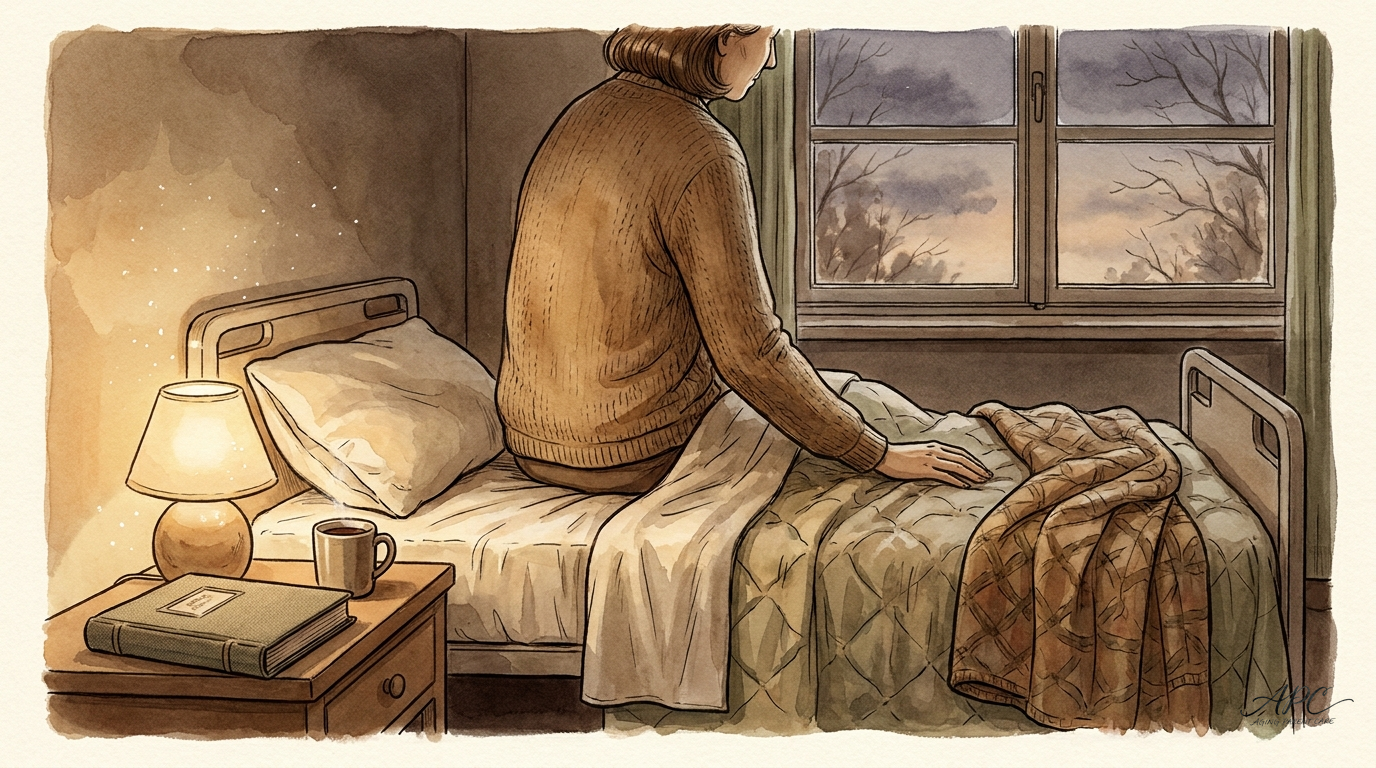
Rachel Okonkwo knows this in her bones. What she says, on the phone at 10:40 p.m. after the kids are asleep and before she checks her mother's medication log remotely, is simpler: "I'm not making it. I'm just not going under yet."
That distinction, between making it and not going under, is where roughly 24 million American families live right now.
1. Legis1 - Sandwich Generation Medicaid Cuts Faces Crisis (2026)
2. AARP & National Alliance for Caregiving - Caregiving in the U.S. 2025
3. CareScout/Genworth Cost of Care Survey 2025
4. CBPP - Medicaid Per Capita Cap analysis
5. Employee Benefit Research Institute - 2025 Annual Retirement Study
Sources
- AARP and National Alliance for Caregiving. "Caregiving in the U.S. 2025." AARP Public Policy Institute, 2025.
- Pew Research Center. "54% of Americans in Their 40s Are 'Sandwiched' Between an Aging Parent and Their Own Children." Pew Research, 2022.
- AARP. "Double Duty: The Financial and Emotional Strain of Caring for Two Generations." AARP, 2025.
- AARP. "Family Caregivers Spend $7,242 Per Year, 26% of Income, on Average." AARP, 2025.
- Pew Research Center. "The Sandwich Generation: Rising Financial Burdens for Middle-Aged Americans." Pew Research, 2013.
- AARP. "The Overwhelming Financial Toll of Family Caregiving." AARP, 2025.
© 2026 Aging Parent Care. All rights reserved. No portion of this article may be reproduced, distributed, or used in any form without the explicit written permission of Aging Parent Care.
Make Your Business Online By The Best No—Code & No—Plugin Solution In The Market.
30 Day Money-Back Guarantee
Say goodbye to your low online sales rate!