
What Caregivers Mean When They Say They're Fine
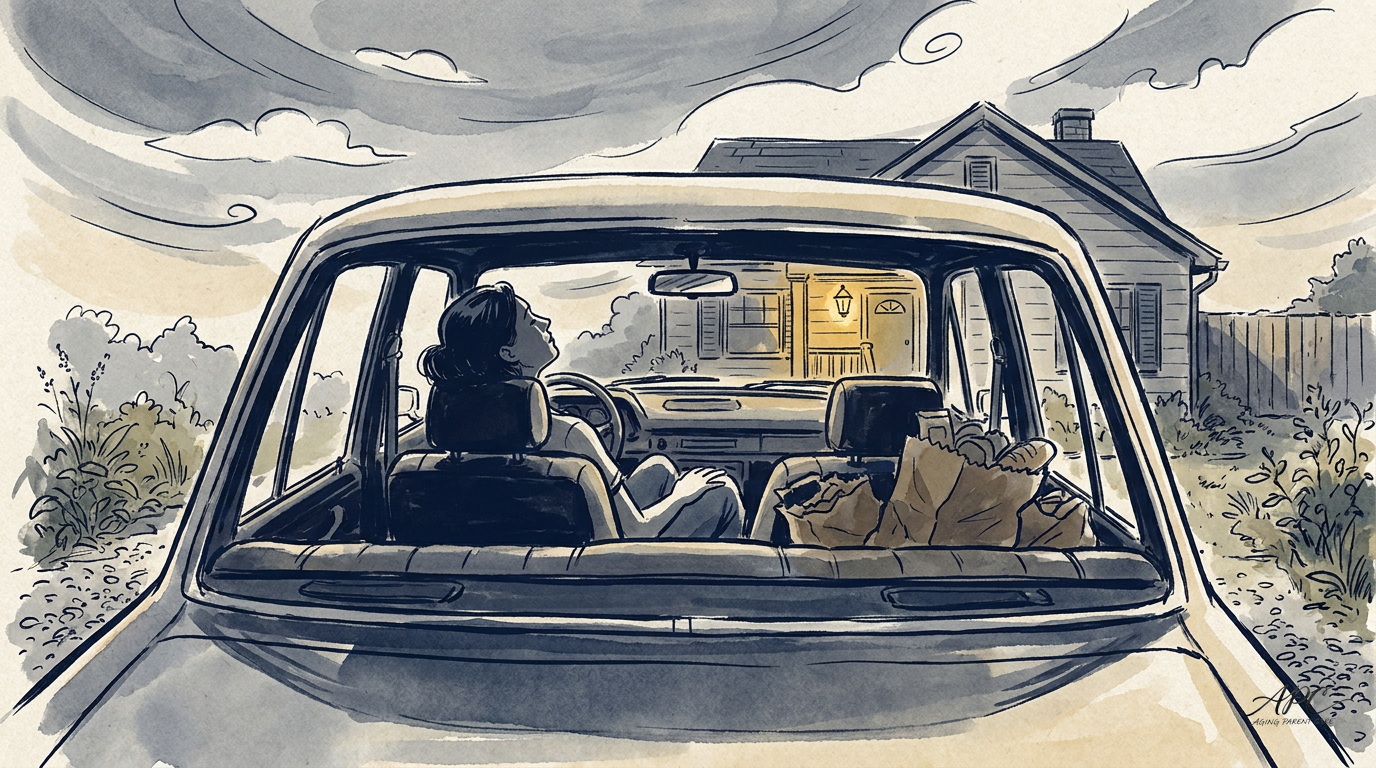
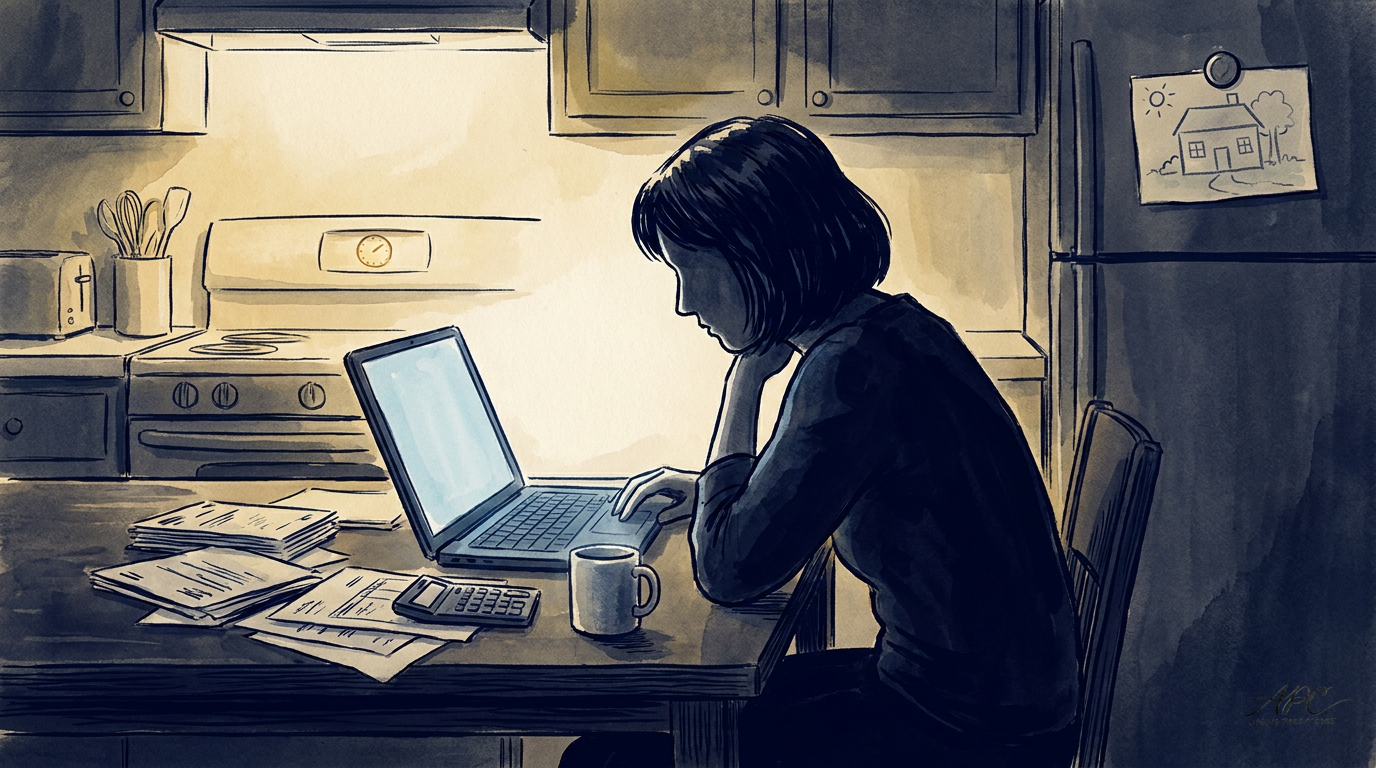
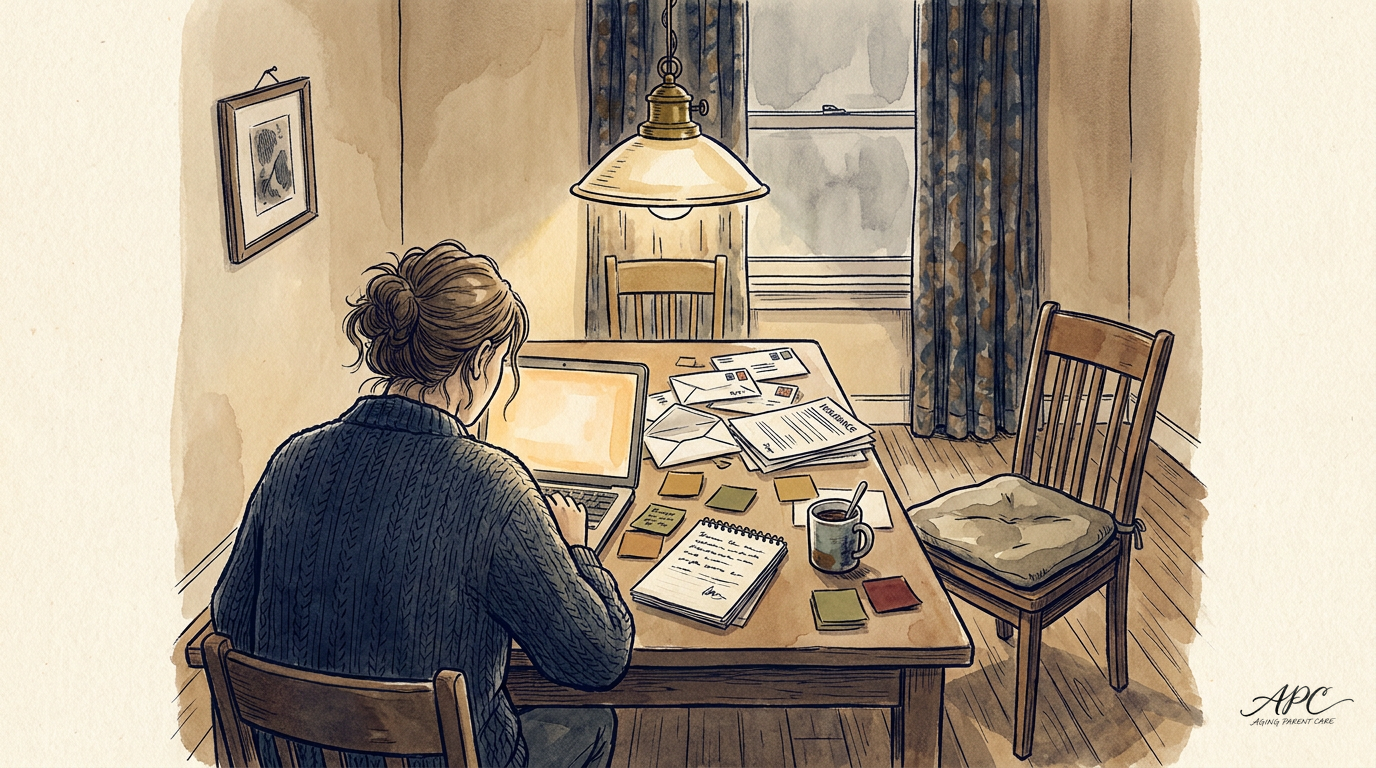
Teresa Munoz hasn't slept through the night since October. Her mother, 81, has vascular dementia, and the sundowning starts around 7 p.m. most evenings. Teresa works as an office manager at a dental practice in Tucson. She leaves at 4:30, picks up groceries, and arrives at her mother's apartment by 5:15. By the time she gets her mother settled, medicated, and calm enough to close her eyes, it's usually past midnight.
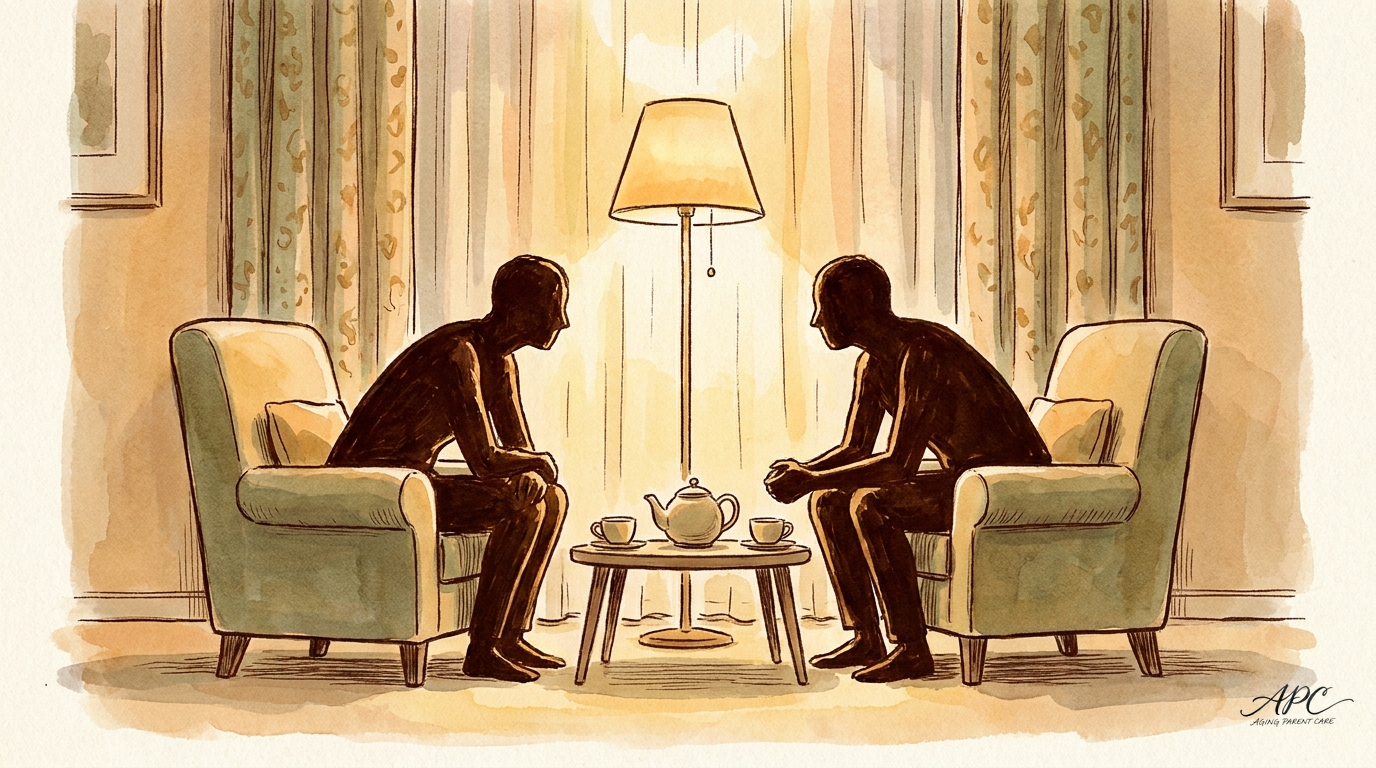
When Teresa's coworkers ask how she's doing, she says fine. When her brother calls from Portland every other Sunday, she says fine. She means: I'm too tired to explain this to you. She means: if I start talking about it, I won't be able to stop.
Sound familiar?
The Numbers Behind "Fine"
A 2025 survey by A Place for Mom found that 78% of family caregivers report experiencing burnout. Not as a one-time event. As a recurring condition, woven into the structure of their lives.
87% experience stress and anxiety, with over half feeling it every week. 84% report feeling overwhelmed. 50% have trouble sleeping at least once a week. 40% say their social lives have deteriorated. A third report worsened mental health since becoming a caregiver.
The average family caregiver spends 22.8 hours per week providing care. Thirty percent spend more than 30.
The Body Keeps the Tab
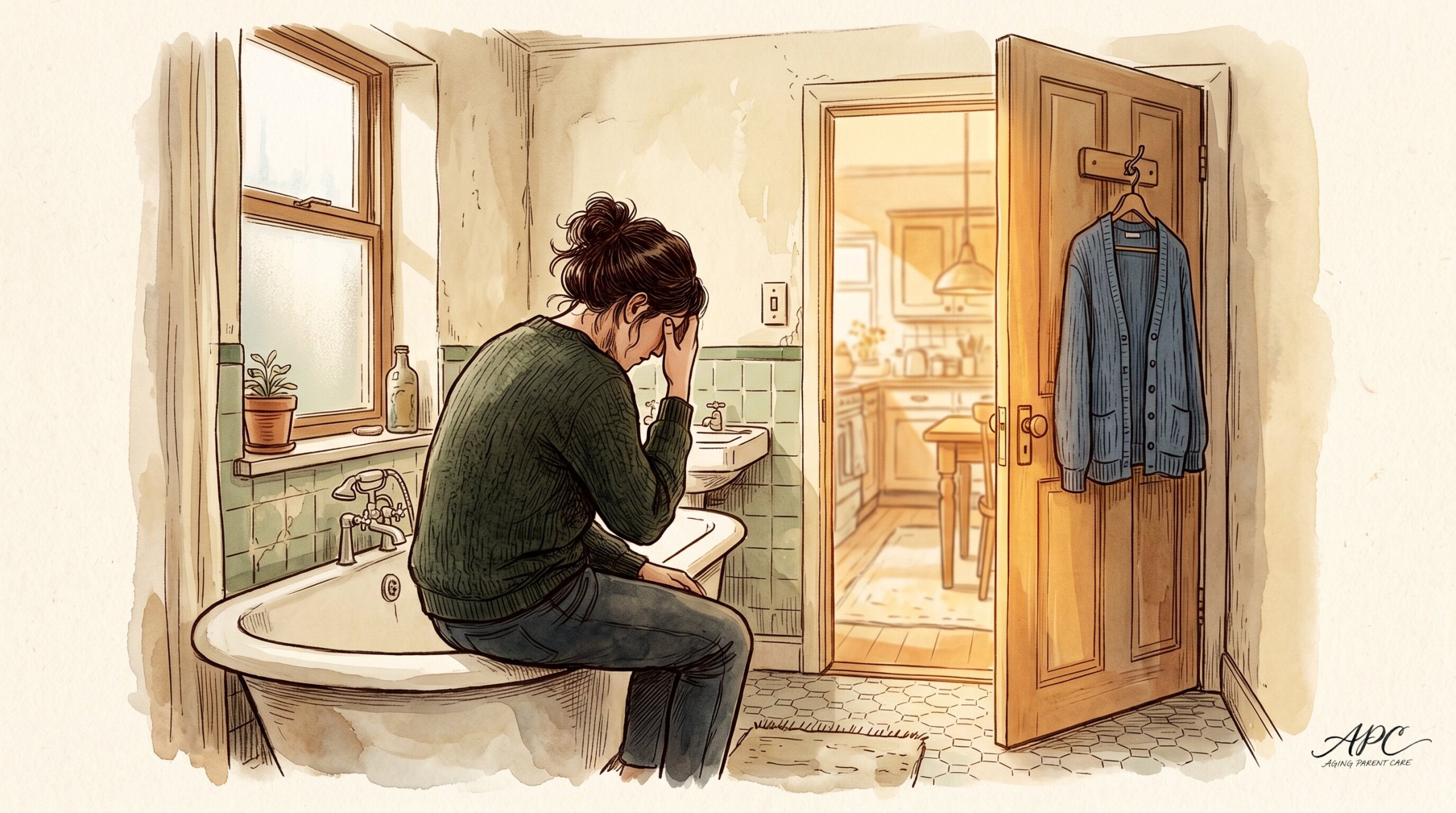
You stop calling friends back. You eat standing up over the kitchen counter. You develop a persistent headache that you attribute to dehydration, then to allergies, then to nothing.
One in four caregivers reports that their physical health has worsened. Chronic sleep loss elevates cortisol, suppresses immune function, impairs glucose metabolism. But you don't tend to frame it in clinical terms. You say: I'm just tired. Which is another version of fine.
Why Preparation Doesn't Fix It
Among the caregivers surveyed, 54% said they wished they'd planned sooner. But here's the thing: planning doesn't eliminate the 2 a.m. wake-ups. It doesn't make your mother recognize you on the days she doesn't. It doesn't manufacture siblings who show up.
The problem isn't that you failed to plan. The problem is that the American caregiving system treats family labor as an infinite resource. 39% of lower-income adults with an aging parent are providing care, compared with 16% of upper-income adults. The people with the fewest resources carry the heaviest load. Every single time.
What Helps (Honestly)
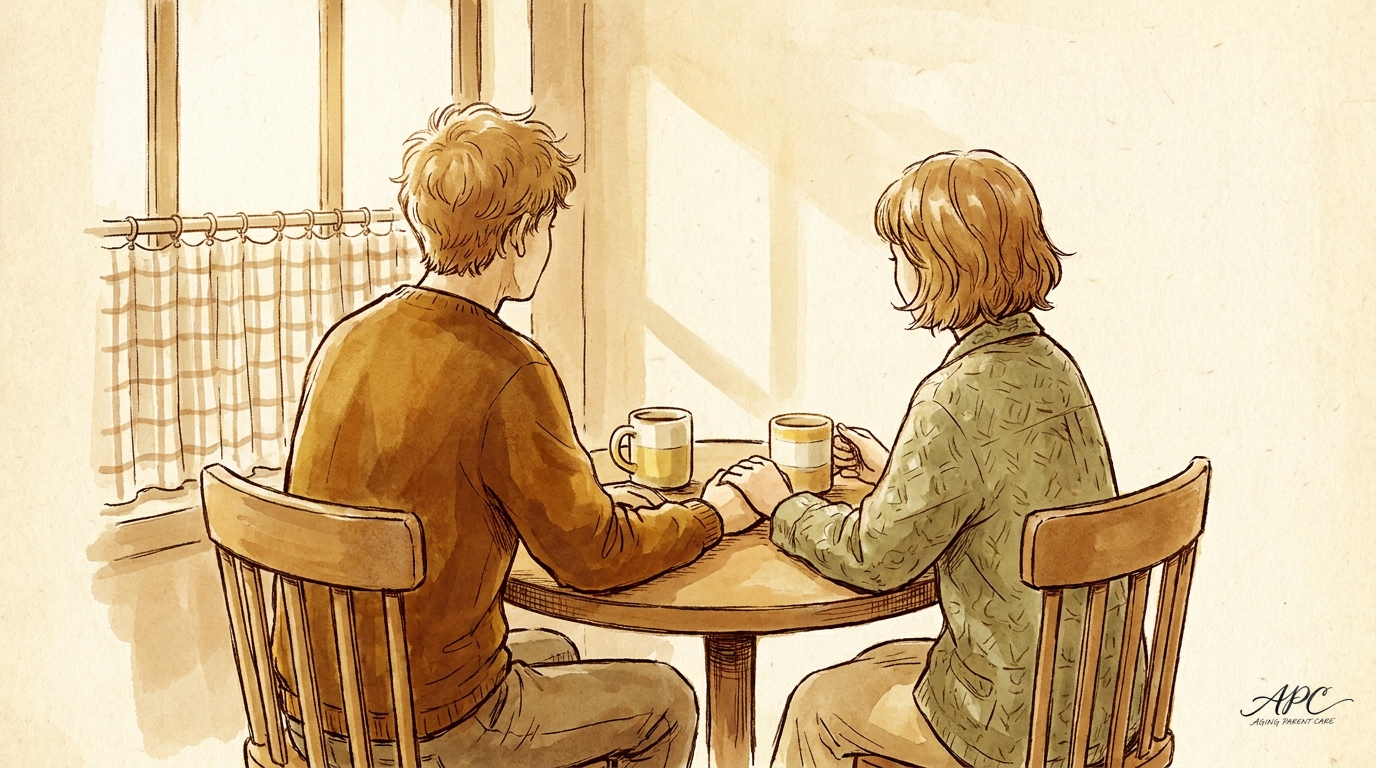
Name what's happening. Tell one person the truth. It doesn't solve anything. It makes the situation real, and that matters more than you'd think.
Stop measuring yourself against the caregiver you think you should be. You're doing something genuinely hard. The fact that you're doing it imperfectly doesn't mean you're doing it wrong.
Use respite care before you need it desperately. The Area Agency on Aging in your county can connect you with respite programs. The ARCH National Respite Network maintains a searchable database by ZIP code. Look it up today, not the day you hit the wall.
Talk to your doctor about your own health. Not your parent's. Yours. When was your last physical? If you have to think about it, schedule one.
The Permission You Didn't Ask For
Teresa Munoz told a friend recently that she sometimes sits in her car in the parking lot of her mother's apartment complex for ten minutes before going inside. Not on her phone. Not doing anything. Just sitting.
If you're reading this and you're a caregiver and you're not fine: that's the correct response to an impossible situation. You're not broken. You're burdened. There's a difference, and it matters.
Sources
1. A Place for Mom 2025 Caregiver Survey
2. Pew Research Center Feb 2026 Survey
Sources
- National Alliance for Caregiving & AARP. Caregiving in the U.S. 2025. caregiving.org
- Family Caregiver Alliance. Caregiver Statistics: Health, Technology, and Caregiving Resources. caregiver.org
- Family Caregiver Alliance. Caregiver Statistics: Demographics. caregiver.org
- Family Caregiver Alliance. Women and Caregiving: Facts and Figures. caregiver.org
- Alzheimer's Association. Caregiver Stress. alz.org
- Alzheimer's Association. 2025 Alzheimer's Disease Facts and Figures. alz.org
© 2026 Aging Parent Care. All rights reserved. No portion of this article may be reproduced, distributed, or used in any form without the explicit written permission of Aging Parent Care.
Make Your Business Online By The Best No—Code & No—Plugin Solution In The Market.
30 Day Money-Back Guarantee
Say goodbye to your low online sales rate!