

What Happens When Medicaid Stops Paying for Your Parent's Nursing Home
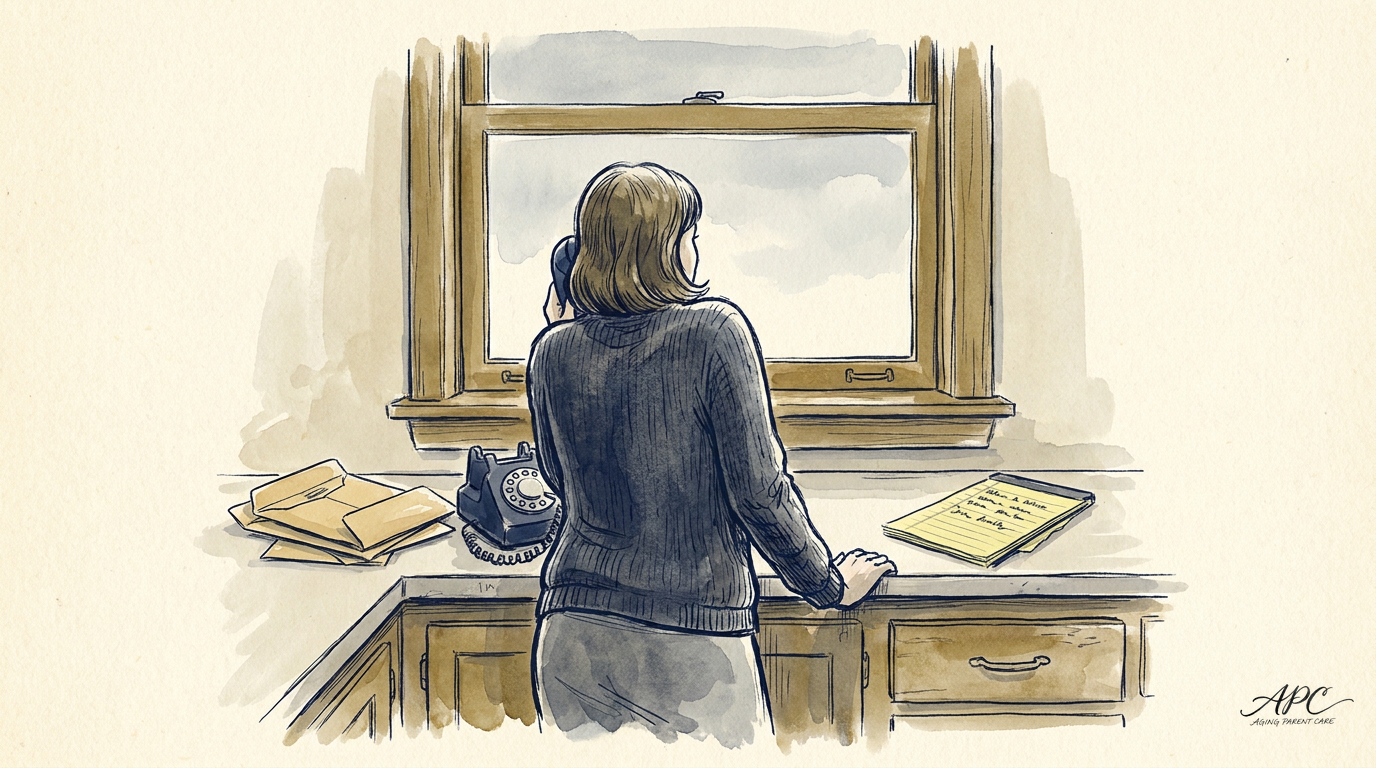
The call came on a Tuesday. Diane Okafor, a high school guidance counselor in Baltimore, was between appointments when her phone buzzed with an unfamiliar number. It was the billing office at her mother's nursing home. Medicaid coverage had been terminated. Her mother, seventy-nine, with advanced Parkinson's disease, needed to be "transitioned" within thirty days.
Diane didn't know what that meant. She didn't know her mother had rights. She didn't know where to call.
Millions of families across the country face some version of this moment. Medicaid is the primary payer for more than 60 percent of all nursing home residents in the United States, and coverage disruptions happen for a range of reasons: changes in eligibility, income recalculations, paperwork errors, shifts in state policy, or the annual redetermination process that can knock people off the rolls even when their circumstances haven't changed.
When the coverage stops, the fear is immediate. Will they put my mother out? Where will she go? Can we afford to pay privately, even for a month?
Here's what you need to know.
They Cannot Simply Evict Your Parent
This is the most important fact, and the one most families don't know. Federal law (the Nursing Home Reform Act of 1987, part of OBRA-87) establishes specific protections for nursing home residents. A facility can't discharge or transfer a resident except under limited, defined circumstances. Loss of Medicaid payment alone isn't automatic grounds for discharge.
A nursing home may initiate a discharge only for these reasons: the resident's health has improved enough that nursing home care is no longer needed; the resident's safety or the safety of other residents is endangered; the resident's health needs can't be met at the facility; the resident has failed to pay after reasonable notice (and the facility has made efforts to help the resident obtain payment); or the facility is closing.
Even when one of these conditions is met, the facility must provide a written notice at least 30 days before the intended discharge date. That notice must include the reason, the effective date, the location to which the resident will be transferred, and information about the resident's right to appeal.
You have the right to appeal. That's not a formality. It's a legal process.
The Appeal Process
When you receive a discharge notice, you can request a fair hearing through your state's Medicaid agency. Here's the part most people miss: in most states, if you request the hearing before the discharge date, the facility must keep your parent while the appeal is pending. This is called "aid pending" or "aid continuing," and it's a powerful protection that most families never use because they don't know it exists.
The appeal examines whether the discharge is lawful. If the Medicaid termination was based on an error (a missed form, a miscalculation, a failure to process a renewal), the hearing can result in reinstatement. Even if the termination stands, the hearing buys time and forces the facility to follow proper procedures.

Call the Ombudsman
Every state has a Long-Term Care Ombudsman program, federally mandated under the Older Americans Act. The ombudsman's job is to advocate for nursing home and assisted living residents. They investigate complaints, mediate disputes, and help families understand their rights.
This is a free service. You don't need a lawyer to contact them (though a lawyer can help in complex situations). The ombudsman can intervene directly with the facility, attend care conferences, and help you file an appeal if needed.
To find your state's ombudsman, call the Eldercare Locator at 1-800-677-1116 or visit eldercare.acl.gov.
Transfer Trauma Is Real
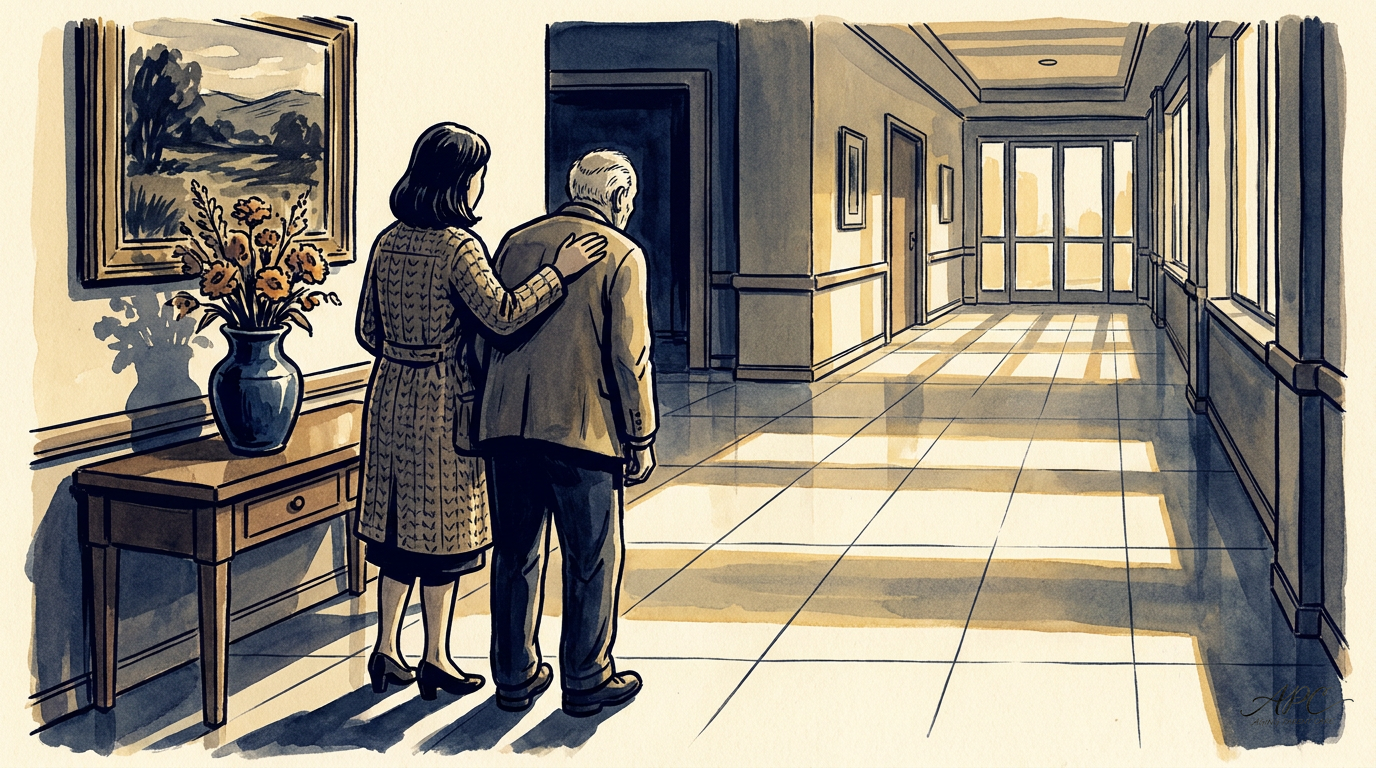
The urgency to fight an improper discharge isn't just financial. Transfer trauma, sometimes called relocation stress syndrome, is a documented medical phenomenon. Moving a frail or cognitively impaired elderly person from a familiar environment can trigger confusion, anxiety, depression, falls, weight loss, and in some cases, accelerated decline.
A 2005 study in The Gerontologist found that involuntary relocation was associated with increased mortality in nursing home residents, particularly among those with dementia. The environment is part of the care. The staff who know your parent's habits, the routine that provides structure: these things matter. Uprooting all of that causes real harm.
That's why the discharge protections exist. They're medical safeguards, not just legal ones.
Bed-Hold Policies
If your parent is temporarily hospitalized, will the nursing home hold their bed? It depends on where you live. Some states require Medicaid to pay for bed-hold days (typically 7 to 15 days) during a hospital stay. Others don't. If the bed isn't held, the facility may fill it, and your parent could lose their placement.
Ask the nursing home about their bed-hold policy before a crisis happens. Get it in writing. If your state doesn't fund bed holds, discuss with the facility what happens if your parent needs to be readmitted after a hospital stay. Don't wait until you're standing in a hospital hallway to figure this out.
What to Do Right Now
If you've received a discharge notice or a Medicaid termination letter, these steps matter:
Read the notice carefully. Note the reason given and the date.
Call your state's Long-Term Care Ombudsman immediately.
Request a fair hearing before the discharge date. Do this in writing.
Contact a Medicaid eligibility specialist or elder law attorney if the termination appears to be an error.
Don't move your parent voluntarily until you understand your rights. Once you agree to a transfer, it becomes much harder to reverse.
Document everything. Save letters, notes from phone calls, emails. Write down who you spoke with, when, and what they said.
Diane Okafor called the Maryland Long-Term Care Ombudsman the day after she got that call from billing. The ombudsman reviewed the case and found that her mother's Medicaid redetermination had been improperly processed. A missing form, submitted by the nursing home's own social worker, had never been forwarded to the state. The coverage was reinstated within three weeks.
Her mother never moved. She's still in the same room, with the same aide who braids her hair on Thursdays.
Not every case resolves this cleanly. But the protections are real, and they work best when you know they exist before the crisis arrives. The system is deliberately hard to use. But your parent has rights, and so do you.
Sources
- KFF. "Medicaid in the United States." 2024.
- Omnibus Budget Reconciliation Act of 1987 (OBRA-87), Pub. L. 100-203. Nursing Home Reform Act. U.S. Congress.
- Centers for Medicare and Medicaid Services. "State Operations Manual, Appendix PP: Guidance to Surveyors for Long-Term Care Facilities."
- Administration for Community Living. "Long-Term Care Ombudsman Program."
- Laughlin, A., et al. "Relocation of the Institutionalized Aged: Transfer Trauma and Mortality Risk." Journal of Gerontological Nursing.
- Medicaid.gov. "Medicaid Eligibility." Centers for Medicare and Medicaid Services.
- Eldercare Locator. U.S. Administration on Aging. eldercare.acl.gov. 1-800-677-1116.
© 2026 Aging Parent Care. All rights reserved. No portion of this article may be reproduced, distributed, or used in any form without the explicit written permission of Aging Parent Care.
Make Your Business Online By The Best No—Code & No—Plugin Solution In The Market.
30 Day Money-Back Guarantee
Say goodbye to your low online sales rate!