Why Your Sibling Won't Help (and What to Do About It)

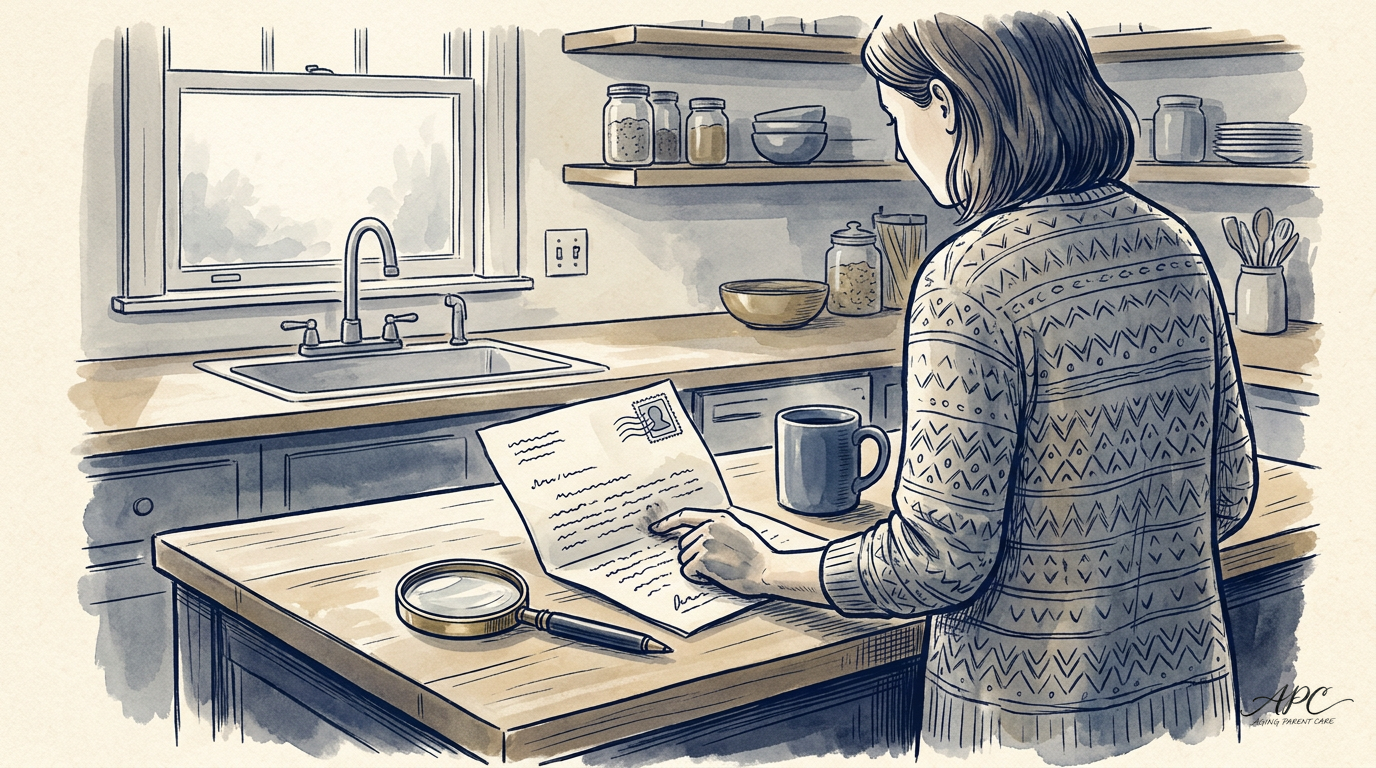
You know the feeling. You're driving home from your mother's apartment at 9 p.m. on a Wednesday, and your phone shows a text from your brother: "How's Mom doing?" Four words. No offer to visit. No question about what she needs. Just a check-in that costs him nothing, sent from 800 miles away, where he lives with his wife and two kids and a life that doesn't include pill organizers or wet laundry or the smell of Ensure.
You type "Fine" and put the phone down.
Sound familiar? This is the most common story in caregiving. The Family Caregiver Alliance confirms what every primary caregiver already knows: in nearly every family, one adult child absorbs the majority of care. The others contribute less, or not at all. NIH research published in 2023 (PMC10735373) found that when a parent develops cognitive impairment, existing sibling tensions don't just persist. They intensify. The real trigger isn't old grudges or childhood favorites. It's the tangible, measurable inequality of who's doing the work right now.
Before you can fix this, it helps to name it. Most non-helping siblings fall into one of three patterns.
This sibling lives far away and calls periodically, offering emotional support from a safe distance. They say things like "You're doing such a great job" and "Let me know if there's anything I can do," but the offer never converts into action. The Distant Observer is simply insulated. Because they don't see the daily grind, they don't understand it. They may genuinely believe things are going fine, because you've never told them otherwise. You've been too exhausted and too afraid of conflict to say the words: I'm drowning, and I need you to do something specific.
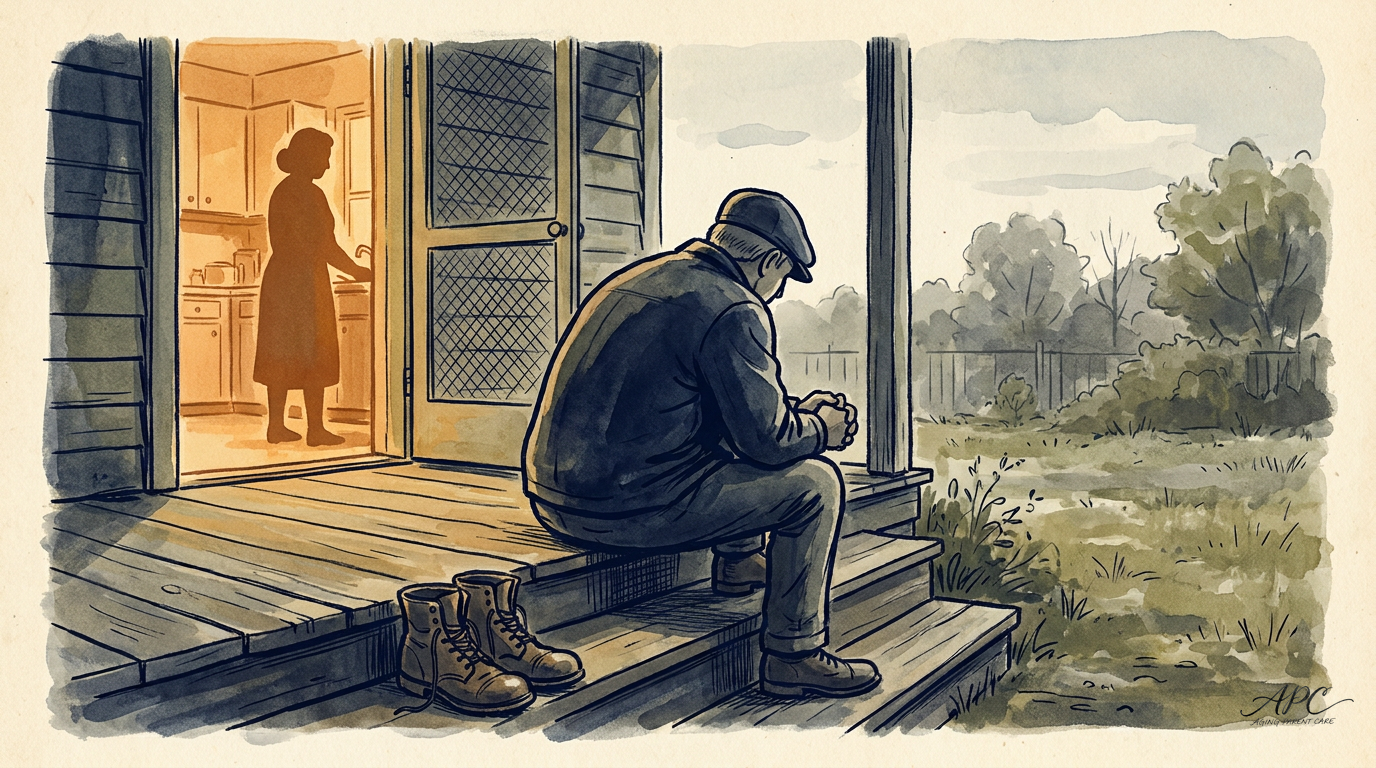
This sibling minimizes your parent's decline. "Mom seemed fine when I talked to her on Sunday." "Dad's always been forgetful." "I don't think it's as bad as you're making it." The Denier is protecting themselves. Accepting that a parent needs daily help means accepting that the parent is diminished, which means confronting mortality, which is a thing human beings will go to extraordinary lengths to avoid. The Denier is grieving preemptively, and their grief looks like resistance.
This sibling doesn't help, but has opinions about how you're helping. They question your decisions about medications, living arrangements, and spending. They may advocate for a different care plan without volunteering to implement it. The Critic is often managing their own guilt. By finding fault, they create a reason why their absence is justified: if you're doing it wrong anyway, why would they step in?
Recognizing the pattern doesn't fix it. But it does help you choose the right conversation.

So what actually works? Here's what geriatric care managers and family therapists consistently recommend.
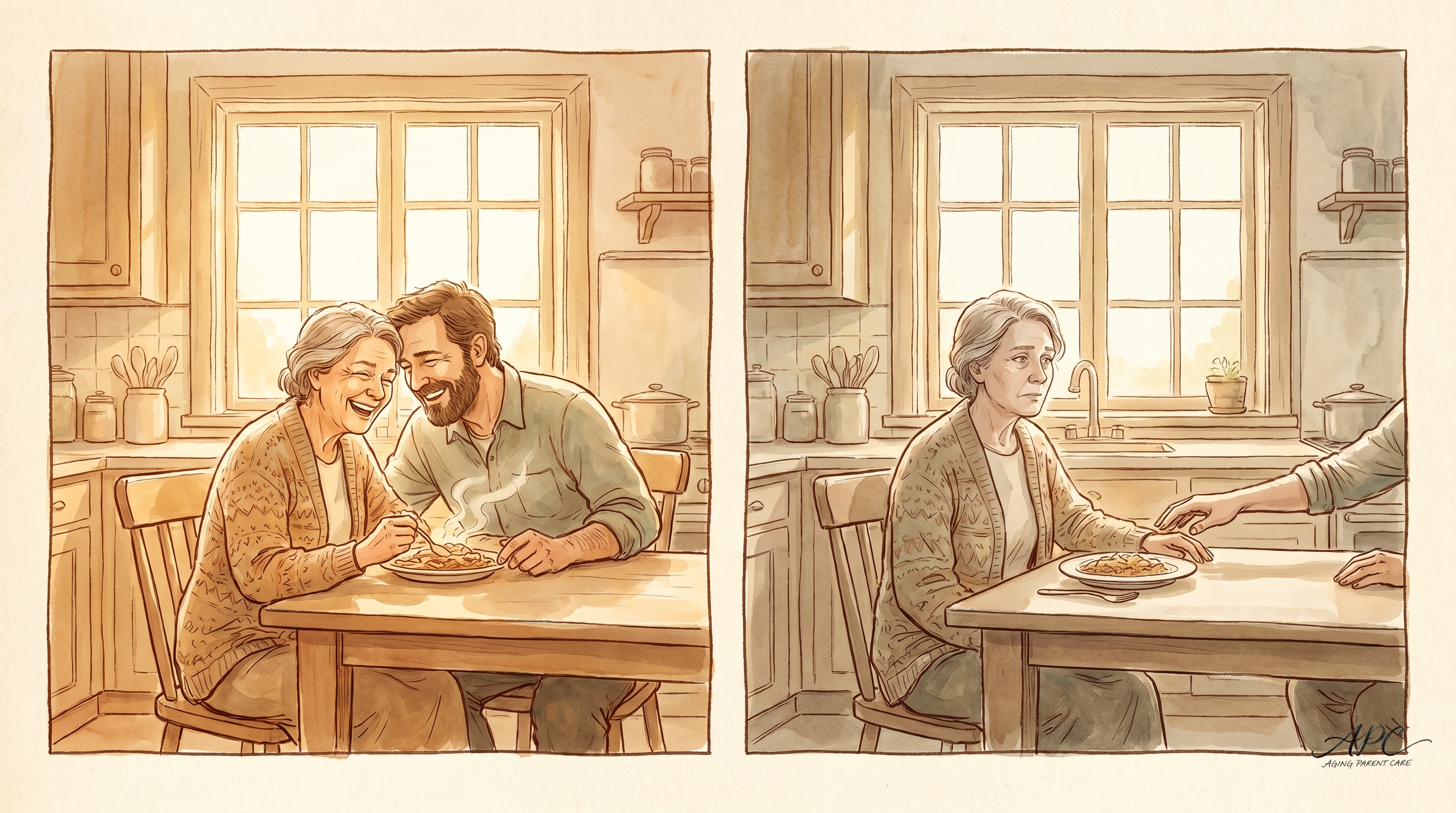
The single biggest mistake you can make is assuming your siblings can see what needs to be done. They can't. Even if they visit, they see a cleaned-up version: Mom on her best day, the apartment cleaned up, medications sorted. They don't see the 3 a.m. phone call or the hours spent on hold with the insurance company. If you want help, you have to describe (specifically and without apology) what help looks like.
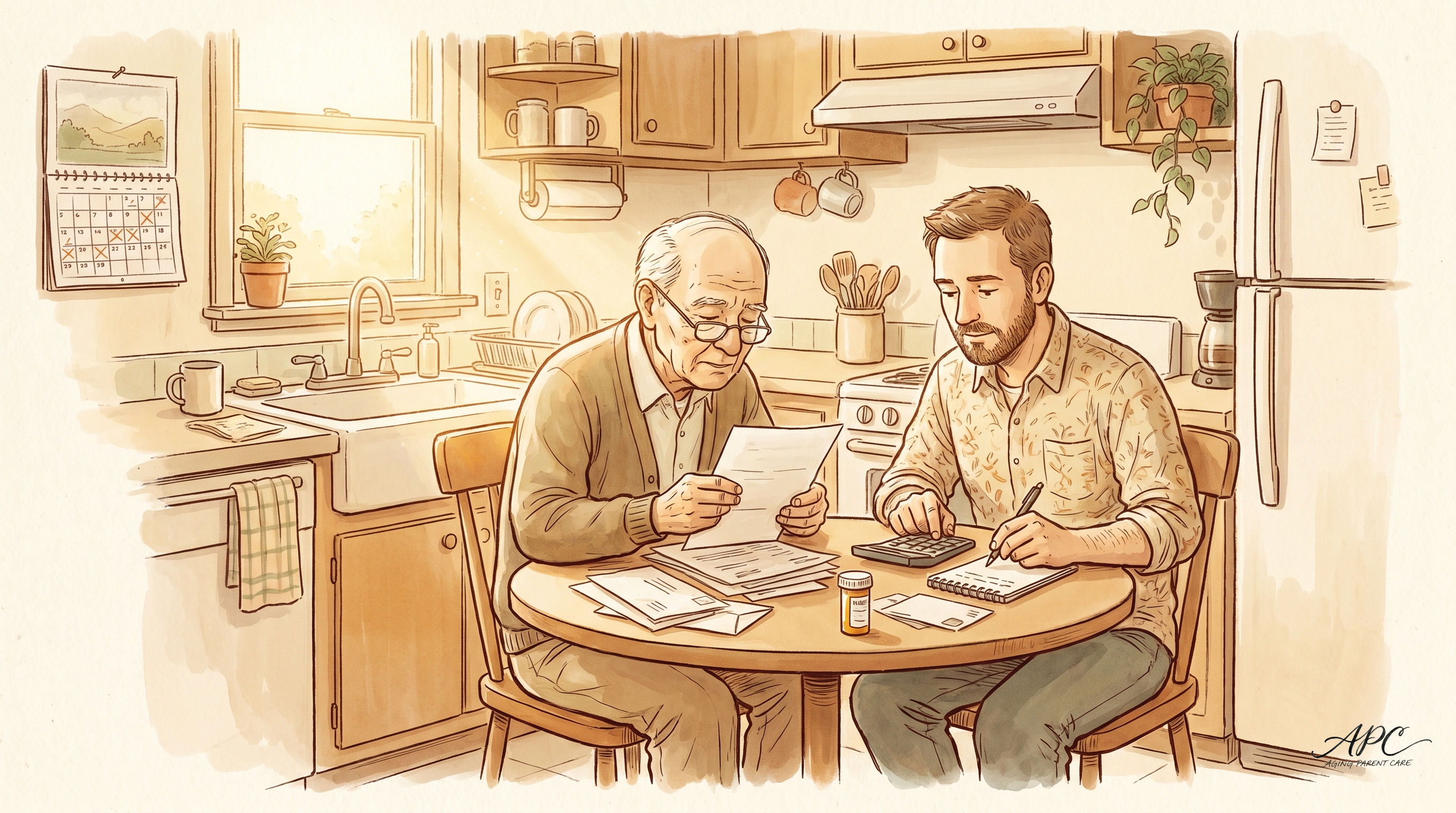
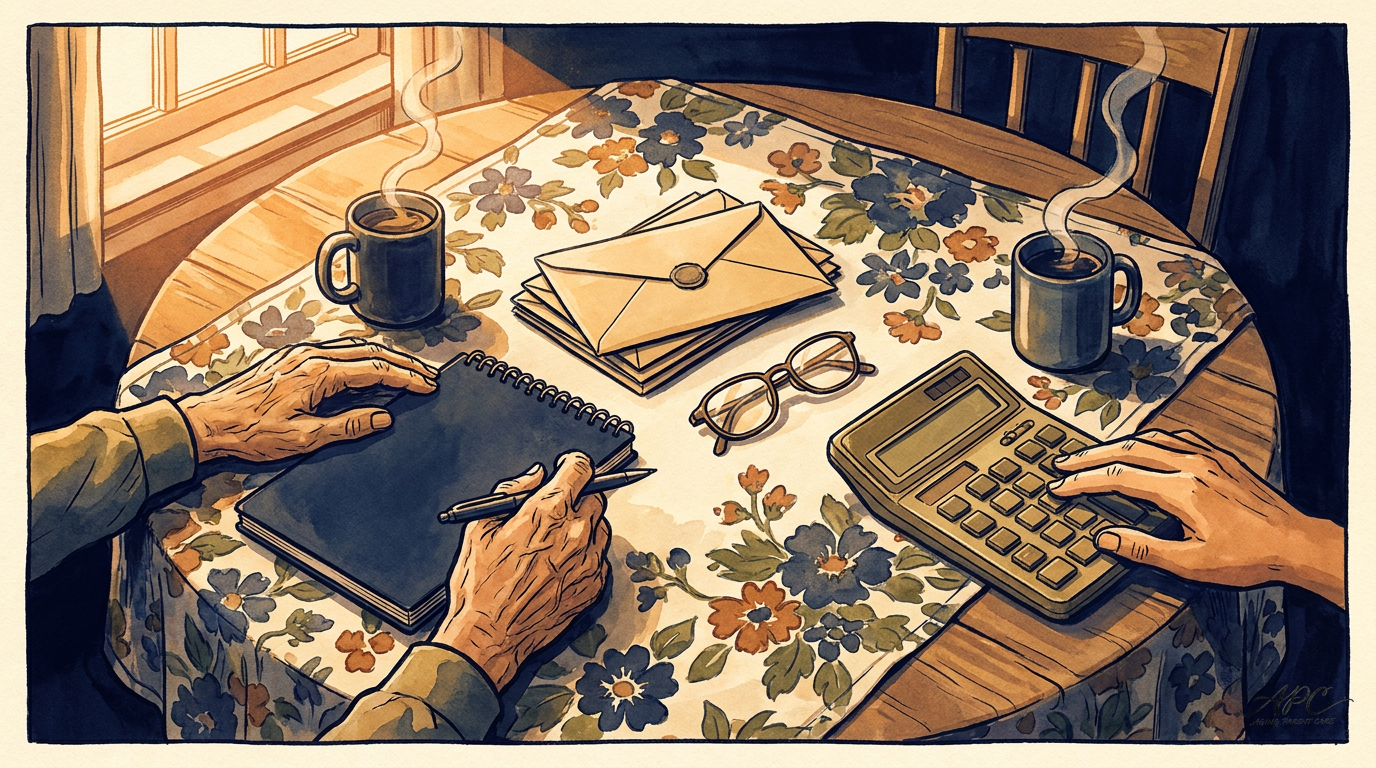
Write down every caregiving task you perform in a week. Be exhaustive: medication management, meal prep, laundry, transportation, appointment scheduling, insurance calls, home maintenance, emotional support, overnight supervision. Then send that list to your siblings. Send it as a plain statement of fact. Say: "Here's what Mom needs every week. I'm currently doing all of it. I need each of us to take some portion. Which items can you take?"
Why does this work? Because it shifts the conversation from emotion to logistics. It's much harder to say "I can't help" when you're staring at a list of 23 tasks and your sibling is doing 21 of them.
And not every task requires physical presence. A sibling who lives far away can manage finances, coordinate insurance, research care options, schedule and attend telehealth appointments, order supplies online, or handle legal paperwork. That's real work that takes real time, and offloading it will give you measurable relief.
Set up a family call every two weeks. Same day, same time. Thirty minutes. On the call, review the care plan, discuss any changes, then redistribute tasks as needed. This eliminates the "I didn't know" excuse and creates a paper trail (even if it's just a shared Google Doc) of who agreed to do what.
Here's the thing: you also need to state the consequences plainly. "If I continue at this pace without support, I will burn out. When I burn out, I won't be able to provide care. That means we'll need to hire someone or move Mom to a facility. The cost of that is approximately $X per month. I need to know if you're prepared to share that cost."
That's an honest forecast, not a threat. Burnout is a statistical certainty for solo caregivers. And the financial reality of professional care (often $5,000 to $10,000 a month for full-time help) is often the thing that finally moves a reluctant sibling from observation to participation.
Some siblings will never help. That's a real outcome you may have to accept. If you reach that point, the question shifts from "How do I get them to help?" to "How do I get the help I need from other sources?" Respite care programs, adult day centers, faith communities, and local caregiver support groups can fill some of the gap. They'll never replace family. But they're better than silence from someone who shares your last name and none of your load.
The text from your brother will come again next Wednesday. Maybe next time, instead of "Fine," you send the list.
Sources
- Family Caregiver Alliance. Caregiver Statistics: Demographics.
- NIH/PubMed. Sibling Conflict and Cognitive Impairment in Aging Parents. 2023.
- AARP. Long-Distance Caregiving: Challenges, Costs, and Family Coordination.
- Family Caregiver Alliance. Respite Services.
- Pillemer K, et al. Sibling Conflict and Caregiving Role Distribution. The Gerontologist, 2019.
- National Institute on Aging. Caring for a Person with Alzheimer's Disease.
© 2026 Aging Parent Care. All rights reserved. No portion of this article may be reproduced, distributed, or used in any form without the explicit written permission of Aging Parent Care.
Make Your Business Online By The Best No—Code & No—Plugin Solution In The Market.
30 Day Money-Back Guarantee
Say goodbye to your low online sales rate!