
Your Parent's Bad Sleep Might Be the First Sign of Dementia
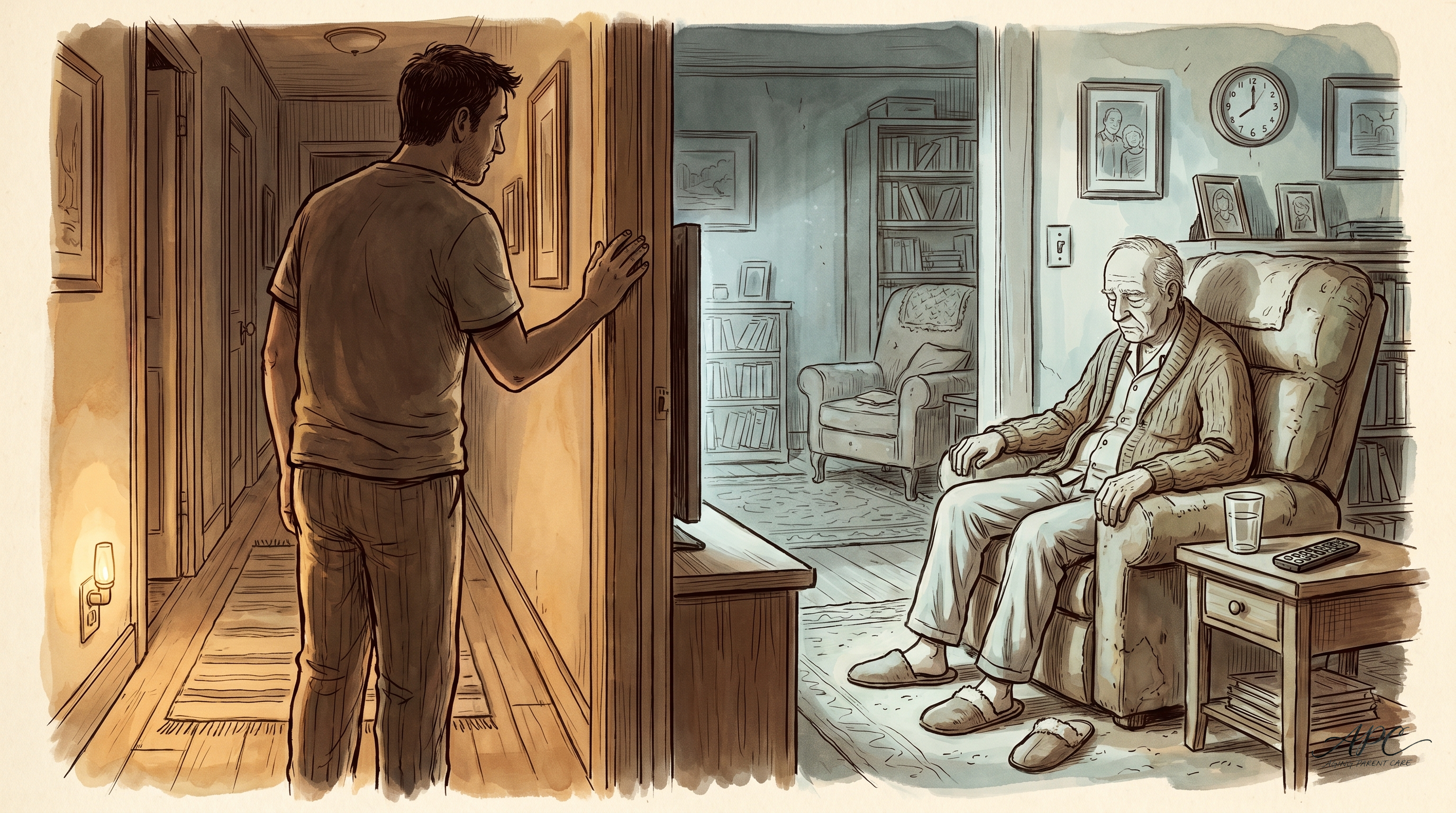
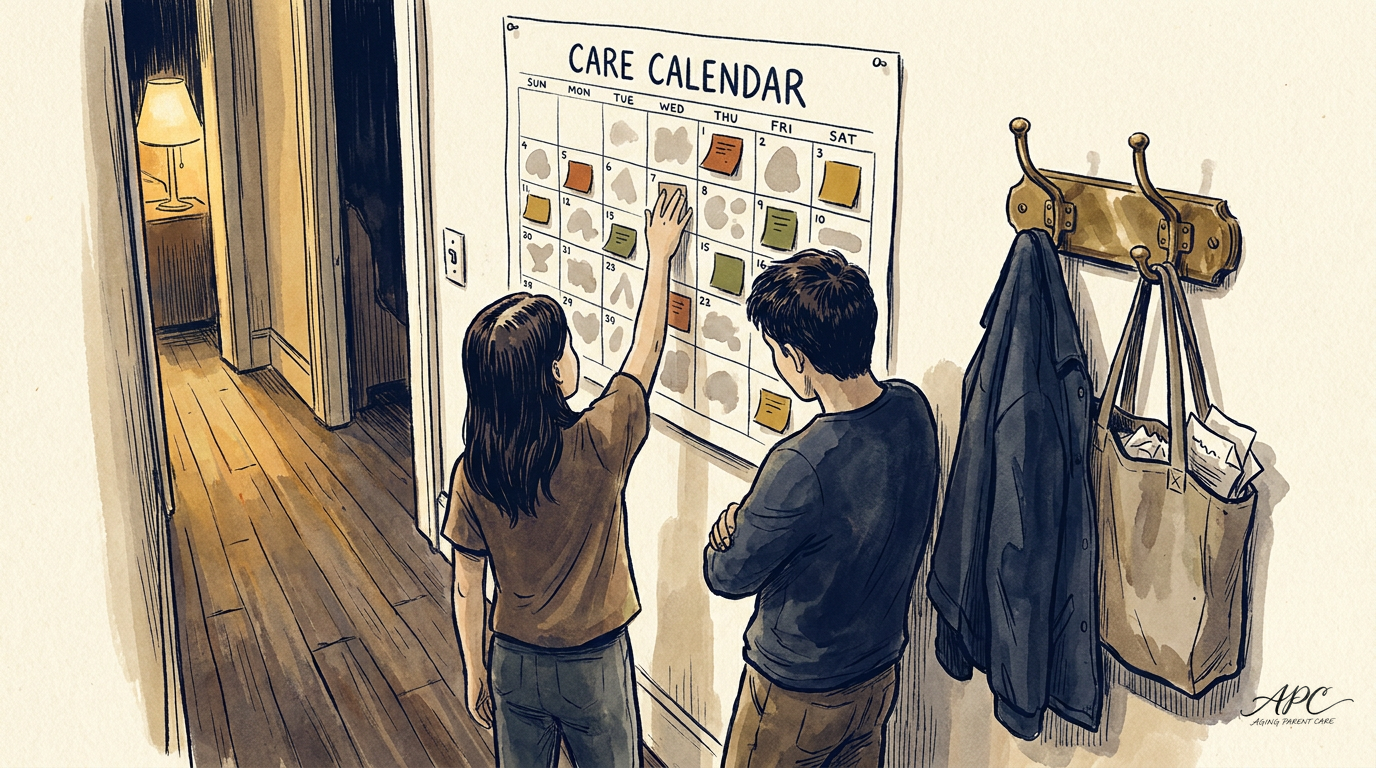
Marcus Chen noticed it first on a Saturday. His father, Robert, had always been an early riser, up by 6 a.m., coffee made, the newspaper read before anyone else in the house was awake. That Saturday, Marcus found his father asleep in his armchair at 11 a.m., the coffee cold, the newspaper still in its plastic sleeve on the porch. Robert woke confused and disoriented, unable to account for the hours.
Marcus mentioned it to his mother, who said it had been happening for weeks. She'd assumed it was just getting older. She hadn't told anyone because she didn't want to worry them. By the time Marcus arranged a neurologist appointment, the sleep disruption had been going on for nearly three months.
Robert was later diagnosed with early-stage Lewy body dementia. His sleep changes had started two years before the cognitive symptoms the family would have recognized as dementia. Two full years.
What the Research Shows About Sleep and Dementia
Sleep disruption goes beyond being a symptom of dementia. Increasingly, researchers believe it's part of the mechanism. The relationship runs in both directions: dementia damages the brain structures that regulate sleep, and disrupted sleep appears to accelerate the accumulation of the proteins (amyloid beta and tau) associated with Alzheimer's disease and other dementias.
A landmark 2019 study published in Science found that the brain's glymphatic system, the waste-clearance system that flushes out metabolic byproducts, operates primarily during sleep, particularly deep non-REM sleep. When sleep is chronically disrupted, this clearance falters. Amyloid accumulates faster.
And the numbers are striking. A 2021 study in Nature Communications, which followed nearly 8,000 participants over 25 years, found that people who consistently slept six hours or fewer per night in their 50s and 60s had a 30 percent higher risk of developing dementia compared to those who slept seven hours. The association held even after controlling for other risk factors.
This doesn't mean that every person who sleeps poorly will develop dementia. But it does mean that significant, persistent changes in your parent's sleep patterns deserve medical attention, not reassurance.
REM Sleep Behavior Disorder: A Specific Warning Signal
One sleep condition in particular has a strong and well-documented association with neurodegenerative disease: REM sleep behavior disorder, or RBD.
In normal REM sleep, the brain is highly active but the body is essentially paralyzed. In RBD, this paralysis fails. People act out their dreams: talking, shouting, punching, kicking, sometimes falling out of bed. They often have no memory of it afterward, and their bed partner is typically the one who raises the alarm.
Here's the thing: RBD is strongly associated with synucleinopathies, a class of neurodegenerative diseases that includes Parkinson's disease, Lewy body dementia, and multiple system atrophy. Studies have found that between 75 and 90 percent of people with RBD will eventually develop one of these conditions, often within 10 to 15 years of symptom onset. In some cases, RBD begins decades before any cognitive or motor symptoms appear.
Has your parent's sleep partner noticed violent or disruptive movements during sleep? That warrants a conversation with a neurologist, not just a primary care physician.
The Signs Families Actually Notice First
Sleep changes that may warrant attention don't always look like what you'd expect. They can be subtle and easy to explain away one at a time. What matters is the pattern and the persistence.
Signs that clinicians say deserve follow-up include: a significant shift in sleep schedule (particularly moving to much earlier bedtimes and waking at 3 or 4 a.m.); excessive daytime sleepiness that interferes with normal functioning; difficulty distinguishing dreams from reality upon waking; nighttime confusion or wandering; vivid, disturbing dreams or nightmares; and any of the active, physically disruptive sleep behaviors associated with RBD.
Sundowning, the increase in confusion and agitation during the late afternoon and early evening, is another pattern families often notice before any formal diagnosis. It's particularly associated with Alzheimer's disease and is thought to be related to disruption of the circadian rhythm. Sound familiar?
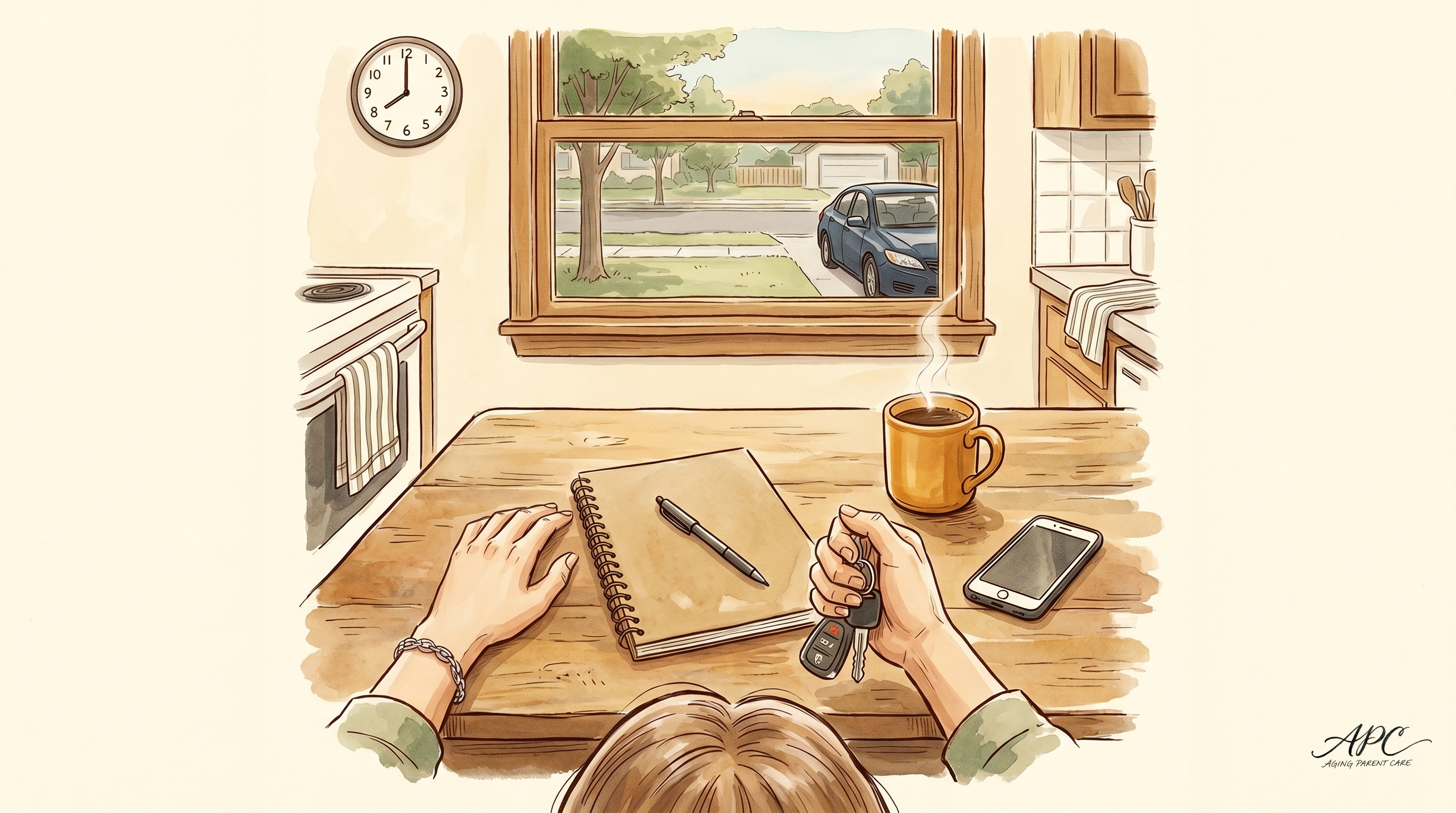
The important thing isn't to diagnose. It's to document and report. A sleep diary kept for two to four weeks, recording sleep and wake times along with any unusual nighttime behaviors, gives a physician or neurologist far more to work with than a general complaint that "his sleep hasn't been right."
What a Medical Evaluation Looks Like
If you bring sleep concerns to a physician, a thorough evaluation should include a review of all current medications (many commonly prescribed drugs, including antihistamines and certain antidepressants, can significantly affect sleep quality and architecture), screening for depression and thyroid function, along with an assessment for obstructive sleep apnea. Sleep apnea is underdiagnosed in older adults and has its own independent associations with cognitive decline.
If the clinical picture warrants it, a referral to a sleep specialist and a polysomnography (overnight sleep study) can definitively diagnose conditions like RBD and sleep apnea. These tests are covered by Medicare Part B when medically indicated.
A referral to a neurologist, particularly one specializing in movement disorders or cognitive neurology, should be considered if the sleep changes come with any cognitive symptoms, motor changes (slowing or tremor), or autonomic symptoms like dizziness on standing or unexplained constipation. Don't wait for the full picture to emerge on its own.
Sources
- Xie, L., et al. (2013). Sleep drives metabolite clearance from the adult brain. Science, 342(6156), 373-377.
- Sabia, S., et al. (2021). Association of sleep duration in middle and old age with incidence of dementia. Nature Communications, 12, 2289.
- Postuma, R.B., et al. (2019). Risk and predictors of dementia and parkinsonism in idiopathic REM sleep behaviour disorder. Brain, 142(3), 744-759.
- Alzheimer's Association. Sundowning.
- Ju, Y.E., Lucey, B.P., & Holtzman, D.M. (2014). Sleep and Alzheimer disease pathology -- a bidirectional relationship. Nature Reviews Neurology, 10(2), 115-119.
© 2026 Aging Parent Care. All rights reserved. No portion of this article may be reproduced, distributed, or used in any form without the explicit written permission of Aging Parent Care.
Make Your Business Online By The Best No—Code & No—Plugin Solution In The Market.
30 Day Money-Back Guarantee
Say goodbye to your low online sales rate!