
Before a Parent Moves In: The Decisions That Make or Break Multigenerational Living.

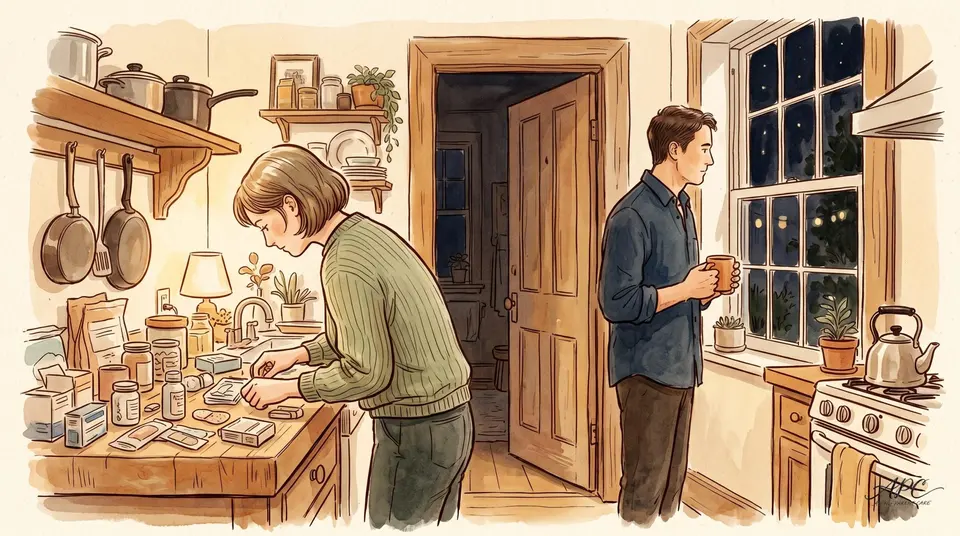
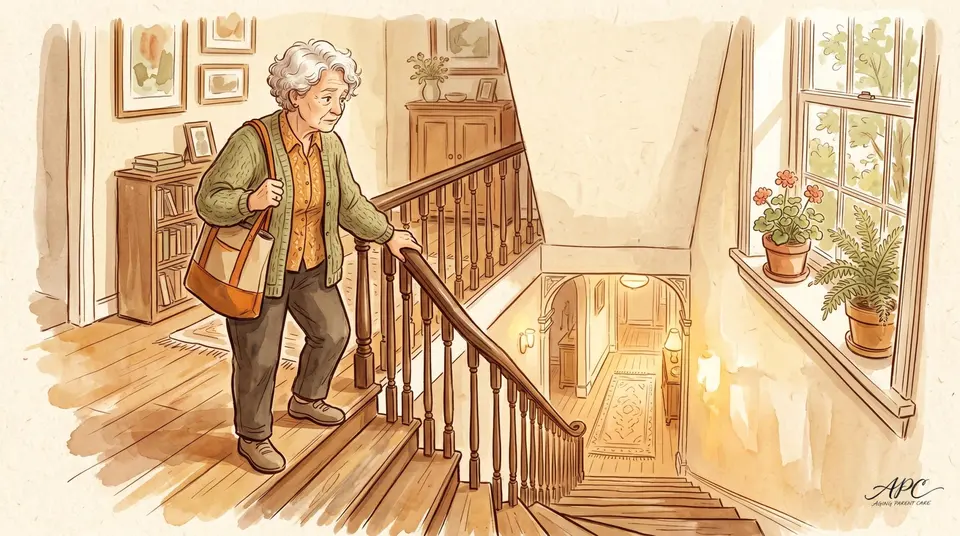
Maya is standing in what used to be the guest room, holding a box of her own old college books, trying to decide where her mother's reading chair will go. Her dad died in the spring. Her mom, Rose, is seventy-eight, sharp as ever, but the stairs in her own place have gotten to be too much, and the math on assisted living made everyone go quiet. So Rose is moving in. The room is the easy part. What keeps Maya up is the rest of it: the money nobody has put on paper, the husband who said yes a little too fast, the question of whose house this actually becomes. Move a parent in without settling those things first, and the arrangement tends to come apart about two years in, after the renovation is paid for and the resentment has had time to set. Settle a handful of them before the boxes are unpacked, and the same move that breaks one family holds another together for years.
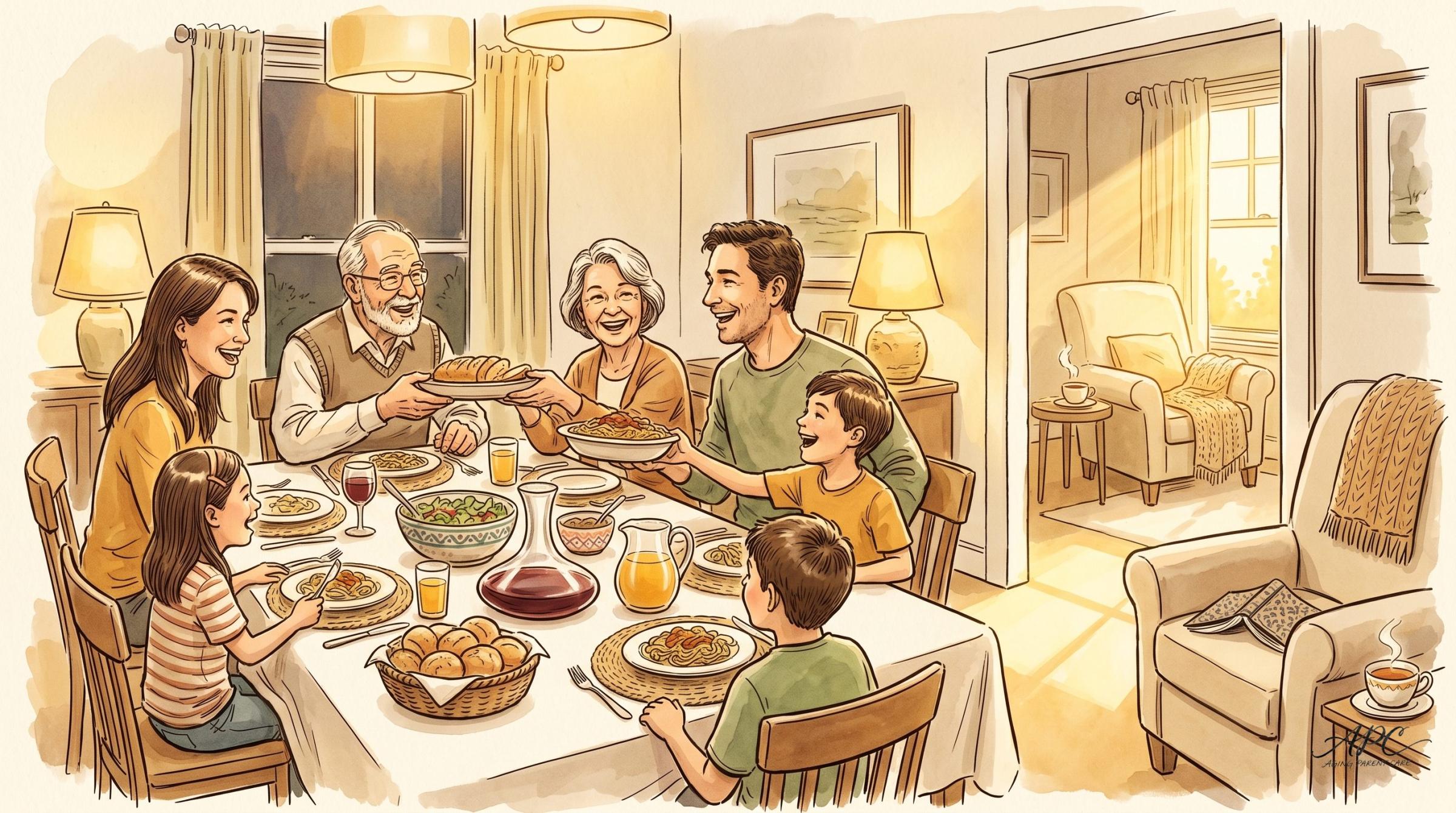
Maya is in very ordinary company. When Pew Research Center last counted, a record sixty-four million Americans, about one in five, were living in a multigenerational household, and that share has been climbing since the early 2000s.1 Generations United puts the more recent figure at more than one in four adults, with eldercare named as a reason by roughly a third of those families.2 The reasons split between economics and plain love: housing costs that put separate arrangements out of reach, parents who need a hand before they need a facility, and adult kids who simply want their folks close.
Here is the part that trips families up. Bringing your mom or dad in is not only a housing decision. It is a decision about how your household will handle privacy, authority, money, conflict, and care for years. The families who do it well share one habit: they talked through the hard questions before the move, not after. Let me walk you through which questions those are, the modifications worth paying for, and the one agreement that predicts whether the whole thing holds.
What makes multigenerational living actually work
- A written money agreement. Who pays for what, on paper, before anyone moves.
- A shared care plan. Who does what, who decides, and what happens if it has to end.
- The right modifications. Grab bars, a stair lift, a leveled threshold, all far cheaper than a facility.
- Separate space. A private entrance or an ADU keeps a home from turning into a care ward.
- Your parent's autonomy. They keep running their own life for as long as it is safe.
What should we settle before the move?
Maya's instinct was to skip straight to logistics, paint the room, order a new bed, get Rose in by the holidays. The questions that actually decide whether this lasts are the uncomfortable ones, which is exactly why most families put them off. They are also the ones still standing between you two years in. Settle them before the boxes are unpacked:
- Who pays for what, and how will that be tracked in writing?
- What level of care does your parent need now, and what happens as that level rises?
- What does your parent do during the day, and is that life still possible in the new space?
- What happens if the adult child's marriage, job, or health changes?
- Who has final say when your parent's condition shifts and a decision cannot wait?
None of these are fun at the kitchen table. Every one of them is easier to answer now, calmly, than later, in a hospital hallway, when the answer can no longer wait. Rose, for her part, surprised everyone by having opinions: she wanted to keep paying her own way, keep her own doctor, and keep Thursdays for her bridge group. That was the first real conversation, and it made the rest of them possible.
What modifications does the house actually need?
The physical changes are the part families underestimate. The good news is that the cheap fixes do most of the work. AARP points out that simple safety changes, grab bars, beveled threshold strips that smooth the step between rooms, better lighting, often run a few hundred dollars or less.3 A stair lift for a straight staircase, the thing that made Rose's own home unworkable, runs roughly $2,500 to $5,000 installed, according to the National Council on Aging.4 Add a bathroom redo and wider doorways for a walker, and the bill is real, but it sits far below the cost of a year in institutional care.
The free Aging Parent Care Starter Kit walks you through the first steps in plain language, at your own pace. Get it sent straight to your inbox.
Send me the free Starter KitIs an ADU worth it?
The accessory dwelling unit has become the practical answer for families who want their parent close without losing their own walls. An ADU, whether a converted garage, a basement apartment, or a small detached unit, gives a parent private quarters and keeps a home a home instead of a ward. AARP frames the appeal in one homeowner's words: "It's very private. I can go a few days without seeing him, or I can see him five times a day if I want to."5 The same AARP survey found two in three adults would consider living in an ADU to stay near family while keeping a separate space.
Costs swing widely. AARP notes ADU construction can run as low as roughly $40,000 for a modest conversion and climb into the hundreds of thousands for a detached build.5 Financing usually runs through home equity loans, construction loans, and in some states ADU-specific loan programs. The number looks very different once you set it against what the family would otherwise spend on assisted living over the same stretch of years. Maya's house had no room for an ADU, so they went the other way: a downstairs bedroom, a half-bath converted to a full one, and a side door that let Rose come and go without an audience.
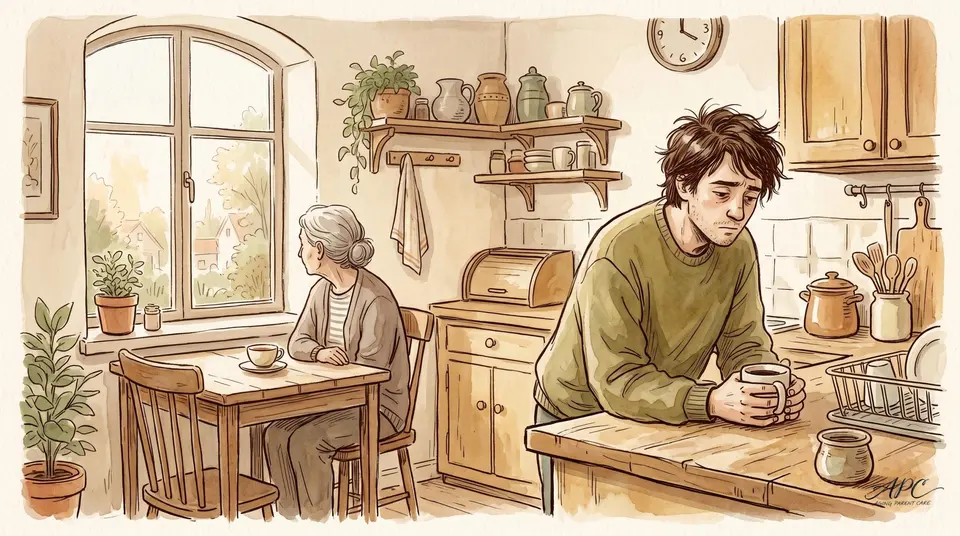
How do we keep this from turning into full-time caregiving?
Living together works best when your parent keeps as much independence as the setup allows. A separate entrance where possible. Your parent managing their own medications, money, and social calendar for as long as that stays safe. The adult child staying a daughter or a son, not a default nurse, until caregiving is genuinely required. Rose kept her bridge group, her checkbook, and her standing argument with Maya's husband about the thermostat. That mattered more than anyone expected.
Generations United found that the families who live this way overwhelmingly report it working, with strong majorities pointing to closer bonds and easier care as the payoff.2 The ones that struggle tend to share a single gap: no shared care plan that every household member has seen and agreed to. A care plan does not have to be formal. It has to answer who does what, how decisions get made when your parent's condition changes, and what happens if the arrangement has to end.
The difference between the arrangements that last and the ones that fall apart comes down to one thing: a written plan, agreed on before the move, that says who pays, who decides, and what happens when things change.
What about the legal and money side?
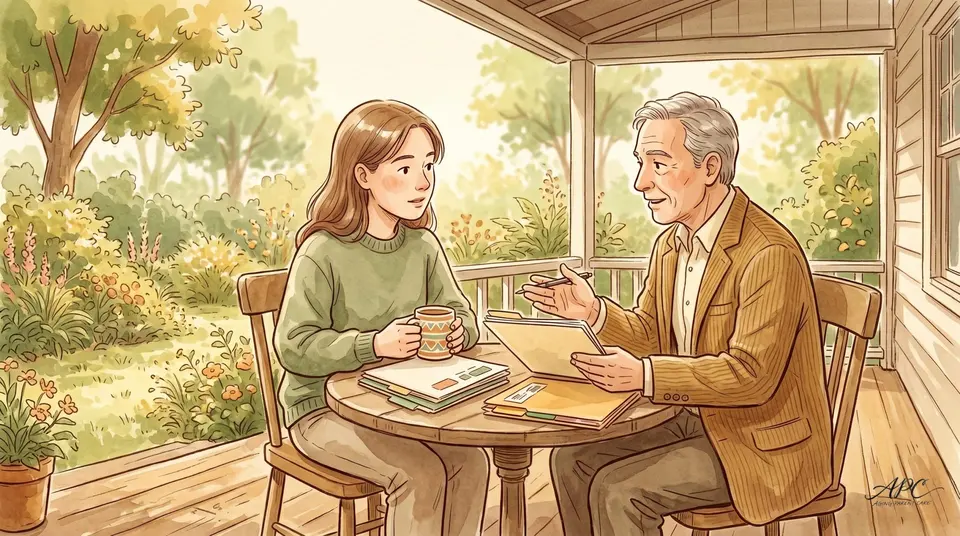
The legal piece is the one most families skip and later regret. If your parent is putting money into a renovation or an ADU build, a written agreement documenting that contribution protects everyone, including the siblings who are not in the room. And if your parent's assets are tied up in the housing, an elder law attorney can flag whether that creates any Medicaid eligibility complications before a crisis makes the question urgent.
It is usually a single conversation, often a free first call, and it is far easier to have while things are calm than after the fact. Maya's family wrote one page: Rose's monthly contribution, what her share of the renovation bought her, and a line about what happens to that money if she ever needs more care than the house can give. It took an afternoon. It is the reason her brother in another state stopped asking pointed questions.
Frequently Asked Questions
How common is multigenerational living now?
A record sixty-four million Americans, about one in five, were living in a multigenerational household when Pew Research Center last counted, and the share has risen since the early 2000s.1 Generations United puts the more recent figure at more than one in four adults.2 It is one of the most common housing arrangements families choose, across income levels and cultures.
What does it cost to make a home safe for an aging parent?
Less than most families fear, at the low end. AARP notes that grab bars, threshold strips, and better lighting often run a few hundred dollars or less.3 A stair lift for a straight staircase runs roughly $2,500 to $5,000 installed, per the National Council on Aging.4 Bathroom changes and wider doorways add to that, but the total stays well under the cost of institutional care.
Why do multigenerational arrangements break down?
Usually because no one wrote anything down. The clearest predictor of trouble is the absence of a shared care plan and money agreement that all household members have seen and agreed to. The arrangements that last settle money, privacy, and care decisions in writing before the move, not after, which is part of why so many of these households report the setup working well.2
Maya's mom has been in the downstairs room for two years now. The thermostat fight is ongoing. The arrangement held, and it held because of one page written before the first box was unpacked. What separates the moves that last from the ones that fall apart is a written care and money plan, agreed on before the move, that says who pays, who decides, and what happens when things change. The free Aging Parent Care Starter Kit includes the conversation framework and checklists to build that plan before the boxes are unpacked.
Was this article useful?
Got feedback?
Let us know what was useful, unclear, or missing.
Related from Aging Parent Care
- 11 Signs It's Time to Move Your Parent
- How to Talk to Your Parent About Moving
- The $5,419 Question: Home vs Facility
Sources
- Pew Research Center. "A record 64 million Americans live in multigenerational households." April 2018. pewresearch.org/short-reads/2018/04/05/a-record-64-million-americans-live-in-multigenerational-households
- Generations United. "Family Matters: Multigenerational Living Is on the Rise and Here to Stay." 2021. gu.org/resources/multigenerational-families
- AARP. "Aging in Place: 5 Changes To Make to Your Home That Won't Break The Bank." aarp.org/home-living/aging-in-place-more-affordable
- National Council on Aging. "How Much Do Stair Lifts Cost?" ncoa.org/article/stair-lift-costs-a-complete-guide
- AARP. "Accessory Dwelling Units Allow Homeowners to Choose Their Own Adventure." aarp.org/home-living/accessory-dwelling-unit
This content is for educational and informational purposes only. It is not a substitute for professional medical, legal, or financial advice. Always consult qualified healthcare providers, attorneys, or financial advisors for guidance specific to your situation. Statistics and policy details cited were accurate at the time of publication and may have changed.
© 2026 Aging Parent Care. All rights reserved. No portion of this article may be reproduced, distributed, or used in any form without the explicit written permission of Aging Parent Care.
Related housing decisions
- The CCRC Buy-In Trap: What They Don't Tell You Until After You Sign
- Adult Day Centers for Aging Parents: Cost and Benefits
- 13,000 Deaths Nobody Told You About: What the Nursing Home Staffing Repeal Means Right Now
- How to Get Power of Attorney for an Elderly Parent, Step by Step
- What Does Caregiver Burnout Feel Like? 7 Symptoms Families Mistake for Stress
The Complete Aging Parent Caregiving Guide covers the full caregiving arc in 30 chapters, and the Guide and Workbook together add the fillable templates families use to put it into practice.
Make Your Business Online By The Best No—Code & No—Plugin Solution In The Market.
30 Day Money-Back Guarantee
Say goodbye to your low online sales rate!