

11 Signs It's Time to Move Your Parent. Number 6 Is the One Families Miss.

The fall happened on a Thursday. James got the call at work: his mother, Grace, 81, had slipped on the bathmat in her house in Durham and lay on the tile for the better part of two hours before she could reach her phone. Nothing broke. She was fine, she told him, a little embarrassed, and she wanted to stay home. Maybe that sounds like your mom, or your dad. Here is the part most families learn a beat too late: the signs that it is time to move usually show up long before the fall that forces the choice, and one of them is so quiet it slips past almost everyone.
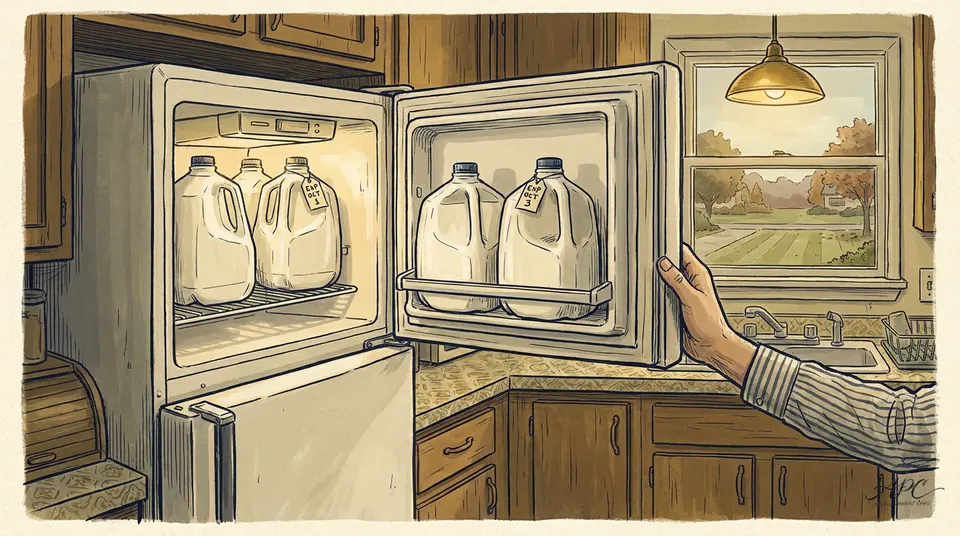
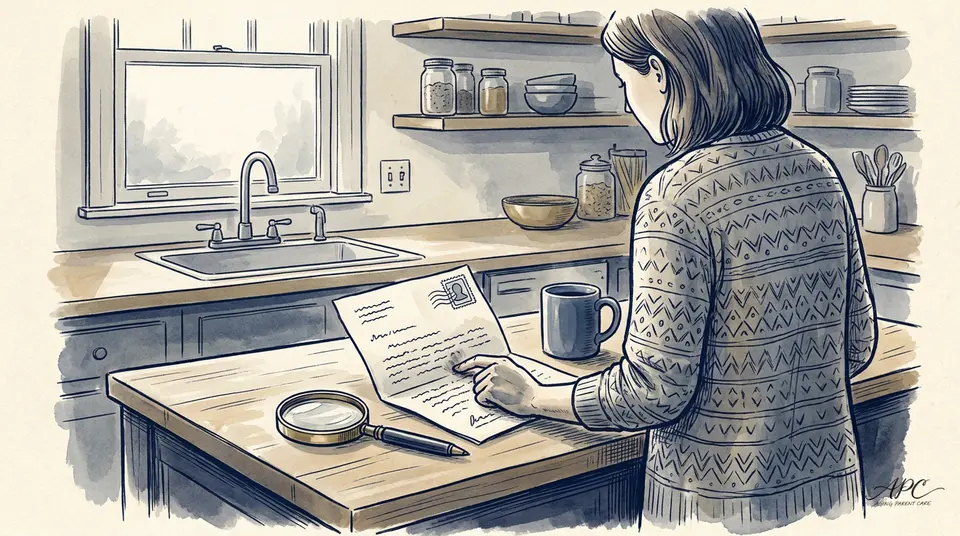
James drove over that night. The refrigerator held a carton of expired milk and a jar of pickles and not much else. Three days of mail sat unopened on the counter. There was a faint burnt smell near the stove that he could not place, and a saucepan in the sink with a black ring cooked into the bottom of it. Grace sat in her recliner with a bag of frozen peas on her hip, and for the first time he could remember, she looked small to him.
"She's fine" is the line families repeat until the evidence stops letting them. Deciding when a parent should move out of their home is one of the hardest calls most families ever make, and most of us make it backward: in a hospital hallway, after the crisis, when the choices are fewer and the clock is loud.
The clinical line is simpler than the emotional one. When someone needs steady help with more than one of the basic activities of daily living, bathing, dressing, eating, managing medications, the home on its own usually is not enough anymore.4 And the cost of what comes next is real money: the national median for assisted living ran about $6,200 a month in 2025, roughly $74,400 a year, and it climbed 5 percent in a single year.3 The best time to figure all of this out is before the fall, not after it. Here are 11 signs worth watching for. Most are loud. One is not.
The first five signs
- Frequent falls or near-falls. One fall can be bad luck. One in four adults over 65 falls every year, so a single tumble is common.2 Two or more in six months is the part that should get your attention, because that is a pattern, not an accident, and grab bars alone will not fix it.
- Medication mix-ups. Missed doses, doubled doses, pills scattered on the counter, a prescription that ran out two weeks ago and never got refilled. When the medication system breaks down, it tends to break down quietly and all at once.
- Weight dropping off. Unintentional weight loss of more than 5 percent of body weight over six to twelve months is a recognized red flag in older adults, tied to higher rates of illness and falls.3b Often it means a parent is skipping meals or can no longer manage cooking. Grace had lost more than that, and none of them had clocked it until her cardigan started hanging off her shoulders.
- Slipping personal hygiene. The same clothes for days. Bathing less. Unwashed hair, body odor. It usually means the physical work of self-care has gotten too hard, or the drive to do it has faded, and both are worth a closer look.
- Driving that scares you. Fresh scrapes on the bumper, getting lost on roads they have driven for forty years, rolling through stop signs. Drivers with dementia carry a two to eight times higher crash risk than other drivers their age, and the warning signs often show up before any diagnosis does.7 Here is a plain test: if you are afraid to ride in the passenger seat, that fear is data.
Sign 6: pulling away, the one families miss
It is easy to spot when a parent cannot get to the bathroom on their own or forgets a heart pill. Physical decline announces itself. Pulling away from people does not.
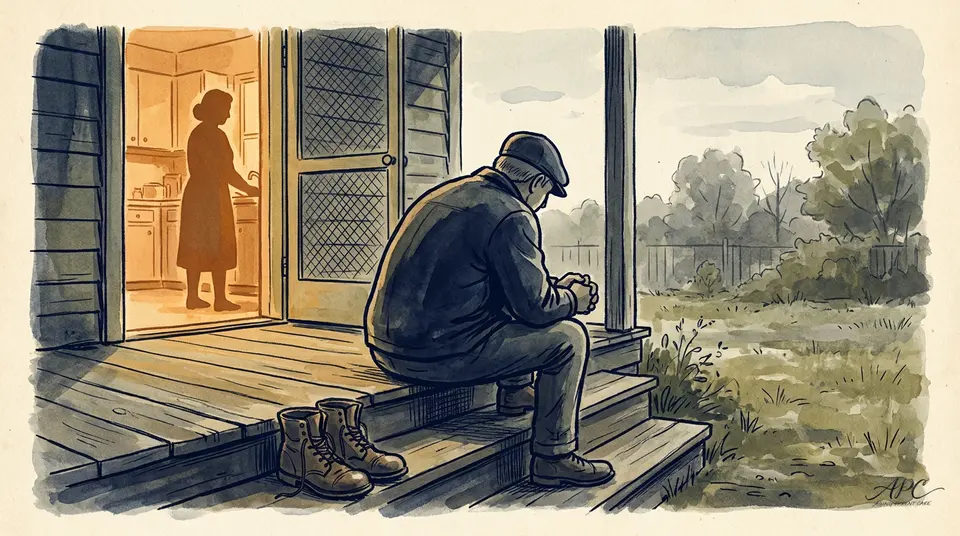
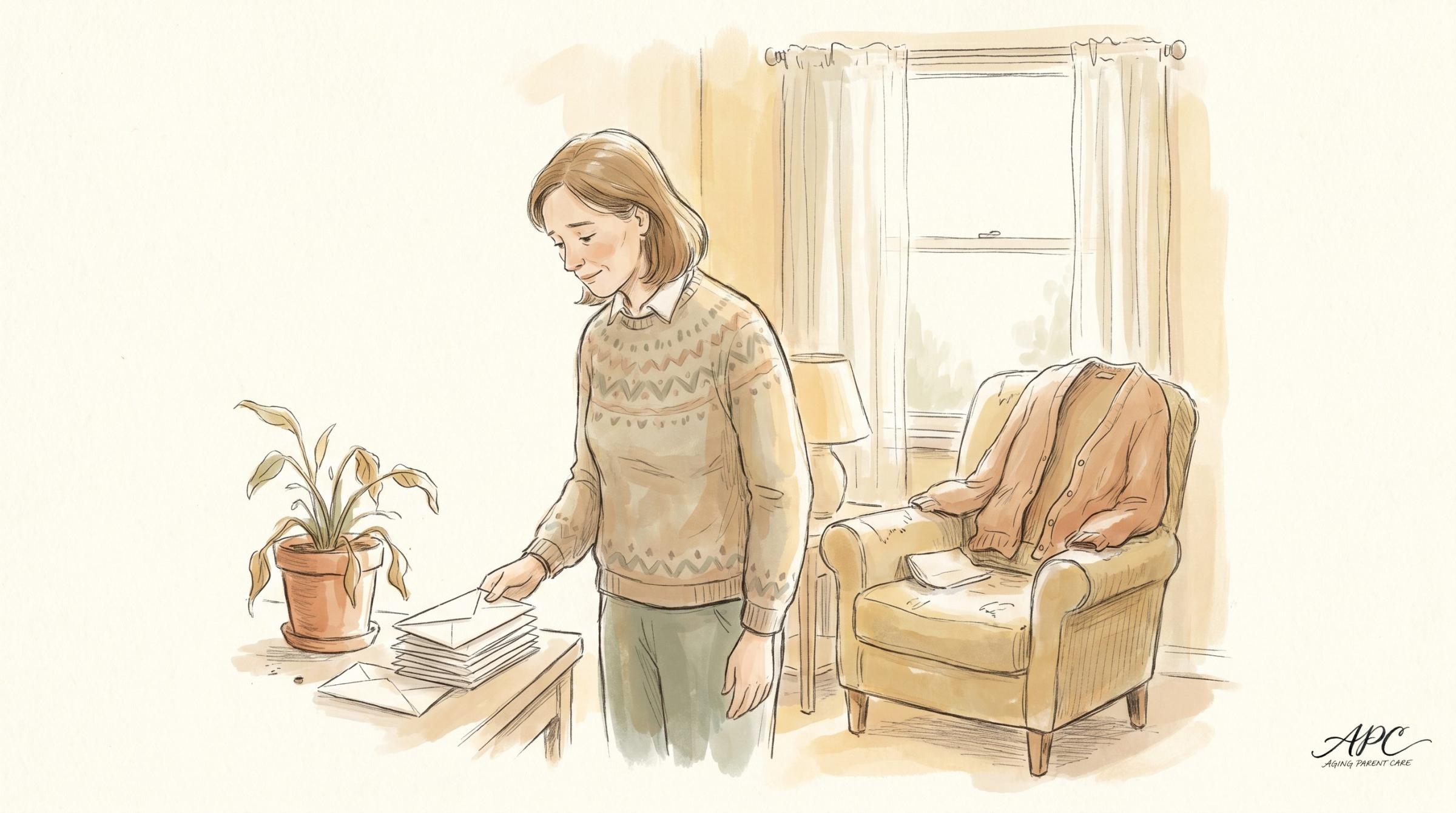
This was the sign James had walked right past for a year. Grace used to host her book club every second Tuesday. She had quietly stopped going months ago. She used to call her old friend Ruth every Sunday after church, and Ruth, it turned out, had not heard from her in weeks. The neighbor who came by for coffee could not remember the last time. None of it left a mark, so none of it set off an alarm.
The pulling away comes before the falls and before the medication errors. It is the early warning, and because it leaves no bruise, it gets noticed last.
Withdrawing from the people and the routines they used to love is often the first behavioral sign of cognitive decline or depression in an older adult. It is not a harmless change of habit, either: social isolation in people over 65 is linked with roughly a 50 percent higher risk of dementia and a 29 percent higher risk of heart disease.1 When a parent stops doing the things they used to do with other people, treat it as a signal, not a preference.
The free Aging Parent Care Starter Kit walks you through the first steps in plain language, at your own pace, with the documents and questions a move like this needs. Get it sent straight to your inbox.
Send me the free Starter KitSigns 7 through 11
- The house is slipping. A scorched pot. Stacks of unopened mail. Spoiled food in the fridge. A yard that used to be tidy gone to seed. The state of the house tracks the state of the person, and when the house starts to go, the person usually went first. The saucepan in Grace's sink was the part James could not stop thinking about.
- More confusion or disorientation. Getting turned around inside their own home. Not placing a familiar face. Asking the same question three times in five minutes. Mixing up day and night. These belong in front of a doctor for a real assessment.
- The caregiver is running on empty. This one is about you, not your parent. Lost sleep, new health problems, a short fuse that was never there before. Caregiving spouses under strain carry a measurably higher health risk, and a caregiver who breaks down cannot keep anyone safe.5 When the arrangement is failing both people, the arrangement is the problem.
- Wandering. A parent who leaves the house confused about where they are or where they are headed, especially after dark, is at immediate risk. About six in ten people living with dementia will wander at least once, and it is one of the most dangerous behaviors there is, often the thing that finally forces a move.6
- They say it themselves. Sometimes a parent will float it quietly. "I do not want to be a burden." "Maybe I should look at one of those places." It is tempting to wave it off as too soon, or to flinch because agreeing feels like guilt. But if your parent has opened that door even a crack, the whole conversation is easier when they are the one who opened it.
How to use this list of signs
- No single sign is a verdict. Three or more together is the threshold for the conversation.
- Have the calm version, not the crisis version. At the kitchen table, not the hospital bedside.
- Tour places before you need one. Visit three, ask about staff-to-resident ratios and what happens when needs increase.
- Plan while options are open. While your parent can still take part and the move can happen on their terms.
How many signs mean it is time to start the conversation?
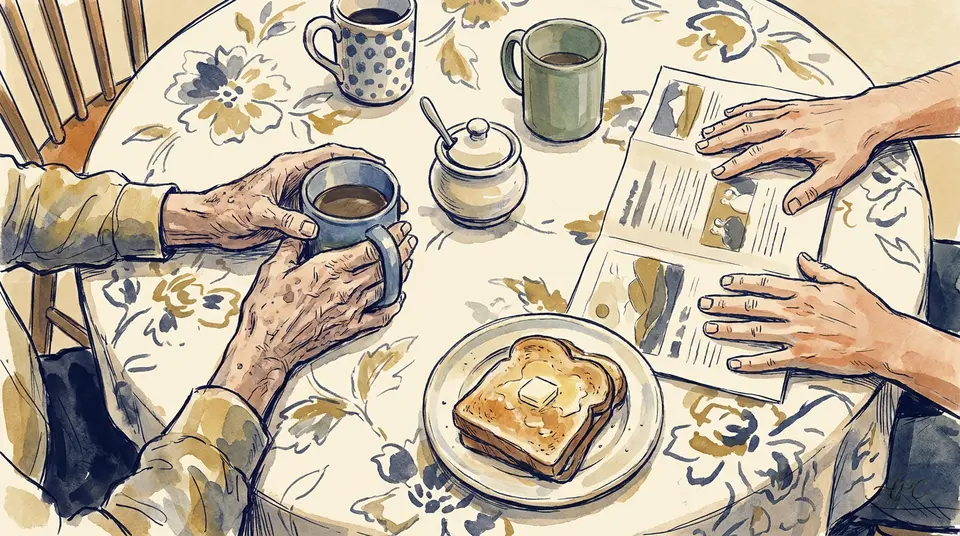
No single sign settles it. But three or more in the same parent means the conversation needs to happen, and not the crisis version at the hospital bedside. The calm one, at the kitchen table, with a cup of coffee going cold between you: "I have noticed a few things lately, and I want us to talk about what comes next, together."
What to do before a move is ever needed
Tour places before you need one. Assisted living communities differ enormously in quality and in price, and what a given monthly figure actually covers varies just as much. Visit three. Ask about staff-to-resident ratios and what happens when a resident's needs grow. Ask the families of current residents what they wish they had known going in. It is worth doing even when it feels early. Especially when it feels early.
The families who handle this well start while the options are still open, while their parent can still sit at the table and weigh in, and the move can happen on terms everyone helped set.
Frequently Asked Questions
How many warning signs mean a parent should move?
No single sign settles it on its own. Three or more of these together in the same parent is the point where most families need to start the conversation about a safer living arrangement. The clinical cue professionals use is the same one: consistent help needed with more than one activity of daily living.
What is the sign families most often miss?
Pulling away from people. A parent who stops calling friends, drops out of book club, or quits going to church is often showing the earliest behavioral sign of cognitive decline or depression. It leaves no bruise, so it gets noticed last, even though it tends to arrive first.
How much does assisted living cost in 2026?
The national median for assisted living was about $6,200 a month in 2025, roughly $74,400 a year, and it rose 5 percent in a single year. Your real number depends heavily on region and level of care, which is why touring communities before a move is the best way to compare what each price actually includes.
When is the best time to have the conversation?
Before a crisis, not after one. The calm version at the kitchen table, while a parent can still take part in the decision, is far easier than the version forced by a hospital discharge. If your parent has raised it themselves, even quietly, that is the moment to keep the door open.
James and Grace did not get a tidy ending, because nobody does. What they got was a Saturday at the kitchen table, the two of them and the saucepan still soaking in the sink, where Grace said before he could that she had been scared on that bathroom floor and did not want to do it again. They toured three places together that spring. She picked the one with the garden and the second-Tuesday book club, and she moved in on her own terms, on a day she chose. The coffee still goes cold while they talk. But she chose it, and that turned out to be the whole thing.
The signs of an unsafe home almost always show up long before the crisis that forces a move, and three or more together is the cue to start the calm conversation while the choice is still your family's to make. Tour three communities before you need one, and use the free Aging Parent Care Starter Kit to organize the documents and questions that conversation needs, sent straight to your inbox.
Was this article useful?
Got feedback?
Let us know what was useful, unclear, or missing.
Related from Aging Parent Care
- Caregiver Guilt and Asking for Help
- When Caregiving Burden Becomes Depression
- What the New Dementia Drugs Actually Do
Sources
- National Institute on Aging. "Social Isolation, Loneliness in Older People Pose Health Risks." nia.nih.gov/news/social-isolation-loneliness-older-people-pose-health-risks
- Centers for Disease Control and Prevention. "Older Adult Falls Data." cdc.gov/falls/data-research/index.html
- CareScout (Genworth). "Cost of Care Survey." carescout.com/cost-of-care
- American Academy of Family Physicians. "Unintentional Weight Loss in Older Adults." American Family Physician, 2021. aafp.org/pubs/afp/issues/2021/0700/p34.html
- National Institute on Aging. "What Is Long-Term Care?" nia.nih.gov/health/long-term-care/what-long-term-care
- Family Caregiver Alliance. "Taking Care of YOU: Self-Care for Family Caregivers." caregiver.org/resource/taking-care-you-self-care-family-caregivers
- Alzheimer's Association. "Wandering." alz.org/help-support/caregiving/stages-behaviors/wandering
- Pomidor A, et al. "Cognitive Decline and Driving Evaluation in the Older Population." StatPearls, National Library of Medicine. ncbi.nlm.nih.gov/books/NBK569418
This content is for educational and informational purposes only. It is not a substitute for professional medical, legal, or financial advice. Always consult qualified healthcare providers, attorneys, or financial advisors for guidance specific to your situation. Statistics and policy details cited were accurate at the time of publication and may have changed.
© 2026 Aging Parent Care. All rights reserved. No portion of this article may be reproduced, distributed, or used in any form without the explicit written permission of Aging Parent Care.
Related housing decisions
- The CCRC Buy-In Trap: What They Don't Tell You Until After You Sign
- Before a Parent Moves In: The Decisions That Make or Break Multigenerational Living.
- Adult Day Centers for Aging Parents: Cost and Benefits
- How to Get Power of Attorney for an Elderly Parent, Step by Step
- What Does Caregiver Burnout Feel Like? 7 Symptoms Families Mistake for Stress
The Complete Aging Parent Caregiving Guide covers the full caregiving arc in 30 chapters, and the Guide and Workbook together add the fillable templates families use to put it into practice.
Make Your Business Online By The Best No—Code & No—Plugin Solution In The Market.
30 Day Money-Back Guarantee
Say goodbye to your low online sales rate!