

Adult Day Centers for Aging Parents: Cost and Benefits

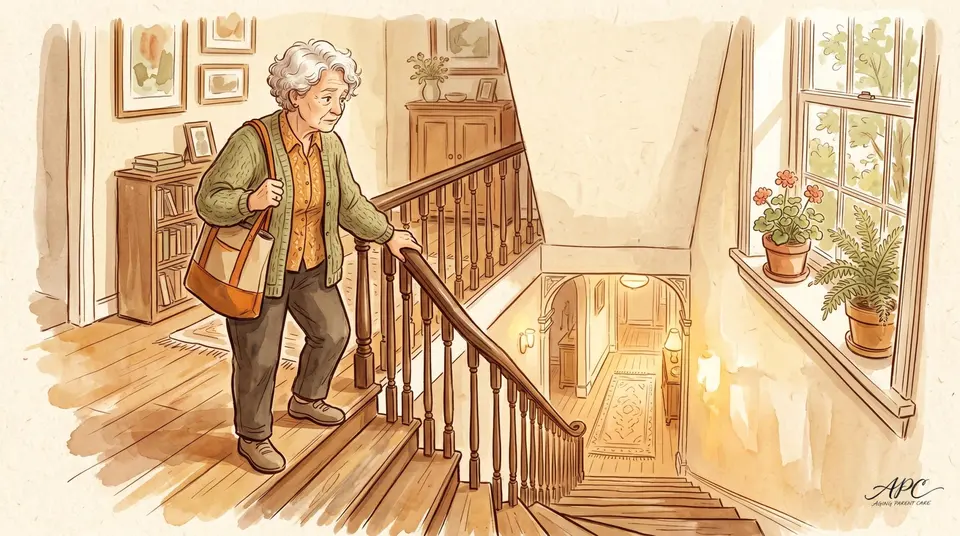
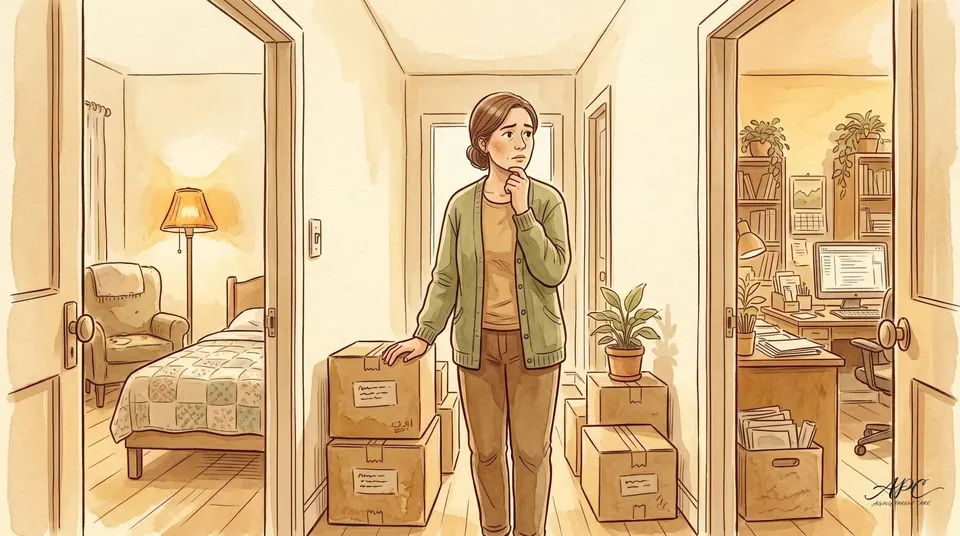
Maria had not worked a full week in four months. Her dad, Frank, has early dementia, and you cannot leave Frank alone with the stove or the front door, so somebody has to be there, and the somebody is always her. By Thursday she is running on coffee and apology emails to her boss. What nobody had told her, in all the appointments and all the brochures, was that there is a place Frank could go in the mornings: a licensed program with nurses, lunch, and other people, while she goes back to the job she is about to lose. It is called adult day, it is often the cheapest help a family can buy, and almost no one gets handed a pamphlet for it. Here is how these centers work, who they fit, what they cost, and how to pay for one.
An adult day center is a licensed, community-based program where an older adult spends part of the weekday in a structured setting, with nursing oversight, meals, activities, and often therapy. Your parent goes in the morning. You go to work, or sleep, or sit somewhere that is not your parent's living room. Your parent comes home in the afternoon. That is the whole trade, and for a lot of families it is the line between caregiving that holds and caregiving that breaks.
The National Adult Day Services Association describes two main shapes for these programs and one staffing standard worth knowing: roughly one direct-care worker for every six participants, with most centers open during regular weekday hours.1 The Alzheimer's Association puts the typical day at somewhere between seven and ten hours, with some centers adding evening or weekend coverage.4
What an adult day center actually gives a family
- Licensed care, by the day. Nursing oversight, meals, and activities during weekday hours.
- Two models. Social programs for company and activities, medical programs that add skilled nursing and therapy.
- Real cost relief. Often far less per day than an in-home aide for the same hours.
- Several ways to pay. Medicaid waivers, the Older Americans Act, VA benefits, and long-term care insurance.
- Hours back for the family. A stretch of the day when nobody at home is on duty.
What kind of program fits your parent?
The programs split into two broad types, and knowing which one you need saves a lot of touring. Social day programs lean on activities, meals, and company. Medical day programs add skilled nursing, physical or occupational therapy, and chronic disease monitoring on top of all that.1 For Frank, in the early stretch of dementia, the social model was the right first call. A parent coming off a stroke, or one who needs daily therapy and clinical eyes on them, usually wants the medical model.
Who actually goes to adult day?
A more varied crowd than the name suggests. The people who do well there tend to fall into a few groups:
- Stroke recovery. A way to keep therapy going after the rehab stay ends.
- Early to moderate dementia. Structured days and gentle stimulation are hard to recreate at a kitchen table, and the routine itself helps.
- Physically frail, mentally sharp. The company is usually the part they end up valuing most.
Frank was squarely in that middle group. The federal survey of these centers found that about a third of participants have an Alzheimer's or dementia diagnosis, and most carry two or more chronic conditions at once, so a man like Frank is not the exception there. He is the norm.2
There is a quieter benefit too. A day with movement, a hot lunch, and people in it tends to go better than the same hours spent alone in front of the television. The National Institute on Aging counts adult day among the real forms of respite, the kind that gives a family caregiver an actual break instead of a guilty one.6

The free Aging Parent Care Starter Kit walks you through the first steps in plain language, at your own pace. Get it sent straight to your inbox.
Send me the free Starter KitWhat does adult day care cost?
Cost is where the conversation usually stalls, and where Maria almost talked herself out of it. The 2024 Genworth and CareScout Cost of Care Survey puts the national median for adult day services at about twenty-six thousand dollars a year, which works out to roughly one hundred dollars for a full weekday.3 That number sounds heavy until you set it beside an in-home aide. The same survey pegs a home health aide at around thirty-four dollars an hour, so a single six-hour weekday of one-on-one help at home runs past two hundred dollars before you have paid for anything else.3 For the family that needs a full weekday covered, adult day can cost less than half of home care and hand your parent a room full of company on top of it.
For less than the price of one in-home aide, a family can often buy a full day of nursing oversight, a hot lunch, and company. It is the cheapest help most people never get told about.
How do families pay for it?
Maria assumed it was all out of pocket. It was not. Payment sources vary more than most families expect, so work through these in order:
- Medicaid waivers. Most states cover adult day for eligible participants through Medicaid waiver programs, and that coverage tends to reach the medical model programs in particular.
- The Older Americans Act. This funds some subsidized slots through Area Agencies on Aging, so income-eligible participants sometimes pay on a sliding scale or not at all. The Eldercare Locator connects a family to its local Area Agency on Aging, which can spell out what is available county by county.5
- Veterans benefits. The VA's Aid and Attendance benefit and its caregiver support programs can fund adult day for veterans who meet the care criteria. A VA social worker is the right first call on this path.
- Long-term care insurance. These policies often cover adult day as a benefit, though the trigger conditions and daily amounts vary. Reading the policy summary or calling the insurer is worth the hour it takes.
How do you choose the right center?
Finding the right one usually takes a visit or two. The building matters less than the staff-to-participant ratio and the shape of the day. Roughly one staffer to six participants is the standard NADSA points to, and lower is better.1
On each tour, ask one question: what happens on a day when a participant is having a hard time? The answer tells you more about a program's culture than any brochure. And give it time. The Alzheimer's Association is blunt that the first visits can be rocky and that many people only start looking forward to the place after they settle in, which usually takes a few weeks.4 A rough first week is not a sign you chose wrong.
Frequently Asked Questions
What is the difference between social and medical adult day programs?
Social programs focus on activities, meals, and company. Medical programs add skilled nursing, physical or occupational therapy, and chronic disease monitoring.1 If your parent needs clinical oversight or therapy that has to continue, you want a medical model program.
Will Medicaid pay for adult day care?
In most states, yes, for eligible participants through Medicaid waiver programs, and especially for medical model programs. Your local Area Agency on Aging, reachable through the Eldercare Locator, can tell you the rules in your parent's county.5
How long does it take a parent to adjust to adult day?
Usually a few weeks. A hard first week or two is normal, and the Alzheimer's Association notes that many people only warm to the place once it becomes routine.4 A bumpy start is not a reason to give up on the placement.
Is adult day care cheaper than an in-home aide?
Often, by a wide margin. A full weekday of adult day runs about one hundred dollars at the national median, while a home health aide runs around thirty-four dollars an hour, so a six-hour day at home costs roughly twice as much and includes none of the group company.3
It took Frank three weeks. The first morning he sat by the door with his coat on and asked, twice, when Maria was coming back. By the third week he was greeting a man named Ray at the puzzle table and telling Maria, mildly annoyed, that he would see her at five. Maria went back to a full week at her job. The medication runs and the bad afternoons did not vanish, but the part of the day that had been swallowing them both got handed to a building with nurses in it. That is the trade, and it held.
Adult day is often the cheapest, most overlooked way to keep a parent supported and a caregiver standing, frequently for less than half the cost of in-home care. Make one call: reach the Eldercare Locator at eldercare.acl.gov or 1-800-677-1116 and ask for adult day programs in your county, then use the free Aging Parent Care Starter Kit to build the rest of the care plan around it.
Was this article useful?
Got feedback?
Let us know what was useful, unclear, or missing.
Related from Aging Parent Care
- How to Build a Care Team When You're the Only One
- 11 Signs It's Time to Move Your Parent
- The Guilt That Keeps You From Asking for Help
Sources
- National Adult Day Services Association. "About Adult Day Services." nadsa.org/about/about-adult-day-services
- Centers for Disease Control and Prevention, National Center for Health Statistics. "Adult Day Services Center Participant Characteristics: United States, 2022." NCHS Data Brief No. 502. cdc.gov/nchs/products/databriefs/db502.htm
- Genworth and CareScout. "Cost of Care Survey Results for 2024." investor.genworth.com/news-events/press-releases/detail/982
- Alzheimer's Association. "Adult Day Centers." alz.org/help-support/caregiving/care-options/adult-day-centers
- U.S. Administration for Community Living, Eldercare Locator. "Adult Day Programs." eldercare.acl.gov/public/resources/topic/adult_day_programs.aspx
- National Institute on Aging. "What Is Respite Care?" nia.nih.gov/health/caregiving/what-respite-care
This content is for educational and informational purposes only. It is not a substitute for professional medical, legal, or financial advice. Always consult qualified healthcare providers, attorneys, or financial advisors for guidance specific to your situation. Statistics and policy details cited were accurate at the time of publication and may have changed.
© 2026 Aging Parent Care. All rights reserved. No portion of this article may be reproduced, distributed, or used in any form without the explicit written permission of Aging Parent Care.
Related housing decisions
- The CCRC Buy-In Trap: What They Don't Tell You Until After You Sign
- Before a Parent Moves In: The Decisions That Make or Break Multigenerational Living.
- 13,000 Deaths Nobody Told You About: What the Nursing Home Staffing Repeal Means Right Now
- How to Get Power of Attorney for an Elderly Parent, Step by Step
- What Does Caregiver Burnout Feel Like? 7 Symptoms Families Mistake for Stress
The Complete Aging Parent Caregiving Guide covers the full caregiving arc in 30 chapters, and the Guide and Workbook together add the fillable templates families use to put it into practice.
Make Your Business Online By The Best No—Code & No—Plugin Solution In The Market.
30 Day Money-Back Guarantee
Say goodbye to your low online sales rate!