Your Parent's World Is Shrinking. Before You Blame Age, Check Their Eyes.

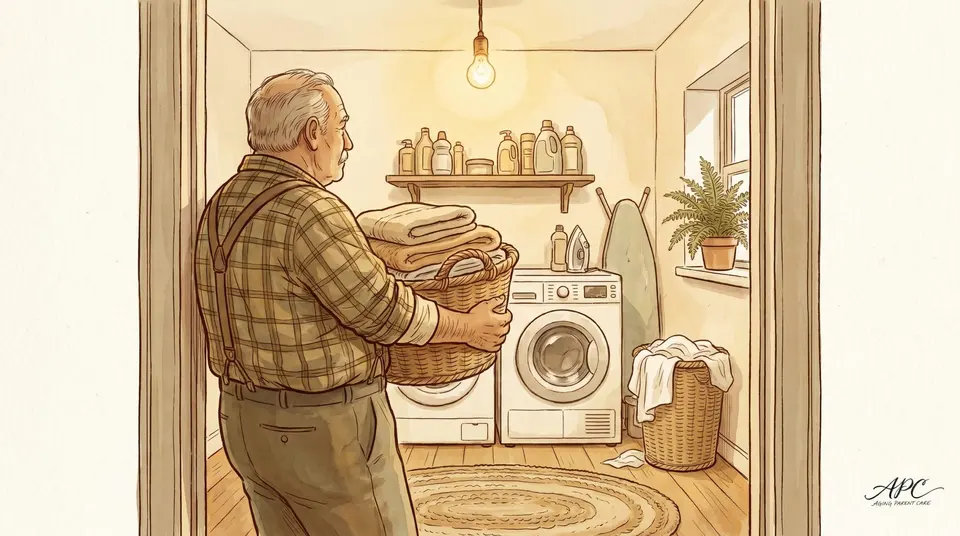
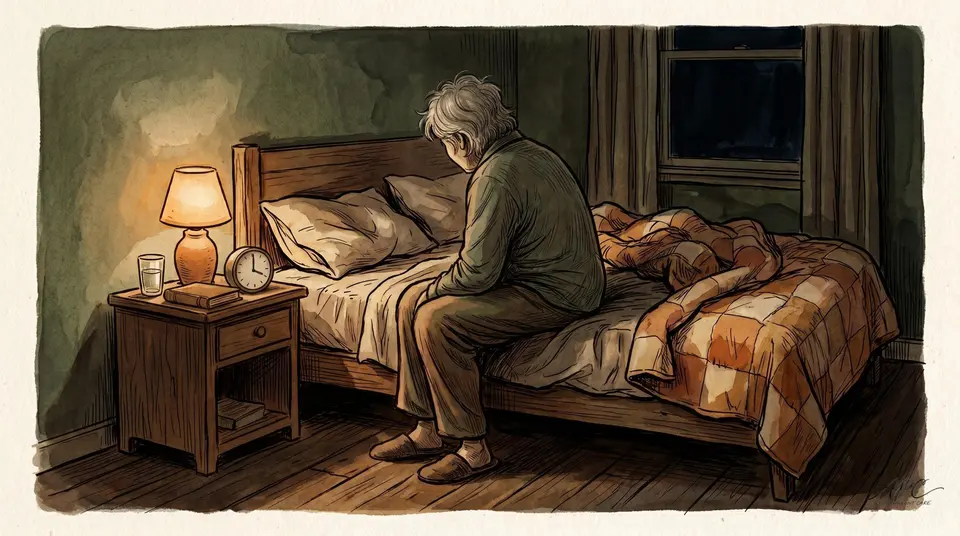
Gene was a reader and a woodworker his whole life. Then, over a couple of years, he quietly stopped both. He let his book club lapse, gave up the workshop he had loved, and would not drive after dark. He seemed withdrawn and a little down, and his daughter Claire braced for a hard conversation about his memory. What an eye exam found was not dementia and not depression. It was a pair of dense cataracts that had slowly turned his world to fog.
The cascade families miss
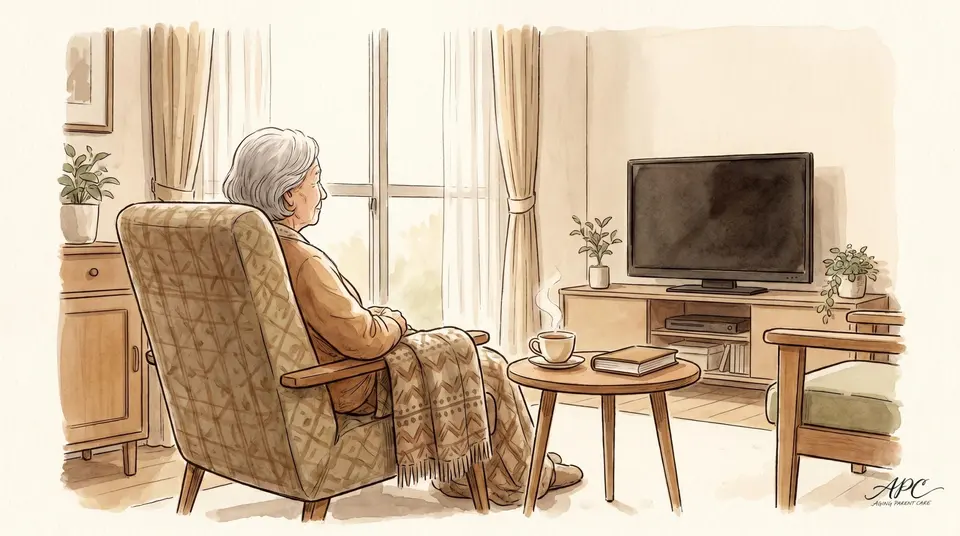
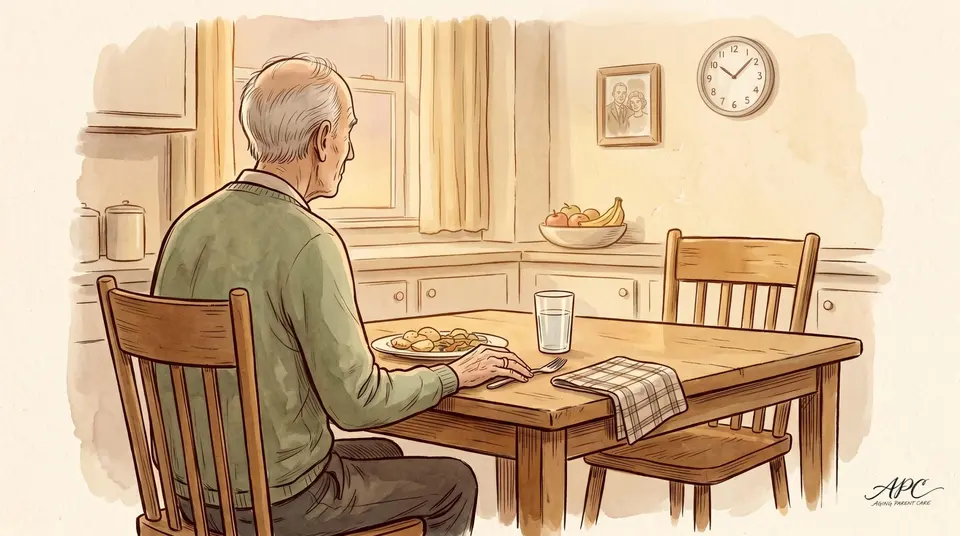
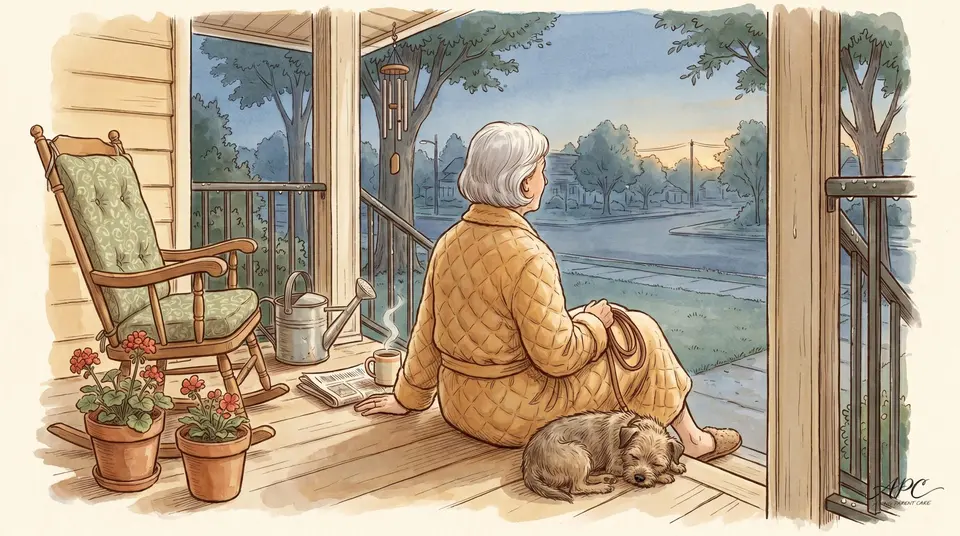
Here is why failing eyesight gets mistaken for something worse. When a parent cannot see well, they do not announce it. They adapt by subtraction. They stop reading because it is a strain. They stop driving because it is frightening. They stop cooking, doing their hobbies, recognizing faces across a room, and going to the places where they would have to. From the outside, a person quietly withdrawing from everything they used to love looks exactly like depression or early decline. Underneath, they simply cannot see.
And the losses are not only emotional. Poor vision is a major, fixable driver of falls, which is why eye checks are part of standard fall prevention. 2 A parent who cannot judge a step or a curb falls more, and a fall at this age can change everything.
What is usually going on with aging eyes
Several conditions cluster in older eyes, and the most common is also the most treatable:
- Cataracts. The eye's natural lens slowly clouds as its proteins break down, making everything look blurry, hazy, or washed of color. It is extremely common; people over 60 usually start to have some clouding. 1 This is the one behind a great deal of a parent just seeming out of it.
- Glaucoma and macular degeneration. These are more serious and can steal sight permanently if missed, which is exactly why they need to be caught early, before a parent even notices a problem.
Before you blame age, check the eyes
- Book a full eye exam every year and push if you have to, it catches the fixable and the silent dangerous.
- Watch the quiet signs: holding things at arm's length, dropping close-up hobbies, fear of night driving.
- Update the glasses; an old prescription is its own hazard.
- Rule out the eyes before you assume the mind. Withdrawal often traces to sight, not memory.

The free Aging Parent Care Starter Kit walks you through the first steps in plain language, at your own pace. Get it sent straight to your inbox.
Send me the free Starter KitThe genuinely hopeful part
Cataracts are fixed with a short, common surgery: the cloudy lens is removed and replaced with a clear artificial one. 1 For many older adults it is close to a reset button. People who had stopped reading pick books back up. People who had quit driving at night do it again. The world comes back. The other conditions are not always reversible, but caught early they can usually be slowed or managed so a parent keeps the sight they have.
What to do
- Get the eyes checked, every year, and push if you have to. An annual exam with an eye doctor is the whole ballgame, because it catches the fixable problems and the silent dangerous ones before they take sight. 2 Make the appointment, drive them to it.
- Watch for the quiet signs. Holding things closer or at arm's length, more light needed to read, giving up close-up hobbies, trouble with stairs and curbs, not recognizing people across a room, new reluctance to drive. A cluster of these is an eye exam, not a memory clinic.
- Update the glasses. Vision changes; an old prescription is its own hazard. Make sure what they wear matches the eyes they have now.
- Rule out the eyes before you assume the mind. If a parent seems to be withdrawing or declining, an eye exam is one of the simplest, highest-value things to do first.
Gene had both cataracts removed a few weeks apart. Claire drove him home from the second surgery, and on the way he read a billboard out loud, then went quiet, then laughed, because he had not seen one clearly in years. He was back in the workshop by the next month.
The mind Claire had been so worried about had been fine the whole time. He just needed to be able to see.
Frequently Asked Questions
Can vision loss look like dementia?
Yes. When a parent cannot see well, they quietly stop reading, driving, cooking, and recognizing faces across a room. From the outside that withdrawal looks like depression or early decline, when underneath they simply cannot see.
How common are cataracts and can they be fixed?
Very common, people over 60 usually start to have some clouding of the lens. They are treated with a short, common surgery that replaces the cloudy lens with a clear one, and for many older adults it is close to a reset button for their vision.
What are the warning signs of failing vision?
Holding things closer or at arm's length, needing more light to read, giving up close-up hobbies, trouble with stairs and curbs, not recognizing people across a room, and new reluctance to drive. A cluster of these calls for an eye exam, not a memory clinic.
If a parent seems to be withdrawing or declining, an eye exam is one of the simplest, highest-value things to do first. Start with the free Aging Parent Care Starter Kit, sent straight to your inbox.
Was this article useful?
Got feedback?
Let us know what was useful, unclear, or missing.
Related from Aging Parent Care
Sources
- American Academy of Ophthalmology, What Are Cataracts: clouding of the lens with age and treatment by lens-replacement surgery.
- Centers for Disease Control and Prevention, Older Adult Fall Prevention: annual eye exams and vision as a modifiable fall risk.
This content is for educational and informational purposes only. It is not a substitute for professional medical, legal, or financial advice. Always consult qualified professionals for guidance specific to your situation. Statistics and details cited were accurate at the time of publication and may have changed.
© 2026 Aging Parent Care. All rights reserved. No portion of this article may be reproduced, distributed, or used in any form without the explicit written permission of Aging Parent Care.
Related medical guides
- Why Your Aging Parent Can't Sleep, and How to Help Them Rest Again
- How to Catch Malnutrition Before It Lands Your Parent in the Hospital
- How to Get Your Parent Comfort Care Without Giving Up the Fight
- How to Get Power of Attorney for an Elderly Parent, Step by Step
- What Does Caregiver Burnout Feel Like? 7 Symptoms Families Mistake for Stress
The Complete Aging Parent Caregiving Guide covers the full caregiving arc in 30 chapters, and the Guide and Workbook together add the fillable templates families use to put it into practice.
Make Your Business Online By The Best No—Code & No—Plugin Solution In The Market.
30 Day Money-Back Guarantee
Say goodbye to your low online sales rate!