Grab Bars Won't Stop the Fall. Strength and Balance Will. Here's How.

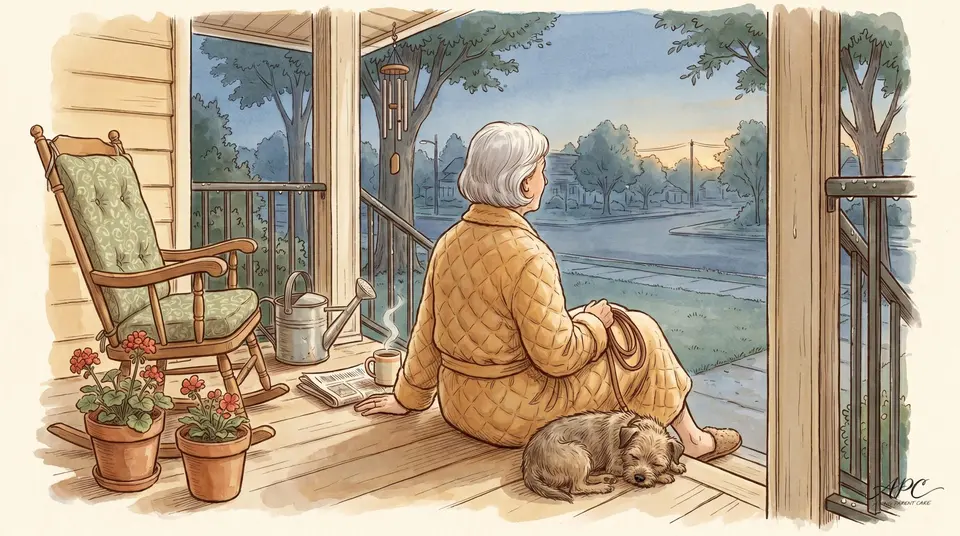
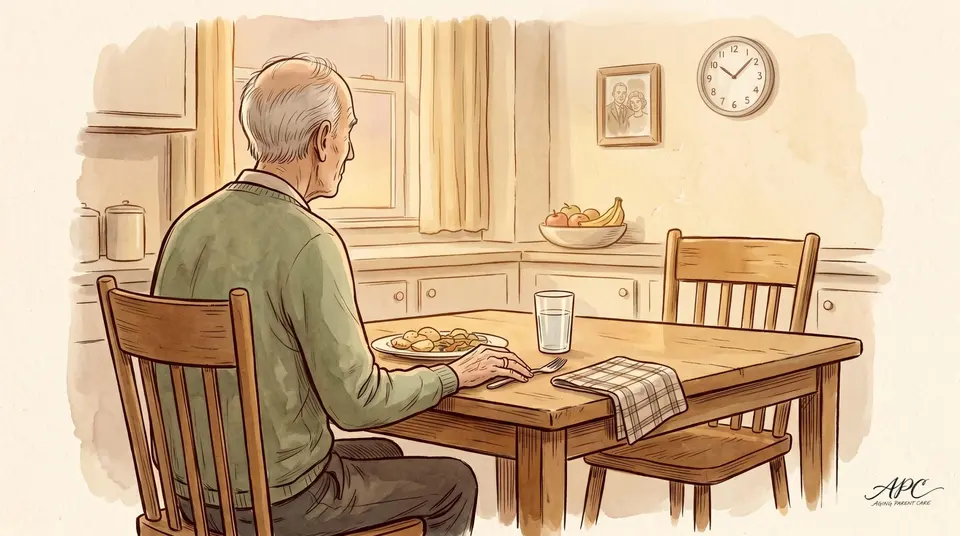
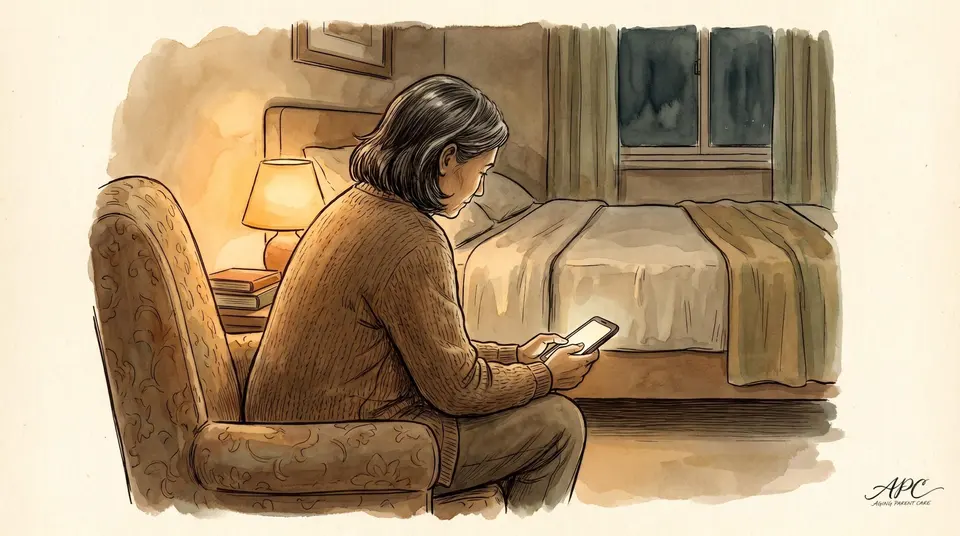
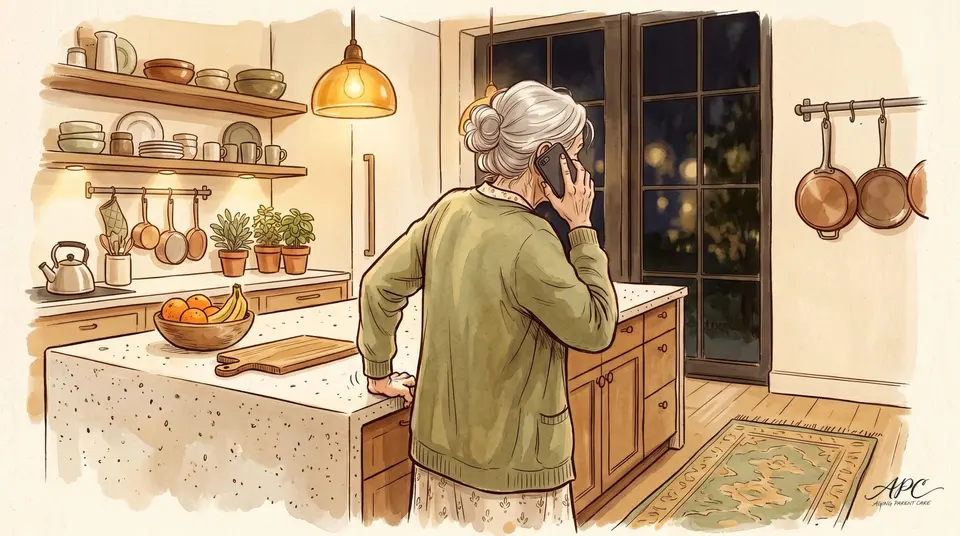
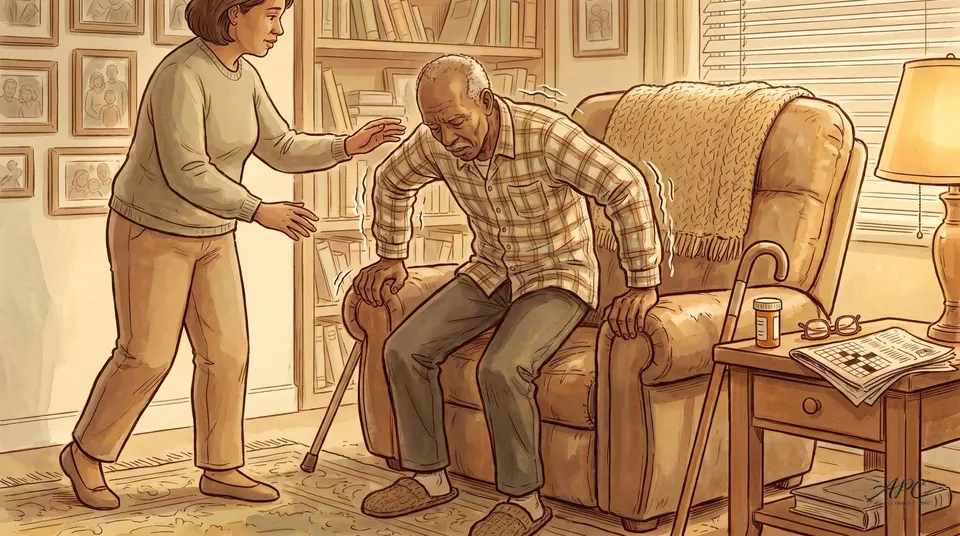
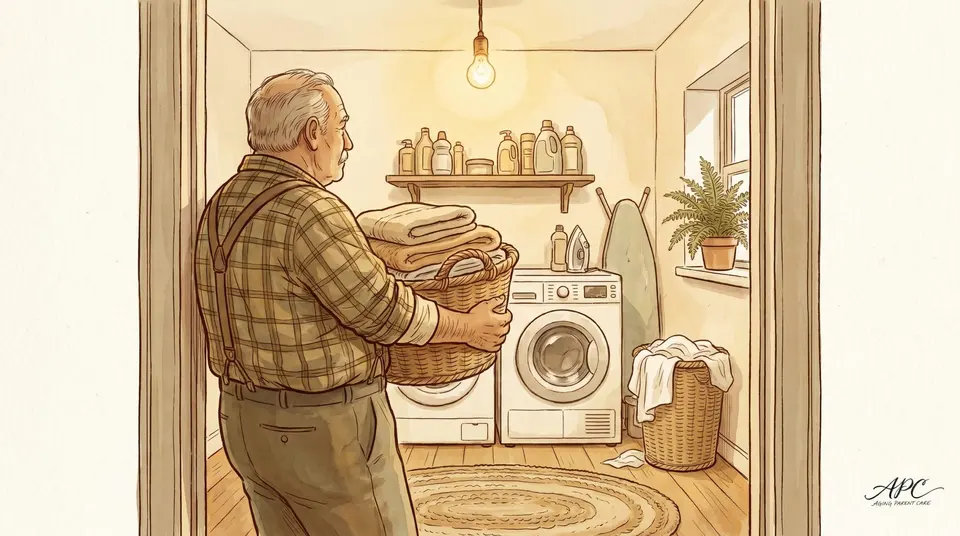
Sal was 81 the morning he stumbled in his kitchen, grabbed the counter, and caught himself an inch from the floor. Nothing broke. But something changed anyway. After that he barely moved. He stopped his evening walk, started taking the stairs one careful foot at a time or not at all, and spent more of the day in his chair, because moving had started to feel dangerous. His daughter Gina thought he was being sensible. He was actually doing the one thing that makes a fall more likely.
The trap nobody warns you about
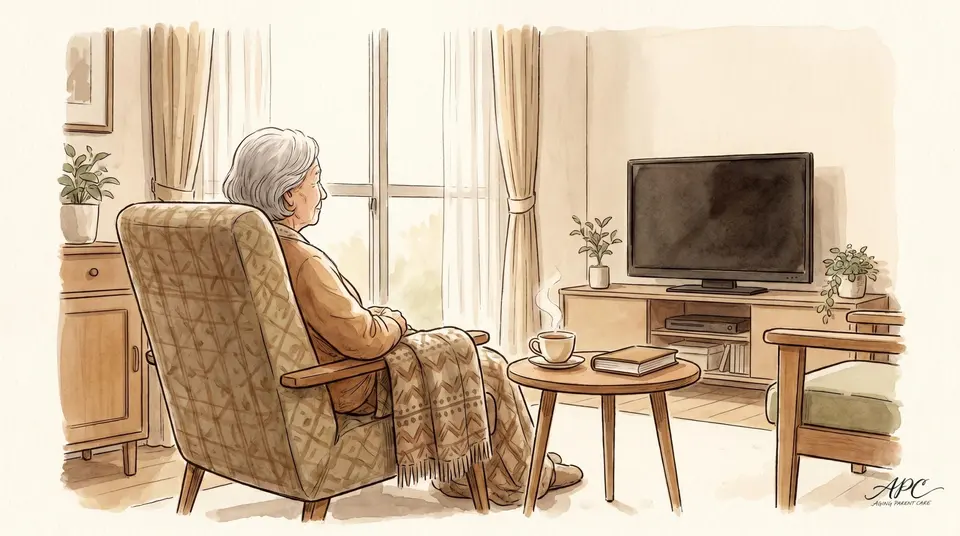
Here is the cruel loop. A near-fall scares a parent into moving less. Moving less makes the legs weaker and the balance worse. Weaker legs and worse balance make the next fall more likely, not less. Fear of falling, left alone, quietly builds the exact body that falls. Sitting still feels safe and is the opposite.
And the stakes are real. About 1 in 4 older adults falls every year, fall deaths among older adults have climbed sharply over the past several years, and falls drive roughly 300,000 hip fracture hospitalizations annually. 12 A hip fracture at this age is often the event that ends life at home for good. This is not a small risk to manage casually.
What actually lowers a parent's fall risk
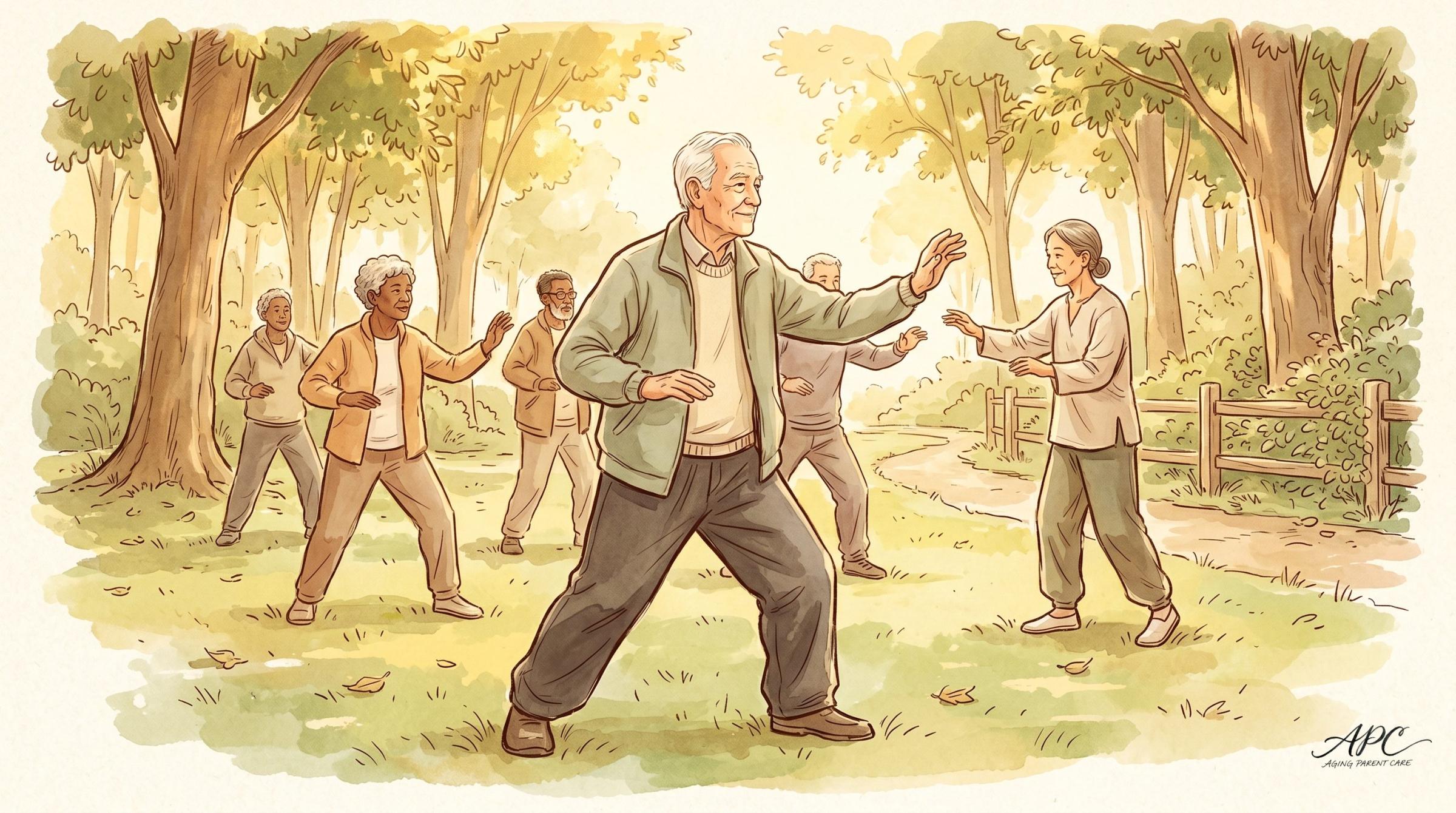
- Strength and balance work. Sit-to-stands, heel-to-toe walking, a Tai Chi class. The single most effective move.
- A medication review. Ask a doctor or pharmacist about anything that causes dizziness or drowsiness.
- An annual eye exam. A parent who cannot judge a step or a curb falls more.
- Physical therapy. A short course builds a safe routine and gets your parent moving again on purpose.
The free Aging Parent Care Starter Kit walks you through the first steps in plain language, at your own pace. Get it sent straight to your inbox.
Send me the free Starter KitWhat actually lowers the odds
The good news is that the biggest fall risks are the ones you can change. The grab bars and the night lights still matter, but the heavy lifting is here:
- Make the legs stronger and the balance better. This is the single most effective thing. The CDC points to exercises that build leg strength and improve balance, with Tai Chi as a standout example. 2 Simple, repeatable moves, sit-to-stands from a chair, heel-to-toe walking, standing on one foot at the counter, done most days, rebuild the body that catches itself.
- Get the medications reviewed. Ask a doctor or pharmacist to look at everything your parent takes for anything that causes dizziness or drowsiness. 2 Polypharmacy is a leading hidden cause of falls, and sometimes the fix is as simple as changing a dose or a timing.
- Check the eyes every year. Vision quietly erodes, and a parent who cannot judge a step or a curb falls more. An annual eye exam and an up-to-date prescription are basic and easy to skip. 2
Notice what is on that list and what is not. The most powerful moves are about the body and the medicine, not the bathroom hardware.
How to start without scaring them
The goal is to get your parent moving again on purpose, in a way that feels safe rather than reckless:
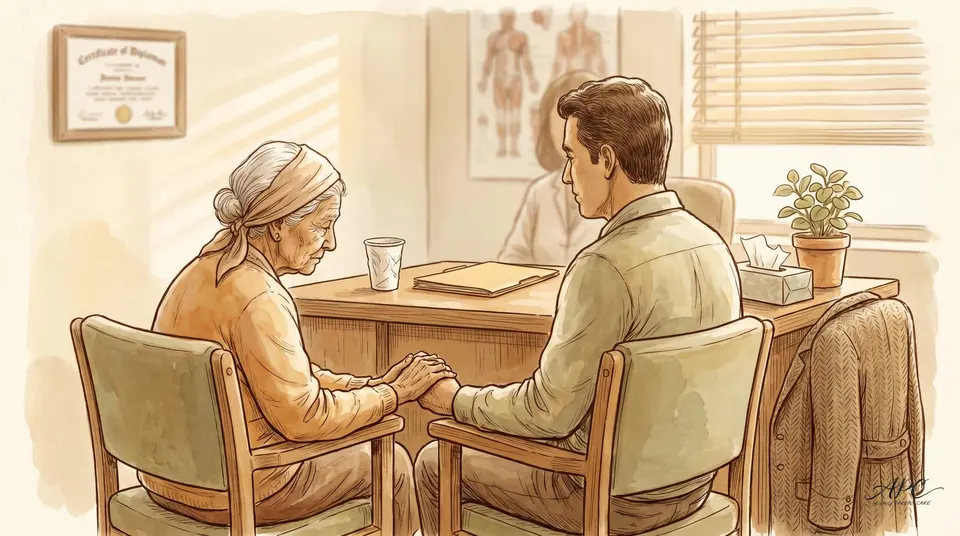
- Bring it to the doctor and ask for physical therapy. A short course of PT gives your parent a real, supervised strength and balance routine built for their level.
- Find a class, not just a chair. Many community centers and Area Agencies on Aging run balance or Tai Chi classes built for older adults. A class adds a social reason to show up, which is what makes it stick.
- Make it daily and tiny. Ten sit-to-stands before lunch. Balancing on one foot while the kettle boils. A short walk that gets a little longer. Small and consistent beats ambitious and abandoned.
- Frame it as staying independent, not avoiding disaster. Keeping a parent in their own home motivates more than warning them about falling.
Gina did not buy her father more grab bars. She got him a physical therapy referral, then talked him into a weekly Tai Chi class at the senior center, and started doing ten sit-to-stands with him before dinner. Three months in, Sal was walking again in the evenings, slower than before but steadier, and the white-knuckle grip on the furniture had eased.
He had not fall-proofed his house. He had fall-proofed himself, which is the part that actually moves with him from room to room.
Frequently Asked Questions
Do grab bars and home modifications still matter?
Yes, they help, but they are not the main event. The biggest, most changeable fall risks are weak legs, poor balance, sedating medications, and failing vision. Fix the body and the medicine first, then add the bathroom hardware.
What exercises actually reduce falls?
Exercises that build leg strength and improve balance. The CDC points to Tai Chi as a standout, along with simple daily moves like sit-to-stands from a chair, heel-to-toe walking, and standing on one foot at the counter.
My parent is scared to move after a fall. What do I do?
That fear is common and it backfires: moving less makes the legs weaker and the next fall more likely. Start small and supervised. A physical therapy referral gives a safe routine, and a class adds a reason to show up.
Fear of falling quietly builds the very body that falls, and the real fix is strength and balance, not just grab bars. Start with the free Aging Parent Care Starter Kit, sent straight to your inbox.
Was this article useful?
Got feedback?
Let us know what was useful, unclear, or missing.
Related from Aging Parent Care
- Falls Prevention and the CDC STEADI Program
- When Failing Eyesight Looks Like Decline
- Why Your Aging Parent Can't Sleep
- Protecting Your Parent's Muscle on Ozempic
Sources
- Centers for Disease Control and Prevention, Older Adult Falls Data: 1 in 4 older adults fall each year and fall death rates have risen.
- Centers for Disease Control and Prevention, Older Adult Fall Prevention: strength and balance exercise, Tai Chi, medication review, vision checks, and hip fracture burden.
This content is for educational and informational purposes only. It is not a substitute for professional medical, legal, or financial advice. Always consult qualified professionals for guidance specific to your situation. Statistics and details cited were accurate at the time of publication and may have changed.
© 2026 Aging Parent Care. All rights reserved. No portion of this article may be reproduced, distributed, or used in any form without the explicit written permission of Aging Parent Care.
Related medical guides
- Your Parent's World Is Shrinking. Before You Blame Age, Check Their Eyes.
- Why Your Aging Parent Can't Sleep, and How to Help Them Rest Again
- How to Catch Malnutrition Before It Lands Your Parent in the Hospital
- How to Get Power of Attorney for an Elderly Parent, Step by Step
- What Does Caregiver Burnout Feel Like? 7 Symptoms Families Mistake for Stress
The Complete Aging Parent Caregiving Guide covers the full caregiving arc in 30 chapters, and the Guide and Workbook together add the fillable templates families use to put it into practice.
Make Your Business Online By The Best No—Code & No—Plugin Solution In The Market.
30 Day Money-Back Guarantee
Say goodbye to your low online sales rate!