
The Dementia Signs That Don't Look Like Dementia

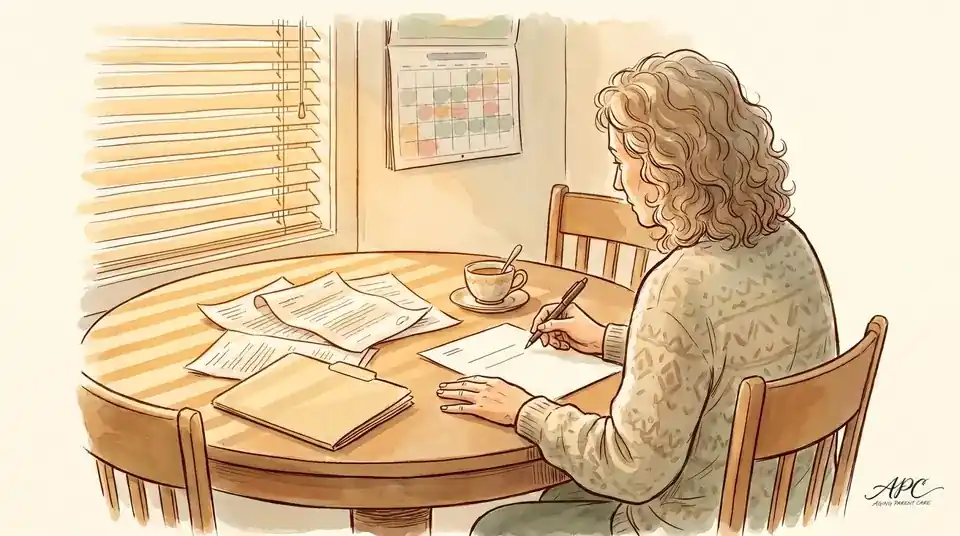
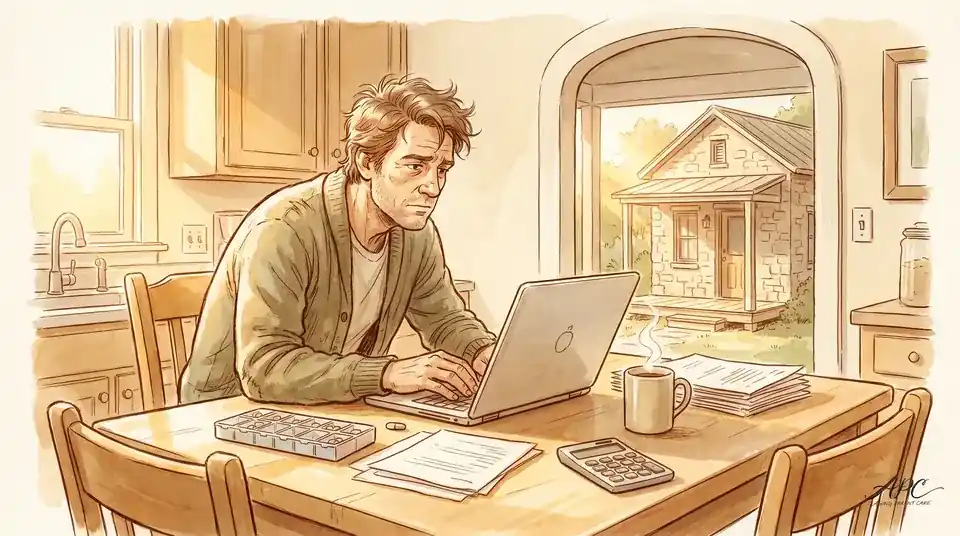
The first thing Marcus noticed about his dad was the mood. Earl had been the easy one his whole life, the guy who waved off a fender bender and tipped the waitress too much. Now he snapped at the grandkids over nothing and went quiet for a whole Sunday. Marcus chalked it up to grief, then to a rough patch, then to "Dad's just getting older." It was almost a year before he opened the kitchen drawer and found the late notices, three months of them, from a man who had paid every bill on time for forty years. That drawer, not the forgetting, was the first real sign. Here is the part too few families hear in time: dementia often shows up in mood, judgment, and personality long before it touches memory, and what gets noticed in that early window decides which options are still on the table later.
None of what Marcus saw looked like dementia. A short fuse looks like a bad week. A stack of unpaid bills looks like distraction. A dad who skips his morning crossword looks like a man who just lost interest. That is exactly why the earliest signals get explained away, sometimes for years, while the one window that matters most quietly closes.
So let's walk through the changes that tend to come before memory, why catching them early matters more now than it did even a few years ago, and the one step worth taking the moment something feels off, the way it did to Marcus.
The early dementia signs that don't look like memory loss
- Mood and personality shifts. New apathy, anxiety, irritability, suspicion, or fearfulness can arrive before recall problems.3
- Judgment and money trouble. Poor decisions, missed or duplicated bills, and falling for scams are recognized early signals.3
- Withdrawal. Pulling back from hobbies, work, and friends often reads as depression at first.3
- Early matters most. Lecanemab slowed early Alzheimer's decline by about 27 percent over 18 months, and it is approved only for the early stages.2
- Where to confirm. The Alzheimer's Association and the National Institute on Aging keep current symptom and diagnosis guidance.4
Why do the first signs of dementia show up in mood, not memory?
The diseases behind dementia do not always begin in the parts of the brain that hold memories. They can start in regions that run mood, motivation, and judgment. So the first thing a family sees is often a personality change, not a memory slip, which is exactly the trap Earl's family fell into.
Doctors who study this have a name for it. Zahinoor Ismail and colleagues laid out criteria for what they call mild behavioral impairment: persistent changes in mood, motivation, impulse control, and social behavior in an older adult, showing up before clear memory loss and raising the risk of a later dementia.5 The catch is that anxiety, apathy, and a low mood in an older parent get treated as their own thing, which they sometimes are. The point is not to panic over a bad week. It is to keep dementia on the list when several of these changes cluster and stick around, the way they did in Earl.
What early signs should families actually watch for?
No single change means dementia. What matters is the pattern: several of these showing up together, lasting weeks or months, and marking a real departure from who your parent has always been. Marcus had four of them sitting in plain sight before he connected the dots.
- Mood and personality. New apathy, a shorter temper, anxiety, suspicion of family, or fearfulness where there used to be warmth.
- Judgment and money. Decisions that don't add up, unpaid or duplicate bills, large odd purchases, or getting taken in by a scam they once would have spotted.
- Withdrawal. Dropping hobbies, work projects, or social plans they used to look forward to, which is easy to read as plain depression.
- Daily routines. Trouble following a familiar recipe, the steps of a household task, or keeping track of the monthly bills.
- Words and orientation. Reaching for common words, losing the thread of a conversation, or getting briefly turned around in a place they know well.
The Alzheimer's Association keeps a plain-language list of ten early signs, and decreased judgment, withdrawal from activities, and changes in mood and personality are all on it.3 The National Institute on Aging and Mayo Clinic say much the same: early changes can include poor judgment, reduced motivation, irritability, and pulling away socially, not just forgetting.46 Both are worth reading before any appointment, so you walk in with specifics instead of a vague worry.
The window for treatment is real, and it is narrow. What a family notices now decides which options still exist later.

The free Aging Parent Care Starter Kit walks you through the first steps in plain language, at your own pace, including how to log what you are seeing and what to ask the doctor. Get it sent straight to your inbox.
Send me the free Starter KitWhy does catching it early matter more now?
A few years ago, early detection mostly bought a family time to plan. That still matters, and it is no small thing. But the stakes have changed.
The FDA gave lecanemab, sold as Leqembi, its full traditional approval in July 2023, for people in the early stages of Alzheimer's.1 In its main trial, it slowed the decline of early Alzheimer's by about 27 percent over 18 months.2 It is not a cure, it carries real risks, and it is not right for everyone. But here is the line that matters for this article: it is approved only for the early stages of the disease. A family that catches the signs early has options a family that waits simply does not.
What should I do if I'm seeing these changes?
You do not have to be sure to act. You just have to take the next small step. Here is the sequence Marcus ended up following, and it works:
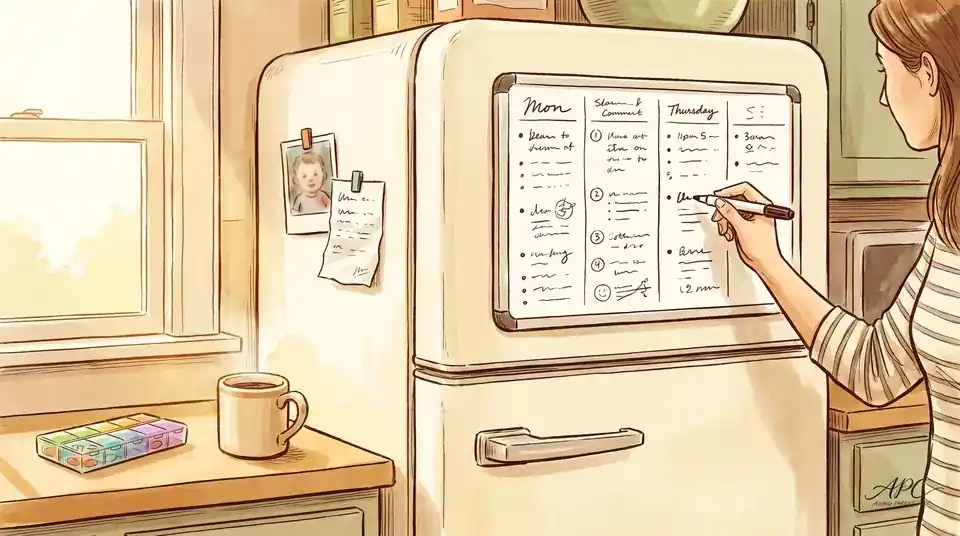
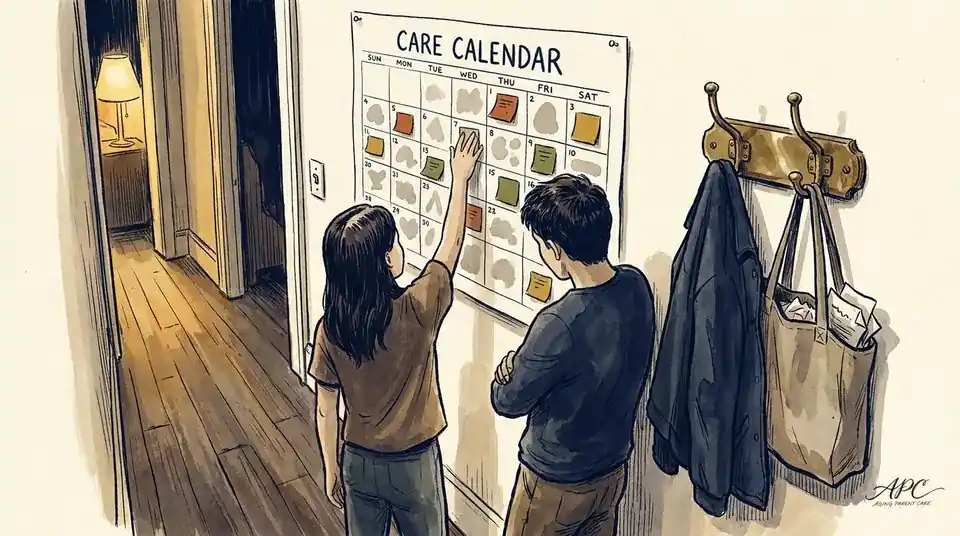
- Write it down. Keep a simple log of what you notice, with dates and examples. A pattern on paper is far more useful to a doctor than a feeling.
- Rule out the reversible. Many of these symptoms can come from thyroid problems, vitamin deficiencies, medication side effects, infections, or depression, so ask the primary care doctor for a workup.
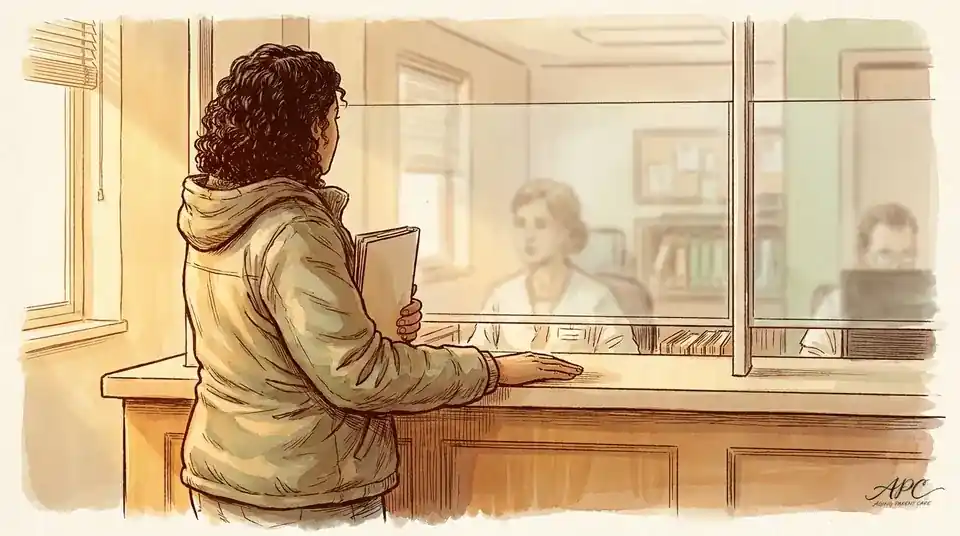
- Ask directly for a cognitive evaluation. Say the words: I am seeing changes in mood, judgment, and daily tasks, and I would like a cognitive assessment or a referral to a neurologist or memory clinic.
- Bring the log and a list of medications to the appointment, and bring someone who knows your parent well.
If the primary care visit does not get you answers, a geriatrician, a neurologist, or a memory clinic is the right next stop. Pushing for that referral is not being dramatic. It is being the family member who got there in time.
Frequently Asked Questions
Can dementia start without any memory loss at all?
Yes. For many people the first visible signs are changes in mood, personality, judgment, or behavior, and clear memory problems can come months or years later.5 That is why mood and personality shifts deserve attention rather than being written off as ordinary aging.
How do I tell the difference between depression and early dementia?
You often cannot tell from the outside, and the two can overlap or occur together. That is the job of a medical evaluation. The honest answer is to get a workup rather than guess, because depression is treatable and some causes of these symptoms are reversible.
Why is an early diagnosis worth the stress of pushing for one?
Because newer treatments like lecanemab are approved only for the earliest stages,1 and because early diagnosis gives the family time to plan finances, legal documents, and care while your parent can still take part in those decisions.
Marcus did get there in time. He started a notebook on a Tuesday, the kind of small step that feels like nothing, and three weeks of entries went to Earl's doctor along with Marcus himself in the room. The workup ruled out a thyroid problem and a vitamin shortfall. Then the memory clinic caught what the bad moods had been hiding: early Alzheimer's, early enough that Earl could sit at his own kitchen table and weigh his own choices about what came next. The crossword is still mostly untouched. But Earl signed his own paperwork, named his own people, and had the say a later diagnosis would have taken from him.
The earliest signs of dementia usually show up as changes in mood, judgment, and personality, not memory, and because treatments now work only when caught early, what gets noticed today shapes what is possible later. If something feels off, start a log and ask the doctor for a cognitive evaluation, and use the free Aging Parent Care Starter Kit to organize the documents and questions that conversation needs.
Was this article useful?
Got feedback?
Let us know what was useful, unclear, or missing.
Related from Aging Parent Care
- Falls Prevention and the CDC STEADI Program
- Medicare Telehealth for Aging Parents
- Hospital Discharge: The First 30 Days
Sources
- Alzheimer's Association. "Alzheimer's Association Welcomes U.S. FDA Traditional Approval of Leqembi." July 2023. alz.org/news/2023/lecanemab-leqembi-traditional-fda-approval
- van Dyck CH, et al. "Lecanemab in Early Alzheimer's Disease." New England Journal of Medicine, 2023. nejm.org/doi/full/10.1056/NEJMoa2212948
- Alzheimer's Association. "10 Early Signs and Symptoms of Alzheimer's." alz.org/alzheimers-dementia/10_signs
- National Institute on Aging. "What Are the Signs of Alzheimer's Disease?" nia.nih.gov/health/alzheimers-symptoms-and-diagnosis/what-are-signs-alzheimers-disease
- Ismail Z, Smith EE, Geda Y, et al. "Neuropsychiatric Symptoms as Early Manifestations of Emergent Dementia: Provisional Diagnostic Criteria for Mild Behavioral Impairment." Alzheimer's & Dementia, 2016;12(2):195-202. pubmed.ncbi.nlm.nih.gov/26096665
- Mayo Clinic. "Alzheimer's Disease: Symptoms and Causes." mayoclinic.org/diseases-conditions/alzheimers-disease/symptoms-causes/syc-20350447
This content is for educational and informational purposes only. It is not a substitute for professional medical advice, diagnosis, or treatment. Always consult qualified healthcare providers for guidance specific to your situation. Statistics and treatment details cited were accurate at the time of publication and may have changed.
© 2026 Aging Parent Care. All rights reserved. No portion of this article may be reproduced, distributed, or used in any form without the explicit written permission of Aging Parent Care.
Keep reading
- Your Parent's Dementia Diagnosis Just Changed. What the New Drugs Actually Do.
- The Family Code Word That Stops AI Voice Scams Cold
- How to Talk to a Parent About the Car Keys
- Hospital Discharge for Elderly Parents: The First 30 Days
Early answers open more options than late ones. The Complete Aging Parent Caregiving Guide covers the full arc in 30 chapters, and the Guide and Workbook together add the fillable templates families use to put it into practice.
Make Your Business Online By The Best No—Code & No—Plugin Solution In The Market.
30 Day Money-Back Guarantee
Say goodbye to your low online sales rate!
What are the signs dementia is getting worse?
Progression usually shows up as new trouble with familiar tasks: getting lost on known routes, repeating questions within minutes, unpaid bills, weight loss from forgotten meals, and personality changes such as suspicion or withdrawal. A change in the pattern, not any single bad day, is the signal that warrants a medical review.
How early can dementia signs start?
Brain changes can begin a decade or more before obvious memory loss, and early signs are often not about memory at all: trouble managing money, losing words, poor judgment with scams, or apathy. Early evaluation matters because some causes of cognitive decline are treatable, and the new disease-modifying drugs work best early.
What is often mistaken for dementia in the elderly?
Urinary tract infections, medication interactions, depression, thyroid problems, hearing loss, and vitamin B12 deficiency can all mimic dementia and are reversible. This is why a sudden change should go to a doctor before the family concludes it is dementia.