
Hospital Discharge for Elderly Parents: The First 30 Days

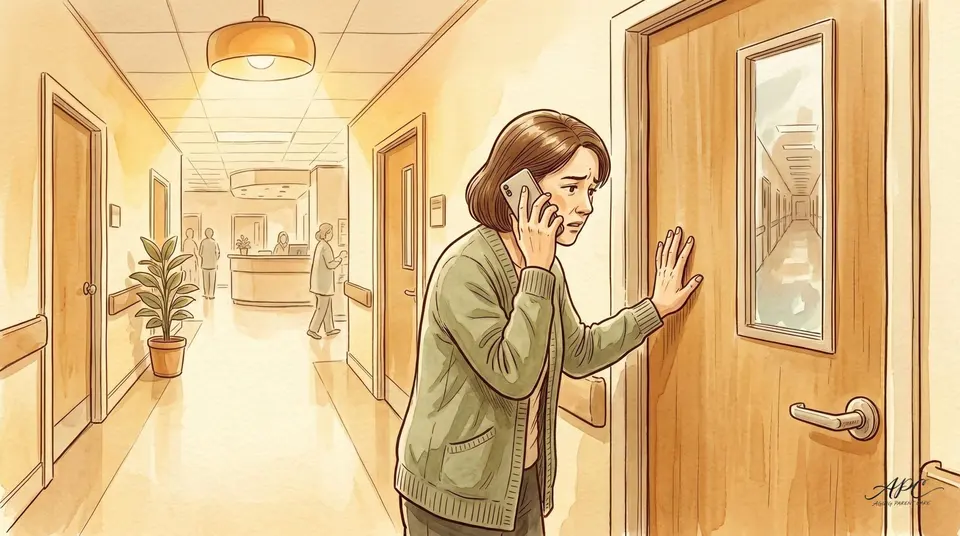
By 11:40 in the morning Renata was standing in a hospital parking lot, holding a folder three inches thick in one hand and her father's elbow in the other. He still looked gray. A nurse had handed her the folder, said a few words about new medications and a home health number, and gone to the next room. The car was hot. Her dad wanted to sit down. And the part nobody had explained was the part that mattered most: the week ahead at home is where most of the danger actually lives. Nearly 1 in 5 older adults lands back in the hospital within 30 days of going home, and most of those returns can be headed off with a few specific moves made in the first few days.
Renata's father, Sal, had been admitted for a urinary tract infection that slid into sepsis. Eleven days inpatient. The discharge planner had maybe six minutes with them. The medication sheet listed two drugs Renata had never heard of, sitting right next to the heart and blood pressure pills he had taken for years, with nothing on the page about whether any of them clashed. He was home by noon. By the following Tuesday he was back in the emergency department.
If that sounds familiar, it is because it is one of the most studied patterns in hospital medicine. Nearly 20 percent of Medicare patients are back in a hospital bed within 30 days of being sent home, and of the ones who get readmitted, about half never saw a doctor at all in those 30 days.1 That gap, the missing follow-up, is where a lot of the trouble hides. The good news is that it is a gap a family can close.
The three moves that keep a parent out of the hospital
- The first 72 hours are the highest-risk window. Most of the trouble shows up in the first three days home, not during the hospital stay.
- Lock in a follow-up inside seven days. Half of readmitted patients never saw a doctor at all. Booking that visit early is one of the biggest things you can do.
- Reconcile the medications yourself. Roughly 20 percent of readmissions are medication-related, and about 70 percent of those are preventable.
- Run a daily watch list for the first week. A short check-in catches the warning signs early.
What actually happens in the first week home?
The first 72 hours after discharge are the riskiest stretch, and medications are a big reason why. Drugs get changed during a hospital stay. The discharge prescriptions often carry new pills, different doses, or quietly dropped ones that do not match what is still sitting in the medicine cabinet at home. Take the wrong combination and the effects can show up within a day or two. That is exactly the spot Sal landed in.
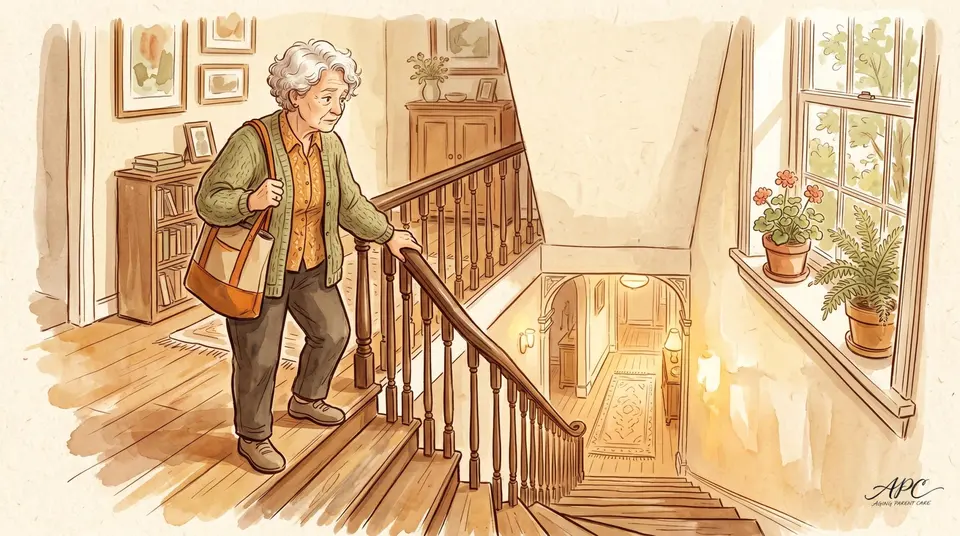
The house has not changed either. Same throw rug, same dim bathroom, same stairs, all of it waiting. A parent who was weak going in is usually weaker coming out, even after a short stay. The fall risk that was minor before the hospital can turn into the thing that sends them back.
Medication mix-ups, missed follow-ups, and dehydration drive a big share of those 30-day returns. Roughly 20 percent of readmissions are medication-related, and about 70 percent of those are preventable.2 That is the gap the three steps below are built to close.
Step 1: How fast should the follow-up appointment be?
Aim for a follow-up inside seven days. Most discharged patients get told to see their regular doctor "in the next few weeks," and that vague window is exactly where readmissions happen. Remember the number that should stick: half of the people who bounce back never saw a doctor at all.1
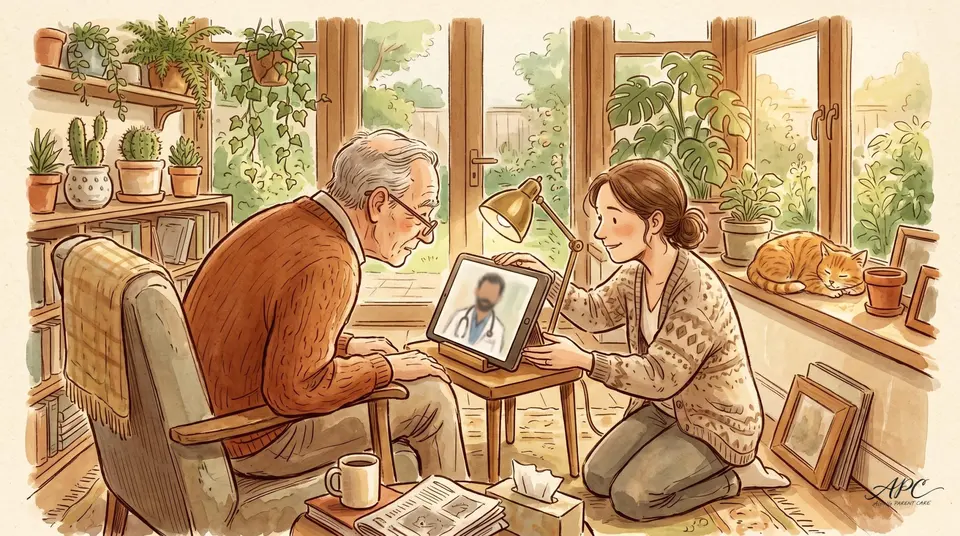
So book it before you leave the building, or from the parking lot on the way home. If the primary care doctor cannot see your parent within a week, urgent care or a telehealth visit is a fair bridge. The appointment can be short. Its whole job is to catch medication problems, answer the questions that have piled up, and check whether anything from the stay needs a closer eye.
If your parent had a procedure, surgery, or specialist care during the stay, call that specialist's office within 24 hours. The hospital team has handed off responsibility, and the specialist's office may never have gotten a clear note about what comes next.
The free Aging Parent Care Starter Kit walks you through the first steps in plain language, at your own pace. Get it sent straight to your inbox.
Send me the free Starter KitStep 2: How do you check the medications safely?
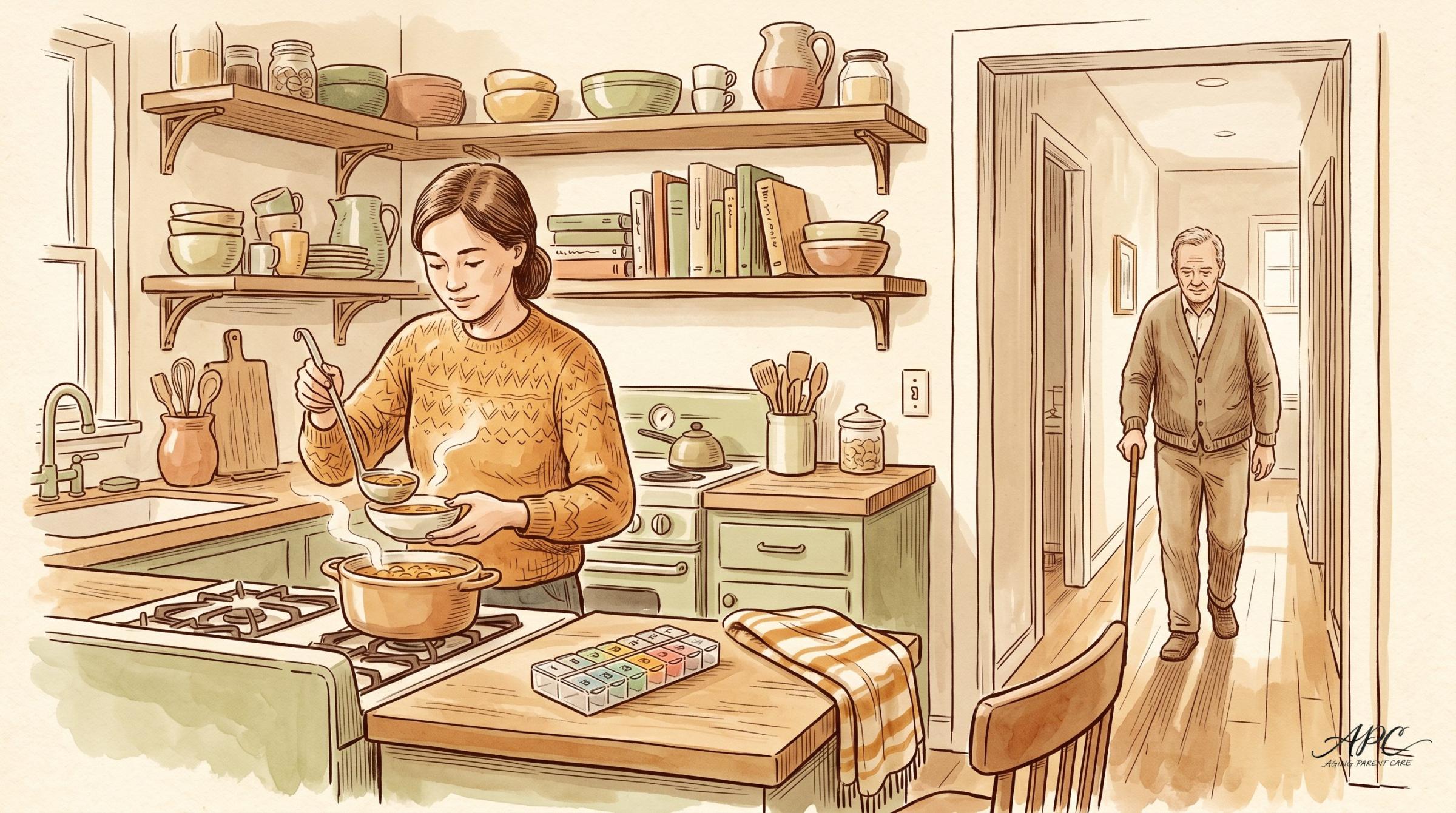
The discharge paperwork hands you a medication list. What it almost never does is line that list up against what your parent was actually taking before admission and flag the differences. This is the step that would have saved Sal a second trip. So do it yourself, in this order:
- Lay out your parent's pre-admission medication bottles. All of them.
- Set the discharge list right beside them.
- Go down the discharge list one drug at a time and ask: is this the same as before? Same dose? Is anything from the old list missing? Missing does not always mean stopped. Sometimes it means the planner simply left it off.
- Bring the reconciled list to the follow-up appointment.
A retail pharmacist, the one at the drugstore counter, can also check the discharge drugs against the existing ones for interactions, no appointment needed. It is free and takes about ten minutes. There is no reason to skip it.
The first seven days at home decide far more than the eleven in the hospital, and three small moves carry most of the protection.
Step 3: What should you watch for in the first week?
The first week at home asks for more hands-on attention than most families expect. A parent who just got discharged is not stable yet. Strength, clear thinking, and appetite can all swing while they adjust to new medications and broken-up sleep.
A daily check-in for the first seven days, even a short phone call if you live far away, is not overkill. Here is what warrants a call to the doctor instead of a wait-and-see:
- New or increasing confusion.
- New or worsening pain.
- The return of the symptom that sent them in.
- Trouble with the new medications.
- Loss of appetite for more than two days.
- A fall.
Medicare covers home health, skilled nursing, physical therapy, occupational therapy, for eligible patients who are largely homebound and need intermittent skilled care, and for covered home health services your parent pays nothing.3 Ask the discharge planner about it before you leave the building. If it was not offered and your parent qualifies, you can request it.
Sal went back to the emergency department twice in that first month. After the second discharge, Renata did it differently. She walked the medication list through with the hospital pharmacist before they left the floor, booked the primary care follow-up from the parking lot for the next morning, and arranged a home health aide for three visits that first week. He did not go back a third time. The folder, by then, had a checklist clipped to the front.
Frequently Asked Questions
How soon after discharge should an elderly parent see a doctor?
Inside seven days. Half of the patients who get readmitted within 30 days never saw a doctor at all in that window, so booking an early visit is one of the highest-value things a family can do.1 If the primary care doctor cannot fit your parent in that fast, urgent care or telehealth is a reasonable bridge.
Why do so many seniors get readmitted within 30 days?
The most common drivers are medication errors, missed follow-up care, dehydration, and falls in an unchanged home. Roughly 20 percent of readmissions are medication-related, and about 70 percent of those are preventable.2
Does Medicare cover help at home after a hospital stay?
Yes. Medicare covers home health services such as skilled nursing and physical or occupational therapy for eligible patients who are mostly homebound and need intermittent skilled care, with no cost to you for the covered services.3 Ask the discharge planner before leaving, and request it if your parent qualifies and it was not offered.
The first seven days at home decide far more than the days spent in the hospital, and three moves carry most of the protection: a follow-up visit inside seven days, a medication reconciliation you run yourself, and a daily watch list. Do the first one before you leave the building, and use the free Aging Parent Care Starter Kit to keep medications, appointments, and warning signs in one place.
Was this article useful?
Got feedback?
Let us know what was useful, unclear, or missing.
Related from Aging Parent Care
- The Dementia Signs That Don't Look Like Dementia
- The Algorithm Deciding Whether Your Mother Gets Treatment
- 11 Signs It's Time to Move Your Parent
Sources
- Agency for Healthcare Research and Quality (AHRQ). "Strategy 4: Care Transitions From Hospital to Home: IDEAL Discharge Planning." U.S. Department of Health and Human Services. ahrq.gov/patient-safety/patients-families/engagingfamilies/strategy4/index.html
- Glans M, Kragh Ekstam A, Jakobsson U, Bondesson A, Midlov P. "Medication-related hospital readmissions within 30 days of discharge: a retrospective study of risk factors in older adults." PLoS One, 2021. pmc.ncbi.nlm.nih.gov/articles/PMC8191889
- Medicare.gov. "Home Health Services Coverage." Centers for Medicare & Medicaid Services. medicare.gov/coverage/home-health-services
This content is for educational and informational purposes only. It is not a substitute for professional medical, legal, or financial advice. Always consult qualified healthcare providers, attorneys, or financial advisors for guidance specific to your situation. Statistics and policy details cited were accurate at the time of publication and may have changed.
© 2026 Aging Parent Care. All rights reserved. No portion of this article may be reproduced, distributed, or used in any form without the explicit written permission of Aging Parent Care.
Keep reading
- How to Vet a Home Health Agency: Questions to Ask
- Grab Bars Won't Stop the Fall. Strength and Balance Will.
- How to Catch Malnutrition Before It Lands Your Parent in the Hospital
- What Does Caregiver Burnout Feel Like?
The first 30 days go better with a written plan. The Complete Aging Parent Caregiving Guide covers the full arc in 30 chapters, and the Guide and Workbook together add the fillable templates families use to put it into practice.
Make Your Business Online By The Best No—Code & No—Plugin Solution In The Market.
30 Day Money-Back Guarantee
Say goodbye to your low online sales rate!
Can a hospital discharge an elderly patient without consent?
Hospitals can discharge a patient once a physician deems them medically stable, even over family objections, but families have the right to appeal. For Medicare patients, requesting a review from the Quality Improvement Organization (QIO) before the discharge deadline pauses the clock while the appeal is decided. The discharge planner is required to provide a written notice explaining this right.
What happens when an elderly person is discharged from the hospital?
The hospital issues a discharge plan covering medications, follow-up appointments, and any home health orders. The first 30 days at home carry the highest risk of readmission, which is why the first week's priorities are a medication reconciliation, a follow-up appointment within 7 days, and a fall check of the home before the parent walks in.