Ozempic Is Quietly Taking Your Parent's Muscle. Here's How to Protect It.

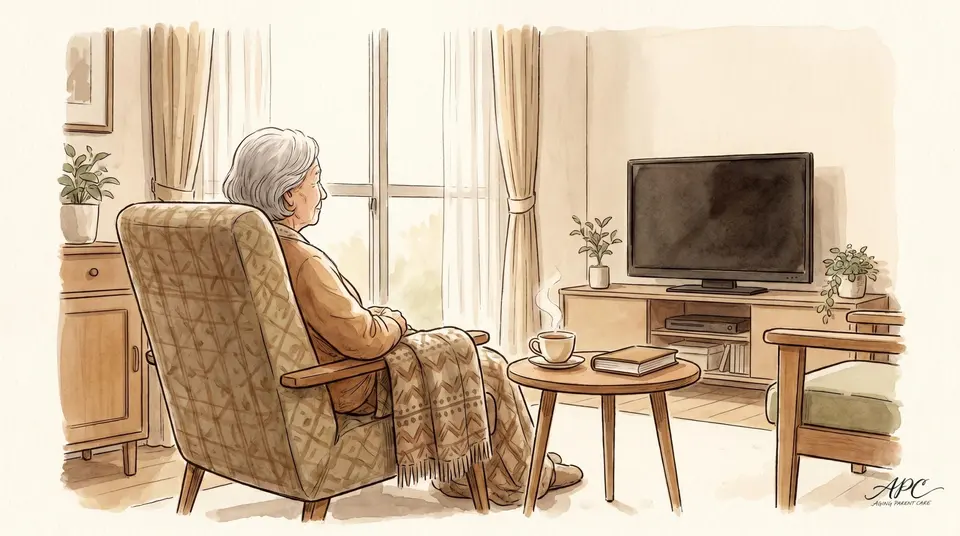
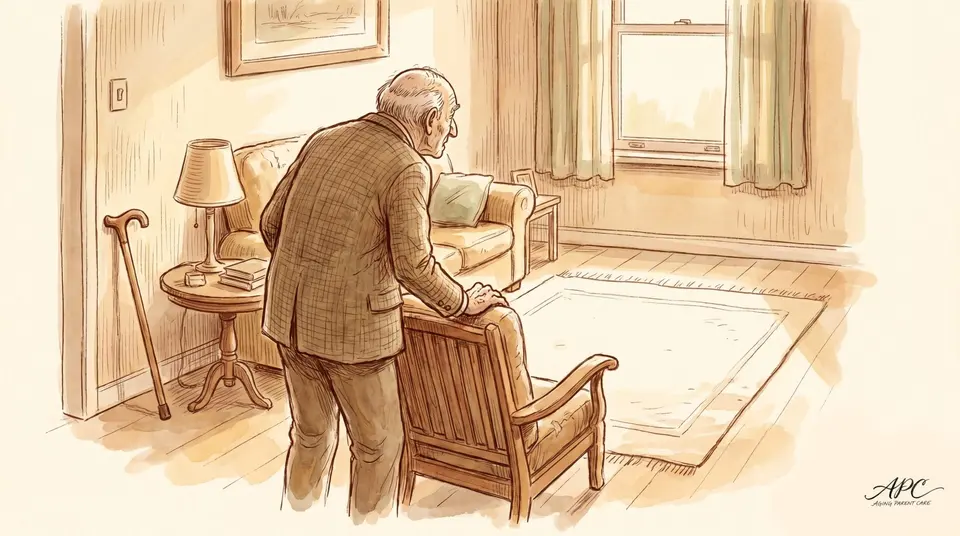
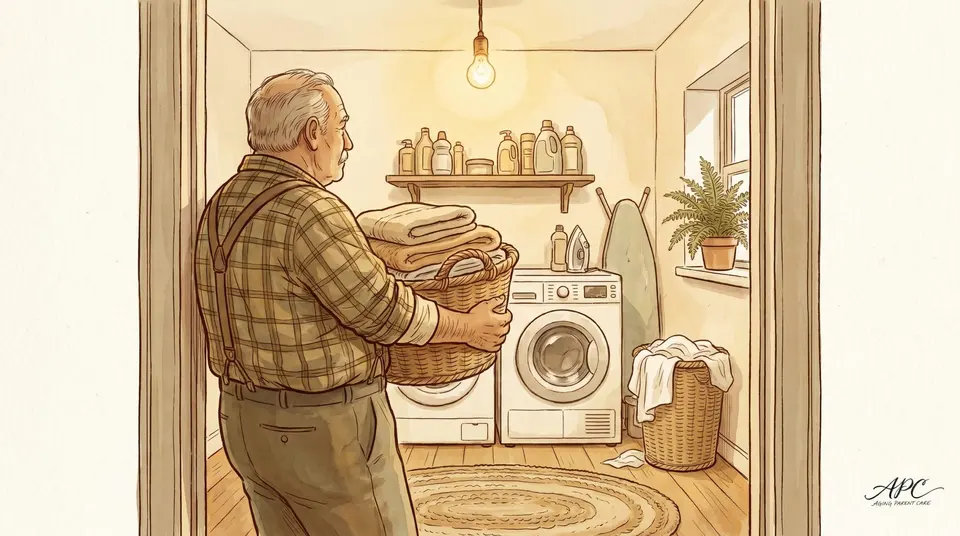
Ray is 78 and down about 30 pounds since his doctor started him on semaglutide for his diabetes. His blood sugar looks better than it has in years. His daughter Nadia was glad, right up until the afternoon she watched him try to get out of his recliner. He rocked forward twice, got halfway up, and sat back down. He needed both arms and a second try. Six months ago he just stood up.
The weight loss is real. So is the thing underneath it.
Not all weight loss is the same
When anyone loses weight quickly, some of what leaves is fat and some is lean tissue, meaning muscle and bone. On the newer GLP-1 drugs, the muscle share can be high. One research review found that anywhere from 15 to 60 percent of the weight lost on these medications may come from lean mass rather than fat, depending on the person and the drug. 1
In a younger body with plenty to spare, that matters less. In an older one, it is the whole game. Aging already strips skeletal muscle by roughly 12 to 16 percent after age 65, and up to half of adults over 80 already have sarcopenia, the medical term for muscle loss serious enough to affect strength and function. 1 Stack fast medication-driven loss on top of that, and a parent can cross the line from independent to fragile without anyone naming why.
Why muscle is the thing that keeps them home
Muscle is not about looking strong. It is what lets a person stand from a chair, climb a stair, catch themselves on a curb, and carry groceries in from the car. When it goes, falls and fractures follow, and a fracture in an older adult is often the event that ends life at home. The recliner Ray could not rise from is a small version of the same warning.
How to protect your parent's muscle on a GLP-1 drug
- Ask the prescriber about protein. A real daily target, even with a smaller appetite.
- Ask for resistance training or a physical therapy referral, two or three times a week.
- Track strength, not just the scale. Note whether they are slower to rise or less steady.
- Raise it if strength drops fast. Adjusting the plan is a medical decision, not a kitchen-table one.

The free Aging Parent Care Starter Kit walks you through the first steps in plain language, at your own pace. Get it sent straight to your inbox.
Send me the free Starter KitWhat to do, without stopping the drug
The answer is almost never to quit the medication on your own. For a lot of older adults the blood-sugar or weight benefit is genuinely worth it. The goal is to protect muscle while the drug does its job. Bring these to the prescriber:
- Ask about protein. Older adults on these drugs often eat far less overall, and protein is the first thing to fall off. A doctor or dietitian can set a real daily target and help hit it even with a smaller appetite.
- Ask about resistance training. Gentle strength work, resistance bands, sit-to-stand practice, light weights, two or three times a week, is the single best defense against muscle loss. A physical therapy referral is a reasonable thing to request.
- Track more than the scale. A pound lost is not automatically good news at this age. Note whether your parent is getting weaker, slower to rise, or less steady. Those changes matter more than the number.
- Watch the dose conversation. If muscle and strength are dropping fast, that is worth raising with the doctor, who may adjust the plan. That is a medical decision, not a kitchen-table one.
The version of this that goes well
Nadia did not throw out her father's prescription. She called his doctor, got a dietitian visit and a short course of physical therapy, and started doing ten sit-to-stands with him before dinner most nights. Three months later Ray got out of the recliner on the first try and did not notice he had. That is what protecting muscle looks like.
A pound lost is not automatically good news at this age.
Frequently Asked Questions
Should my parent stop taking Ozempic or Wegovy?
Usually not on your own. For many older adults the blood-sugar or weight benefit is genuinely worth it. The goal is to protect muscle while the drug works, by adding protein and resistance exercise and watching strength, and to raise any fast decline with the prescriber.
How much of the weight lost is muscle?
One research review found that anywhere from 15 to 60 percent of the weight lost on these medications can come from lean mass rather than fat, depending on the person and the drug. In an older body with little muscle to spare, that share matters a great deal.
What protects muscle while losing weight?
Two things: enough protein and regular resistance exercise. Gentle strength work like resistance bands, sit-to-stand practice, or light weights, a few times a week, is the single best defense against muscle loss.
The weight can come off and the strength can stay, but only if someone is watching for both. Start with the free Aging Parent Care Starter Kit, sent straight to your inbox.
Was this article useful?
Got feedback?
Let us know what was useful, unclear, or missing.
Related from Aging Parent Care
Sources
This content is for educational and informational purposes only. It is not a substitute for professional medical, legal, or financial advice. Always consult qualified professionals for guidance specific to your situation. Statistics and details cited were accurate at the time of publication and may have changed.
© 2026 Aging Parent Care. All rights reserved. No portion of this article may be reproduced, distributed, or used in any form without the explicit written permission of Aging Parent Care.
Related medical guides
- Your Parent's World Is Shrinking. Before You Blame Age, Check Their Eyes.
- Why Your Aging Parent Can't Sleep, and How to Help Them Rest Again
- How to Catch Malnutrition Before It Lands Your Parent in the Hospital
- How to Get Power of Attorney for an Elderly Parent, Step by Step
- What Does Caregiver Burnout Feel Like? 7 Symptoms Families Mistake for Stress
The Complete Aging Parent Caregiving Guide covers the full caregiving arc in 30 chapters, and the Guide and Workbook together add the fillable templates families use to put it into practice.
Make Your Business Online By The Best No—Code & No—Plugin Solution In The Market.
30 Day Money-Back Guarantee
Say goodbye to your low online sales rate!