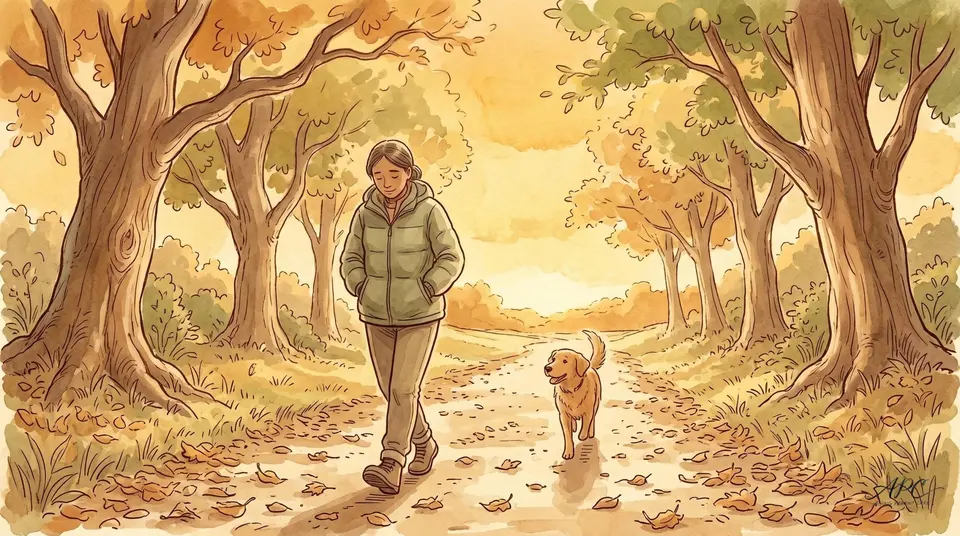
Caring for a Parent From 500 Miles Away: A Long-Distance Playbook That Works.

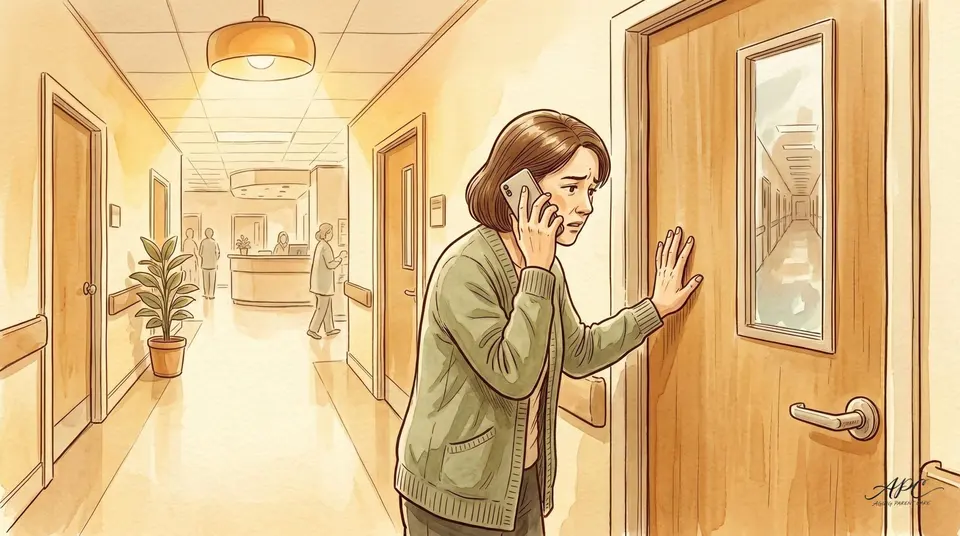
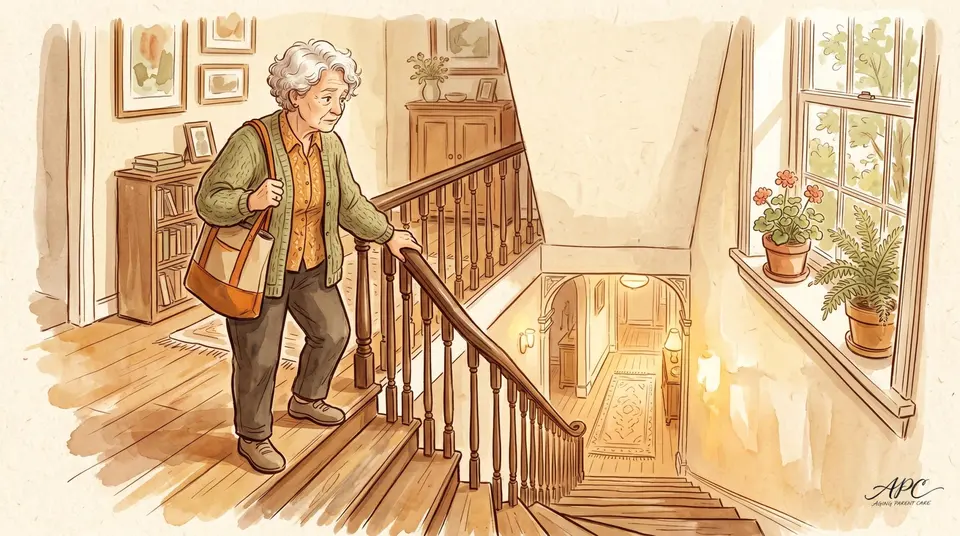
The call came at 2 a.m., the way these calls tend to. Marcus was in Denver. His dad, Ray, was three states away in a hospital outside Tulsa, and a nurse Marcus had never met was explaining that Ray had taken a fall on the back step. He was fine, mostly. Bruised hip, a night for observation. What stayed with Marcus was the other thing the nurse said, almost in passing: that the step had been loose for a while. Loose for a while. Marcus had talked to his dad every Sunday for a year and never once heard about the step. That is the quiet problem with caring for a parent from far away. The things that matter most, the loose step, the unopened mail, the driving he quietly gave up, are exactly the things a parent tends not to mention. Here is what long-distance caregivers who make it work do instead.
If your parent lives an hour or more away, you already count as a long-distance caregiver, and you are far from alone in it. AARP's 2025 numbers put the country at roughly 63 million family caregivers, and more than one in ten of them live an hour or more from the person they help.2 The families who do this well tend to land on a similar set of moves. The ones who struggle tend to share the same gaps. Let me walk you through both.
Ray's bruised hip healed in a week. The loose step was the real story, and the loose step was the part nobody could see from Denver.
What makes long-distance caregiving hold
- A local network. Specific people near your parent who can see what you cannot, and who have your number.
- Deliberate visits. At least one trip a year run as a real look at the home, not just a visit.
- A weekly rhythm. A fixed call that catches the gradual changes, not just the sudden ones.
- Systems over heroics. Automated refills, bills, and groceries so fewer things quietly become crises.
What does distance actually cost?
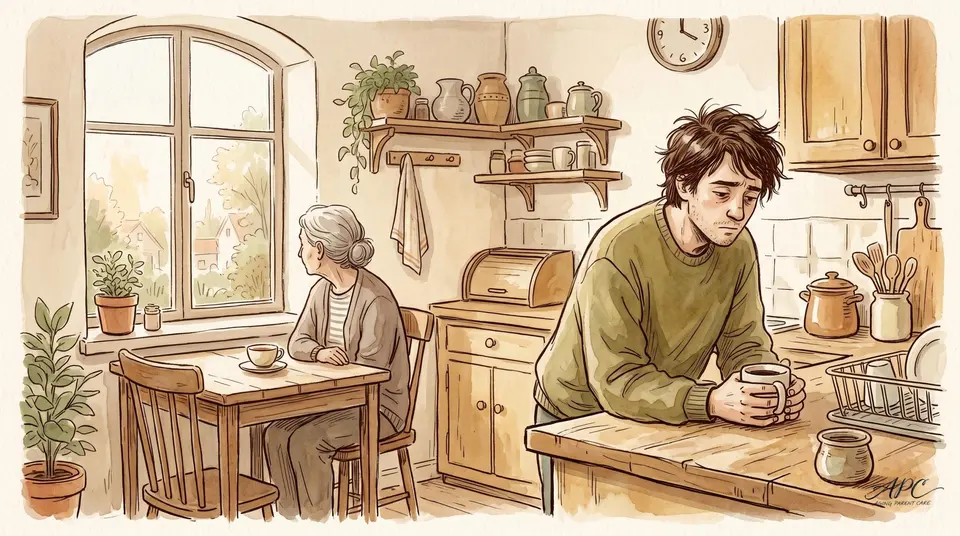
The obvious cost is money and miles. The less obvious cost, the one that bit Marcus, is information. When you are not in the room, you cannot see the loose step, the empty refrigerator, the driving that quietly stopped. You depend on your parent to tell you things your parent often does not know how to frame, or does not want to say. Ray was not hiding anything on purpose. He just did not think a back step was worth a phone call.
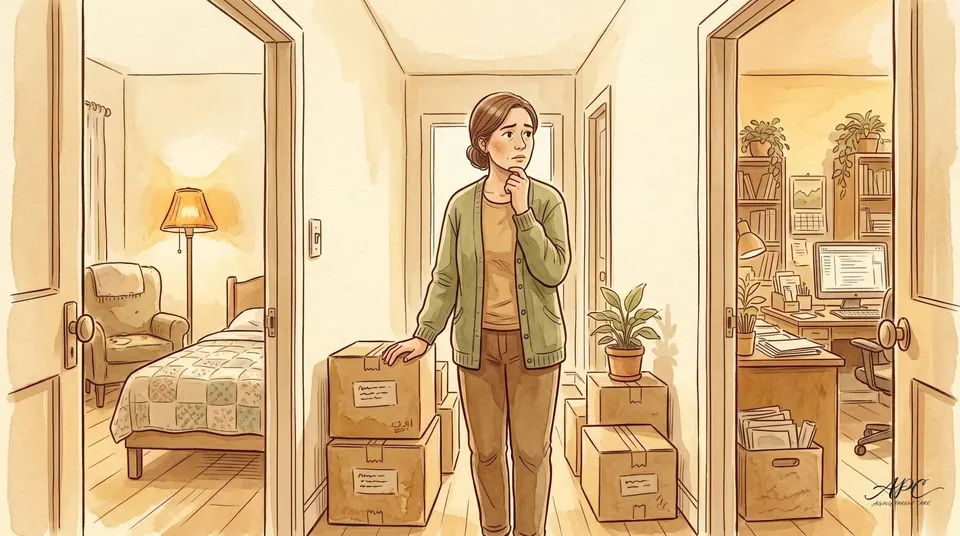
Guilt is the other cost, and it is a heavy one. Caring from a distance is hard emotionally as much as logistically, because the role is less hands-on and more about gathering information and pulling a team together from afar.3 The guilt is understandable. It is also mostly not useful. What replaces it is structure.
Why is a local network the first thing to build?
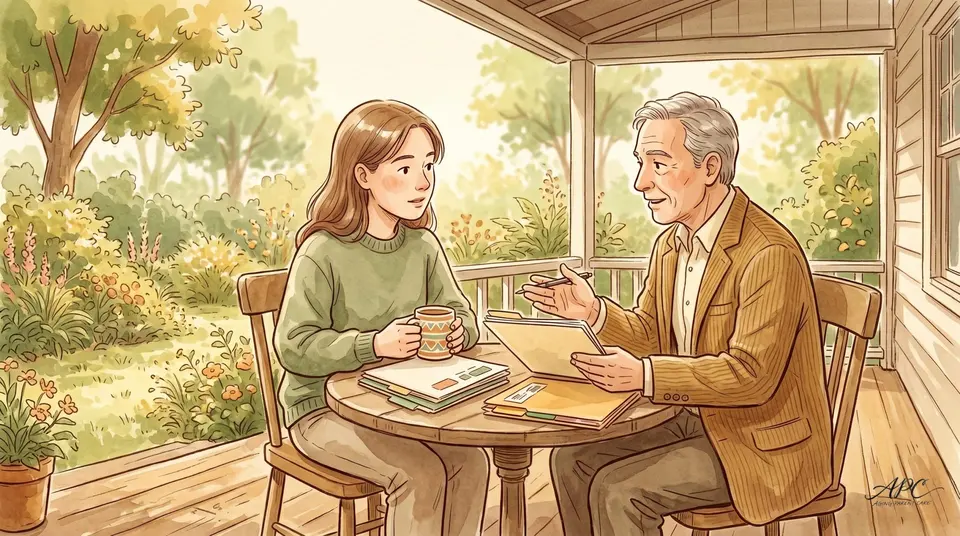
Families who manage caregiving from a distance have solved one specific problem first: they built a network of local people who can see what the distant caregiver cannot. AARP's guidance on caring from afar puts this near the top, mapping both the formal supports (the doctor, the attorney) and the informal ones (neighbors, the people from church, community groups).2
It starts with naming who your parent's actual local contacts are. Not "his friends" in the abstract, but specific people: the neighbor who waves every morning, the man from church who calls on Wednesdays, the grandkid who lives forty minutes away. These people are already in your parent's life. What most families have not done is make them part of the care system. They do not have your number, they do not know what to watch for, and they have no easy way to flag something that looks off. One sensible limit here: neighbors are great for picking up groceries or eyes on the house, but do not hand them the finances or the medical decisions.2
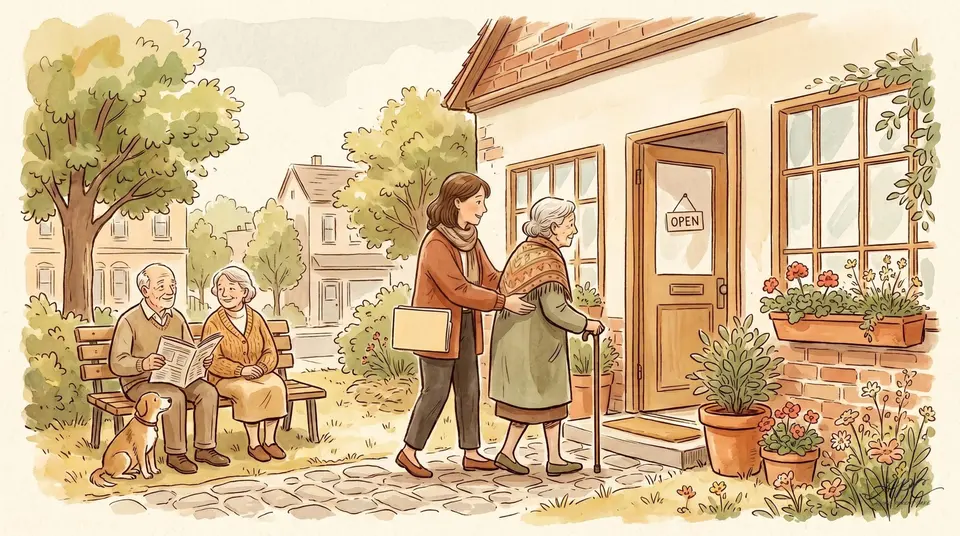
A geriatric care manager is the more formal version of this. That is a professional who coordinates appointments, watches care quality, and reports back to you. They typically run somewhere from $75 to $300 an hour depending on where your parent lives and what you need, and a good one can replace the reflex of booking an emergency flight every time something shifts.2 If that is out of reach, the local Area Agency on Aging often runs lower-cost case management, though there can be a waiting list.2 You can find your parent's agency through the Eldercare Locator or by calling 800-677-1116.4
What does a visit that actually counts look like?
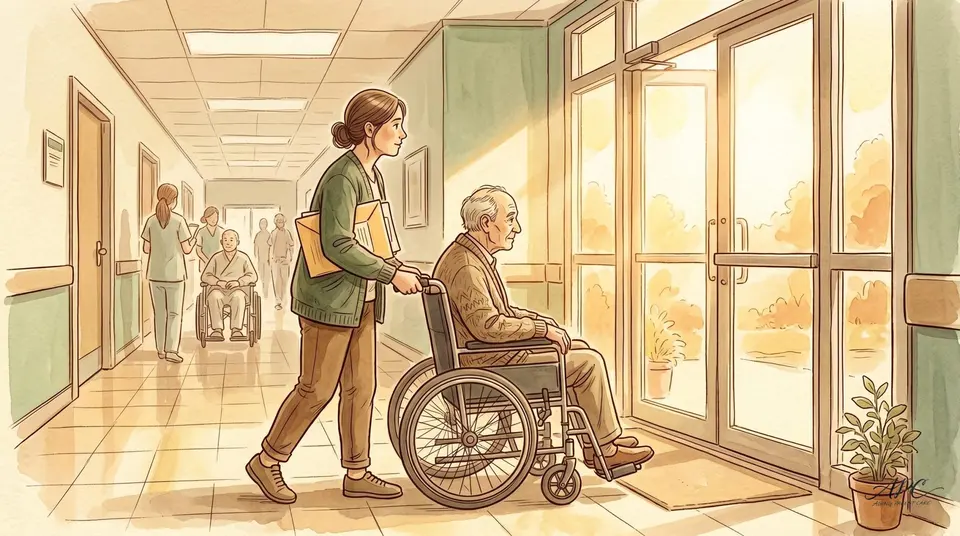
Many long-distance caregivers visit often but ineffectively. They come, spend time with their parent, and leave without seeing the things that matter. The National Institute on Aging suggests setting a clear goal or two for a visit ahead of time, then using the time there to look for the tasks that need doing and the changes that are easy to miss over the phone.1 When Marcus finally flew to Tulsa, he stopped treating it as a social call and started actually looking. Five things are worth a quiet check:
- The refrigerator. What is in it, and what has gone bad.
- The medicine cabinet. What is being taken, skipped, or doubled.
- The mail stack. Unopened bills are an early warning sign.
- The home itself. The loose step, the dim hallway, the rug that slides.
- A talk with the primary care doctor, with the right permission in place.
One more thing the NIA is firm about, and it is easy to skip when there is a list: make real time for something that has nothing to do with caregiving. Watch the game, take a drive, let your dad win at cards. The point of the visit is not only the audit. Marcus found the loose step on that trip. He also found out his dad had been eating dinner alone every night since the spring, which no checklist would have caught.
The free Aging Parent Care Starter Kit walks you through the first steps in plain language, at your own pace. Get it sent straight to your inbox.
Send me the free Starter KitWhich systems do most of the work?
The biggest shift caregivers make when they find their footing is moving from heroics, flying in when something goes wrong, to systems, building local infrastructure so fewer things go wrong undetected. Four of them do most of the work:
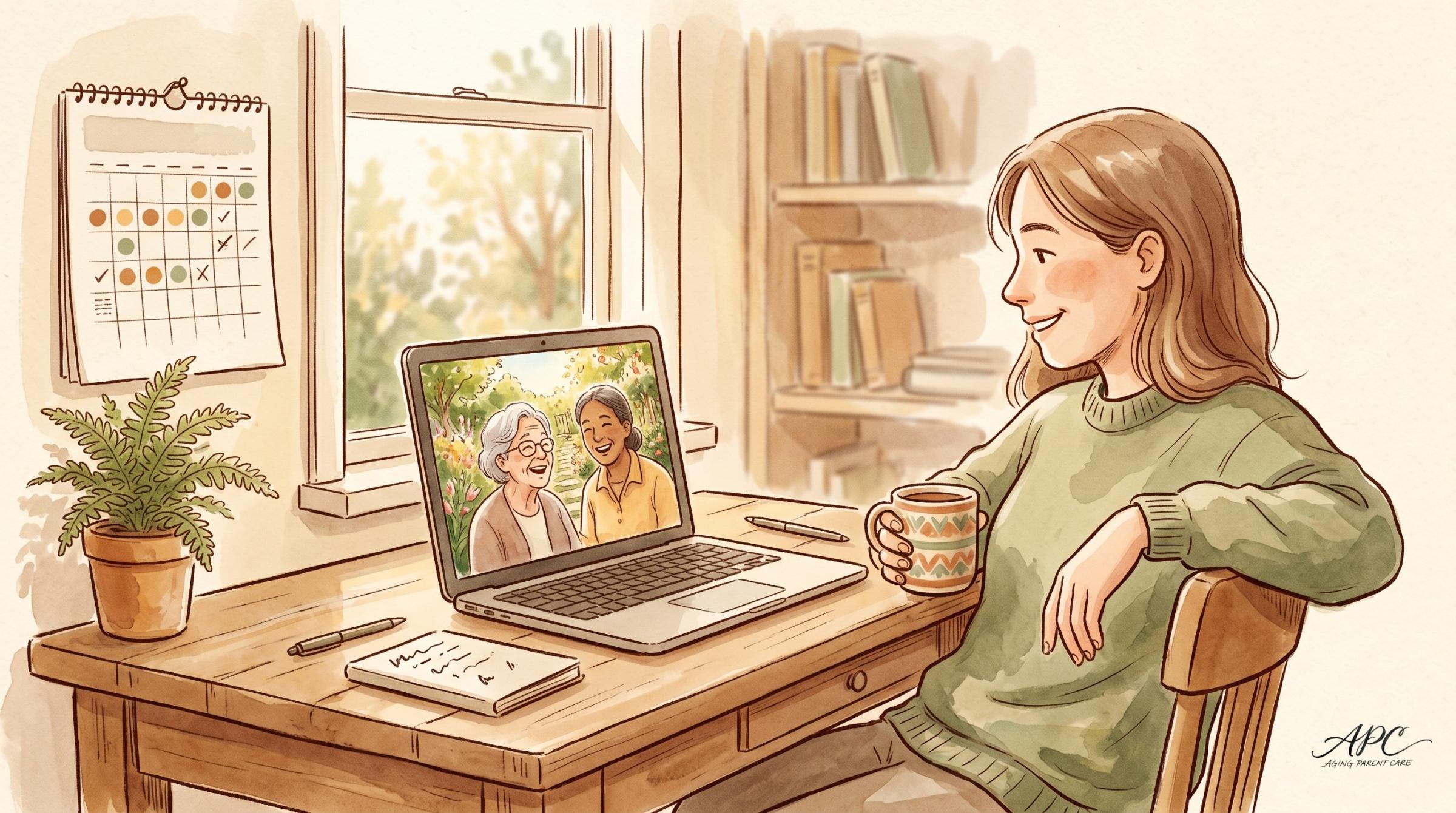
- Set a fixed weekly call. Same day, same time. A standing call beats five frantic ones the week after a scare, because it gives you a baseline. You catch the difference between how your dad sounds in February and in April.
- Build the local network into the system. Give the neighbor, the church friend, and the nearby grandkid your number, tell them plainly what to watch for, and give them an easy way to flag something off.
- Keep one shared list and calendar. The NIA suggests a shared online document of key phone numbers and a shared calendar so everyone helping can see who is visiting when and what the follow-ups are.1 It closes the "I thought you were handling that" gaps.
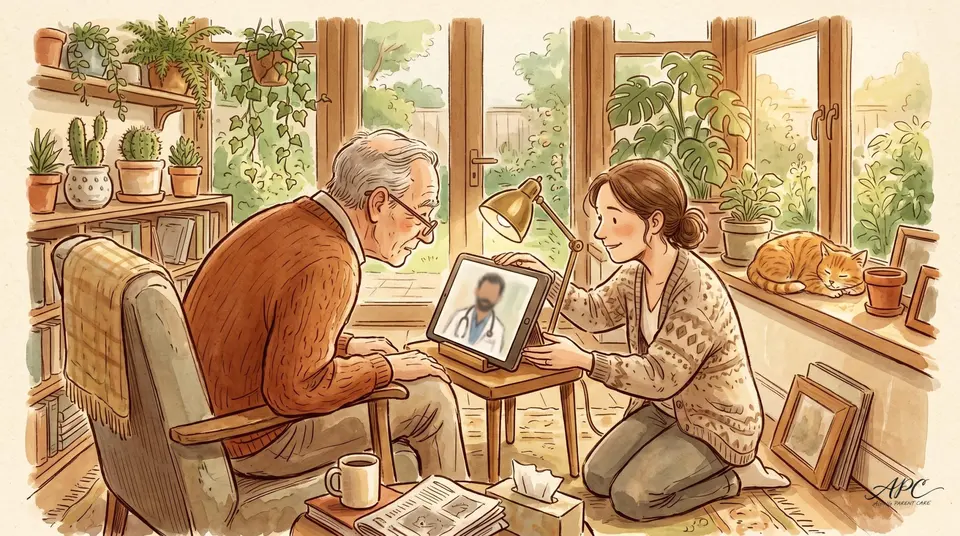
- Automate what can be automated. Automatic prescription refills, bill pay, and grocery delivery remove the tasks that otherwise hang on your parent remembering to act, the ones that quietly become crises. Remote tools like a fall-detection watch or a video check-in have roughly doubled among caregivers in recent years for exactly this reason.2
A call on the same day every week shows you the slow changes. A crisis flight only ever shows you the crash.
When is it time to reassess the distance?
Distance caregiving works until it does not, and the care needs will keep changing whether or not anyone planned for it.3 The signal to reassess is rarely one big event. It is the pile-up of near-misses, of things caught just in time. Three patterns are worth taking seriously:
- More than one medical episode in a year that needed an emergency contact.
- A local network that keeps flagging the same concerns.
- Travel and remote coordination running past what a closer arrangement would cost.
Marcus is still in Denver. Ray is still outside Tulsa, which is where Ray wants to be, and he made that clear. What changed is the scaffolding around him. The back step got fixed the same week Marcus found it. There is a fall-detection watch Ray grumbled about for a month and now forgets he is wearing. A neighbor two doors down has Marcus's number and texts him if the porch light stays off past dark. And every Sunday at 6, the same call. Ray still does not mention the small stuff. He does not have to anymore. The system sees it for him.
Frequently Asked Questions
What counts as a long-distance caregiver?
If you live an hour or more from the person you help, you are a long-distance caregiver, by the National Institute on Aging's own definition.1 More than one in ten family caregivers are in that spot, so it is a very common way to do this.2
How do I find a geriatric care manager near my parent?
Start with the local Area Agency on Aging, which you can reach through the Eldercare Locator or by calling 800-677-1116.4 Private geriatric care managers typically run $75 to $300 an hour, and agency case management is often a lower-cost option.2
How often should I visit a parent who lives far away?
There is no fixed number, but the value is in the quality of the visit, not the count. The NIA suggests setting clear goals for a trip and using the time to spot the tasks and changes that are hard to catch over the phone, while still making room to simply be together.1 One well-run visit a year, with a real look at the home, the meds, the mail, and the doctor, often reveals more than several casual ones.
Long-distance caregiving holds when it runs on a system rather than emergency flights: a local network that sees what you cannot, deliberate visits that actually look at the home, and a weekly call that catches the slow changes early. The first move is also the cheapest one, naming your parent's real local contacts and bringing them into the loop this week. For a free framework to map that network and set the weekly rhythm, start with the Aging Parent Care Starter Kit.
Was this article useful?
Got feedback?
Let us know what was useful, unclear, or missing.
Related from Aging Parent Care
- How to Build a Care Team When You're the Only One
- Why Your Sibling Won't Help
- How to Talk to Your Parent About Moving
Sources
- National Institute on Aging. "What Is Long-Distance Caregiving?" NIA. nia.nih.gov/health/long-distance-caregiving/what-long-distance-caregiving
- AARP. "Navigating Long-Distance Caregiving for Aging Loved Ones." 2025. aarp.org/caregiving/basics/long-distance-care
- Family Caregiver Alliance. "FAQ: How Can I Help With Caregiving From Far Away?" caregiver.org/faq-care-long-distance-caregiving
- Administration for Community Living. "Eldercare Locator." eldercare.acl.gov/Public/Index.aspx
This content is for educational and informational purposes only. It is not a substitute for professional medical, legal, or financial advice. Always consult qualified healthcare providers, attorneys, or financial advisors for guidance specific to your situation. Statistics and policy details cited were accurate at the time of publication and may have changed.
© 2026 Aging Parent Care. All rights reserved. No portion of this article may be reproduced, distributed, or used in any form without the explicit written permission of Aging Parent Care.
Related family guides
- How to Talk to a Parent About the Car Keys Without Starting a War
- Caregiving Quietly Wrecks Marriages. What the Couples Who Survive It Do Differently.
- How to Get Power of Attorney for an Elderly Parent, Step by Step
- What Does Caregiver Burnout Feel Like? 7 Symptoms Families Mistake for Stress
- Hospital Discharge for Elderly Parents: The First 30 Days
The Complete Aging Parent Caregiving Guide covers the full caregiving arc in 30 chapters, and the Guide and Workbook together add the fillable templates families use to put it into practice.
Make Your Business Online By The Best No—Code & No—Plugin Solution In The Market.
30 Day Money-Back Guarantee
Say goodbye to your low online sales rate!
How do you care for an aging parent from far away?
The pattern that works is building a local team, a trusted neighbor, a geriatric care manager, and named backup, setting up remote visibility into bills, medications, and appointments, keeping one shared document of accounts and contacts, and scheduling visits around medical checkpoints rather than only holidays.
What is a geriatric care manager?
A geriatric care manager is a professional, often a nurse or social worker, who assesses an older adult's needs, arranges and monitors care, and acts as your eyes on the ground when you live far away. Fees typically run $75 to $200 an hour.