

Caregiving Quietly Wrecks Marriages. What the Couples Who Survive It Do Differently.

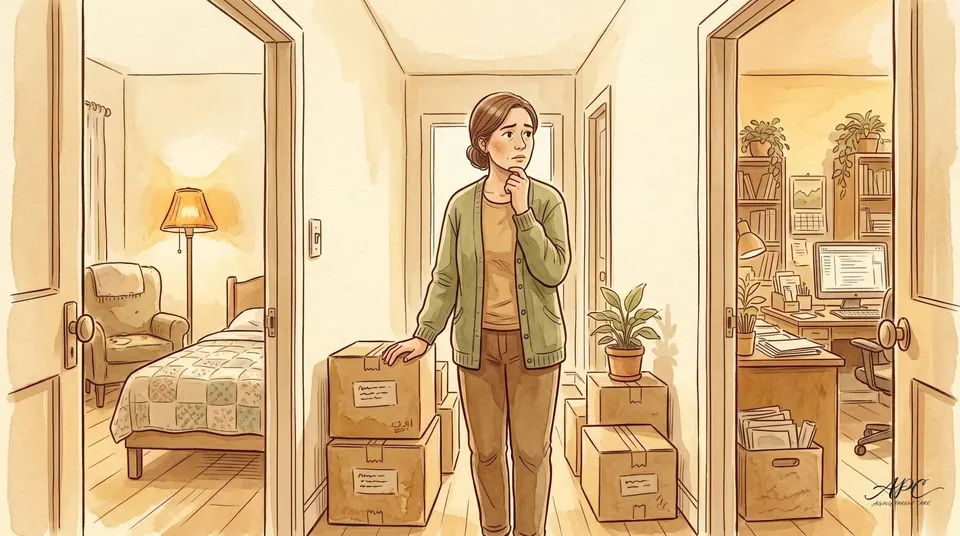
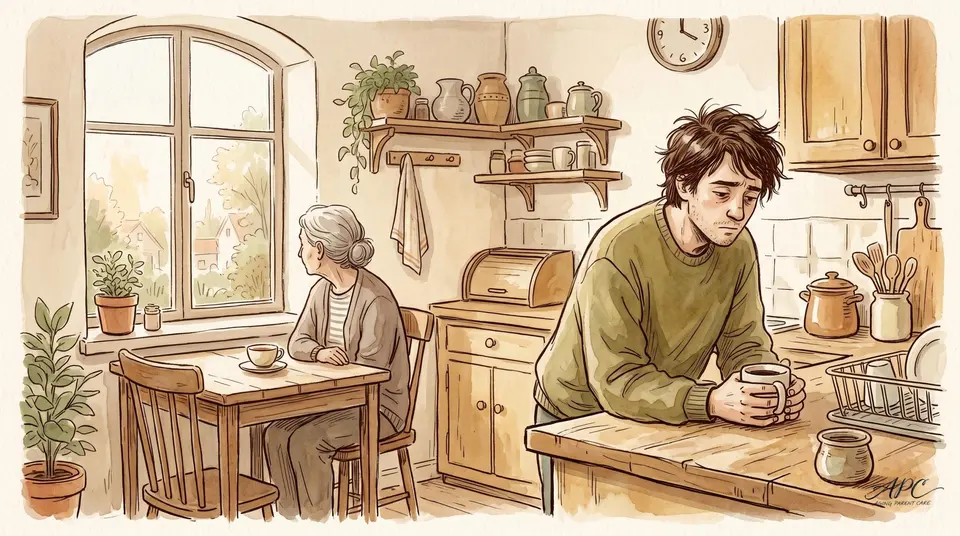
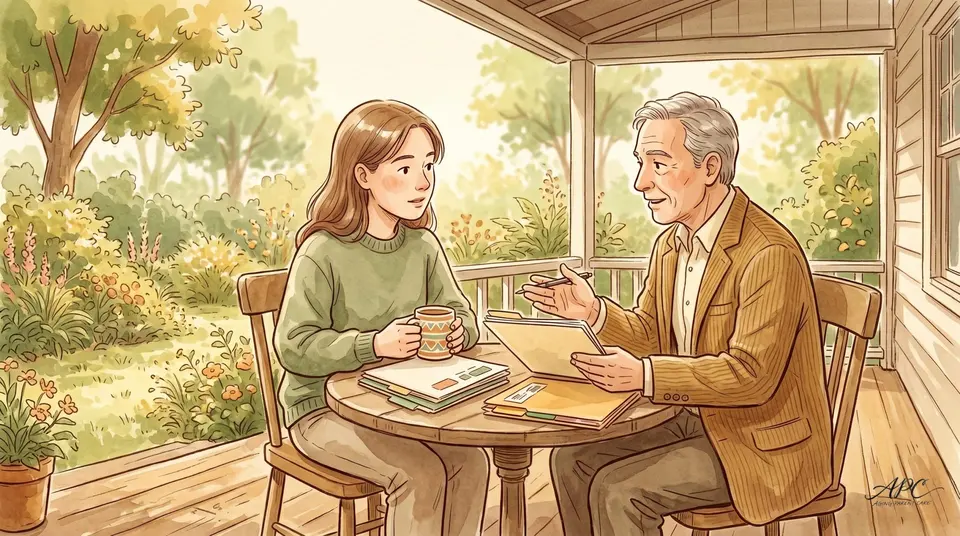
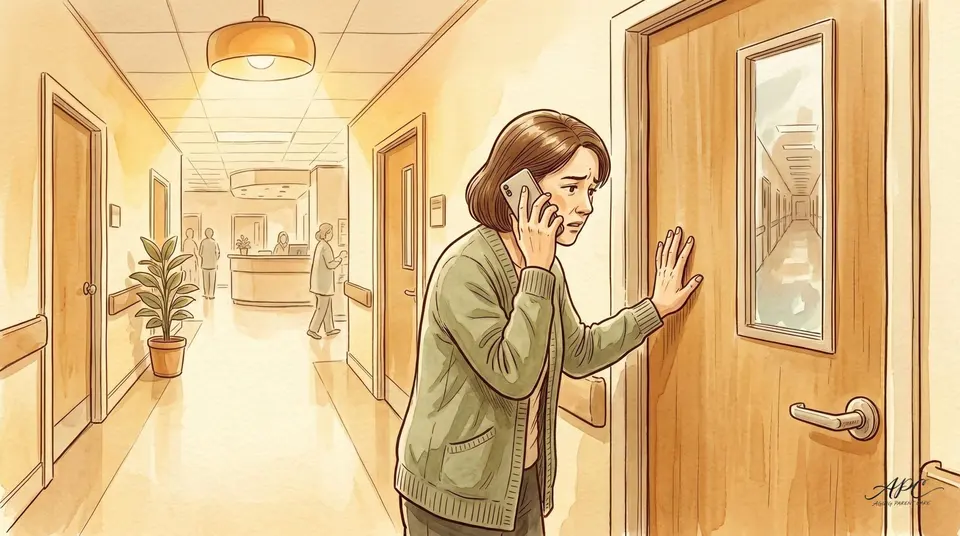
The fight, when it finally comes, is never really about the thing it is about. It is a Tuesday morning and Dana is reheating the same cup of coffee for the third time, because the pharmacy put her mother's refill on hold again and half the morning is already gone. Tom says, carefully, that they never just sit together anymore. It lands like an accusation instead of the lonely little flag it really is. Nobody slept. Nobody is the villain. Their marriage just got quietly shuffled to the bottom of a list with her mother's name all over it. That is how caregiving comes for a couple, slowly enough that most do not notice until the distance has already set. Here is the part worth knowing up front. The couples who come through it still reaching for each other tend to do a small, specific set of things, and not one of them needs a perfect marriage to start.
First, the honest part. The spouse who picks up most of the care usually pays for it in their own body. Family Caregiver Alliance lays the numbers out plainly: people caring for a husband or wife are far more likely to call their own health fair or poor, about 27 percent of them, against 15 percent of every other kind of caregiver, and that share keeps climbing the longer the caregiving goes on.1 It is not in your head, and it is not weakness. It is what carrying this does to a person.
And of everyone who ends up a family caregiver, spouses tend to carry the hardest version of it. When researchers line husbands and wives up next to the adult kids and in-laws who also provide care, it is the spouses who report the most strain and the most depression.2 So if caring for your parent has quietly become the thing standing between you and your partner, you are in very ordinary, very heavy company.
What keeps a marriage steady through caregiving
- Say it out loud. Name the caregiving as a hard stretch you are both in, not a private weight one of you carries in silence.
- Make the support fit the person. Help that actually matches what your partner needs is what protects a couple, not generic effort.
- Guard one block of time. One standing window that is off-limits to care talk keeps you a couple, not two co-managers.
- Decide what comes home. Agree together on what gets handed to paid help, respite, or a sibling, instead of absorbing all of it.
- Ask for help sooner than feels necessary. A little outside support early beats repairing the distance later.
Why saying it out loud actually changes things
There is a big review of couples going through serious illness together, and the couples who stayed close did three things. They said what they were carrying instead of swallowing it. They gave each other support that matched what the other person actually needed. And they saw the situation roughly the same way. The couples who did those three kept more of their closeness and carried less distress, even when the illness was severe.3
None of that needs a therapist or a special process. It needs one person to say the plain thing: this is hard on both of us, and I do not want us to lose each other in it. That one sentence does real work, because caregiving strain almost never announces itself. It shows up as a missed dinner, a clipped answer, a weekend that disappeared. Naming it turns a vague heaviness into something the two of you can look at together and split.
The free Aging Parent Care Starter Kit walks you through the first steps in plain language, at your own pace. Get it sent straight to your inbox.
Send me the free Starter KitWhat about the partner who is not the caregiver?
The other partner sits in a spot that has no name. They are not the caregiver. They are not the patient. They just live in a house that has rearranged itself around someone else's parent, and they are expected to keep supporting a husband or wife who now has less time and less left in the tank. It is a quietly lonely place to be, and most people there feel guilty for even minding.
This is where "support that matches the person" cuts both ways. The same research on couples found the helpful version of support is the kind aimed at what your partner actually needs, not a stack of good intentions pointed in the wrong direction.3 So the non-caregiving partner who feels seen, whose own week gets a nod instead of a shrug, has a lot more to give back. Acknowledgment is not a nicety here. It is the thing that keeps the well from running dry.
The caregiving is rarely what breaks a marriage. The silence around it is.
The few structures that hold a couple together
Love alone does not carry a couple through years of this. Structure does. Writing in the American Academy of Neurology's Brain & Life, caregiving specialists point to a handful of moves that keep spousal caregivers and their partners steady, and they are refreshingly concrete.4 A few that matter most:
- Block out time that has nothing to do with caregiving logistics, and protect it like a doctor's appointment you cannot move.
- Trade "why" for "I." Instead of "why don't you hold my hand anymore," try "I feel closer to you when we hold hands." Same need, no accusation.
- Decide together what comes home and what gets handed off, whether to paid help, a respite program, or a sibling, so the care does not quietly eat every room in the house.
That last one is the step most caregivers resist, so let me be clear about it. Setting a limit is not doing less for your parent. It is deciding, on purpose, what stays in your home and what gets managed somewhere else. A couple who has agreed that Sunday mornings are theirs, and that the weekend visits go to a hired aide or a brother who can finally show up, has carved out one space in the week to just be married.
When counseling earns its keep
You do not have to wait for a crisis to talk to someone. The Brain & Life piece makes a point that lands: a marriage in the middle of caregiving has genuinely changed, and pretending it will snap back to how it was just adds quiet disappointment on top of everything else.4 A few sessions with a counselor early, or a group like the Well Spouse Association where people get exactly what you are living, can catch the drift while it is still small. Family Caregiver Alliance keeps free resources and referrals on its site at caregiver.org, including help finding therapists who understand elder care.
Frequently Asked Questions
Does caregiving really put marriages at risk?
It puts real, predictable pressure on them. Spousal caregivers report the heaviest strain and the most depression of any family caregivers, and they are the most likely to say their own health has slipped.2 The strain is real. It is also workable when a couple names it early and plans around it instead of waiting it out.
What is the single most useful thing a couple can do?
Have the conversation that names it. Couples who say the stress out loud and support each other in the way the other person actually needs keep more of their closeness, even when the caregiving is heavy.3 It does not take a therapist. It takes one of you saying the hard part first.
How does the non-caregiving partner help most?
By feeling seen first, then stepping in. Support works best when it is aimed at what the partner actually needs, so a quick check on how their week is going does more than a vague offer to "help sometime."3 Acknowledge, then divide the load on purpose.
When should we consider counseling?
Sooner than feels necessary. Talking to a counselor, or joining a spousal-caregiver group, early in the intensive stretch can catch the slow disconnection while it is still easy to fix.4 Family Caregiver Alliance can help you find someone who knows elder care at caregiver.org.
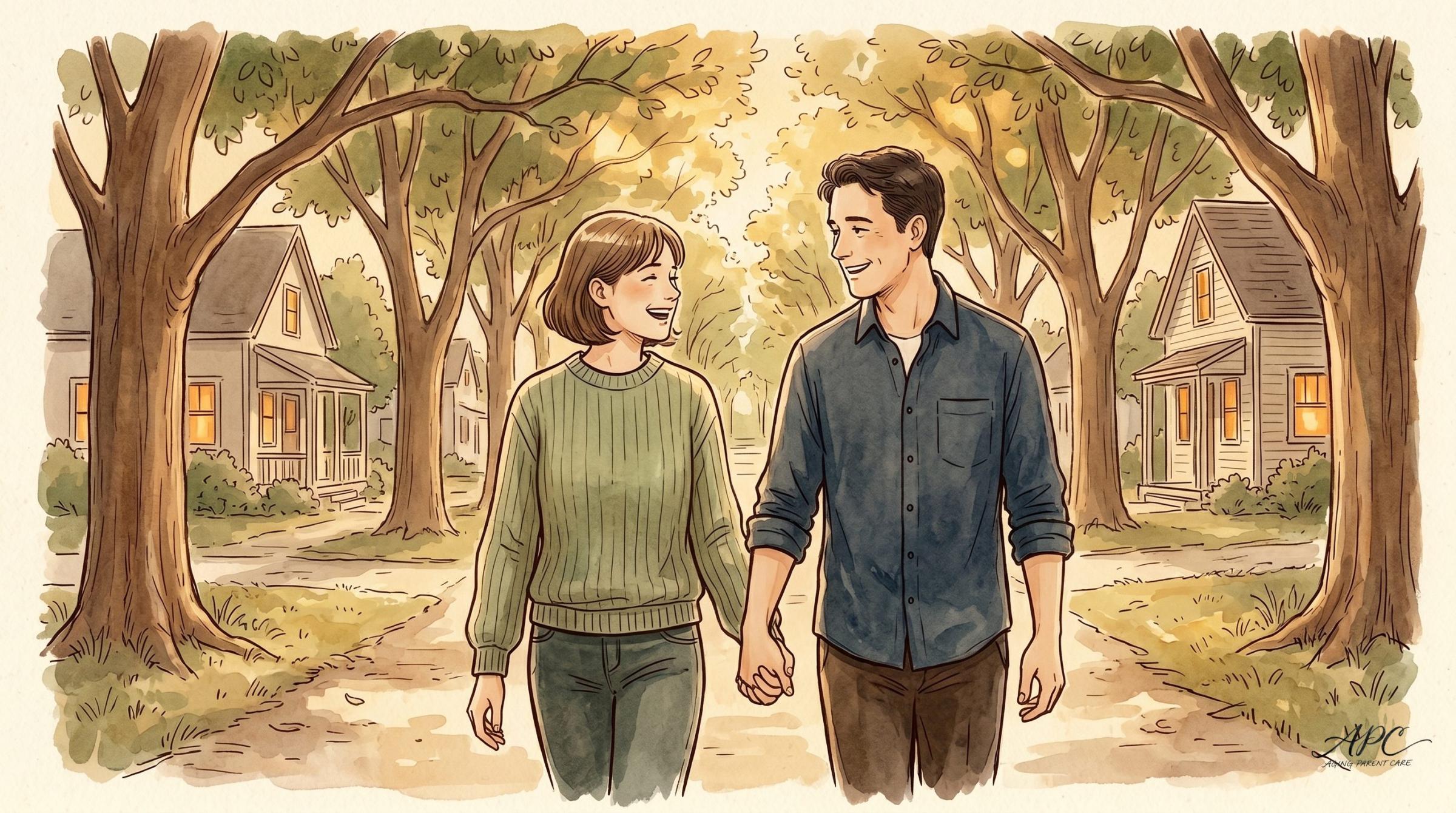
Dana and Tom never did get a weekend away or a tidy plan. What they got was Sunday mornings, fenced off and handed nothing from the care list, and a standing arrangement for a paid aide to cover the weekend medication runs her mother needed. The coffee still goes cold some days. But the marriage stopped being the one thing on the list that got none of them.
The marriages that make it through long caregiving are the ones where both people know what is happening, have said the hard part out loud, and have made a few specific agreements to protect the relationship while it is going on. This week, set one block of time that is off-limits to caregiving talk, and decide together which task you will hand off instead of absorbing at home. The free Aging Parent Care Starter Kit includes a respite-planning worksheet and a conversation guide to help you start that agreement.
Was this article useful?
Got feedback?
Let us know what was useful, unclear, or missing.
Related from Aging Parent Care
- Why Your Sibling Won't Help
- How to Build a Care Team When You're the Only One
- The Guilt That Keeps You From Asking for Help
Sources
- Family Caregiver Alliance. "Caregiver Statistics: Health, Technology, and Caregiving Resources." caregiver.org/resource/caregiver-statistics-health-technology-and-caregiving-resources
- Pinquart M, Sörensen S. "Spouses, Adult Children, and Children-in-Law as Caregivers of Older Adults: A Meta-Analytic Comparison." Psychology and Aging, 2011. pmc.ncbi.nlm.nih.gov/articles/PMC4449135
- Weitkamp K, Feger F, Landolt SA, Roth M, Bodenmann G. "Dyadic Coping in Couples Facing Chronic Physical Illness: A Systematic Review." Frontiers in Psychology, 2021. frontiersin.org/articles/10.3389/fpsyg.2021.722740/full
- Wynn P. "How to Balance Being a Caregiver and a Spouse." Brain & Life, American Academy of Neurology, 2016. brainandlife.org/articles/succeeding-as-a-spousal-caregiver-means-knowing-when-to-ask
This content is for educational and informational purposes only. It is not a substitute for professional medical, legal, or financial advice. Always consult qualified healthcare providers, attorneys, or financial advisors for guidance specific to your situation. Statistics and policy details cited were accurate at the time of publication and may have changed.
© 2026 Aging Parent Care. All rights reserved. No portion of this article may be reproduced, distributed, or used in any form without the explicit written permission of Aging Parent Care.
Related family guides
- How to Talk to a Parent About the Car Keys Without Starting a War
- Caring for a Parent From 500 Miles Away: A Long-Distance Playbook That Works.
- How to Get Power of Attorney for an Elderly Parent, Step by Step
- What Does Caregiver Burnout Feel Like? 7 Symptoms Families Mistake for Stress
- Hospital Discharge for Elderly Parents: The First 30 Days
The Complete Aging Parent Caregiving Guide covers the full caregiving arc in 30 chapters, and the Guide and Workbook together add the fillable templates families use to put it into practice.
Make Your Business Online By The Best No—Code & No—Plugin Solution In The Market.
30 Day Money-Back Guarantee
Say goodbye to your low online sales rate!